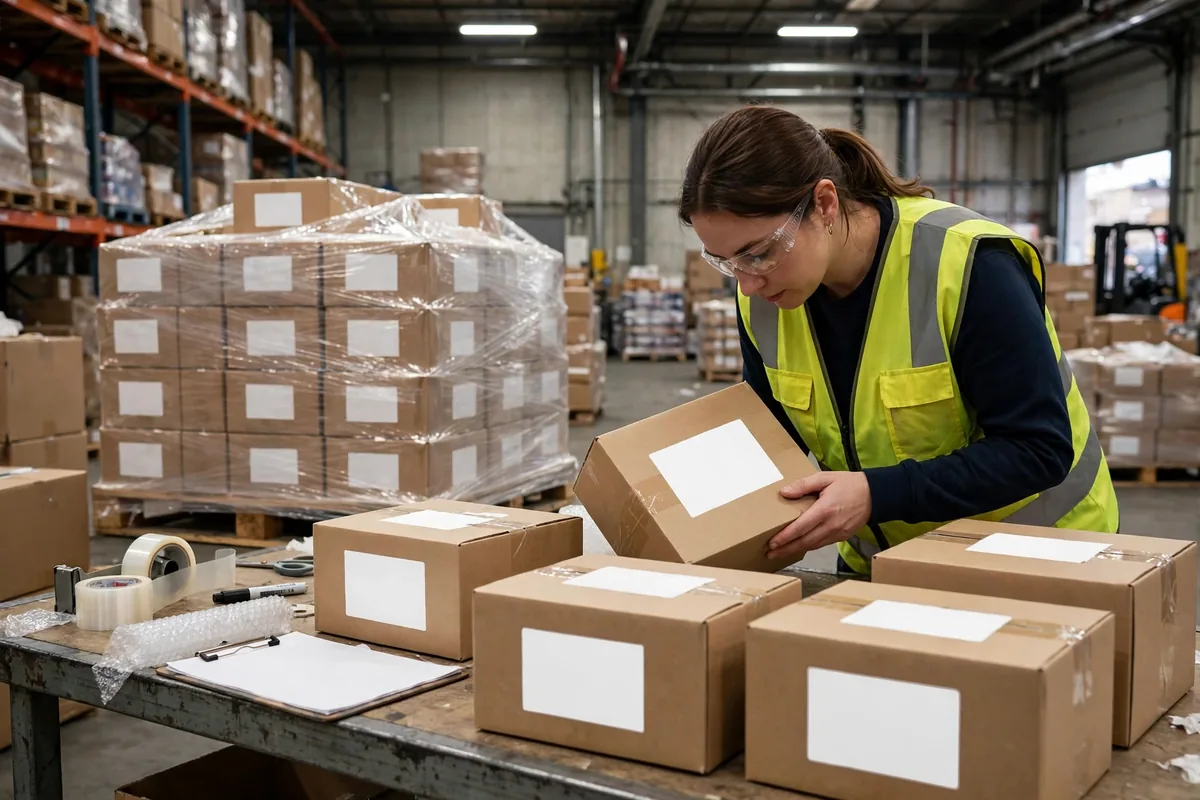
Amazon changed the rules again — and the FBA inbound defect fee is now the bill that proves it. On January 1, 2026, FBA prep and labeling services in the US stopped for good. Wrong label, wrong carton, wrong weight, and Amazon no longer fixes it for you. The bill just lands. The FBA inbound defect used to be a problem money could solve. Now a mistake is a fine.
I learned this the hard way. In November 2025, a shipment of 1,200 home-goods units left my Shenzhen warehouse. The factory, trying to save time, mixed two colors into one carton and stuck a single box label on the outside. When it reached the US fulfillment center, Amazon's system could not read it. The whole shipment sat in receiving for 9 extra days, right before the Black Friday restock window, and the listing went out of stock for 6 days. The lost sales alone cost dozens of times what the labeling labor would have cost. Since then, I check every carton before it leaves. I never take a factory's word for "it's all packed."
Where the FBA Inbound Defect Fee Actually Comes From
Inbound defects fall into two buckets. The first is unit-level mistakes: an FNSKU barcode that is smudged, crooked, or unscannable; the manufacturer barcode left uncovered so the scanner reads the wrong code; a multi-pack missing its "sold as set, do not separate" label; a poly bag with a wide opening and no suffocation warning. The second is carton and freight-level mistakes: standard cartons over 50 lbs or longer than 25 inches on any side; box content information never declared, so the warehouse has no idea what is inside; mixed SKUs in one carton with nothing declared; a delivery appointment booked and then missed, with the truck sitting at the gate and nobody to receive it.
The FBA inbound defect bill is only the visible part. The chain reaction is worse. The shipment gets stuck in receiving discrepancy status, the whole batch stops moving, and the listing stays out of stock. A peak-season restock window lasts a few days. Miss it once and the ads keep burning while the ranking slides, and climbing back costs another round of money. Most sellers stare at the fine on the settlement report. The real loss sits somewhere they cannot see.
In February 2026, a friend selling beauty products in Guangzhou got hit the same way. His forwarder booked a Wednesday morning delivery window. The truck arrived at the gate, but the system showed no appointment at all. The truck waited outside the warehouse for two days, and the rebooked slot was a week later. That shipment was 800 units of spring new arrivals, and the launch slipped 9 days. The cause turned out to be simple: the forwarder sent the appointment confirmation to the wrong email, and nobody noticed. Appointments are a seller's job to watch. Leave it to someone else and you are betting on their attention to detail.
Stopping the FBA Inbound Defect Before the Carton Leaves
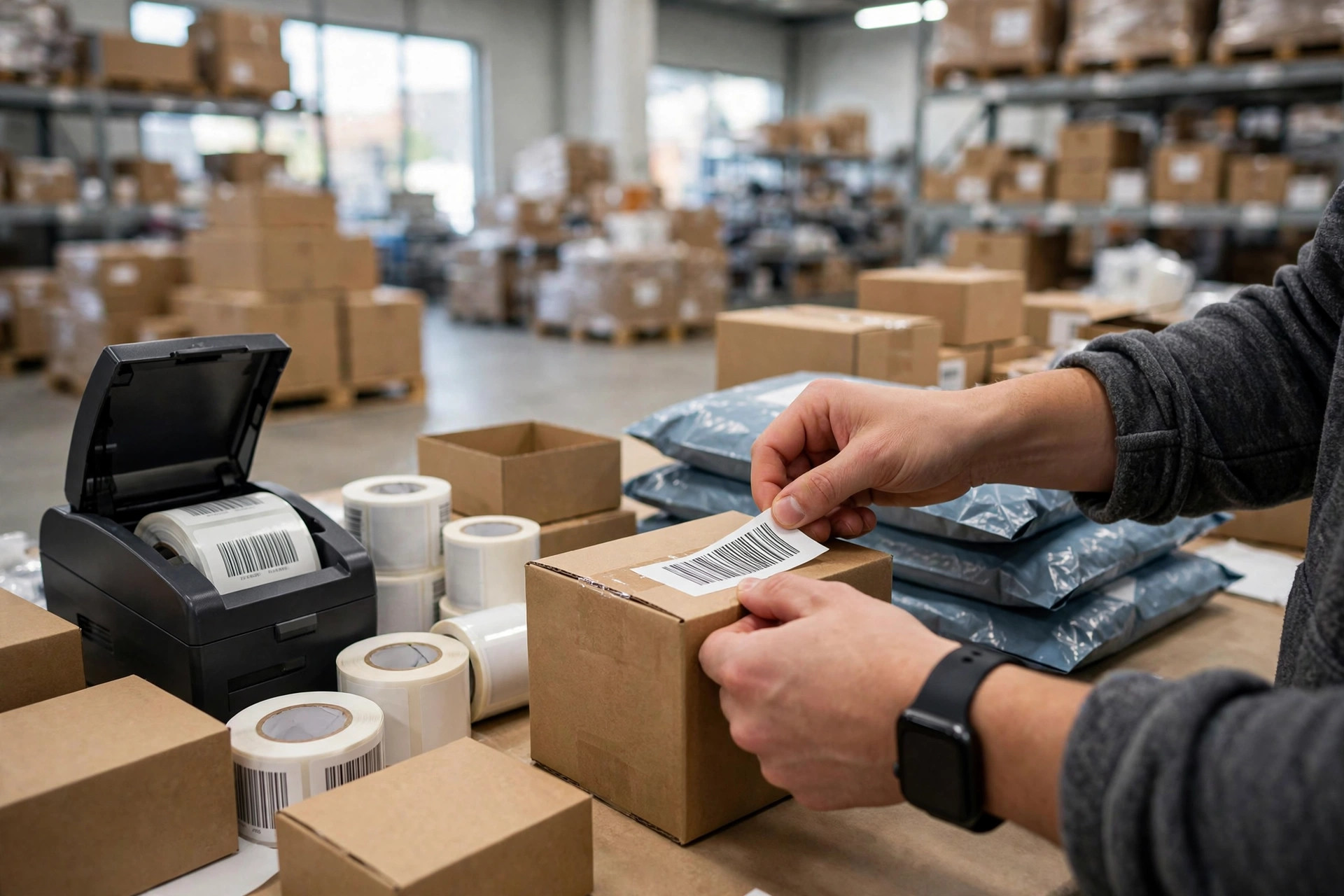
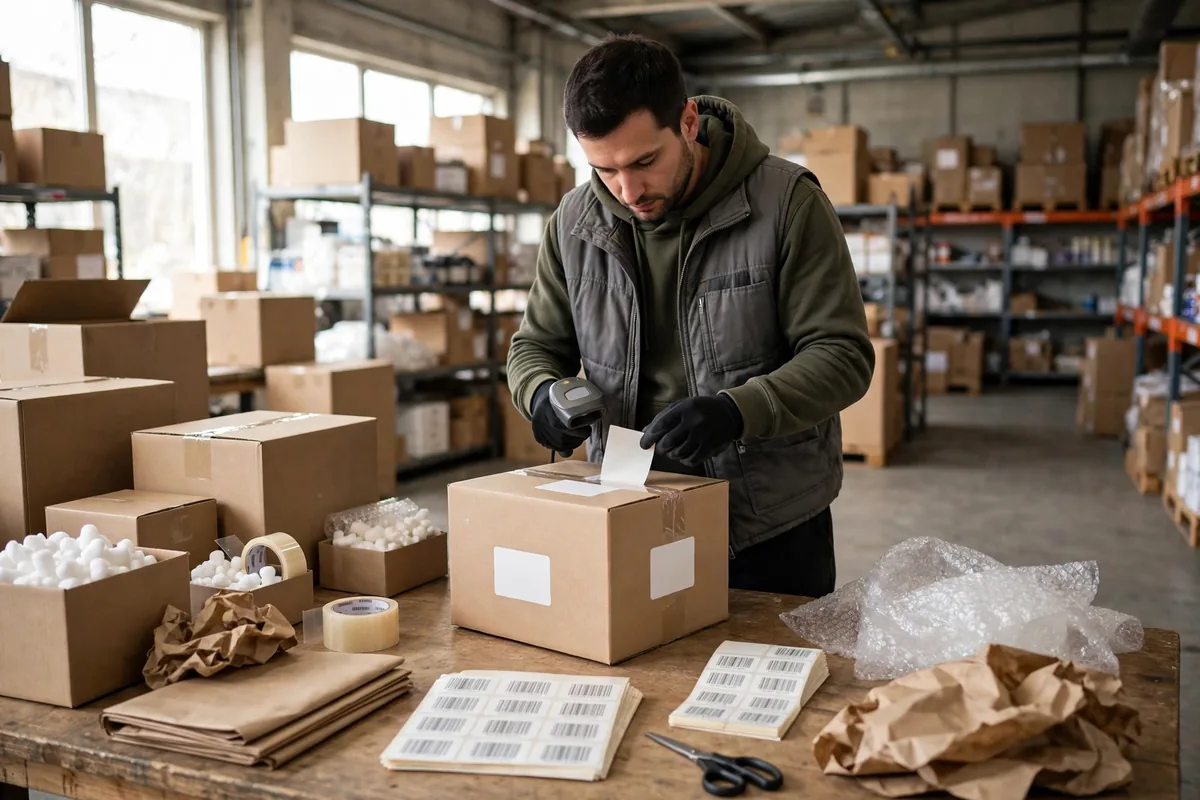
Labeling now runs on three fixed steps in my warehouse. First, scan every printed label with a scanner, one by one. Not a glance, a real scan. Anything unscannable gets reprinted on the spot. Second, match the FNSKU against the shipment plan. One wrong code means the whole carton goes back. Third, cover the manufacturer barcode and place the box label flat, never on a seam or under tape. Labeling looks simple, and that is exactly why it has the highest error rate. The more people and the faster the hands, the easier it is to mix up two labels.
Carton checks run on four hard rules. Weigh every carton. Over 50 lbs, split it. A "team lift" sticker does not make an overweight carton compliant. Measure every side. Over 25 inches, change the box. Pack different colors and sizes in separate cartons, and if anything is mixed, declare it in the box content information. Declare box contents in Seller Central before the freight leaves, not after it arrives. Weighing is the step people skip most, and the one that catches the most trouble. Factories pack a few extra units to save a box, and two or three extra pounds show up the moment Amazon puts the carton on a scale.
Appointment management gets its own routine. Once the delivery window is booked, screenshot the confirmation and drop it in the work group chat: which day, which warehouse, what time. Forwarders change staff, emails change, systems get upgraded, and an appointment can vanish without a trace. Call to confirm again on the shipping day. It feels like nagging. My rule is to keep a two-day buffer, booking the window two days before the planned arrival, so a hiccup on the road still leaves room to recover.
Doing the Math: Prevention Costs Less Than the Fine
Illustrative example: a seller shipping 5,000 units a month spends an extra 0.3 yuan per unit on labeling and carton checks. That is 1,500 yuan a month. If 200 units in the same batch get mislabeled and sent back for rework, return freight plus relabeling plus lost sales run past 8 yuan per unit. That is 1,600 yuan before counting the days out of stock. The exact fee rates are whatever Amazon's Seller Central policy states at the time, so check there before shipping. But the shape of the math does not change. The prevention labor is the cheapest insurance in the whole warehouse.
There is a hidden cost too. Too many inbound defects drag down your inbound performance, and in serious cases it affects warehouse assignment and receiving speed for later shipments. Amazon does not argue with you. It reads the data. One bad stretch of data means building extra buffer days into every shipment after that, and the whole peak-season restock rhythm falls apart. Prevention is not about saving a few hundred in fines. It is about protecting the shipping rhythm.
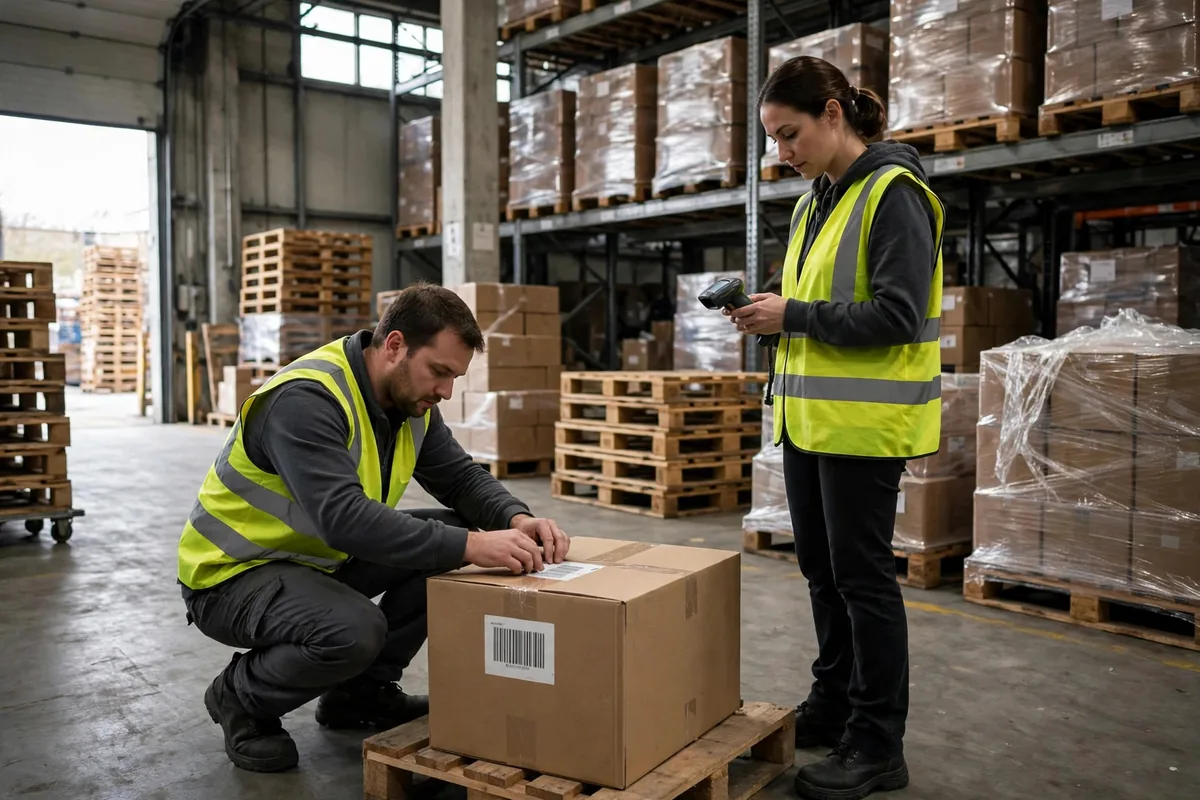
This one I have tested myself, and it works: two people cross-check before shipping, one applies labels while the other scans them, and the mislabel rate drops to zero. Do not call it overkill. Amazon will not cover for you anymore. The gate at the warehouse door is yours to guard.
By Ah K, E-commerce Seller (5 yrs)