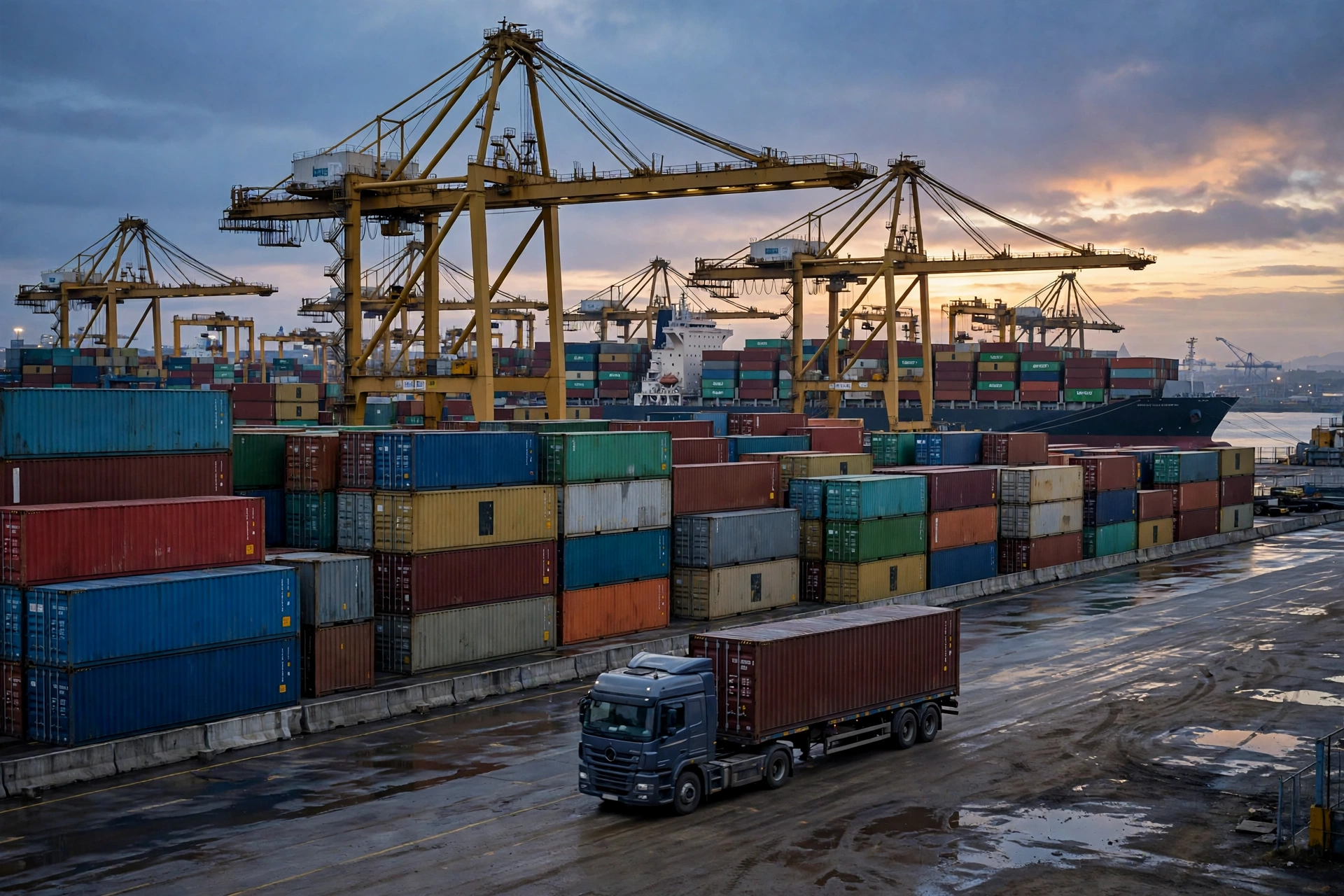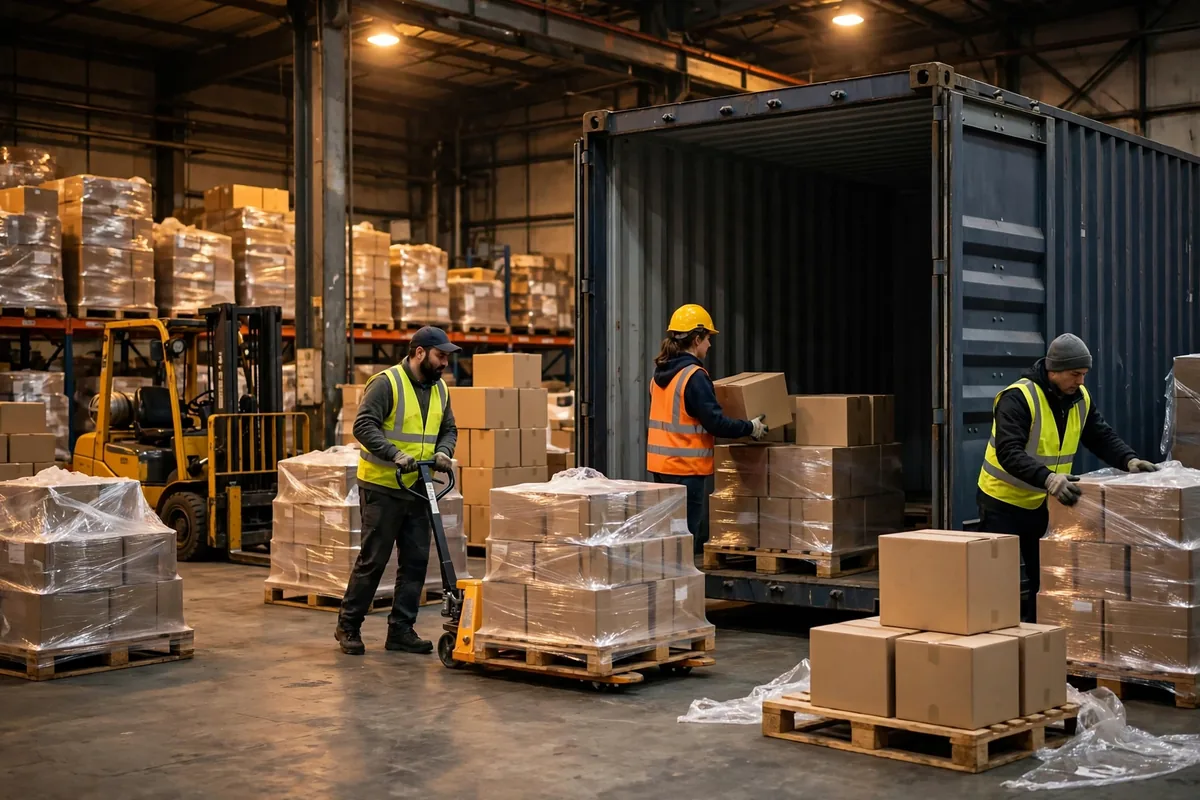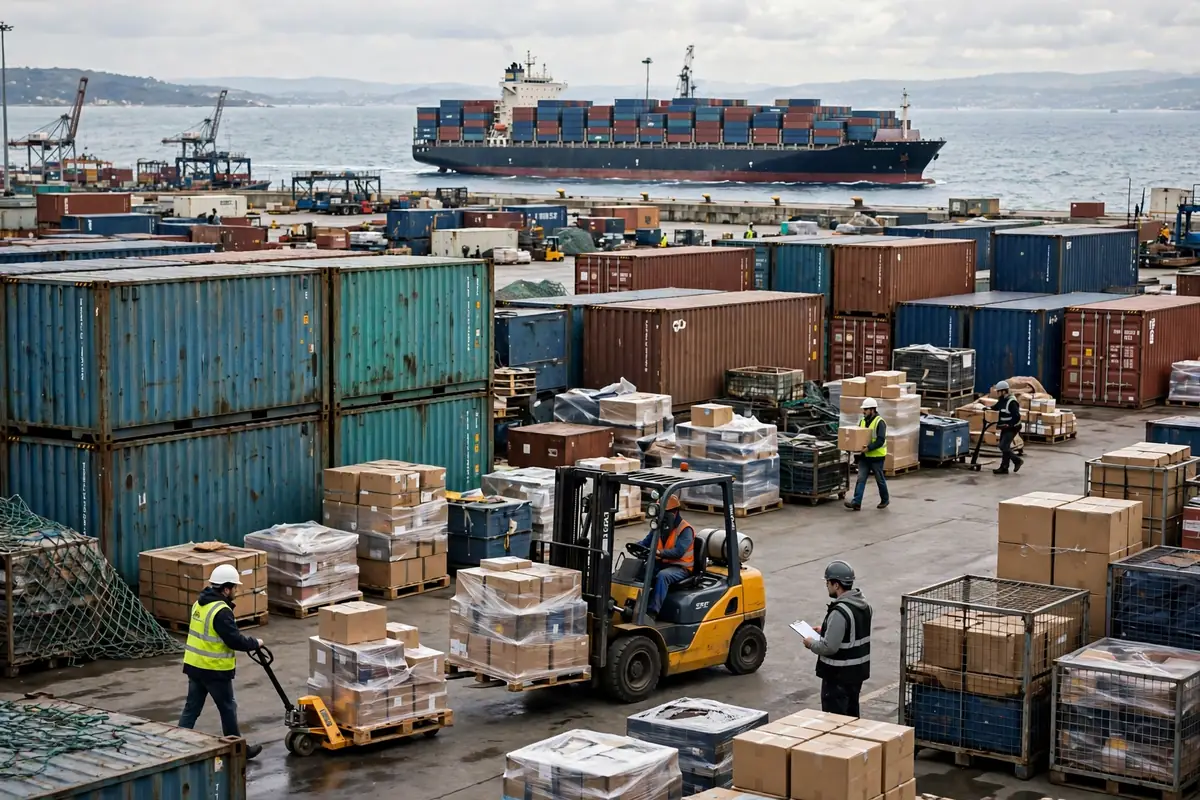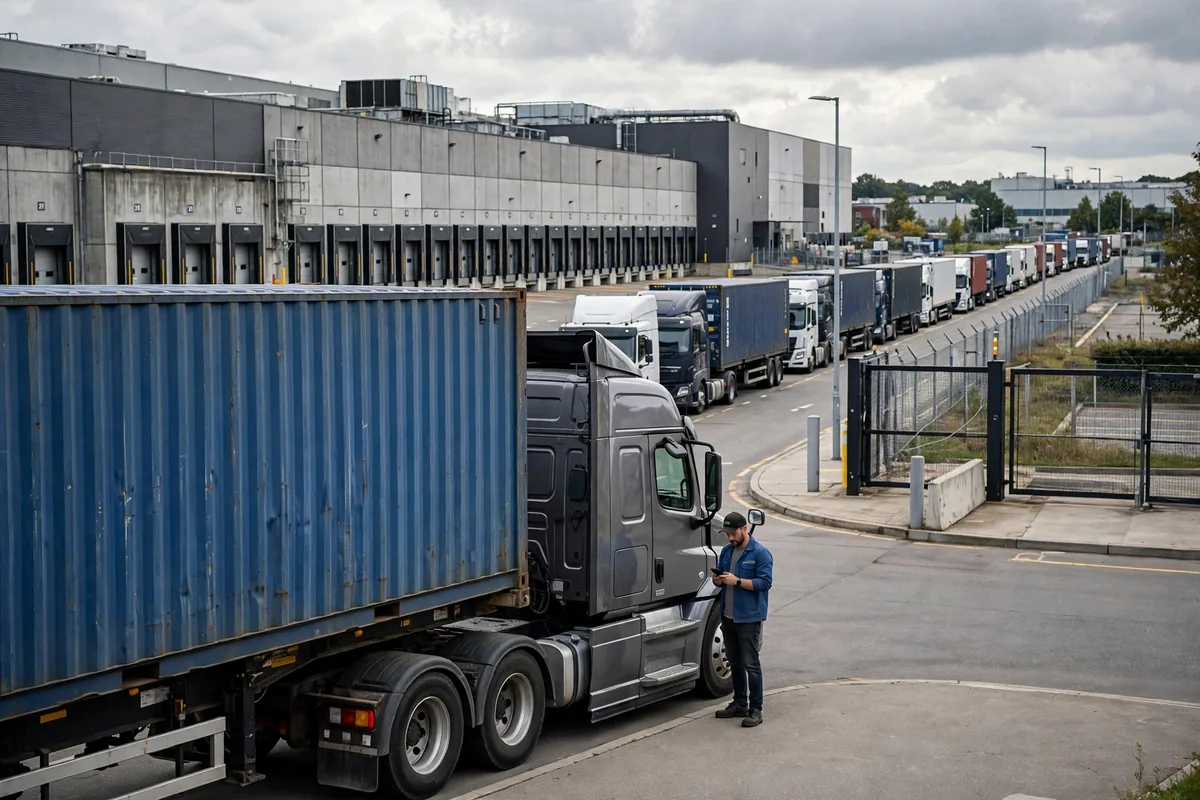
This June, one of my 40-foot containers landed at the Port of Los Angeles. The cargo was right at the door. But the FBA appointment no-show problem hit me before the freight even moved: I could not get a delivery slot. The truck sat in the port queue for two days while the appointment window kept shifting, and by the time I got a slot, the box had spent five extra days in the terminal. I still remember that shipment, because every line on the bill was tuition I paid myself. Most sellers ignore the FBA appointment until the container is sitting at the warehouse gate. By then it is too late. No slot means the freight never arrived. This is the classic FBA appointment no show ocean freight story: the vessel arrives on time, the truck is ready, and the warehouse door stays shut.
An FBA Appointment No-Show Gets Recorded Before Anything Else
A delivery appointment is not a phone call before you show up. The carrier has to book a slot in Amazon's Carrier Central system in advance, and a truck that arrives at a fulfillment center without a valid appointment gets turned away. Amazon grades appointment reliability harder than most sellers realize. Carriers are expected to show up for 90% of their appointments or cancel more than 24 hours ahead. Three things count as an appointment defect: the truck does not arrive within one hour of the confirmed time, which is a no-call no-show; a cancellation within 72 hours; or a reschedule within 72 hours. All three count the same.
The defect-rate line is clear too. Accounts booking 11 or more appointments a week need to keep their defect rate at or below 10%. Stay over the line for several weeks and Amazon can restrict new bookings, delete existing appointments, and in serious cases suspend the Carrier Central account. Check the latest policy in Seller Central, because enforcement details change; the figures here reflect the published policy as I verified it, and the current official policy always governs.
A fellow seller I know learned this the hard way before peak season in September 2025. His forwarder rescheduled inside the 72-hour window two weeks in a row, once because the vessel ran two days late and once because the trucking company could not free up a driver. In the third week, the bookable slots in the system had shrunk dramatically, and every morning window at the popular fulfillment centers was gone. He had to park the freight at an overseas warehouse and wait nine days for a slot. Nine extra days of storage plus a second transfer leg cost him real money. That is the nastiest part of a no-show: the punishment is not a one-time fine. Your appointments get harder for weeks afterward.
Here is the counterintuitive part. Rescheduling beats gambling on showing up. Plenty of sellers dread the defect from a reschedule so much that they send the driver anyway and hope for the best. The usual outcome is a rejected truck, a wasted round trip, and a no-show defect anyway. You lose the money and the time. If the slot will not work, reschedule it. A reschedule inside 72 hours is a defect too, but at least the freight is still in your hands and you are still in control.
Every Extra Day in the Terminal Adds a Line to the Bill
Once the appointment slips, the port starts charging. Demurrage and detention are two different bills, so do not mix them up. Demurrage is the charge for a loaded container sitting inside the terminal past its free time. Detention is the charge for keeping the carrier's container outside the terminal and returning the empty late. One clock runs inside the gate, the other outside it. Free time at US ports generally runs three to seven days depending on the carrier and the port, and exact terms are set by the carrier's latest policy. Rates climb in tiers, and the rough 2026 range for the first tier is about $150 to $300 per container per day, with later tiers higher. Confirm the current rate with your carrier before disputing any bill.
Let me lay out the June shipment as a worked example, clearly labelled as an assumption. Five extra days in the terminal, demurrage at $200 a day for the first tier, comes to $1,000. The trucking company charged $300 to change the booking. The freight entered the warehouse five days late and the product stocked out in the meantime. I will not put a precise number on the lost profit, because that depends on the product, so I am leaving it out. Just the first two items add up to $1,250. That is a meaningful chunk of what a 40-foot container costs to ship across the Pacific, paid for nothing.
There is a hidden bill most sellers never calculate: the replenishment cycle breaks. The appointment fails, the freight cannot enter the warehouse, and the listing stocks out anyway. A few days out of stock, the ranking slips, and the ad spend needed to climb back costs more than the demurrage did. I cannot give you an exact figure for that, because ad costs vary by product, but the direction is certain: every failed appointment raises the stockout risk a notch.
The 72-Hour Line for Rescheduling an FBA Appointment
Seventy-two hours is the dividing line for the whole mess. Reschedule more than 72 hours out and it is not a defect. Reschedule inside 72 hours and it counts. Miss the slot entirely and it counts as a no-show. Of the three, rescheduling early is the cheapest. My routine now is to watch the vessel schedule from the moment the ship leaves port. The second the ETA moves, I check whether the appointment needs to move too. Do not wait until the box is almost at the port to look at the appointment. By then the 72 hours are long gone.
The reschedule itself is simple. Change the old appointment in Carrier Central, pick a new window, and send the new details to the trucking company and the forwarder so all three sides confirm the same time. The hard part is keeping everyone in sync. The forwarder changes the appointment and forgets to tell the trucker, the trucker shows up at the old time, and it still counts as a no-show. My rule now is that any appointment change goes into the group chat immediately with three things: the new time, the warehouse address, and the appointment number. Missing any one of them means the notice does not count.
One more case: Amazon sometimes changes your appointment itself. When a fulfillment center is slammed in peak season, Amazon pushes appointments back, and that does not count against you. Do not panic when it happens. Confirm whether the new time works, and if it does not, rebook right away instead of waiting for the system to sort it out.
Three Things to Lock Down Before Your Next Shipment
One, leave buffer between the vessel ETA and the appointment. I now book seven days ahead of the expected arrival, which leaves room to reschedule. A vessel running two days late is normal, and two days is still outside the 72-hour line, so the reschedule does not hurt. Two, confirm the appointment and the truck separately. The forwarder saying it is booked means nothing until I see the appointment number. The trucking company saying they can go means nothing until the driver and the plate check out. Confirm each side on its own instead of taking one party's word for both. Three, keep a backup plan. If the popular fulfillment center has no slots, check whether a nearby one can take a split shipment, or park the freight at an overseas warehouse for a few days. A backup plan sits unused most of the time, and the one time you use it, it pays for itself.
These three steps look dumb, but I tested them myself. I shipped six containers in the second half of this year and never missed an appointment once. It was not better luck. The process got dumber, and dumb processes are hard to break. Selling on FBA is not about who takes the biggest risks. It is about whose process fills the holes first.
This trick worked for me, and I tested it myself: leave buffer between the vessel ETA and the appointment, confirm the appointment and the truck separately, and keep a backup plan ready.
By Ah K, E-commerce Seller (5 yrs)