My judgment up front: for cargo from Zimbabwe and Zambia, Beira corridor warehouse logistics deserves a serious look, but it is not a universal answer. Frankly, the corridor's advantage is geography, and its weakness is geography too. The distance saved on the map means nothing if the handoff between port and inland breaks down, because every day of waiting eats the savings in storage, demurrage, and customer claims. I have seen too many shippers approve a route on the strength of a straight line on a map, then watch their cargo stall halfway while three different vendors argued about whose problem it was.
Let me start with a pit I watched happen. A shipper of agricultural machinery parts, warehousing near Harare, was selling into Asian customers and had always routed south on a long inland leg. Someone showed them a comparison suggesting that switching to Beira would cut a large share of the inland distance, and the number looked irresistible. They switched, but they did not change anything else: same warehouse setup, no advance document check, no confirmed port warehouse slot. At the border, the release rhythm on the two sides did not line up, and the port warehouse had no space reserved. The cargo shuffled between the border and the port area for days, eventually shipped, but late. The customer's production line waited for parts, and the compensation discussion dragged on for over a month. There are two sides to this story. The corridor was not at fault. The fault was treating a chain that lives or dies on coordination as if it were a simple port swap. One phone call to confirm the slot and one pre-check of the documents would have prevented most of it.
Beira Corridor Warehouse Logistics Starts With Where the Warehouse Sits
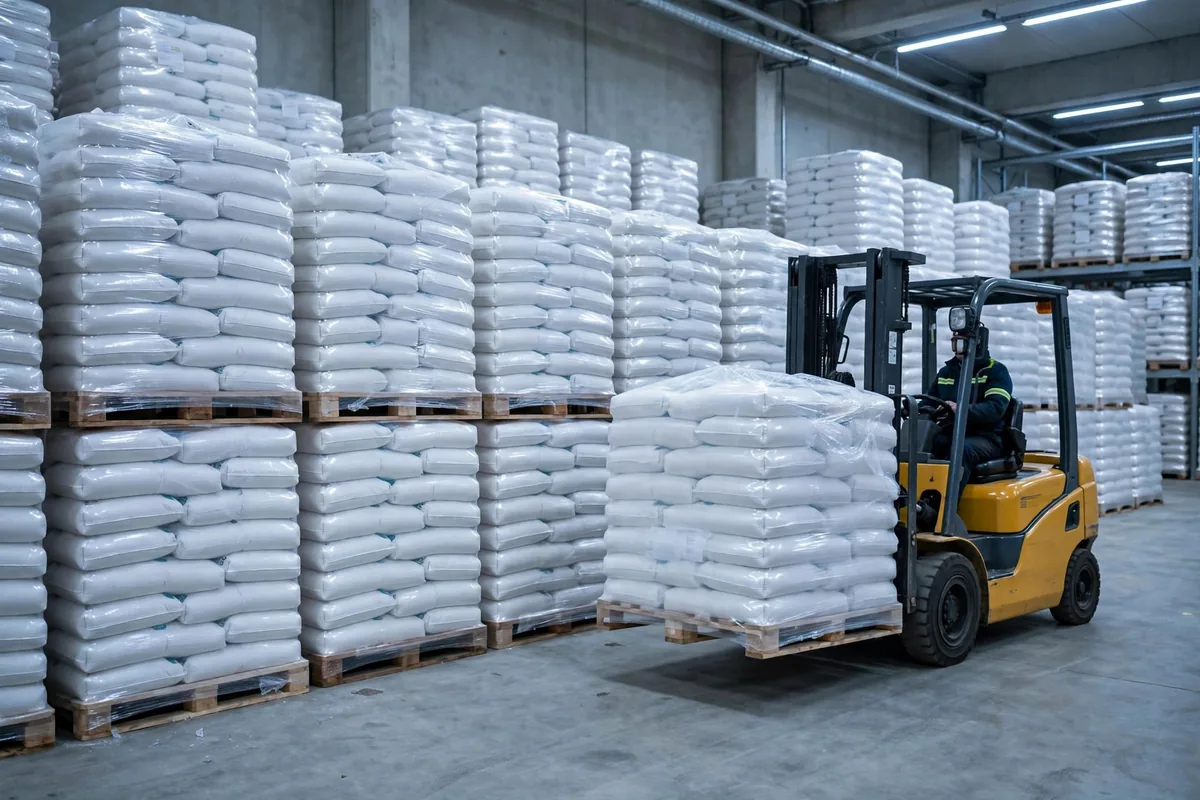
The most common mistake inland shippers make is treating a warehouse as a place to stack boxes. On this corridor, warehouse location decides everything downstream. A warehouse near the origin or consolidation point is where you sort, consolidate, and inspect, catching a bad shipment before it leaves the country. A warehouse near the port is where you do final consolidation, labeling, and buffering before loading. Mix the two jobs into one site and you will do both badly. My blunt advice: until volume is stable, do not build heavy assets at both ends. Rent first, use a third-party warehouse, prove the process, and only then talk about fixed investment. The rent you save by owning early is far less than what one broken chain costs you.
There is a second warehouse question people only learn the hard way: near the port, what you are really buying is not floor space but buffer capacity. Sailing schedules shift. Cargo either arrives early and sits, or misses a sailing and waits for the next one. Without buffer warehousing, the shipper absorbs every change as demurrage and rescheduling cost. With it, at least the cargo sits safely while you wait for the next window. When you rent, do not only ask the price per square meter. Ask whether you can expand temporarily in peak season and how long cargo can sit when a sailing slips. The answers to those two questions matter more than the rate card.
Beira Corridor Border Clearance: Documents Before Wheels Turn
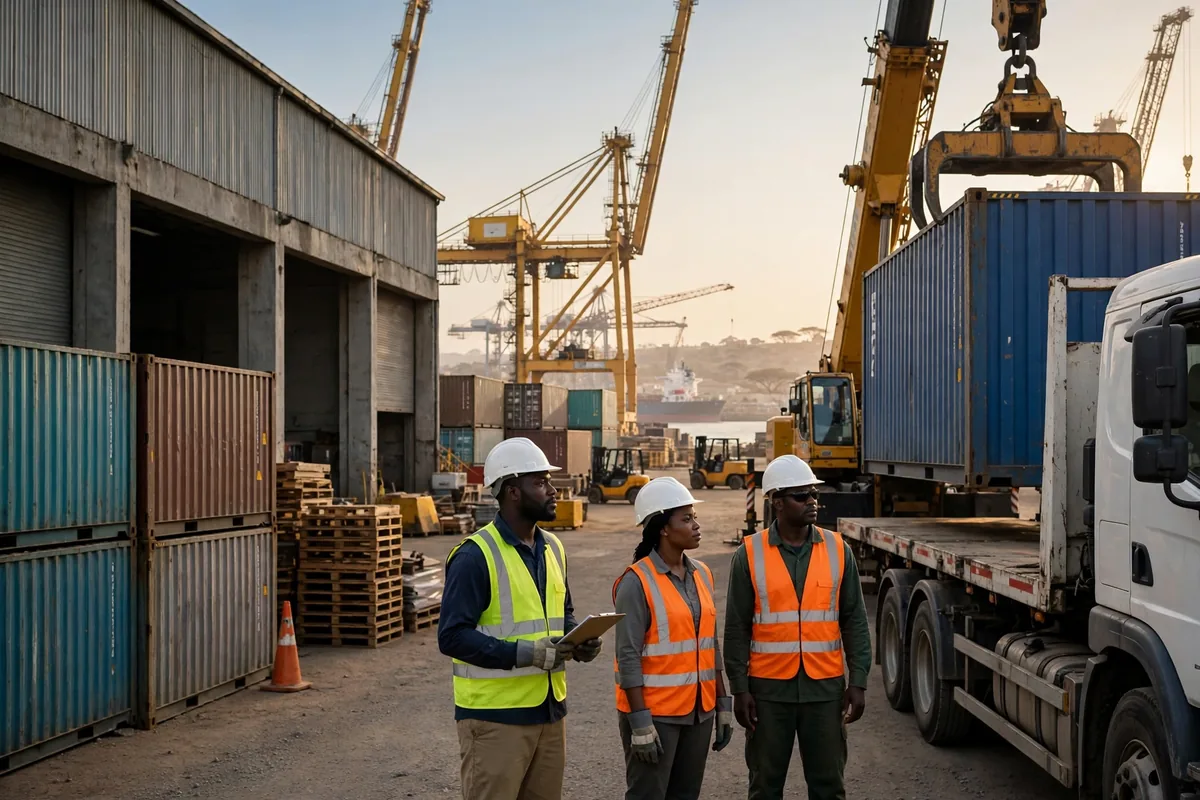
On a corridor that crosses borders, documents, inspection, and release timing are the jugular. Many shippers treat the border as a "we will deal with it when we get there" item, and that is the most expensive kind of optimism. Do it the other way around: align the documents before the truck is loaded, with product descriptions, quantities, and origin consistent on both sides. For categories with a high inspection probability, build inspection time and cost into the plan instead of promising delivery down to the last day. Specific duties, inspection rules, and release timelines must be confirmed against the latest policies of the Mozambican and transit-country customs authorities; no old rate sheet should ever be used to quote a customer. One detail that is easy to miss: working hours, holidays, and system maintenance windows differ on the two sides of a border, so plan on days when both sides are actually working, not on your own calendar.
I will add a second story here because it proves the point from the other direction. Another shipper's cargo was held at inspection because a product description on the documents was vague. The clarification needed cooperation from the origin side, and the back-and-forth took days. The cargo itself was fine; every problem lived on paper. Since then, my one rule for any shipper on a cross-border lane is this: documents are not paperwork you finish after dispatch, they are a gate the shipment must pass before dispatch. Who reviews the documents, to what level of detail, and who has the authority to stop a truck when the review fails — write those three things into the process, and they will save you ten times the phone calls later.
Inland Distribution: No Broken Responsibility
Cargo reaching Beira is only half the journey. The other half is the inland leg: how it moves, who receives it, and who answers when something goes wrong. The inland leg's real enemy is not distance but broken responsibility. One company picks up at the port, another hauls, a third runs the inland warehouse, and when damage or a shortage appears, all three point at each other while the shipper becomes the coordinator. The shippers who survive this are rarely the ones with the thickest contracts; they are the ones who wrote down handover points, photo evidence at transfer, and an escalation timeline before the first load moved. When you select carriers and warehouse partners, do not only compare freight rates. Compare exception handling: what happens when a truck breaks down, who chases a stuck document, how many hours until you are told about damage found at the warehouse. The rate on the quote is dead; exception handling is alive.
There is another side worth saying plainly: this corridor is not only for big shippers. Small, frequent shipments actually need consolidation and shared warehousing more, not less. One shipper cannot fill a container alone, so several shippers with non-conflicting cargo consolidate at a warehouse and ship together, and the per-shipment cost drops immediately. But consolidation has a price: one problem shipment can hold the whole container. So before consolidating, put cargo ownership, document responsibility, and cost sharing for exceptions in writing. Frankly, consolidation runs on trust, not luck.
Two more costs people forget. First, seasonality and weather: inland road conditions and port working rhythms change with the seasons, peak-season warehouse space tightens, trucks get hard to book, and some road sections slow down in the rains. The fix is unglamorous: lock warehouse space and trucking two to three weeks ahead in peak season, and give key customers a week of flex in the delivery promise. Flex looks like a concession; it is actually insurance, because a customer can accept a few days late but not silence. Second, keep a backup lane. Big-volume shippers should keep a secondary route alive with small regular volumes so that when the main lane breaks, the switch is immediate. A backup lane looks like wasted money until the day the main lane breaks, when it pays for itself many times over.
So here is a decision framework you can use directly. Before switching to this corridor, answer four questions. First, is your volume steady enough to support a regular rhythm? Second, is someone owning documents and inspection end to end, not just at the border? Third, is the division of labor between port warehouse and inland warehouse written down, with each segment owned? Fourth, when an exception hits, is there a chain that resolves it without you personally coordinating? If you cannot answer two or more, do not switch yet. Run one or two small shipments end to end first, prove the chain, then scale. The corridor can save inland shippers distance, but whether it saves money and stress depends entirely on whether you treat warehousing, border, and inland distribution as one account, not three separate purchase orders.
A corridor is fixed. Coordination is not. That is what Beira corridor warehouse logistics really comes down to: not the port you pick, but the chain you run, and the extra care you put into coordination is the real freight cost on this lane.
By Lao Mi, Supply Chain Veteran (20 yrs)