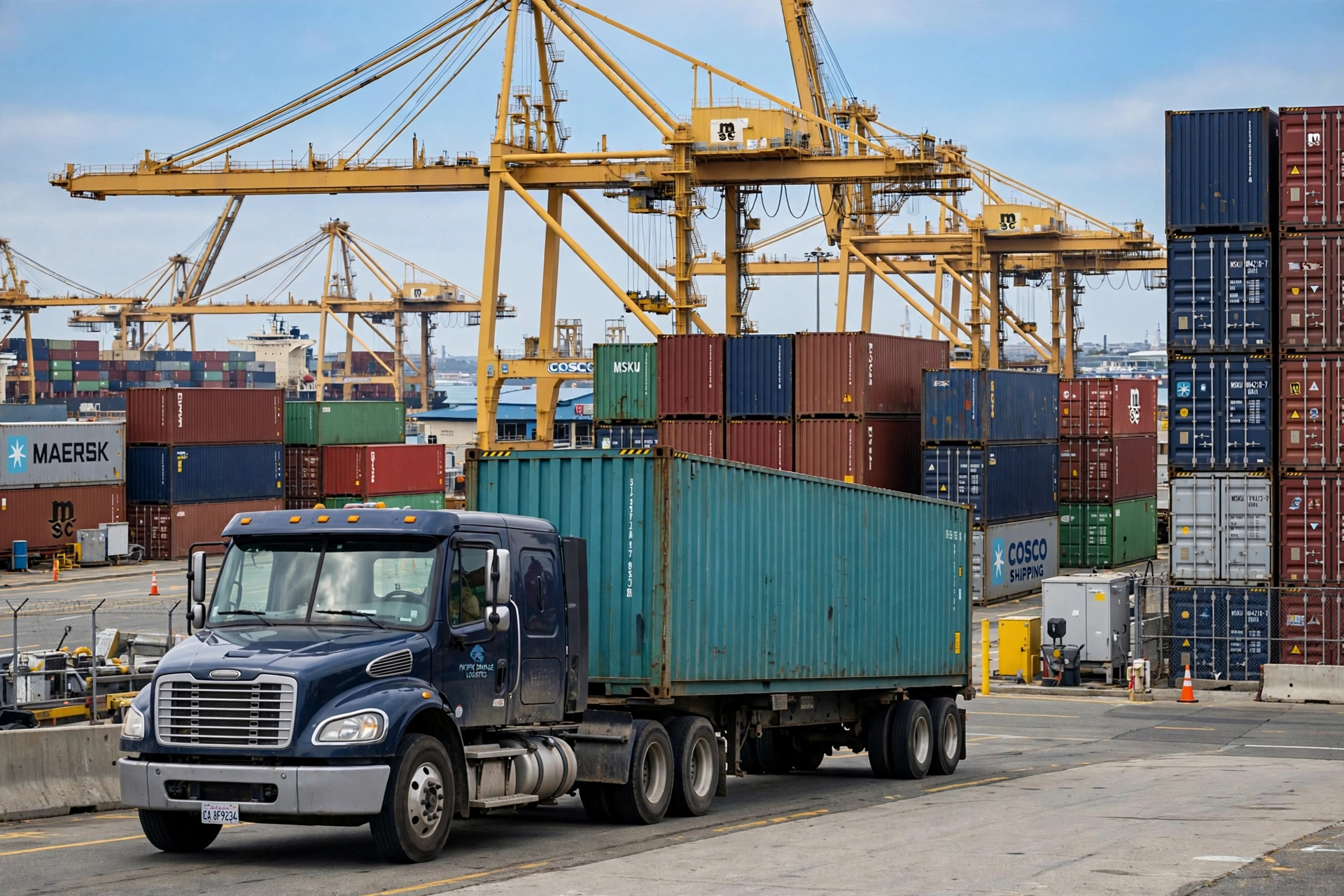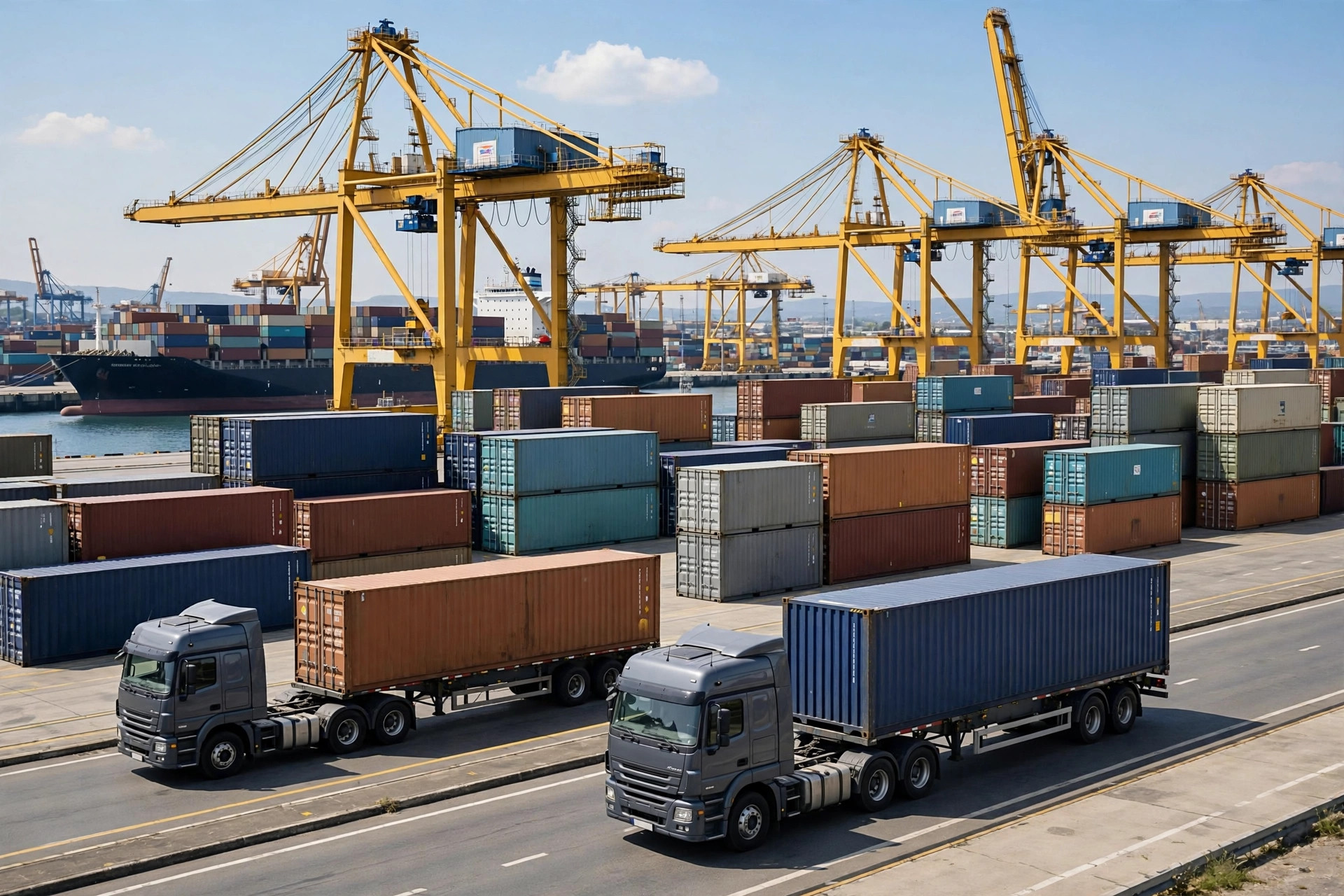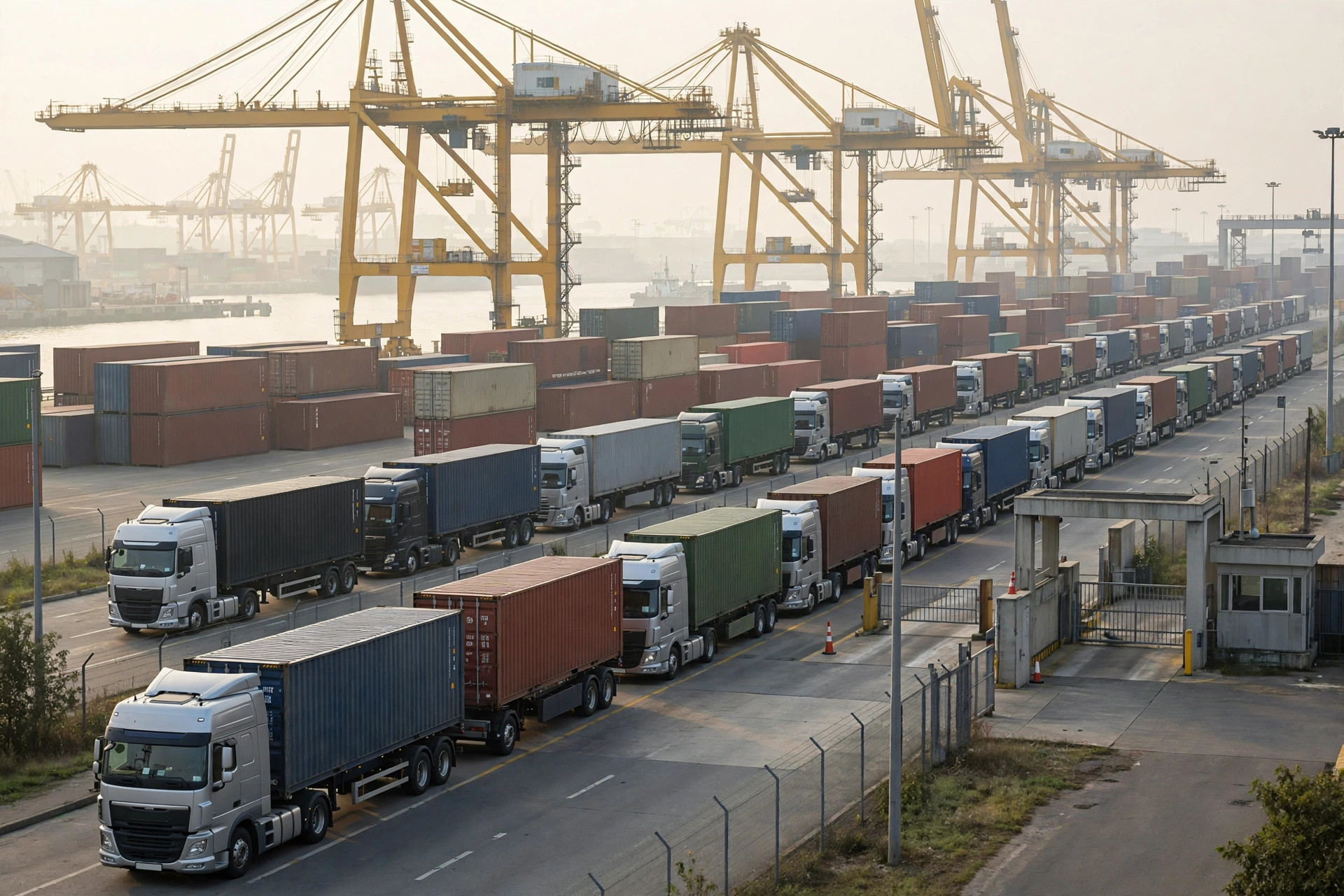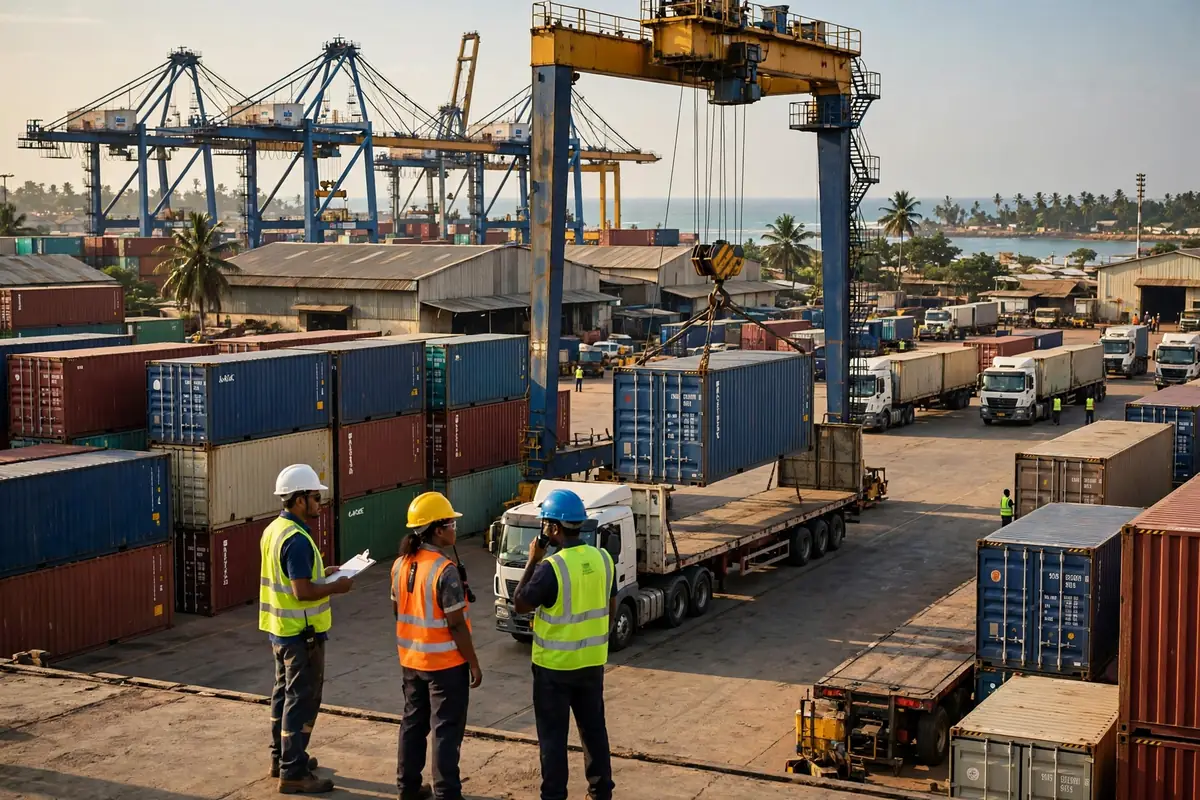
Mombasa port warehouse logistics is won or lost after the ship docks, not while it is still at sea. A container that arrives two days early means nothing if it cannot be pulled from the port, and a warehouse that is ready on paper means nothing if the truck never shows up. My judgment is blunt: on this lane, the port and the warehouse are one operation, and the days between arrival and dispatch are where the money goes.
I have watched too many sellers treat the ocean leg as the whole job. They track the vessel, celebrate when it berths, and only then ask about the warehouse. By then they are already behind: the container needs a pickup slot, the paperwork needs a second look, and the warehouse needs a receiving window and a crew. None of that happens by itself. The trade-off is plain: pay a little attention before arrival, or pay a lot of money after it.
When the boxes sat at Mombasa port while the warehouse waited
A client who sells household goods told me this story in the fall two years ago, and I still use it when someone asks why I insist on planning the port-to-warehouse handoff. He had two containers coming from China and had promised his distributors in Nairobi that the goods would be split and moving within a day of arrival. The ship arrived on schedule. The containers did not move for five days.
Nothing was lost and nothing was seized. The pickup booking had not been lined up in time, the truck arrived at the gate and was told to come back another day, and each change pushed the pickup back by another day. Meanwhile his warehouse outside Nairobi had a six-person receiving team turning up at eight every morning, waiting until midday, and going home with empty bays, idle forklifts, and pick lists printed twice. His distributors called every day. He had no better answer than to explain the same delay again.
On the fifth day both containers finally arrived on the same afternoon. Everything that should have been spread over two days landed at once: unloading, counting, checking, and putaway all competing for the same dock and crew. A one-day job stretched into the following evening. One batch was meant for a weekend market, and that weekend was gone — no second chance, just a missed selling window.
What struck me was that nobody had made a big mistake. The vessel was on time, the documents were broadly in order, and the warehouse team was willing to work. The failure was in the gap between the port and the warehouse: the port side did not know when the warehouse could receive, and the warehouse side did not know when the container would actually leave the port. Each side did its own job well enough, and the client paid for the time in between.
A second client taught me the other side of the same lesson. He moved only three or four containers a month from an inland warehouse, chosen because the rent looked cheap on paper. For routine replenishment it worked well. Then the rainy season hit: a truck was delayed by more than three hours, the receiving window had closed, and the load waited until the next day. One empty run and one rescheduled delivery wiped out the rent he had saved that month. He did not move warehouses. He changed how he used the one he had: routine stock stayed inland, time-sensitive stock went closer to the port, and anything tied to a fixed selling date got a buffer he would once have called wasteful.
Three links that make Mombasa port warehouse logistics work
In my work, the handoff comes down to three links, each simple to describe and easy to get wrong. The first is the arrival forecast. A week before the vessel arrives, the warehouse should already know how many containers are coming, what is inside them, roughly when they can be pulled, and whether anything needs special handling. A forecast is not a message. It has to turn into floor space and labor: which area is cleared, which team is on shift, and how checking will run. The earlier it lands, the more room the warehouse has to move.
The second link is the pickup booking, where the chain most often breaks. A booking is not a rough time of day. It has to line up three things at once: the truck at the port, the unloading window at the warehouse, and the crew that will receive the goods. If the truck arrives and the warehouse is not ready, the truck waits. If the warehouse is ready and the truck is still on the road, the crew waits. My rule is to leave half a day of slack rather than booking everything back to back. Slack looks like waste on a spreadsheet. On this lane it is the only honest allowance for traffic, queues at the gate, and delays that show up without warning.
The third link is the receiving rhythm inside the warehouse. Getting the container out of the port is only the start. The question is whether the warehouse can absorb it at a steady pace. I split receiving into small batches: goods that need to go out first come off first, routine replenishment follows, counts are checked before appearance, and damage or shortage is recorded on the spot rather than discovered after putaway. Two containers arriving on the same day are the classic trap. Unload everything at once and the aisle fills up, the dock clogs, and dispatch slows down. Receiving is not about speed in the first hour. It is about not letting the warehouse be overwhelmed in a single afternoon.
Here is the counterintuitive part: a warehouse closer to the port is not always faster. People assume a portside warehouse wins because the drive is short. That is only half the cost. Portside space tends to be expensive and tight, and when several containers land together there is nowhere to spread out, so the queue simply moves from the port gate to the warehouse door. An inland warehouse is farther away, but it often has room to work, so a truck that arrives can unload straight away and leave. Speed here is not measured in kilometres. It is measured in whether the port, the truck, and the warehouse all arrive at the same time.
Portside warehouse or inland warehouse?
| Portside warehouse | Inland warehouse | |
|---|---|---|
| Strength | Short haul from the port, fast to start unloading, good for urgent dispatch | Lower rent, more space, calmer operation, good for routine replenishment |
| Cost | Higher rent, tight space, easy to clog when containers arrive together | Longer haul, more road risk, one empty run costs real money |
| Best for | Concentrated volume, tight deadlines, fast split to downstream buyers | Steady volume, flexible deadlines, sellers watching warehouse cost |
| Biggest fear | Several containers landing on the same day and overwhelming the dock | A late truck missing the receiving window and slipping to the next day |
There is no right answer in that table, only a trade-off to choose with your eyes open. Cost three things together, not just rent: a day stuck at the port, an empty truck run, and one rescheduled booking. A day stuck at the port means storage and demurrage building up while downstream buyers wait. An empty run means the truck is paid for, the crew has waited for nothing, and the receiving window has to be booked again. A rescheduled booking looks like a small change of time, but it moves the truck, the warehouse, and the distributor all at once, and one change tends to cause the next. Taken one at a time, none of these looks large. Together, they often cost more than a month of rent saved by choosing the cheaper warehouse. For exact rates, go by the latest local quotes.
On customs and local rules, I will say only this: go by the latest local requirements. The documents and charges in Kenya can change, and different product types carry different requirements. Prepare the paperwork early and check it before the ship arrives. Fixing a document after arrival can cost a whole pickup window.
Before your next shipment sails, write the arrival forecast, the pickup booking, and the warehouse receiving plan on one page, and get the port contact, the transporter, and the warehouse to each own their time on it. If a time does not line up, change it then, not after the ship has docked. Mombasa is not a difficult lane. It punishes anyone who plans to figure it out on arrival.
By Lao Mi, Supply Chain Veteran (20 yrs)