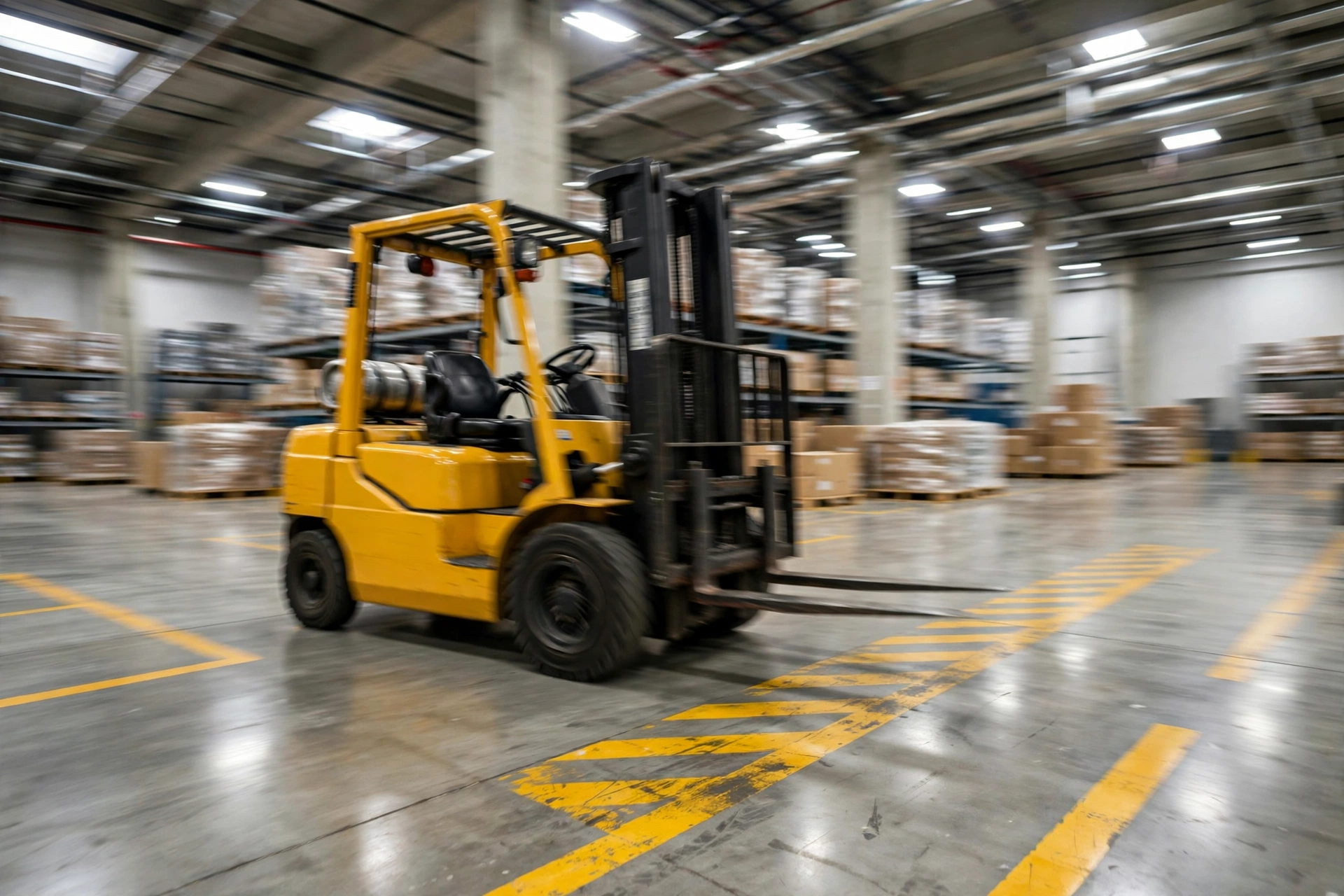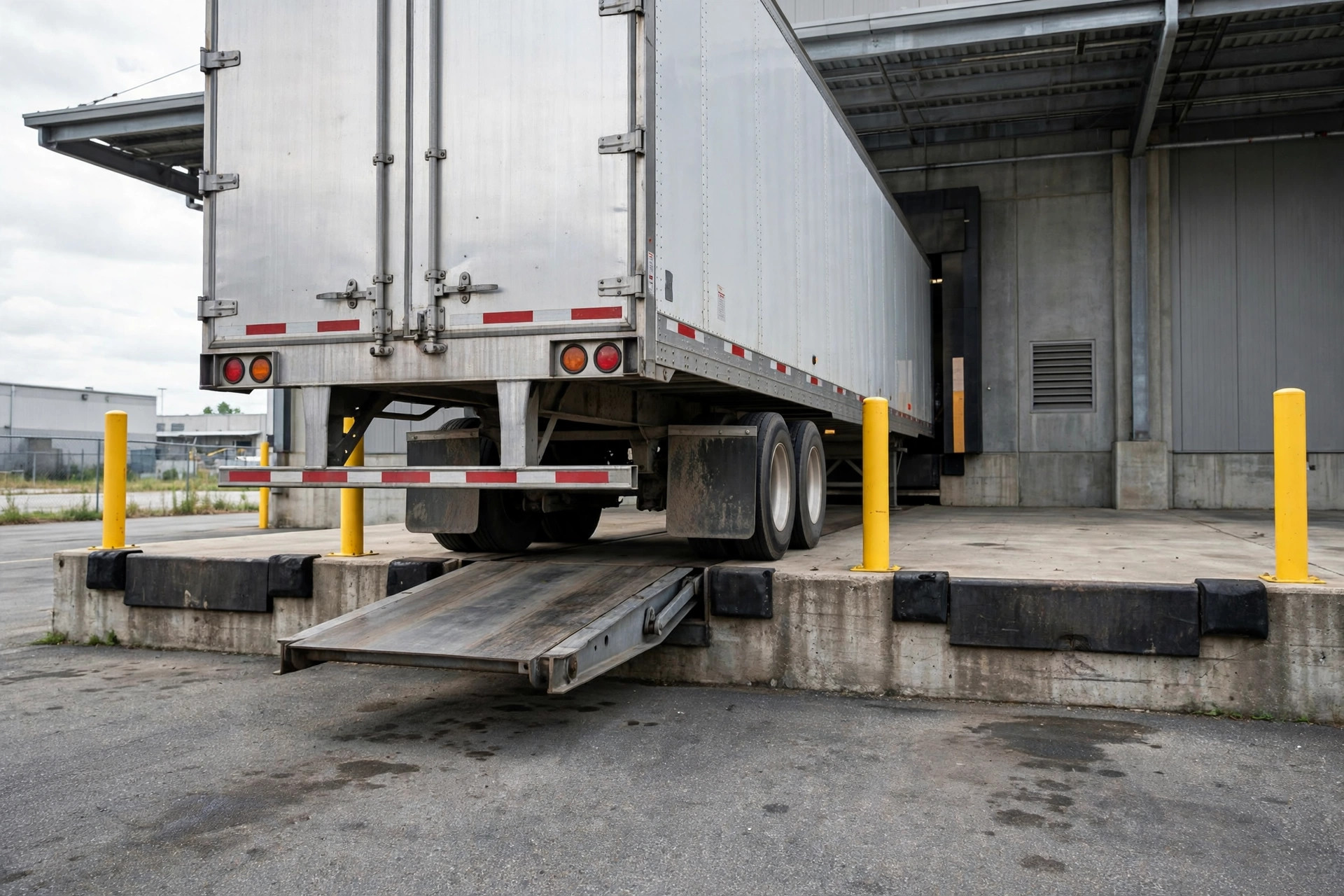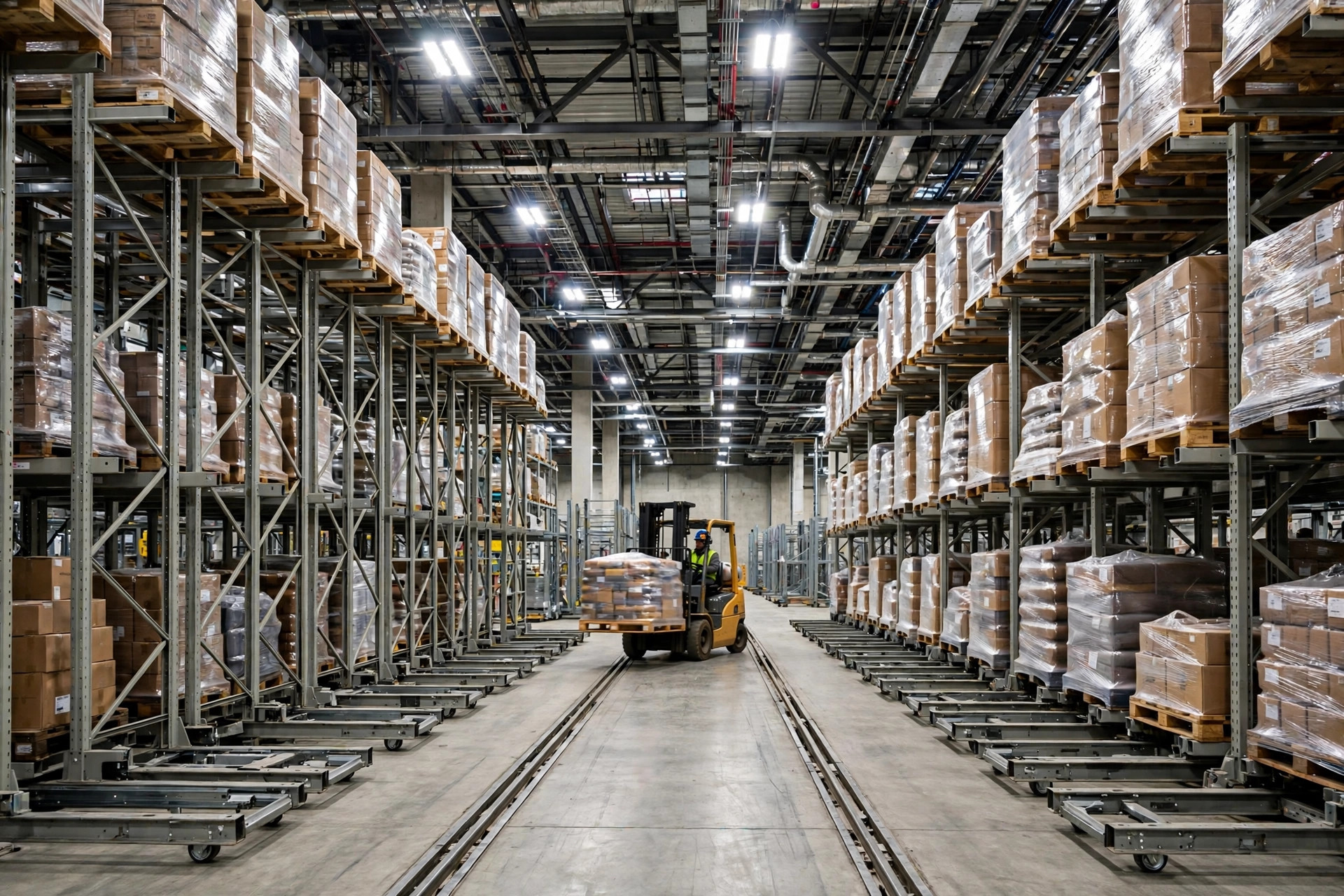
A 3,000-square-meter cold storage facility in Suzhou: we cut the racking area from eight aisles down to two, and pallet positions jumped from just over 4,000 to 6,600. Real numbers from a food cold-storage project I worked on in 2022. Looks great on paper — but the complaint I heard most over the next three years came from the forklift drivers: "Waiting on the aisle again." It takes the better part of a minute to open a 1.2-meter aisle. That's mobile racking in a nutshell: first-class at saving floor space, and it charges you in throughput.
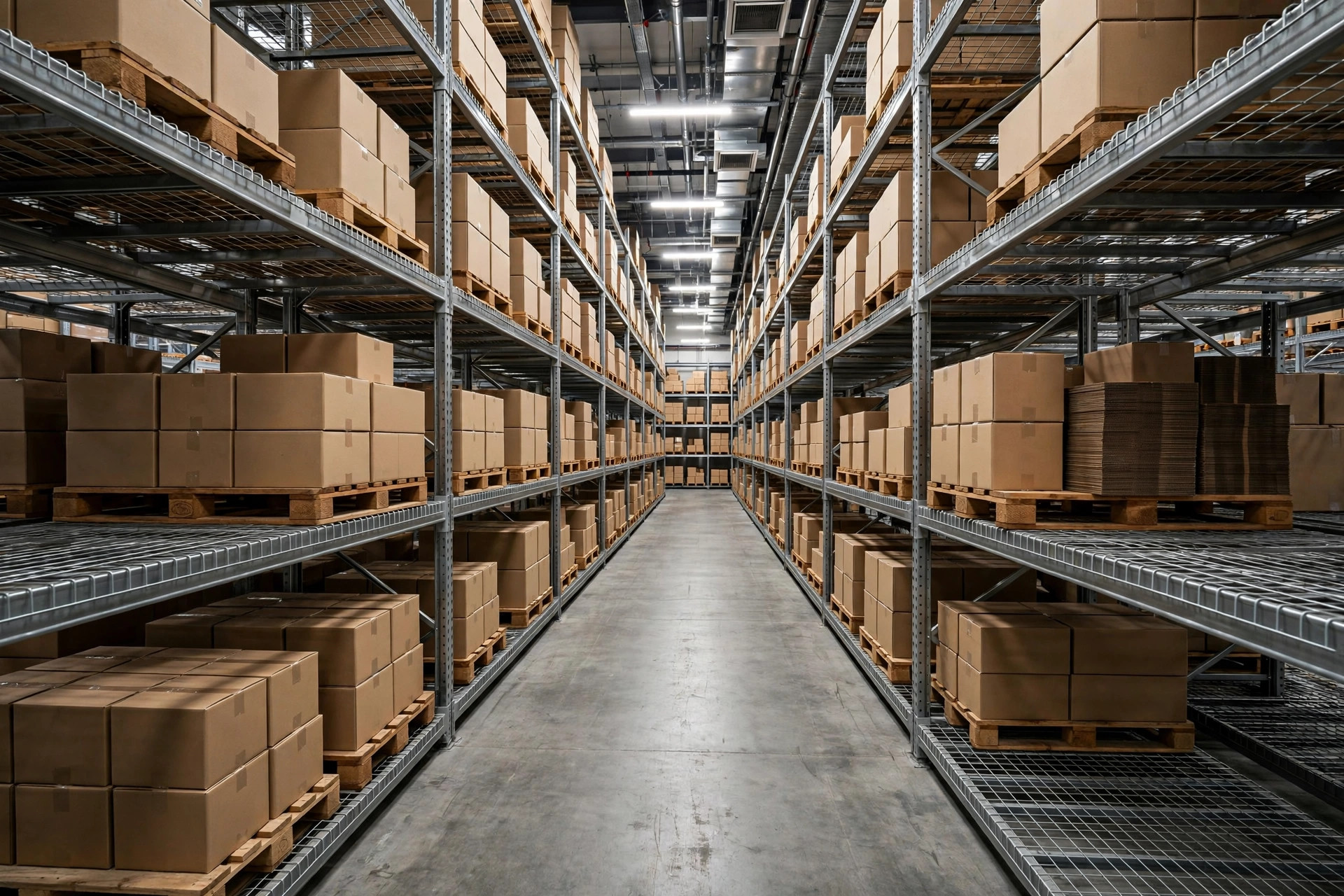
Think of it as library compact shelving, scaled up to forklift size. In a conventional selective racking layout, you leave a fixed aisle between every two rows of racks — ten rows means nine aisles. Mobile racking mounts entire rack rows on motor-driven bases that travel on rails embedded in the floor. When you need access to a lane, the two adjacent rows part and "open" an aisle; the rest stay pressed together. N rows of racks share just one (or two) working aisles. Every aisle you delete becomes pallet positions.
What makes mobile racking run: rails, floor slab, and motors
Three things, and all three are unforgiving.
First, the rails and the slab. Mobile racking has the strictest floor requirements of any racking type. The rails are embedded in the concrete; tens of tonnes of racks plus pallets ride on them. A few millimeters of slab settlement and the rails go out of alignment — drive wheels chew the rail, motors overload, and the whole row sits down. This is also where the nastiest maintenance surprises live: the slab has to be right on day one, because fixing settlement after the fact is a nightmare.
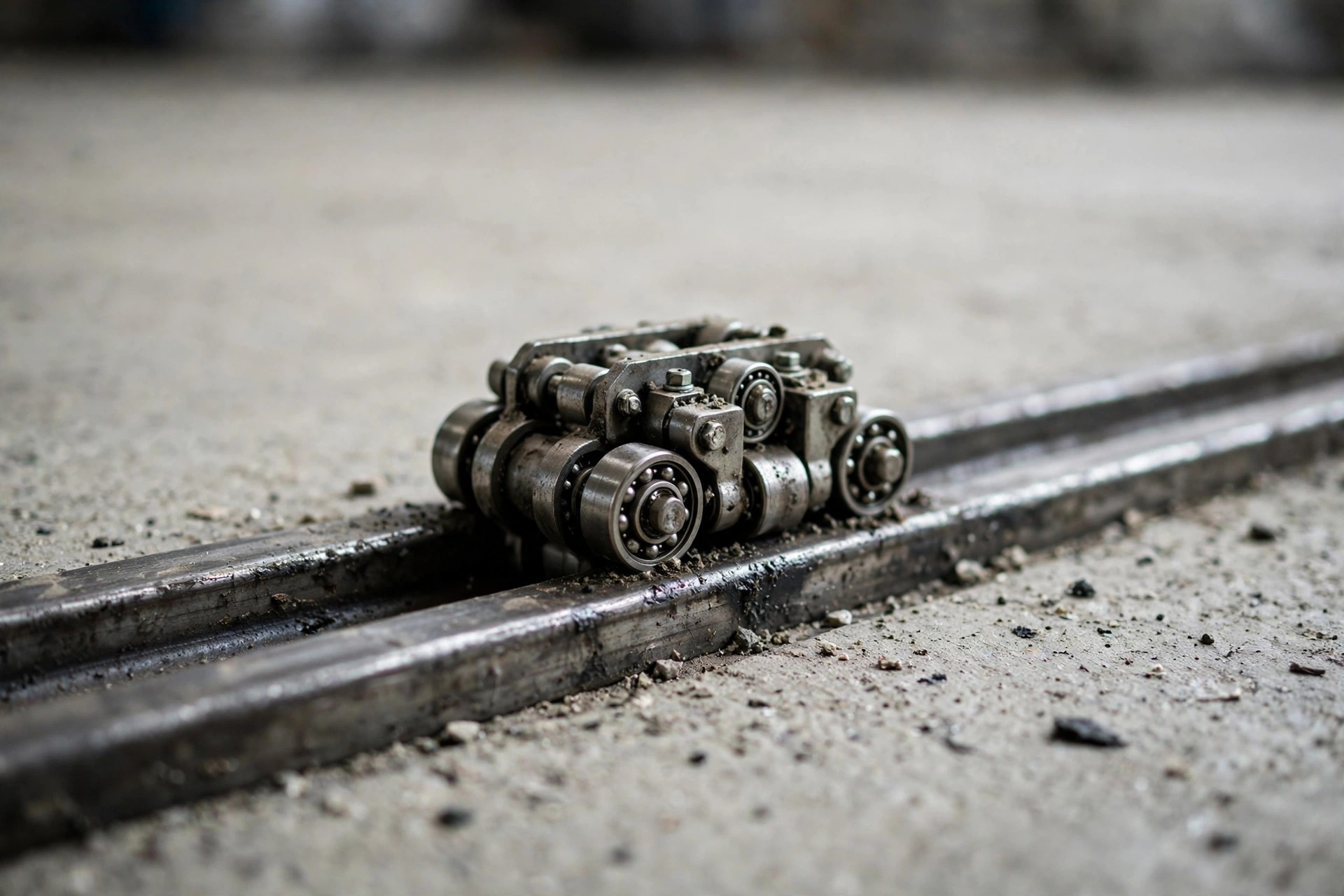
Second, the drive. Each base carries a motor and gearbox. Travel speed is typically 2–3 meters per minute. That sounds slow until you remember a fully loaded row can weigh tens of tonnes — that speed is the safe ceiling. Opening a 1.2-meter aisle at 2.5 m/min takes about 30 seconds; add soft start/stop ramps and safety confirmation, and 40–60 seconds per opening cycle is normal. Treat it like an elevator door: you press the button, and you wait.
Third, safety. When racks close together, there may be people between them. Mobile racking is required to have safety systems: photoelectric sensors along the aisle, emergency pull cords or stop buttons, and in some installations, in-aisle personnel detection. If a person is still in the aisle while racks are closing, everything must stop immediately. This safety logic has to talk to the WMS: when the WMS dispatches a pick task, it must first send an "open aisle" command to the racking controller and get confirmation before the forklift enters. Skip the integration and your drivers end up shouting over the radio — or just standing around waiting.
The selection boundary: when mobile racking earns its place
There are only a handful of high-density options, and the dividing lines are clear if you look at two dimensions: number of SKUs, and throughput per SKU.
| Mobile racking | Drive-in | Shuttle (pallet shuttle) | VNA (very narrow aisle) | |
|---|---|---|---|---|
| Aisles | 1–2 shared across N rows | Dedicated, but LIFO | Shuttle runs the lane | One narrow aisle per lane |
| Selectivity | 100%, every pallet reachable | Poor — one SKU per lane | 100% | 100% |
| Throughput | Low (aisle opening takes time) | Medium | High | High |
| Best fit | Many SKUs, slow movers | Few SKUs, big volumes | Few SKUs, fast in/out | Many SKUs, fast in/out |
| Typical use | Cold storage, spare parts | Beverages, paper, bulk goods | FMCG distribution centers | E-commerce, high-turnover 3PL |
The boundary in one sentence: lots of SKUs, each moving slowly, but you need 100% selectivity — that's mobile racking's territory. Cold storage is the textbook case: thousands of SKUs, most moving a few pallets a week, but strict FIFO is non-negotiable, which rules drive-in (LIFO) out on the spot. Spare-parts warehouses are the same story.
And I've seen the fake use cases too. In 2023 an auto-parts distributor came to me sold on "halving the aisles." I asked one question: daily throughput? Over 400 pallets a day. That's not saving aisles — that's building a queue for your forklift fleet. One aisle can only serve one task at a time; at 400 pallets a day, the aisle-opening wait alone would gridlock the peak shift. They went with VNA. Mobile racking saves space, not time. Once throughput gets serious, it becomes the bottleneck itself.
Here's the counterintuitive part: mobile racking pays best in cold storage and can be a losing bet in ambient warehouses. The reason is arithmetic: building a cold store costs several times more per square meter than an ambient one, and so does the annual refrigeration bill — every square meter you reclaim is worth real money. In an ambient warehouse with cheap rent, the extra spend on drive systems, rail-grade slabs, and maintenance can easily exceed what you save in rent. Run the numbers on your own land cost and throughput; don't copy someone else's.
Mobile racking maintenance traps: get the slab right once, don't cheap out on motors
Trap one is the slab, already covered — plus one detail: slab expansion joints and drainage slopes in the rail zone must be fixed at design stage. I saw a project where the floor had a 3‰ drainage slope; the rails followed the slope, the racks wouldn't hold position, and the motors were permanently fighting gravity on the brake. A gearbox died in two years. For mobile racking, slab flatness is specified in millimeters, and the concrete contractor has to sign up to it.
Trap two is motor and gearbox sizing. Some integrators shave the price with undersized motors that can "technically" move the row — running overloaded every day, the motor's life drops from a designed 10 years to 3. At acceptance, don't just check that it moves. Run 20 full open-close cycles at full load and check the motor temperature rise. Abnormal heat means it's undersized — make them swap it on the spot.
Trap three is dust and debris. A pallet splinter or a strap caught in the rail channel: the drive wheel rides over it, best case a trip fault, worst case a chewed rail. Someone has to clean the rails on a schedule. It looks like a menial job, but well over half of unplanned mobile-racking downtime comes from rail debris.
And the money question. Whether it's worth it comes down to one number: per pallet position per year, take the warehouse cost you saved and subtract the extra equipment amortization plus the efficiency loss — positive or negative? In cold storage that number is usually positive by a mile: the refrigeration and construction savings dwarf the equipment cost. In ambient warehouses, plug in your local rent and your daily pallet throughput first. If it goes negative, walk away. There is no silver bullet in high-density storage — only arithmetic you did or didn't do.
By Da Liu, Automation Engineer