Let me tell you something after all these years on the road: the most delicate cargo I have ever hauled was not fruit. It was oil. Mexico avocado oil export warehouse storage looks simple from the outside — a few steel drums, a shed, a truck — but oil does not forgive sloppy storage. It does not mind bumps. It minds light, heat, and air. One good batch ruined in a warehouse wipes out everything the press plant did right.
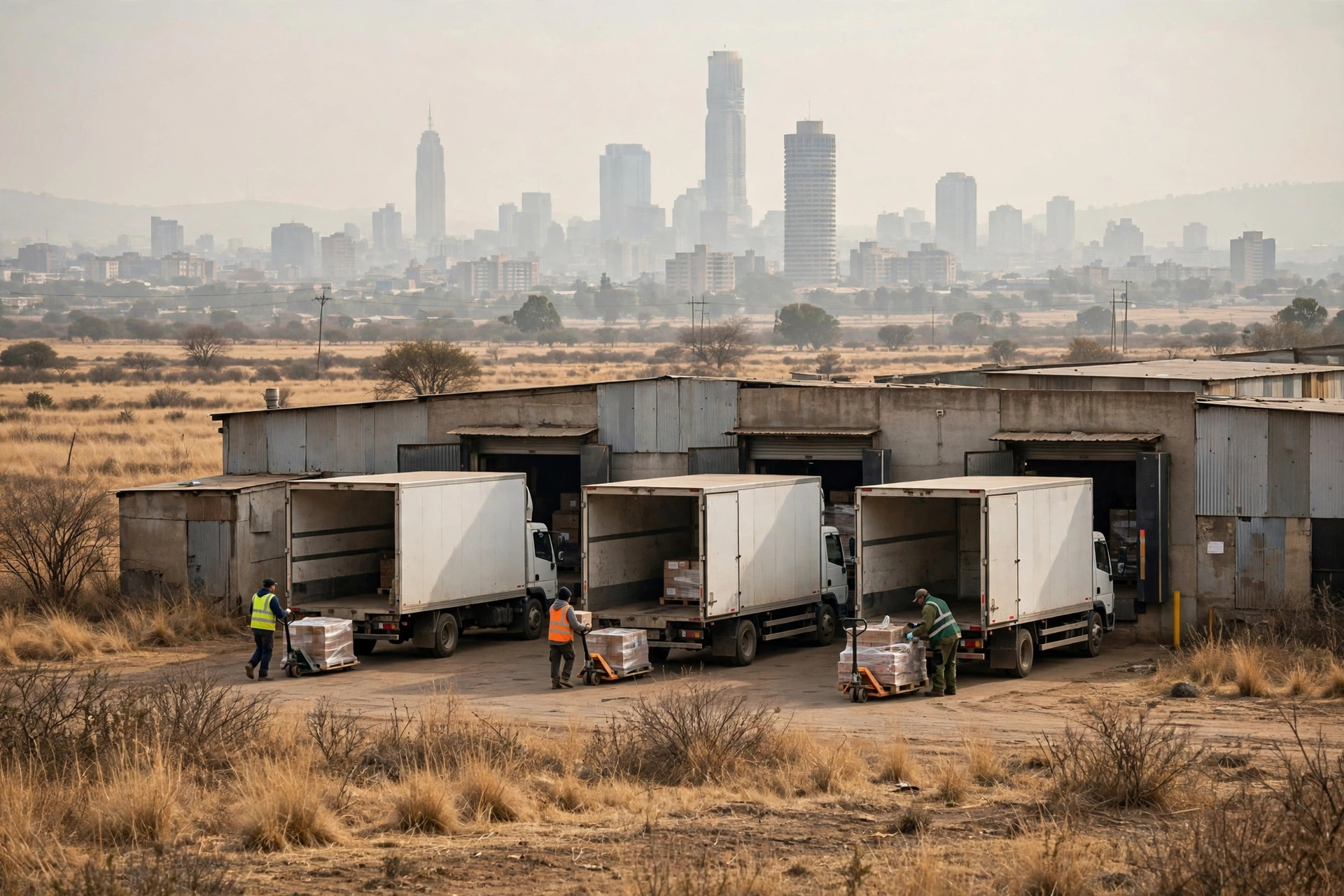
One autumn afternoon a couple of years back, I was waiting to load at a small press plant in Michoacan. The yard had a row of stainless tanks, and workers were filling 200-liter drums with fresh-pressed oil. The plant manager told me the batch was bound for a buyer in the United States, a nice contract. But as I walked the yard, something felt off: the filled drums were stacked on an open dock under the highland sun, the steel too hot to rest a hand on. I asked the manager whether the drums should go inside. He waved it off — the trucks were coming that afternoon, a few hours in the sun would not matter. The trucks ran late. The drums sat out there three extra hours. I am no lab technician and I cannot smell oxidation, but any driver knows the rule: oil going downhill in quality is quiet, and by the time the buyer tests it, the argument about whose fault it was has already started.
That is the whole point of this article. The warehouse ledger for oil is not just rent and freight. It is the risk of the oil going bad while it sits. For Mexico avocado oil export warehouse storage, the math comes down to two bills: the light bill and the temperature bill. Get those wrong, and every dollar saved up front gets paid back later.
Mexico Avocado Oil Export Warehouse Storage: Light and Heat Are the Enemies
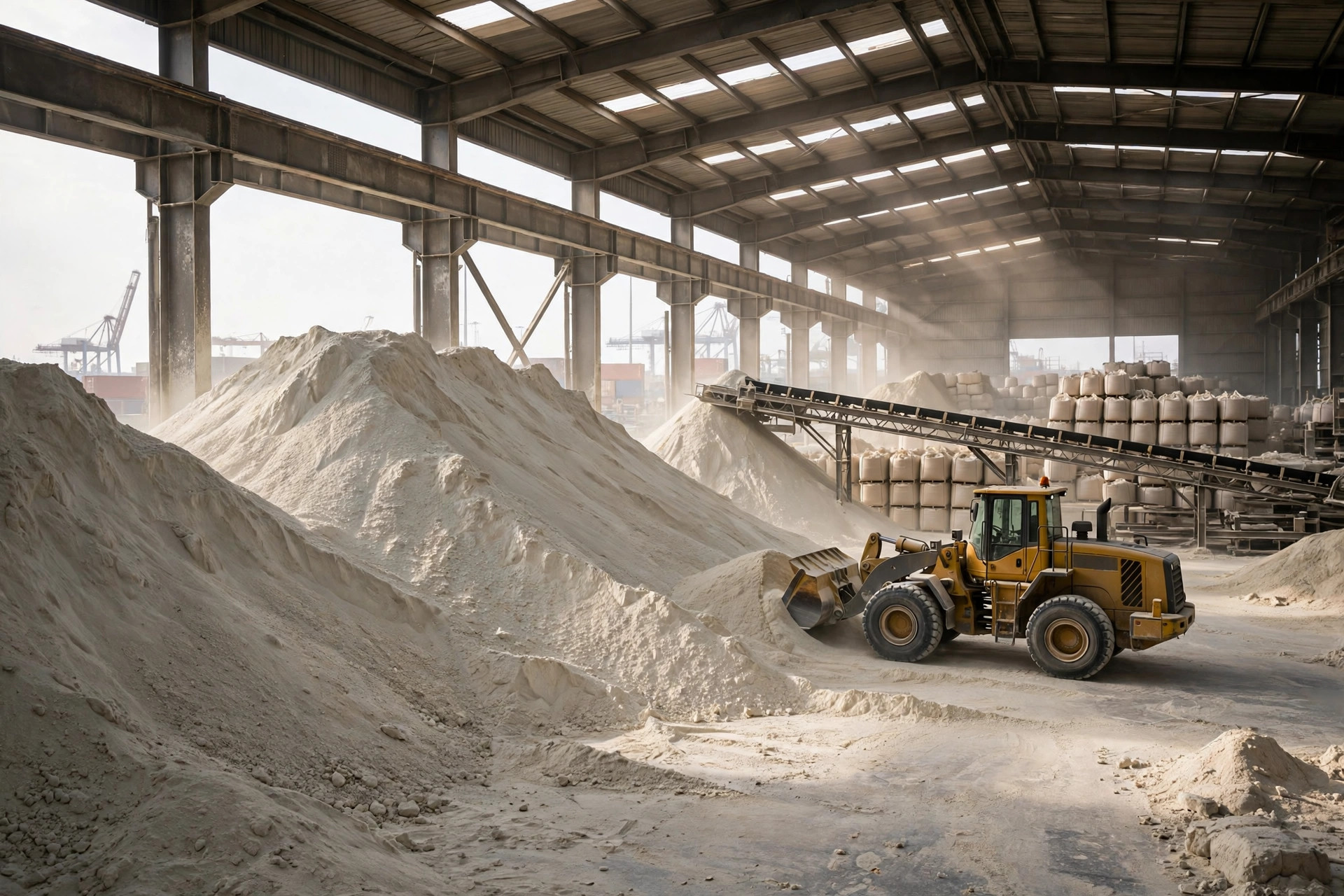
Light is enemy number one. Clear containers, light-colored drums, and open-air stacking all invite it in. Oil straight from the press belongs in dark drums or stainless tanks, lids torqued tight, stored where direct sunlight never reaches. Block the warehouse windows if you can, and do not leave the lights burning over the drum area all day — a drum under a lamp all day and a drum under the sun are the same problem at different speeds.
Heat is enemy number two. Inland Mexico runs hot in the daytime, and a border warehouse can swing wide between day and night. A drum heats up by day and cools off at night, expanding and contracting, and that breathing works the lid seal loose. Once the seal loosens, air gets in, and oxidation starts. That is why the most important tool in an oil warehouse is not the forklift. It is the thermometer. Take readings three times a day — morning, midday, evening — and if the room runs past the limit the plant set, do something about it: shade, ventilation, move the drums to the north side. Do not just tough it out.
One detail people overlook: never set drums straight on the floor. Ground moisture and a bit of rainwater creeping in will rust the drum bottoms, and a rusted seam can condemn a whole drum. Raise them one pallet high. It costs almost nothing, and it saves entire batches.
The Route: Mexico Avocado Oil Export Storage from Press Plant to Border Warehouse
A drum's trip north usually runs in three legs. The first leg is at the press plant: oil goes from tank to drum, the batch number goes on the label, and the drum waits indoors for the truck. The most common failure here is waiting outdoors — the plant's shed is small, so drums end up stacked in the yard. My advice to shippers is one sentence: better to keep the truck waiting half a day at the gate than to keep the drums baking half a day in the sun. A truck waiting is cheap. Ruined oil is not.
The second leg is the road. A tarp on a border-bound truck has to be pulled tight, and on a summer midday, do not park in an open lot with no shade if you can avoid it. I have seen drivers cover only half the load to save time, leaving a few drums to bake all the way to the border. By the time they reached the warehouse, the steel was too hot to touch. A warehouse might accept that load, but the buyer might not.
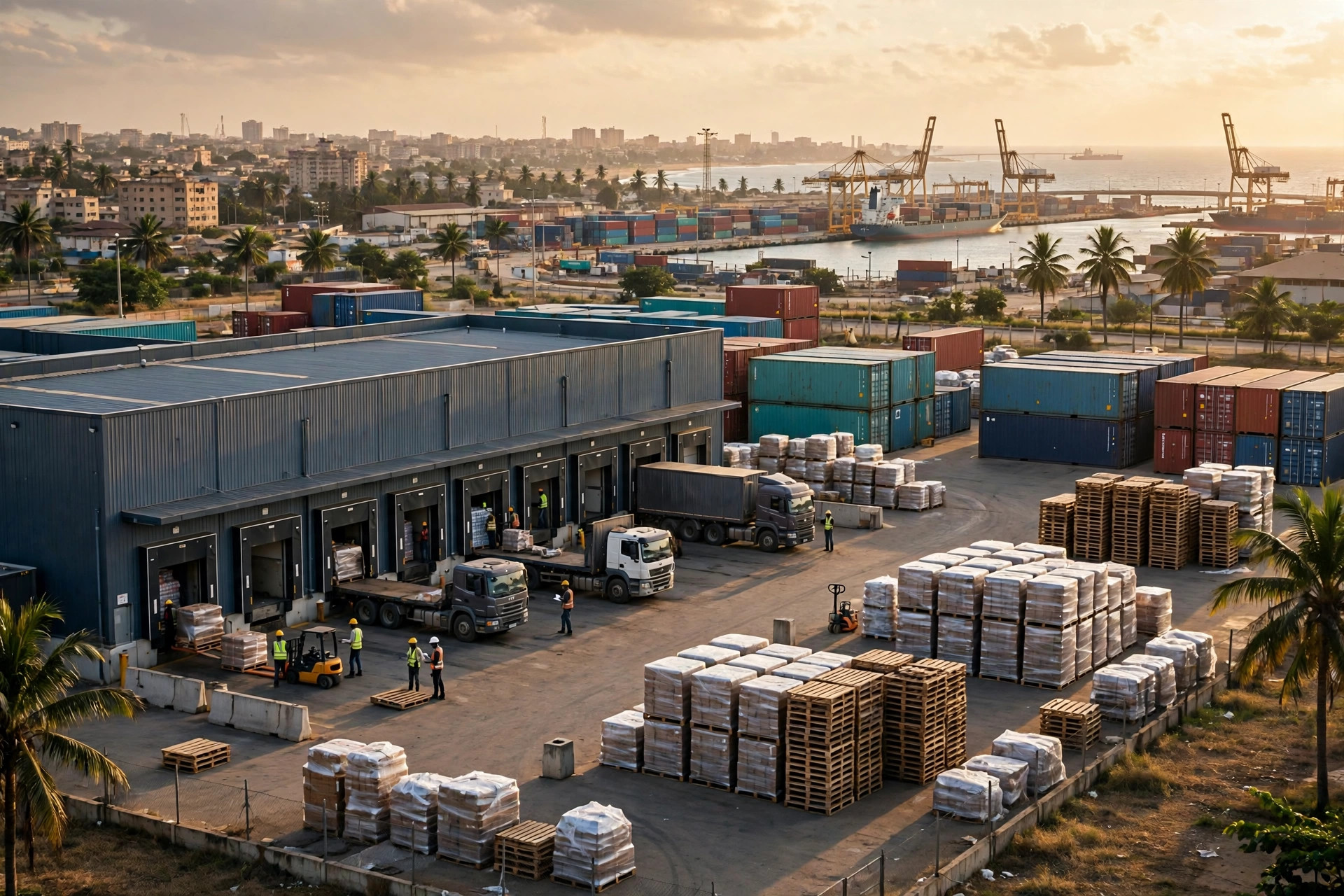
The third leg is the border warehouse. Many U.S. buyers hold oil there while clearance and split-shipment paperwork runs its course. One border warehouse I have worked with had a tin roof, and on summer middays the inside ran far hotter than any shaded spot. Later they added roof shading, moved the oil section to the north wall, and fenced the drums off from the general cargo. That is the right way to do it: oil gets its own zone, its own temperature log, and if something goes wrong you can trace it to a batch, a set of days, a row of racks.
On the paperwork side, one caution: export documents, labels, and batch records vary by buyer. I am a driver, not a broker, and I do not speak for shippers on this — go by the latest official guidance and the buyer's contract, not by roadside rumors.
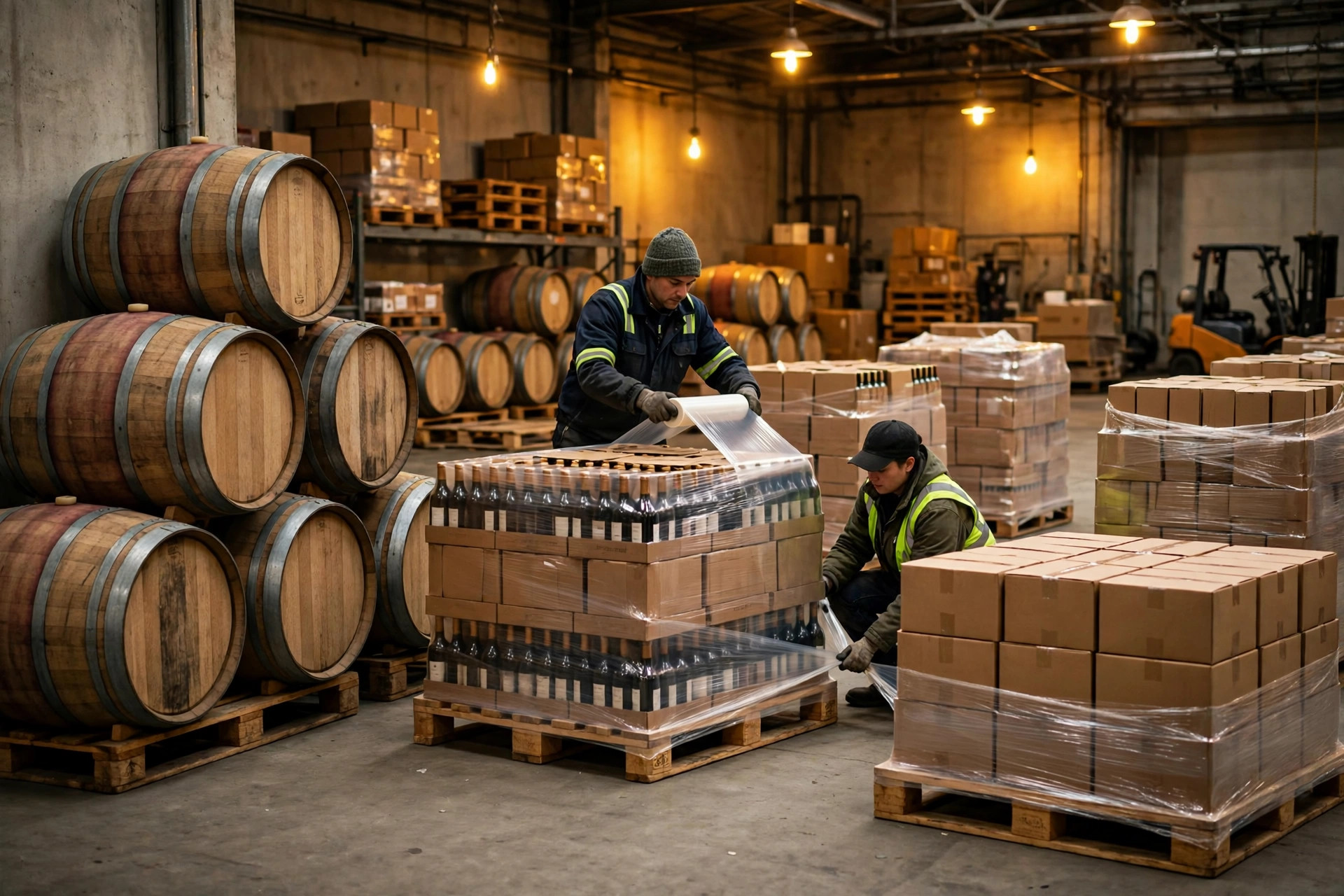
And do not skip the receiving check. When drums arrive, look at three things before signing anything: are the lids tight, is there sun discoloration or dents on the steel, and do the batch numbers match the paperwork? If anything is off, write it down and photograph it on the spot. Once the truck has left and the buyer finds the problem, nobody can prove which leg caused it, and winning that argument still costs you the time.
Doing the Math: What Light and Temperature Control Actually Costs
Take one border warehouse as an example — its own numbers, not an industry statistic. Setting the oil zone apart cost them money in three places: roof shading and ventilation work, pallets to raise the drums, and the labor of three temperature readings a day. Added up, the oil zone's monthly extra cost ran noticeably above a general cargo zone. Sounds like spending more. Now flip it around:
| Where the money goes | What risk it buys off |
|---|---|
| Dark drums, tight lids | Less light and air getting in, slower oxidation |
| Shade, ventilation, north-side racks | Drum temperature stays under control, seals stay tight |
| Pallets under the drums, moisture protection | No rusted bottoms, no whole-drum write-offs |
| Three temperature readings a day, on paper | A traceable record when a batch goes bad |
Here is the counterintuitive part, and it is the heart of the article: most people think the biggest cost of Mexico avocado oil export warehouse storage is rent. It is not. The biggest cost is not knowing what the oil went through while it sat. With no temperature record, a spoiled batch turns into a three-way argument between shipper, warehouse, and carrier — and even the winner loses the time.
Advice for Shippers and Warehouses
Fifteen years on the road leaves you with a couple of lines for each side. For shippers: before you ship oil, go see the warehouse yourself. Look at where the drums sit, whether the sun hits them, whether anyone writes down temperatures. Do not judge a warehouse by the rent figure on the quote alone. For warehouses: before you take oil cargo, ask yourself three questions — does direct sunlight reach the drum area, does anyone record temperatures every day, and can the oil sit in its own separated zone? If you can answer all three, take the job. If you cannot, turn it down rather than practicing on somebody else's oil.
There is an old saying among drivers: oil is liquid gold, and the sun is a thief. In this business, slow is fast. Get the two small things right — keep it dark, keep it cool — and the oil that reaches the buyer still tastes like the oil that left the press plant. That is when the deal is really done.
By Shifu Zhao, Trucking Veteran (15 yrs)