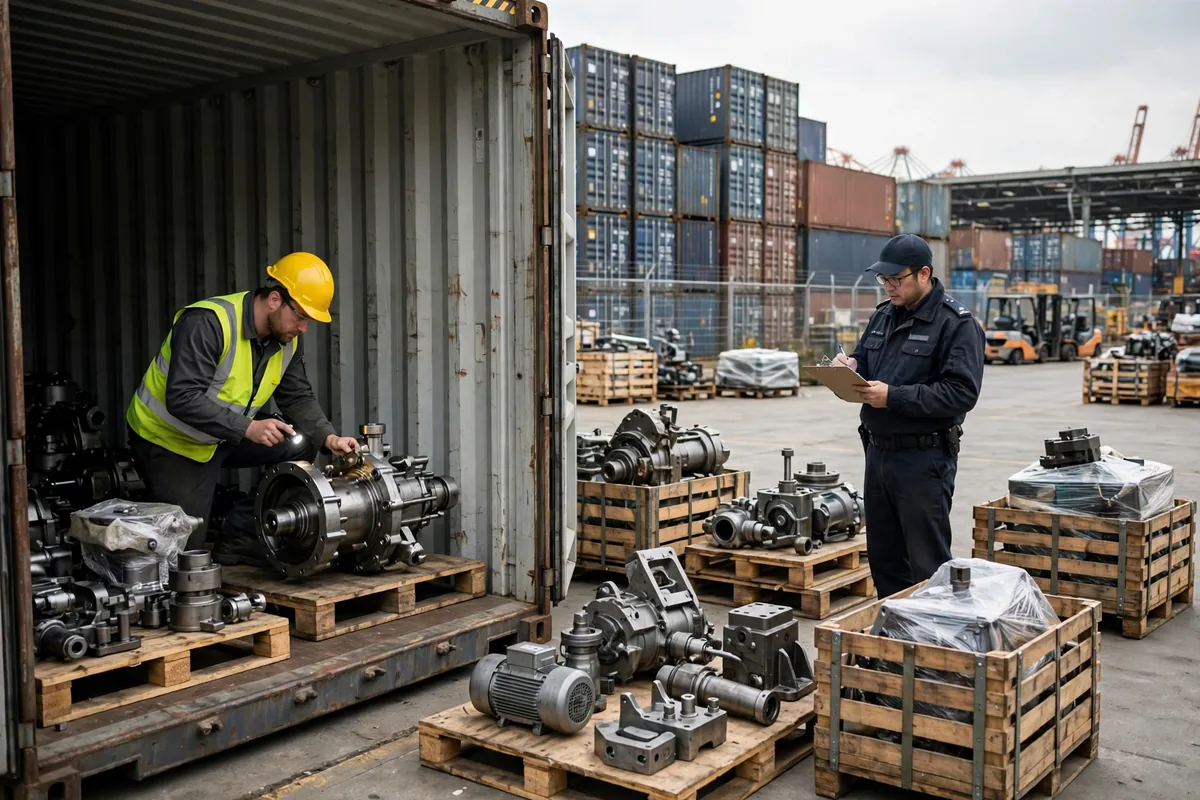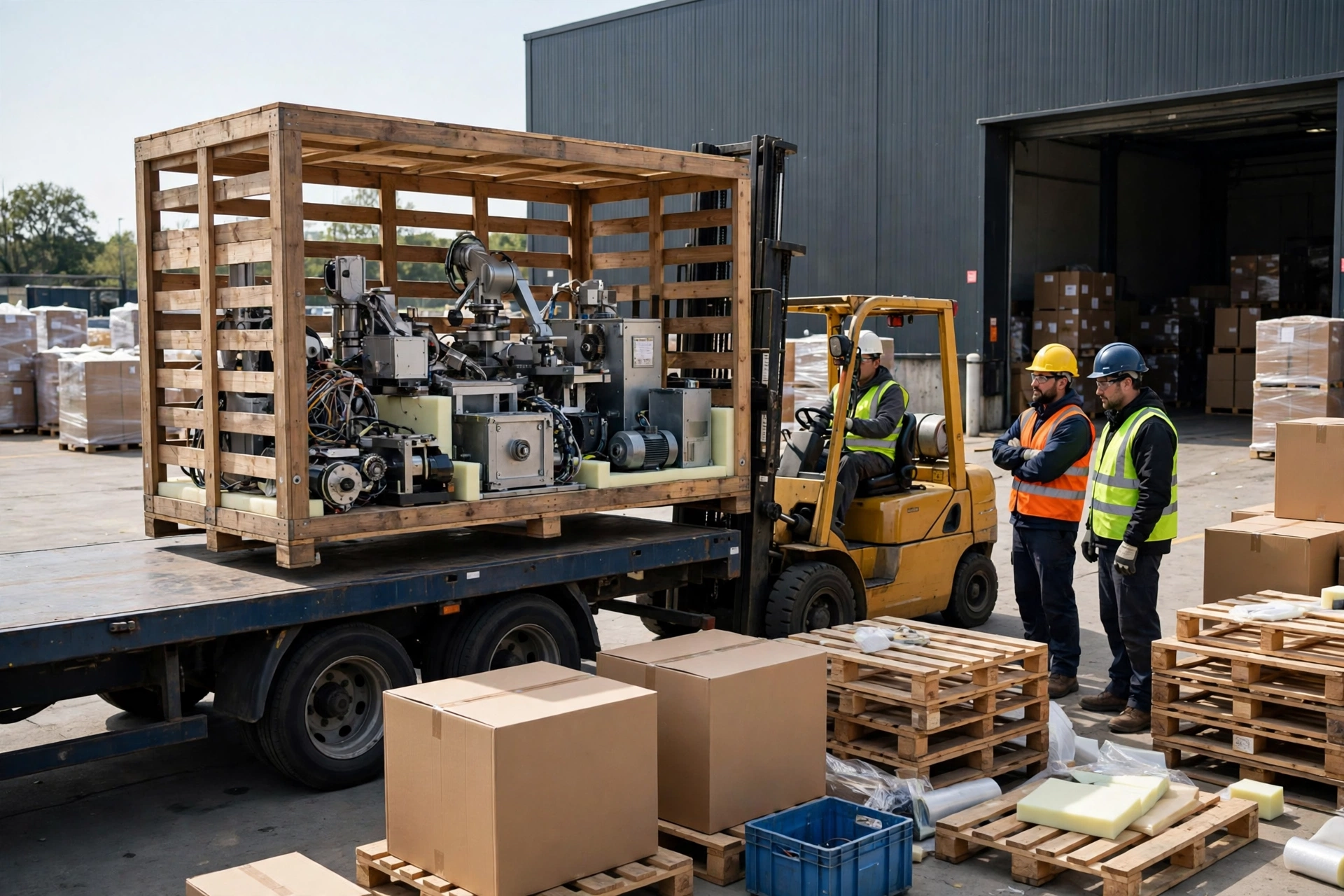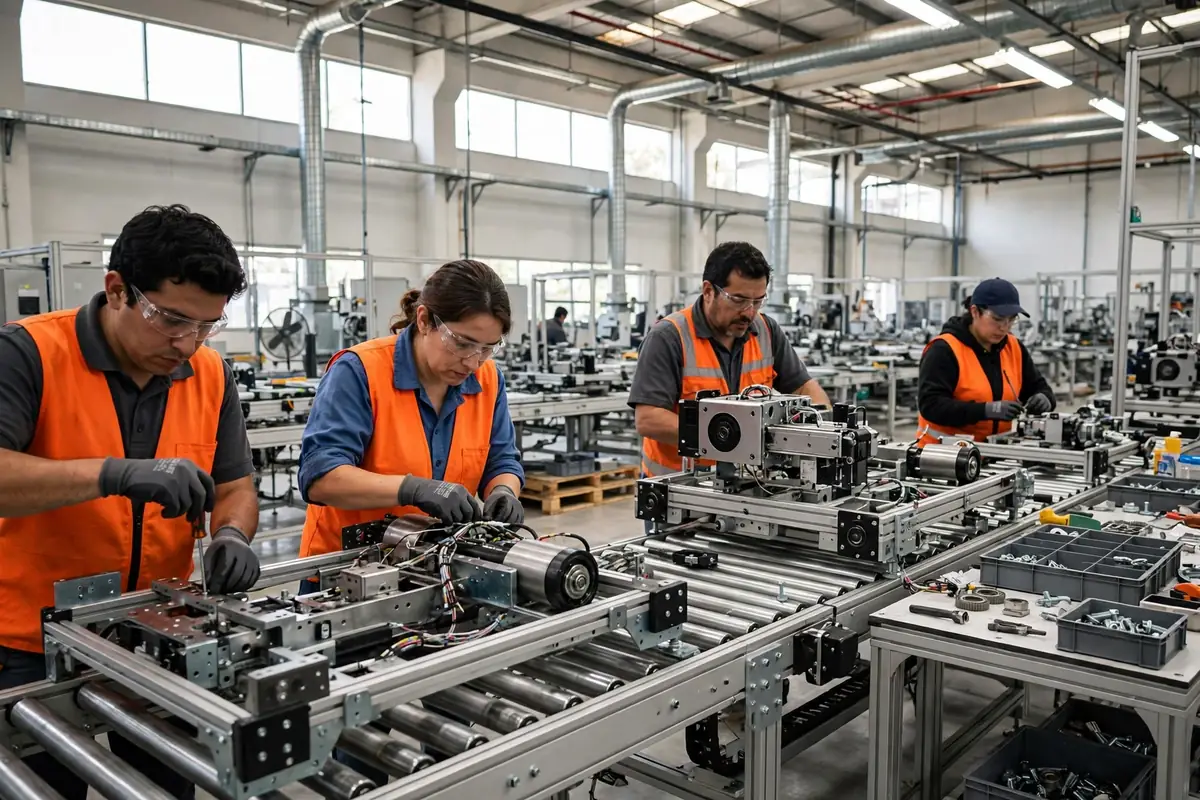
We had a client making small appliances who moved final assembly to a Mexico assembly plant near the border, chasing cheaper labor and a truck ride of two or three days into a US warehouse instead of three weeks on the water. The first shipment got stuck. US Customs questioned the origin claim and held the whole container for verification, and the client called me asking how goods assembled in Mexico could possibly not count as Mexican goods. I told him he had it backwards: where you screw it together is not the same as where it originates, and the freight and labor he saved would not cover one held container.
Mexico assembly looks cheap until origin says otherwise
Start with why the quote looked so good. The plant's unit price came in well below the Asian quote, trucks reached the US warehouse in two or three days, and peak-season replenishment no longer needed orders placed two months ahead, so far less cash sat in inventory. The client signed off in the meeting convinced the deal could not lose. What he never priced in was the origin test: fail it, and the preferential duty rate disappears, with back duties, storage on a held container, and lost sales from stockouts arriving in the same week. The table below is an illustrative example, with round numbers only to show the structure:
| Scenario | Cost item | Illustrative example |
|---|---|---|
| Origin accepted | Normal clearance at the agreement rate | Settles at contract price, no extras |
| Origin denied | 12 days of storage and demurrage on a held container | $9,600 |
| Origin denied | Back duties at the applicable rate | As assessed by Customs |
| Origin denied | Two weeks of stockouts and lost orders | $20,000 |
One shipment's extra cost eats several months of assembly savings. The US-Mexico-Canada Agreement took effect on July 1, 2020, replacing NAFTA, and goods put together in Mexico still have to pass the origin test before they cross duty-free. Fail that test and everything saved up front is paper profit. Another client of ours made furniture, and his plant switched board suppliers mid-season without telling anyone. The tariff classification shifted, the whole origin calculation had to be redone, the peak-season freight sat at the border for an extra week, and the orders lost were worth far more than the material saved.
Mexico assembly and the two origin tests you must not mix up
The first test is preferential origin, which decides whether you get the agreement rate at all. The agreement's annex lists product-specific rules, and most goods qualify through one of two routes: a tariff shift, meaning non-originating materials change tariff heading during processing in Mexico, or regional value content, meaning enough of the good's value comes from North America. The general default thresholds are 60 percent under the transaction value method and 50 percent under the net cost method; the exact line for your product should be checked against the official source, since product-specific rules vary. Autos are the toughest case: passenger vehicles and light trucks need 75 percent regional value content under the net cost method, plus 70 percent of steel and aluminum from North America, labor value content of 40 to 45 percent, and workers earning at least $16 an hour. A de minimis provision leaves a small opening: non-originating materials that miss the required tariff shift can still qualify if their value stays under 10 percent of the good's value — confirm the current figure against the official source before relying on it.
The second test is non-preferential origin, which decides the good's nationality for marking and which duty schedule applies. The standard is substantial transformation: after processing, the good must have a new name, a new character, and a new use, all three. Simple packaging, labeling, or driving in a few screws does not count. The two tests run on separate tracks — passing preferential origin does not settle non-preferential origin, and the reverse holds too. Here is the counterintuitive part: the more your operation looks like a final step bolted onto finished parts, the more likely it is to fail substantial transformation. The processing depth that actually earns origin is usually the least glamorous line on the quote.
One more trap catches people: Mexico's duty-deferral program for manufacturers lets inputs enter temporarily without paying import duty or value-added tax, provided the finished goods are exported. That is a convenience on Mexico's side of the border. It says nothing about origin on the US side, yet plenty of buyers hear "duty-free inputs" and assume "origin is fine," then find out after signing that the two are different questions. And do not gamble on the audit. Under the agreement, origin certification is self-certified — no government stamp required — but the burden of proof sits entirely with the importer, and Customs wants an unbroken document chain from the bill of materials through production records to the value-content calculation. One broken link can trigger a retroactive look. A joint review of the agreement is underway in 2026, so rules may move; check the official source before signing anything long-term.
Three lines to lock into the contract before you sign
Here is what the plant side knows and rarely volunteers: a contract manufacturer fears two things, a buyer who squeezes price and never asks about origin, and a buyer who blames the plant alone when things go wrong. So at the negotiating table, settle price last and write these three lines into the contract first. One, the plant provides a monthly bill-of-materials origin list, with regional value content calculated to one decimal place, and whoever gets the math wrong pays the back duties and penalties. Two, any switch of a key-component supplier requires advance written notice, and if an unapproved switch costs you preferential treatment, the plant bears the loss. Three, if Customs opens a verification, the plant delivers the full production records within an agreed window, and failure to cooperate is grounds to terminate and claim.
And one thing no plant will volunteer: never outsource origin to a verbal promise. Attach the calculation sheet, the supplier origin declarations, and the process description to the contract, and make any change of plant, material, or process trigger a fresh calculation. The few cents saved on the unit price will never cover one held container. Next time you sit down to negotiate, ask these three questions: what is this month's regional value content? Will you tell me before you switch a supplier? If Customs comes knocking, how fast can you produce the production records? Ask those three first. Then talk unit price.
By Susan, 3PL Sales Director