Latin America looks like easy money. It is not. It is a swamp with gold in it.
Here is the uncomfortable truth: Mercado Libre is basically Amazon, Taobao and a buy-now-pay-later app rolled into one. Around 65 million buyers, its own payments network and its own logistics. The company's own numbers: roughly 1.8 billion parcels moved, nearly half delivered same-day or next-day, 70 percent within 48 hours. In 2026 alone it is pouring 57 billion reais (about $11.5 billion) into Brazil, growing its fulfillment network from 28 to 42 centers. Mexico's merchandise volume is growing around 30 percent a year.
Sexy numbers, right? My first direct shipment to Brazil in 2025 got schooled by customs.
The good news: Mercado Libre's Global Selling program accepts companies registered in mainland China. You do not need a local entity in Brazil or Mexico to open a store, which is a lower barrier than most people expect. But between "I can open a store" and "I can make money" sit two gates from hell: customs clearance and warehousing. This is the playbook I run now, built on the mistakes I made.
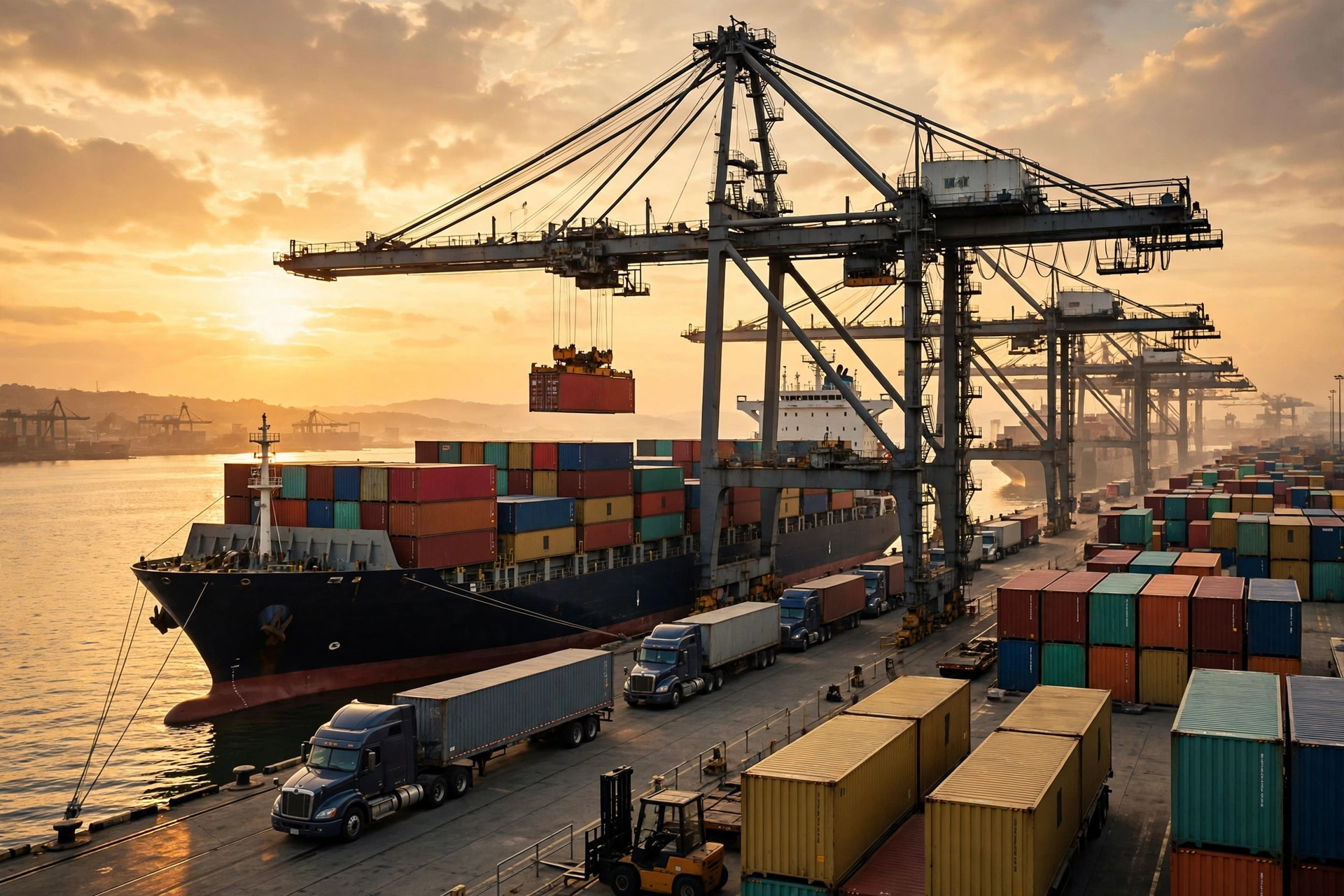
Brazil: The Hardest Customs Gate in Latin America
Brazil is the biggest e-commerce market in Latin America and the nastiest customs regime.
On taxes: in September 2026 Brazil's Congress kept the zero federal import tax for cross-border parcels up to $50 (they charged 20 percent back in 2024 — this policy flips constantly, so go by the latest official rules). Three things you must know:
First, the $50 is the landed value: product plus freight plus insurance, not the item price. Your $39.99 gadget plus shipping crosses $50, and you pay the full tax.
Second, above $50 the federal import tax is 60 percent, with a $30 credit against it. Then state ICMS runs 17 to 20 percent depending on the state, and these stack. Orders over $50 carry a heavy total tax load.
Third, the policy changes all the time, faster in election years. My pricing model always assumes the worst case on Brazilian tax. If a policy break comes, it is a bonus — never the plan.
My scar story. October 2025, a batch of earbuds shipped direct to Sao Paulo. The forwarder low-balled the declared value to "save" on tax. Customs pulled it for inspection. Stuck for over two weeks, every delivery promise on the listing blown, my seller rating dropped half a star. The margin on that batch went to refunds and reships. Since then I have one rule for Brazil: declare honestly. The tax you "save" will not cover a single lesson.
Three Playbooks, My Cost and Lead-Time Math
Chinese sellers on Mercado Libre basically have three options. I have run all three, so here is the math:
| Playbook | First mile | Last mile (my measured times) | Customs risk | Returns | Best for |
|---|---|---|---|---|---|
| Direct from China | Per parcel, no inventory | Brazil 25-40 days, Mexico 15-25 days | Highest, cleared parcel by parcel | Returning to China rarely pays; refund without return | Testing new SKUs |
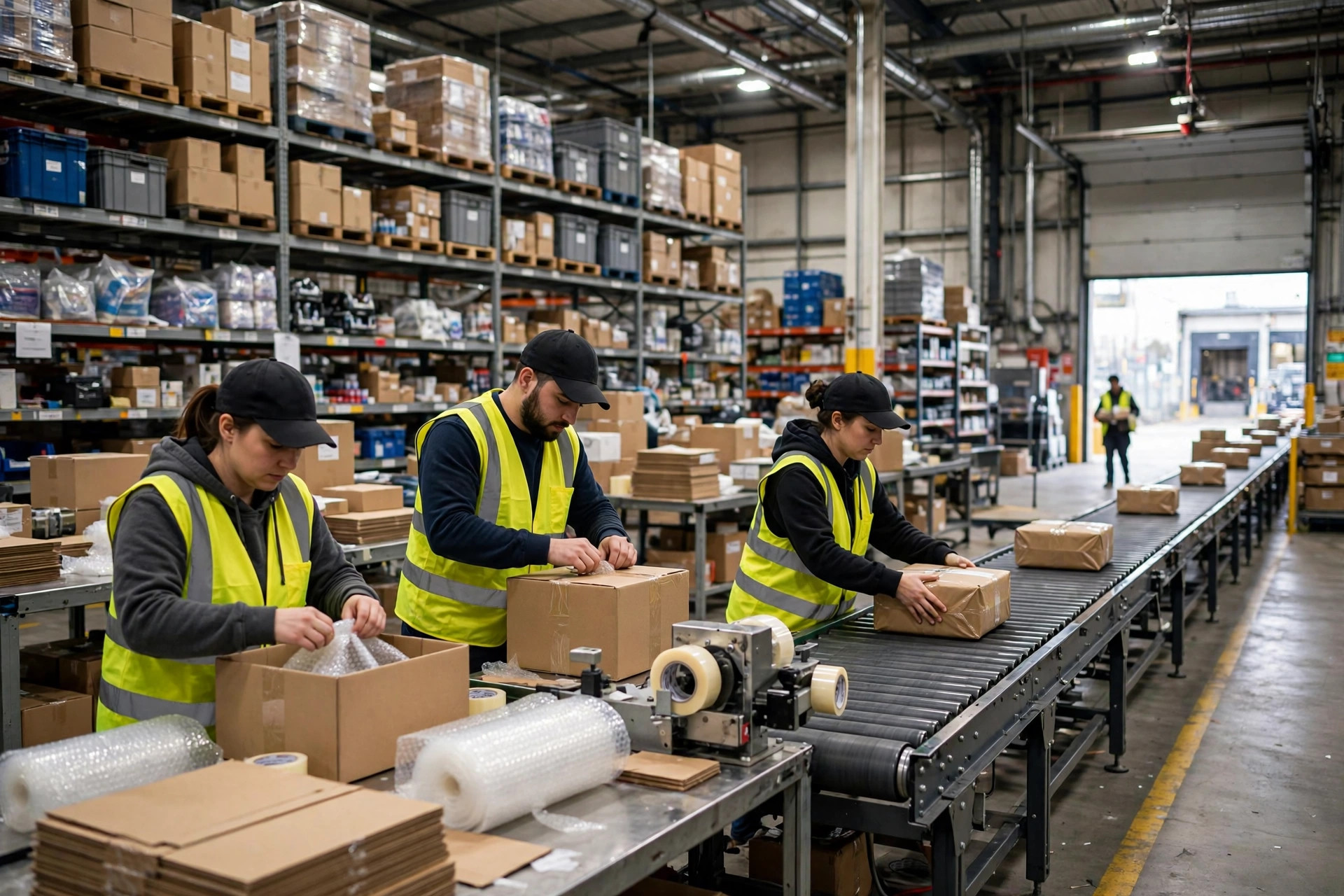
| Third-party overseas warehouse | Ocean freight in bulk | Local 2-5 days | One bulk clearance, concentrated but manageable | Local returns can be resold | Listings doing 50+ orders a day |
| Mercado Libre official fulfillment | Inbound per platform rules | Platform SLA, listing gets a boost | Platform-assisted, least hassle | Per platform rules | Hero SKUs chasing rank |
(Times measured by me in 2025. All commissions, rates and storage terms per Mercado Libre's latest official policy.)
My sequence: test new SKUs direct, move winners to a third-party warehouse fast, push heroes into official fulfillment. Direct shipping is forever the scout, never the army.
Here is the counterintuitive call: the harsher Brazil's taxes get, the more you need a local warehouse. People think direct shipping saves money. Sure, it saves storage fees — while you swallow tax uncertainty, 25 to 40 day delivery, and inspection risk into your margin. I ran the numbers on a $60 small electronic: the all-in cost of direct shipping to Brazil (tax plus loss plus refunds) came out higher than local one-piece fulfillment. Tax is the visible card. Risk is the hidden one. Once you see that, Brazil becomes workable.
Mexico: Start Here
Advice for newcomers: win Mexico first, touch Brazil later.
Mexico is smaller than Brazil but far easier. First, since October 2025 Mexican customs has tightened e-commerce parcels: honest product descriptions and values, and the recipient must provide full name, RFC or CURP, email and phone — all four, no exceptions. Get that flow right up front and you are fine. Second, Mexico sits next to the US, so your US product lineup, return warehouses and freight options all carry over. More first-mile choices, cheaper mistakes.
The pitfall: never put the "generic RFC" floating around online (XEXX010101000) on a waybill to dodge customs. That is a placeholder for tax-invoice paperwork, not a shipping ID. Stamping it on a parcel tells customs the information is fake, and they hold the shipment. My friend Lao Chen learned this the hard way in late 2025: a held batch, storage fees to get it released, painful.
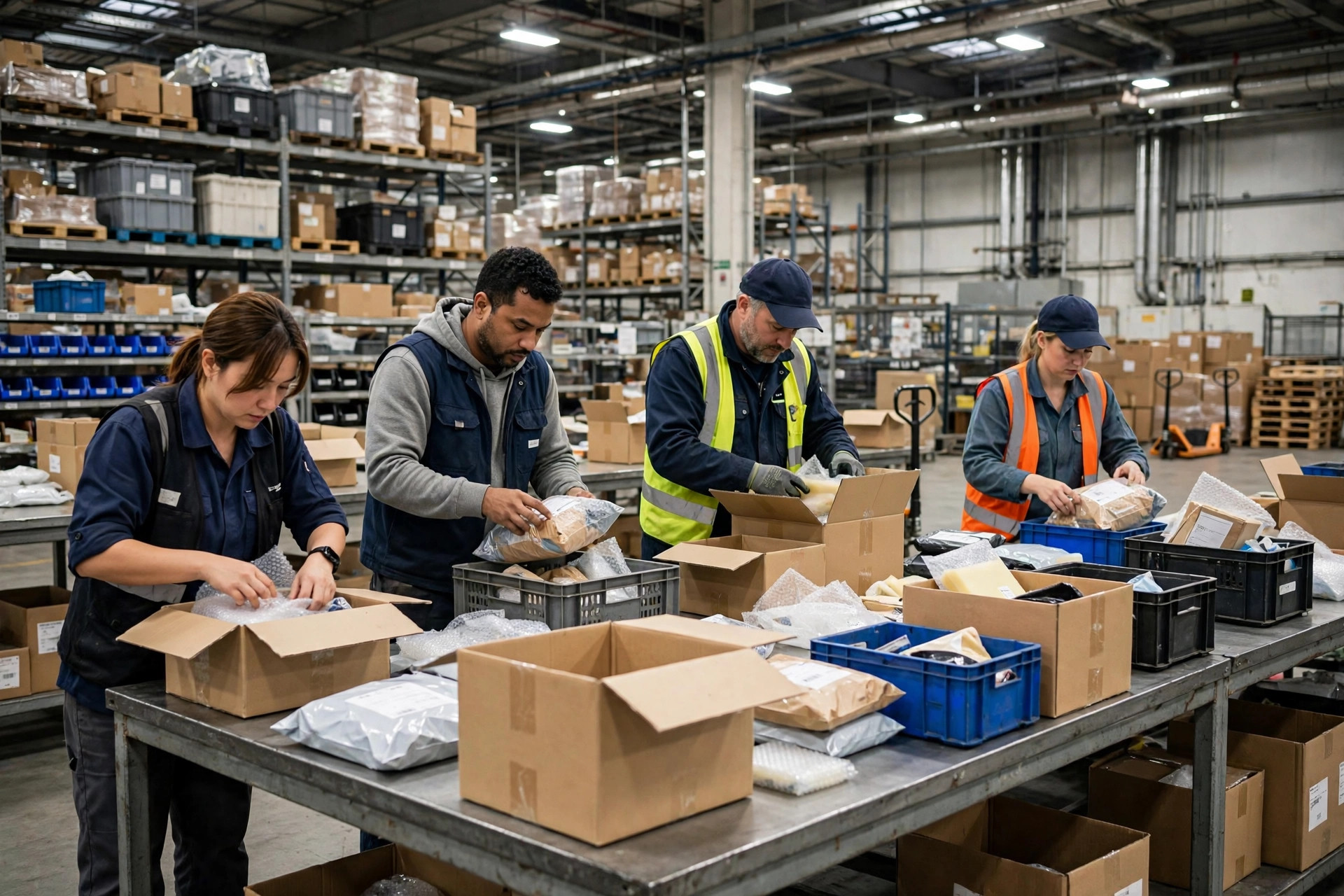
On returns, separately: Latin American buyers return without mercy. My return rate there runs noticeably higher than my US and EU stores. Sort out reverse logistics before you list: local return address, QC standards, relist or destroy — all of it in the warehouse contract. No reverse plan, no listing. Iron rule.
The Pitfall Checklist (Print It and Stick It on the Wall)
- Brazil customs needs the buyer's tax ID (CPF for individuals, CNPJ for companies). Collect it in the checkout flow, per the platform's latest requirements.
- The $50 threshold is landed value, freight and insurance included. Do not calculate it off the item price.
- Some categories in Brazil (electronics, kids' products) need local certification and Portuguese labeling. Check before the goods sail, not at the port.
- Re-check the tax policy every quarter. Brazil's parcel tax has been a roller coaster.
- Mexico recipient kit: full name plus RFC/CURP plus email plus phone. One missing can mean a hold.
- Lock in your returns process before listing.
- All commissions, fees and storage rates: Mercado Libre's official site, latest version only. Anyone's screenshot of a rate table is expired by definition.
Last honest word: Latin America is not a blue ocean, it is deep water. But deep water holds big fish. With the Brazil and Mexico warehousing playbooks dialed in, my Latin America stores now run my highest margin across all marketplaces. Tested it myself — it works.
By Ah K, E-commerce Seller (5 yrs)