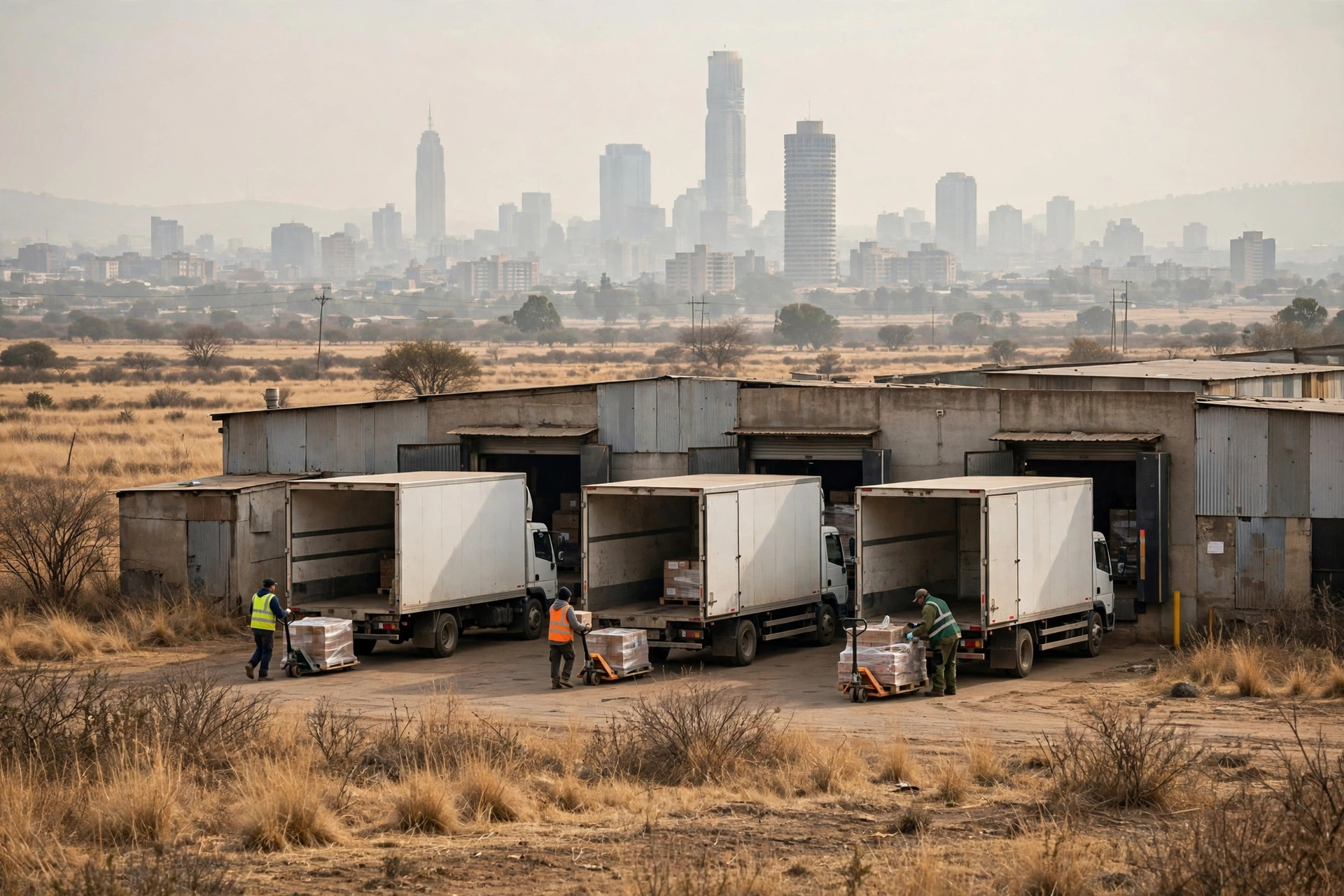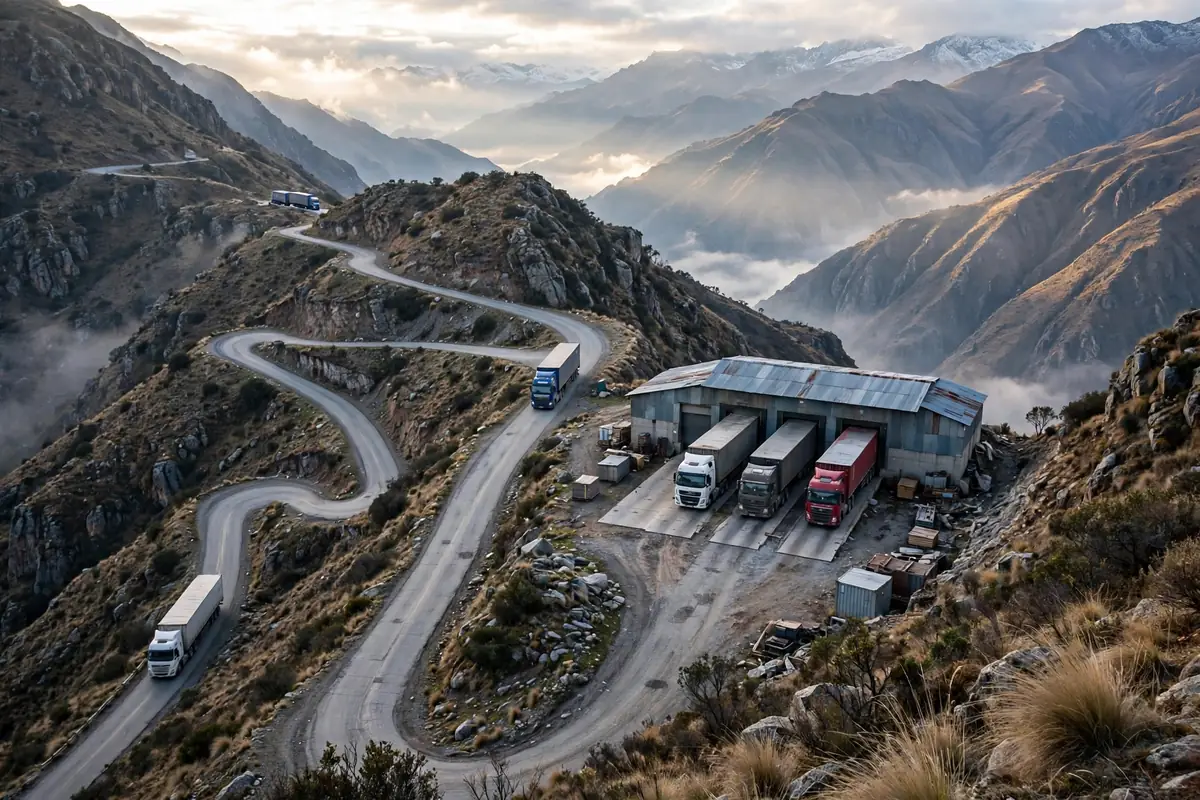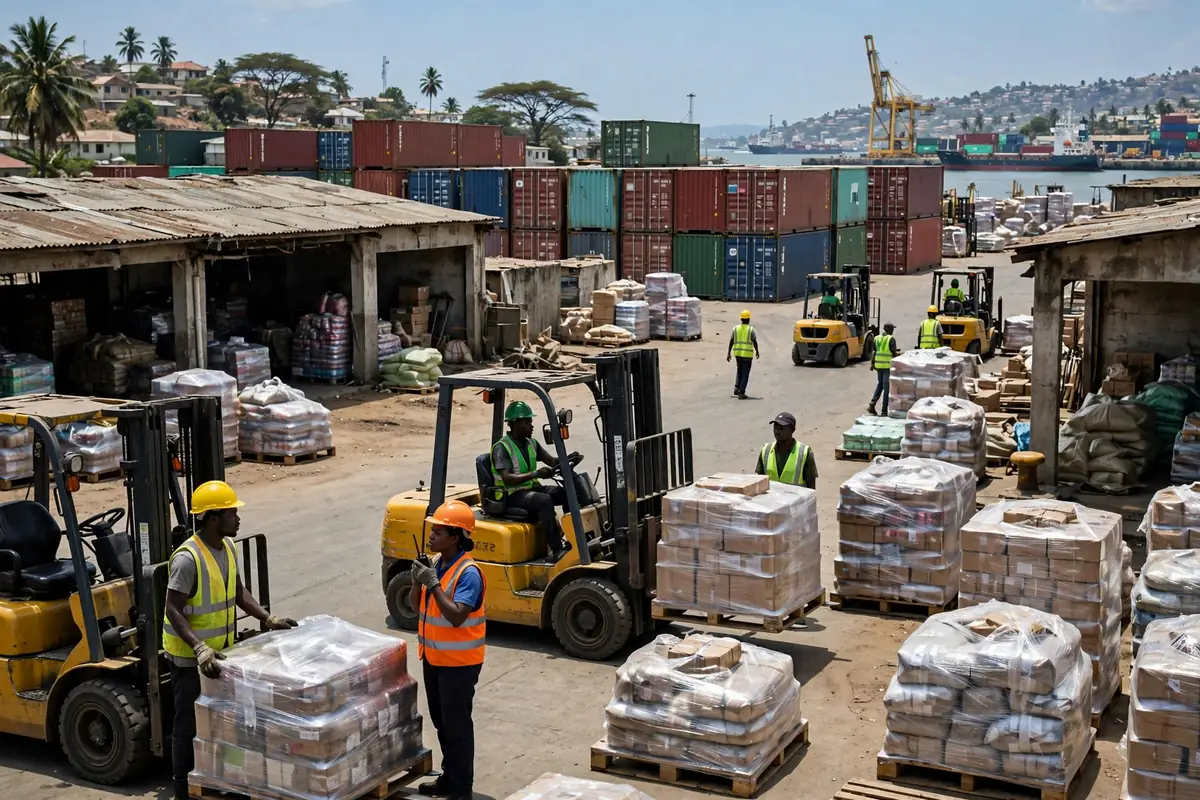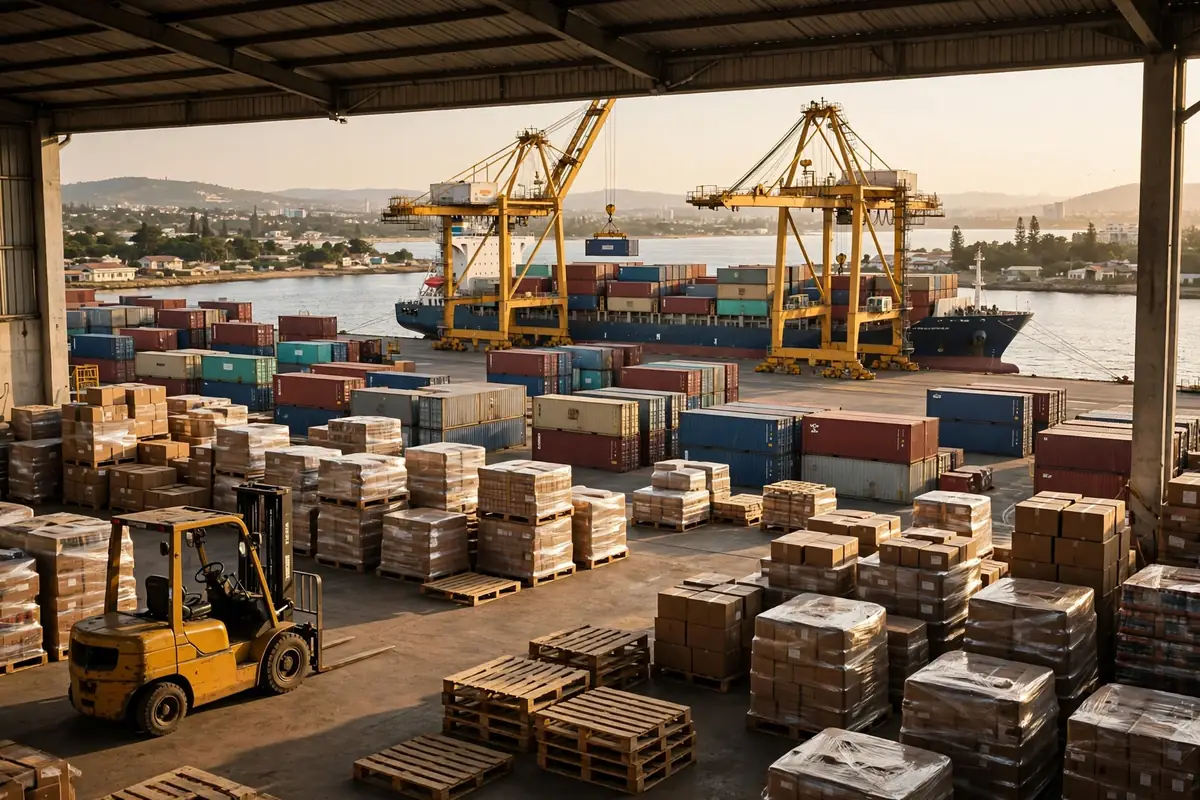
A maputo corridor transit warehouse taught me its hardest lesson at dawn, in a yard near Maputo. The freight for Gauteng had been unloaded and staged hours earlier. The truck was at the gate. Nothing moved — because one page of the border handover paperwork was missing, the driver would not roll, and we would not release him.
Plain truth: in transit work, late freight is a problem. Freight that is present, loaded, and undocumented is a crisis.
Maputo Corridor Transit Warehouse Work Starts With the Paper
During a rainy season a couple of years ago, I helped a friend who distributes building materials run a small corridor warehouse. About a dozen of us kept it going. Cargo entered through Maputo; a little sold locally, most of it was split and dispatched inland toward industrial buyers in the Gauteng direction. That week was rough. Two containers promised Monday never appeared. Both landed Wednesday afternoon — while their documents arrived in three separate batches, the last one the following morning.
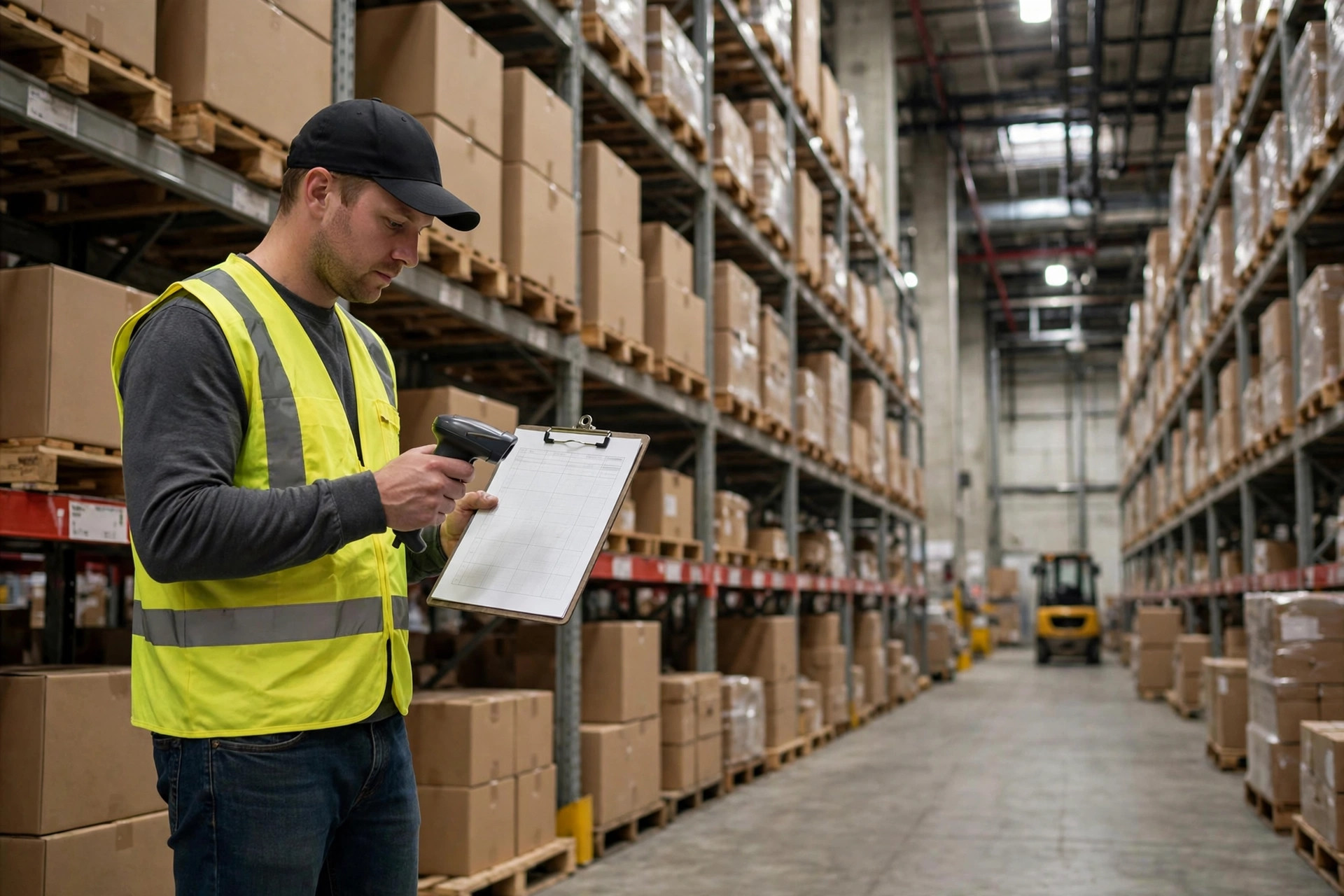
Run that like an ordinary warehouse — unload everything, rack everything — and you create the mess yourself. Transit cargo and its paperwork are bound together: which cartons belong to which transit file, which seal number matches which load. So we changed the plan on the spot. Half the regular outbound picking paused. Our four most experienced hands moved to receiving. One checked container numbers and seals, and nothing else. One counted document pages and checked signatures, and nothing else. The other two applied temporary labels and staged freight, in original cartons, inside a bonded holding area we fenced and taped off by dispatch batch. Nothing transit went into ordinary racking.
The holding area was ugly. It also produced a perfect week: not one carton crossed into the wrong batch, not one page lost.
Bonded and in-transit freight is not ordinary stock. Until its handover steps are complete, it cannot mingle with local inventory, and it certainly cannot be dispatched on a promise that the paper will follow. Regulatory requirements and document lists change, so confirm them against customs and official channels' latest guidance — I will not print a fixed checklist here, because a wrong one carries real liability. What the floor can do is the dumb, reliable method: one document pouch per consignment. The pouch travels with the freight. Freight stops, pouch stops. Freight leaves, pouch is handed over against a signature. Low technology. It works.
Drivers belong in this picture too. A man waiting most of a day on paperwork needs water, a toilet, and one person who can answer his question. Next time he reaches your dock, his care with your freight will reflect how you treated him. Crews know this; pressure makes them forget it, so the supervisor has to protect it.
Stage by Batch, Because Gauteng Is the Destination
The deepest difference from a local warehouse is that your building is not the destination. The destination is an inland industrial market like Gauteng. You are the middle runner in a relay, and a relay runner's skill is the handover, not storage.
I watched a consumer goods company run its transit site exactly like a local warehouse last year. Every arrival was unboxed, counted, and racked beautifully. Then a Gauteng-bound load was pulled forward a day. The crew picked back down, carton by carton, everything they had just put away, rebuilt the pallets — and rebuilt the document matching they had scattered in the process. A day's labor, done twice, plus a fresh chance to mismatch paper and freight. The supervisor swore he was short-staffed. He was not. His process did every job twice.
We reorganized by batch at the door. Local stock is counted and racked normally. Transit freight stays sealed in its staging area, grouped by departure batch, document pouch hung at the head of the batch. Freight whose destination or documents are incomplete goes to a small isolation patch and is touched by nobody. When the dispatch call comes, the whole batch rolls out and the whole pouch set changes hands in one signature.
Three questions at receiving run the whole system. Is it local, transit, or not yet cleared to move? Local goes to racking with your best putaway hands. Transit stays intact with your most careful checker. Not-yet-cleared freight sits isolated until someone with authority clears it. That third stream is the dangerous one: a single undocumented consignment mixed into a clean batch can hold an entire truck at the border, punishing every good carton on board.
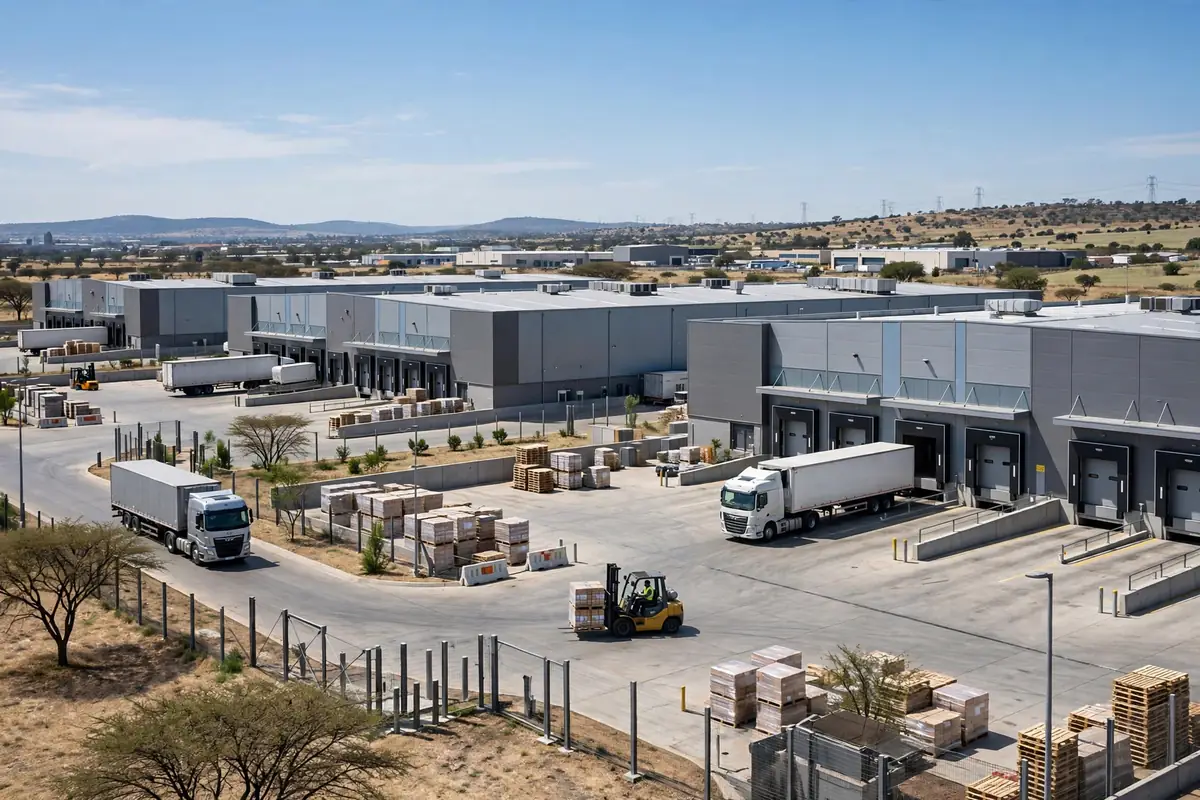
Here is the counterintuitive part: a transit warehouse earns its money on handovers that never need rework, not on being close to the port. Owners ask me about distance to the quay. I ask who owns document handover, whether staging flows to the dock without crossing traffic, and whether a handover can be signed at night. Extra road miles rarely kill a corridor load. One bad handover kills the whole batch's timing — and your credibility with carriers and customers. The corridor rewards the team that never drops the baton, not the team that sprints the first leg.
Carrier choice follows the same logic. Keep two or three regulars who know this corridor rather than grabbing the cheapest truck daily. A driver who has run it before knows which stretches work at night, where handovers happen, and who needs to see which document. That familiarity is worth more than a small rate gap. Confirm route timings and border procedures against the carrier's and official channels' latest information, not last year's habit.
Roster for a Corridor That Changes Its Mind
Ports vary. Corridors vary more. A release delay, weather, a border queue, or a shifted receiving window inland — any one of them voids half your dispatch board.
We settled on three rules. First, do not chase same-day completion; chase same-day grading. Freight and documents both complete? It leaves today. Freight present, documents missing? Isolation, waiting on paper. Documents ready, freight not arrived? Pouches prepared so loading starts the minute it lands. Second, outbound picking gives receiving half a step. When containers land together, routine picking pauses, urgent orders only — receiving and dispatch fighting over one dock and one crew slows both. Third, staff the night with someone who can decide and sign. Corridor freight often departs at night; if the person authorized for handover is home asleep, the truck sleeps at your gate instead. One experienced hand who can re-sequence, verify documents, and sign a clean handover is worth half a system.
One small habit pays for itself: a fixed ready box at the receiving bench — document pouches, seal records, label stock, and a phone for damage photos, returned after every use. Discovering a missing form or empty label roll mid-batch sounds trivial. At the busiest hour of the week, trivial is what breaks schedules and tempers.
A closing word to fellow warehouse managers: never roster a corridor operation at one hundred percent. Hold back a fifth of your capacity for the late box, the missing page, and the rerouted truck. A plan packed to the edges looks efficient on paper and shatters fastest in real life. Corridor freight moves baton to baton. Get each handover into the right hands, and the freight takes care of itself.
By Chen Feng, Warehouse Operations Manager