Here is my verdict up front: vanilla warehouse security is not a warehousing problem. If you run a vanilla warehouse, stop budgeting security like a warehouse. Budget it like a vault. During the 2018-19 crisis, Madagascar vanilla reached about $500 per kilo. Read that number twice, because it changes everything: what sits in your building is not an agricultural product, it is hard currency sold by the kilogram. Manage it like rice and you will lose it. It is only a question of when.
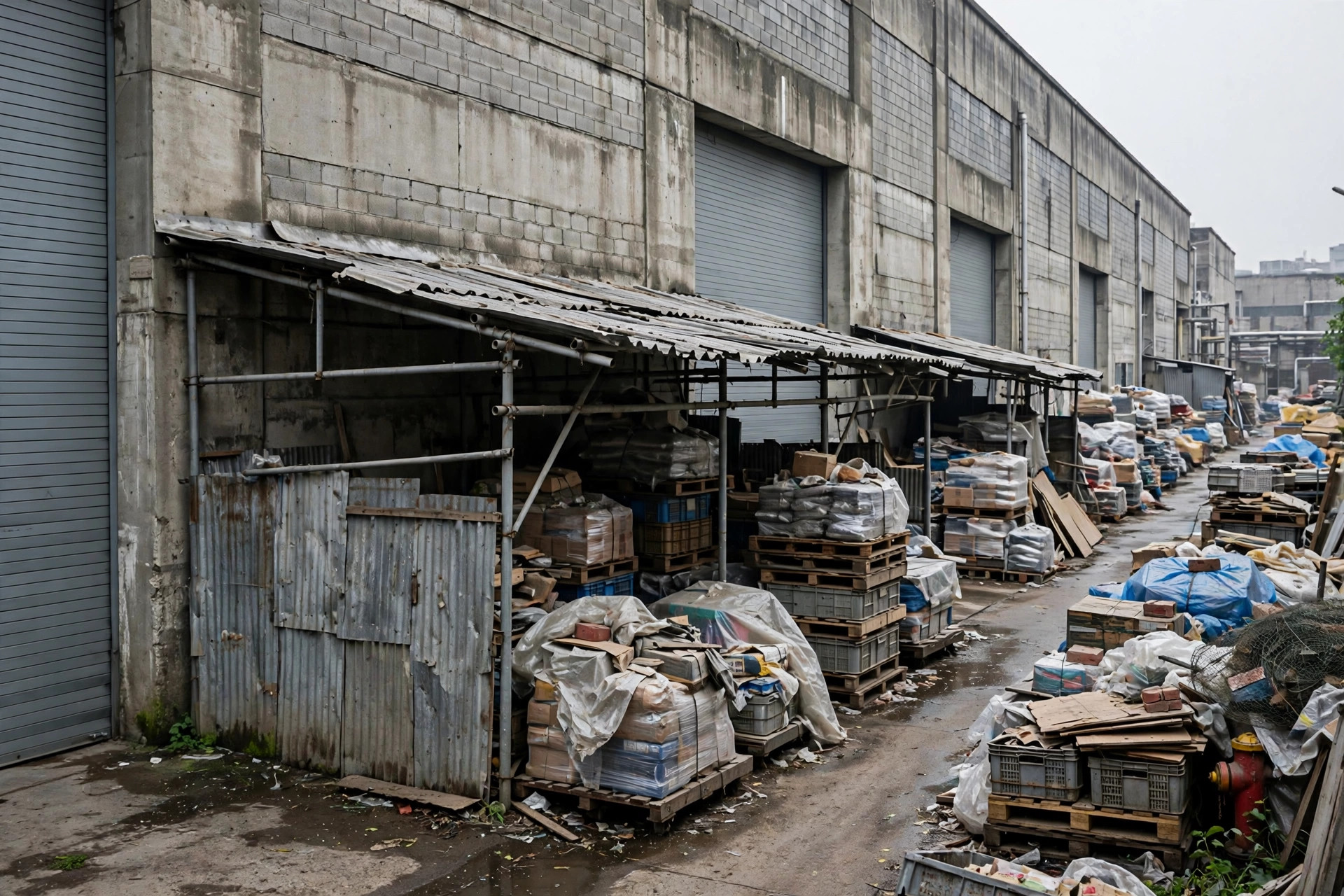
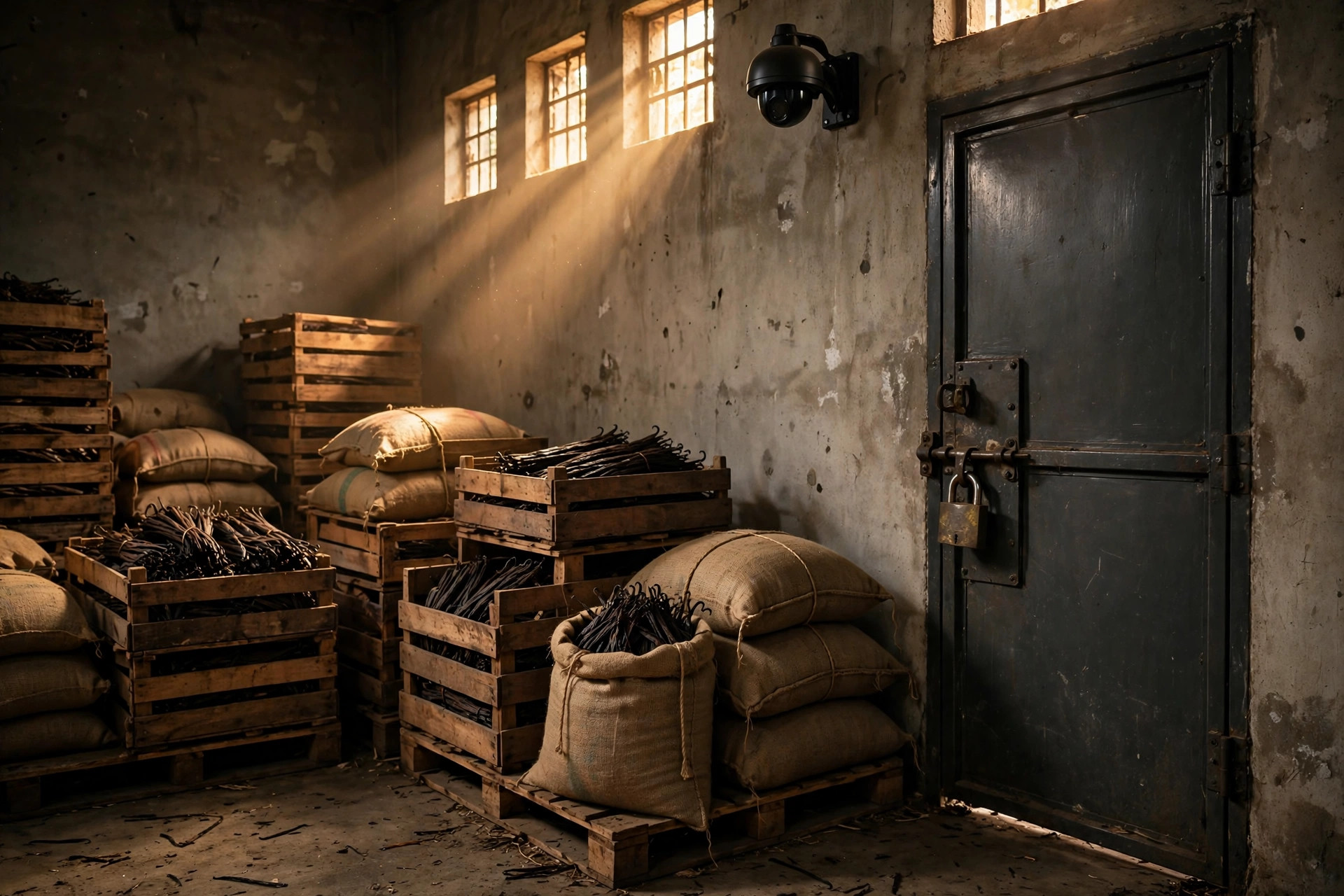
There are two sides to this. Let me start with a pit I watched someone fall into. A friend of mine who exports out of the Sava region told me in 2019 what his 2018 looked like: at the peak, one of his curing warehouses routinely held several hundred kilos of finished pods. At market prices, that single room was worth hundreds of thousands of dollars. The door was sheet metal. The lock was a padlock. Night security was two locally hired guards earning a few dozen dollars a month. It was not that the guards did not care. The math was simply impossible: you cannot ask a man earning tens of dollars a month to guard hundreds of thousands of dollars of goods. That does not test his loyalty. It tests arithmetic.
The second pit is sneakier, and more people step in it. Vanilla gets expensive in stages. Freshly picked green pods are not worth much. The real money is in the cured, sweated, conditioned beans. And theft peaks exactly where the value starts climbing: in the fields and at first processing. In 2017 and 2018, farmers in the Sava region slept in their vanilla plots at night holding machetes. Reuters photographed a grower near Ambavala in 2018 patrolling his field with a spear and a handmade gun. Plenty of warehouse operators comfort themselves with "once the goods reach my warehouse, they are safe." Here is the thing: more vanilla disappears before it ever reaches a warehouse than after. If your security plan starts at the warehouse gate, you are already half a step late.
Do the math first: what is this building actually worth?
Before designing anything, get the scale right. Say your curing warehouse holds 500 kilos of finished pods:
- Reference price: about $500 per kilo at the crisis peak (2018-19 international market; Reuters reported in June 2019 that benchmark black whole-bean Madagascar vanilla was around $520 per kilo, after a record near $635 per kilo following the 2017 cyclone. Check current market prices; do not treat crisis prices as normal.)
- Whole building value: roughly $250,000.
- One typical night break-in: two people, thirty minutes, two sacks carried out on their backs, about 60 kilos. Loss: around $30,000.
- A decent security setup (higher walls, a proper security door, two camera runs, one full-time guard for a year): a few thousand dollars at local cost.
The point of this math: your security investment and a single theft are an order of magnitude apart. I have seen too many owners refuse to spend a few thousand dollars and then lose tens of thousands in one night.
Madagascar vanilla warehouse security, layer one: keep them out
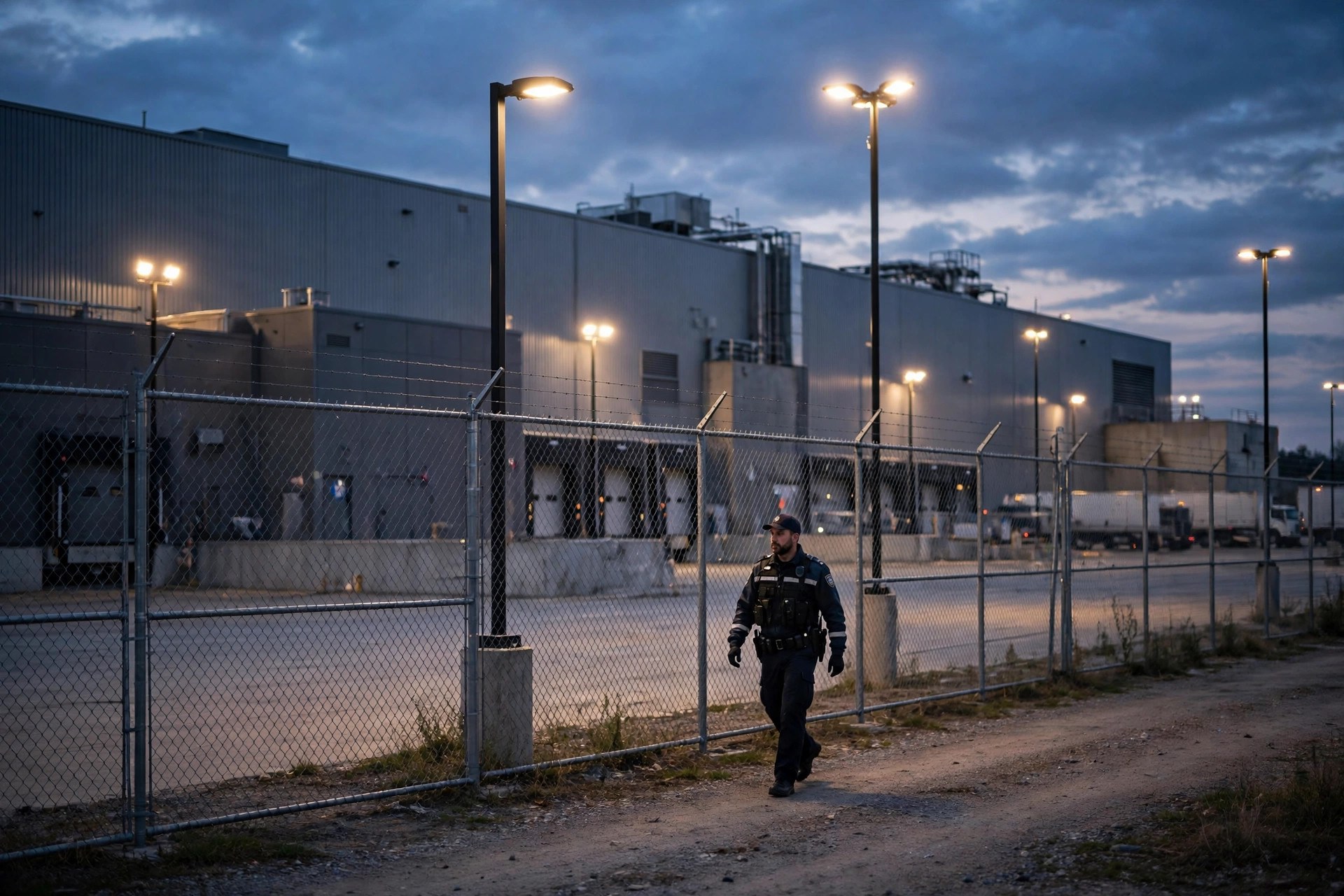
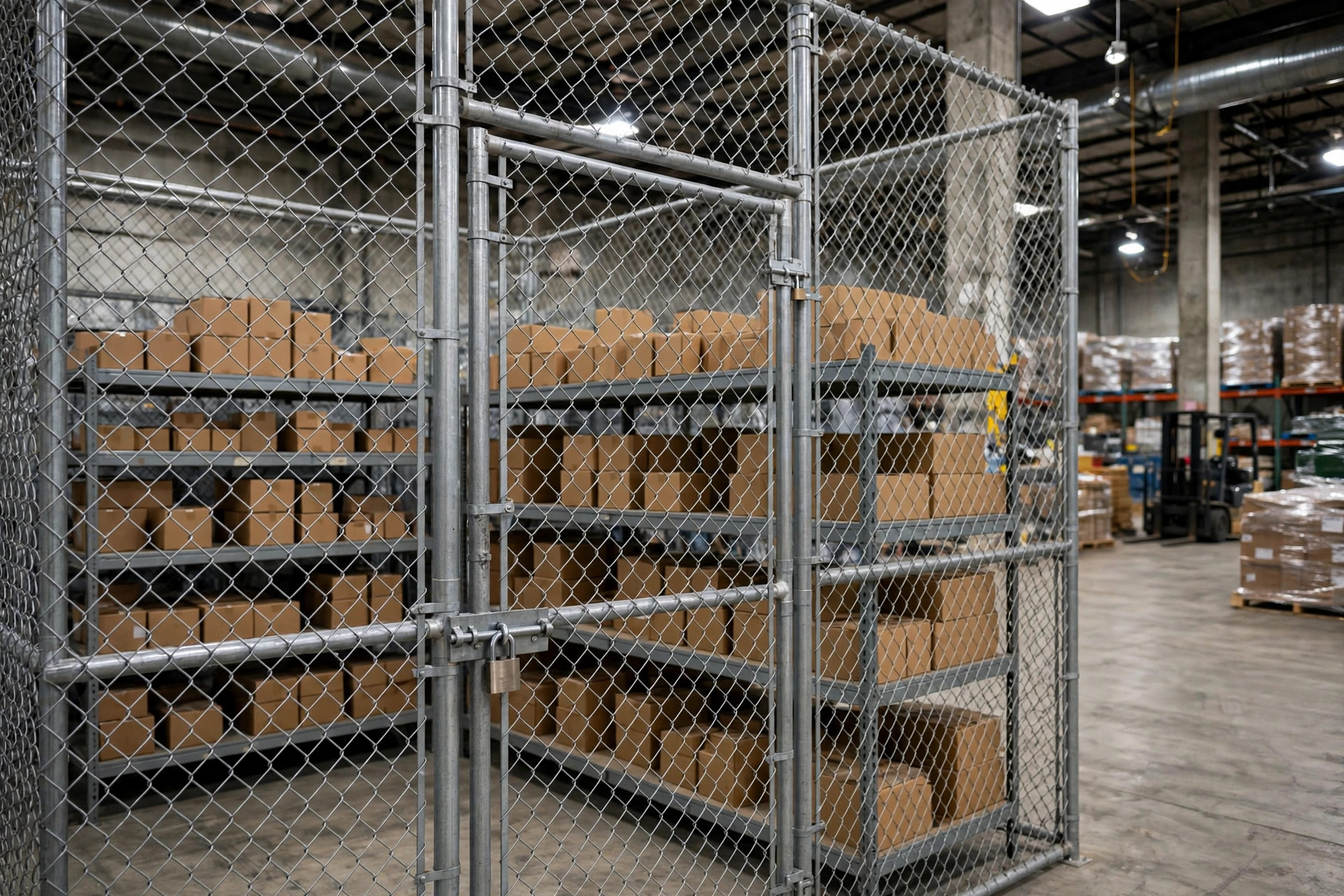
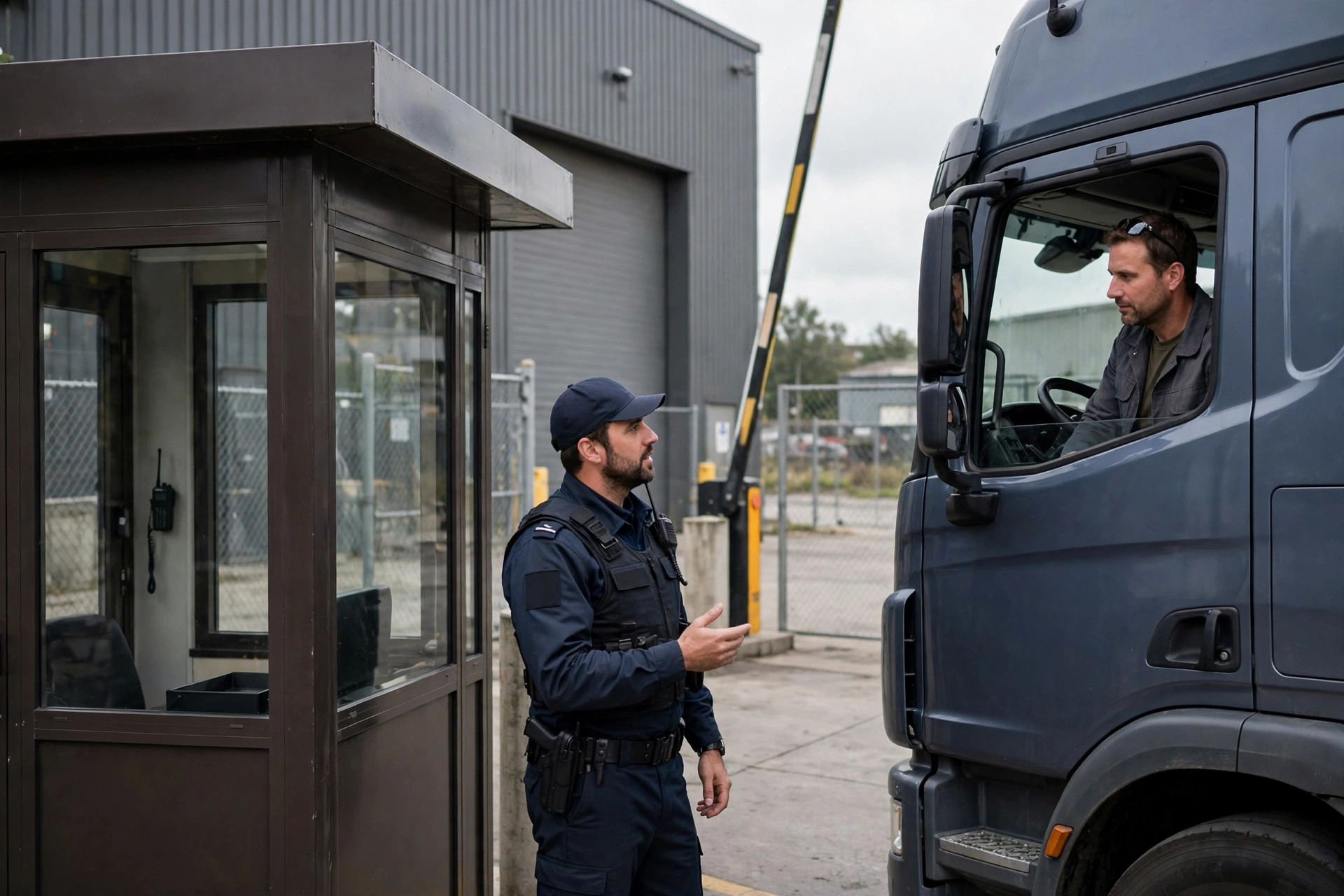
Walls, iron doors, lighting, cameras. It is cosmetic work, but the cosmetics are mandatory. Let us be honest: in the Sava region, a wall will not stop a thief who has made up his mind. It stops the opportunist. Raising the cost of a break-in from five minutes to thirty minutes is enough to make most thieves pick another target.
The point of cameras is not how sharp the footage is. It is that everyone knows the cameras are there. And one low-tech trick works better than people expect: light the yard. Thieves hate light. It is universal. Two high-power solar floodlights beat raising the wall another meter. Vanilla curing needs ventilation, so you cannot seal the building into an iron box, which makes "being seen" matter even more.
Vanilla warehouse security, layer two: even inside, they cannot walk out with it
This is the critical layer, and the one most people get lazy about. Grading, weighing, and export packing are where the value concentrates. Three rules:
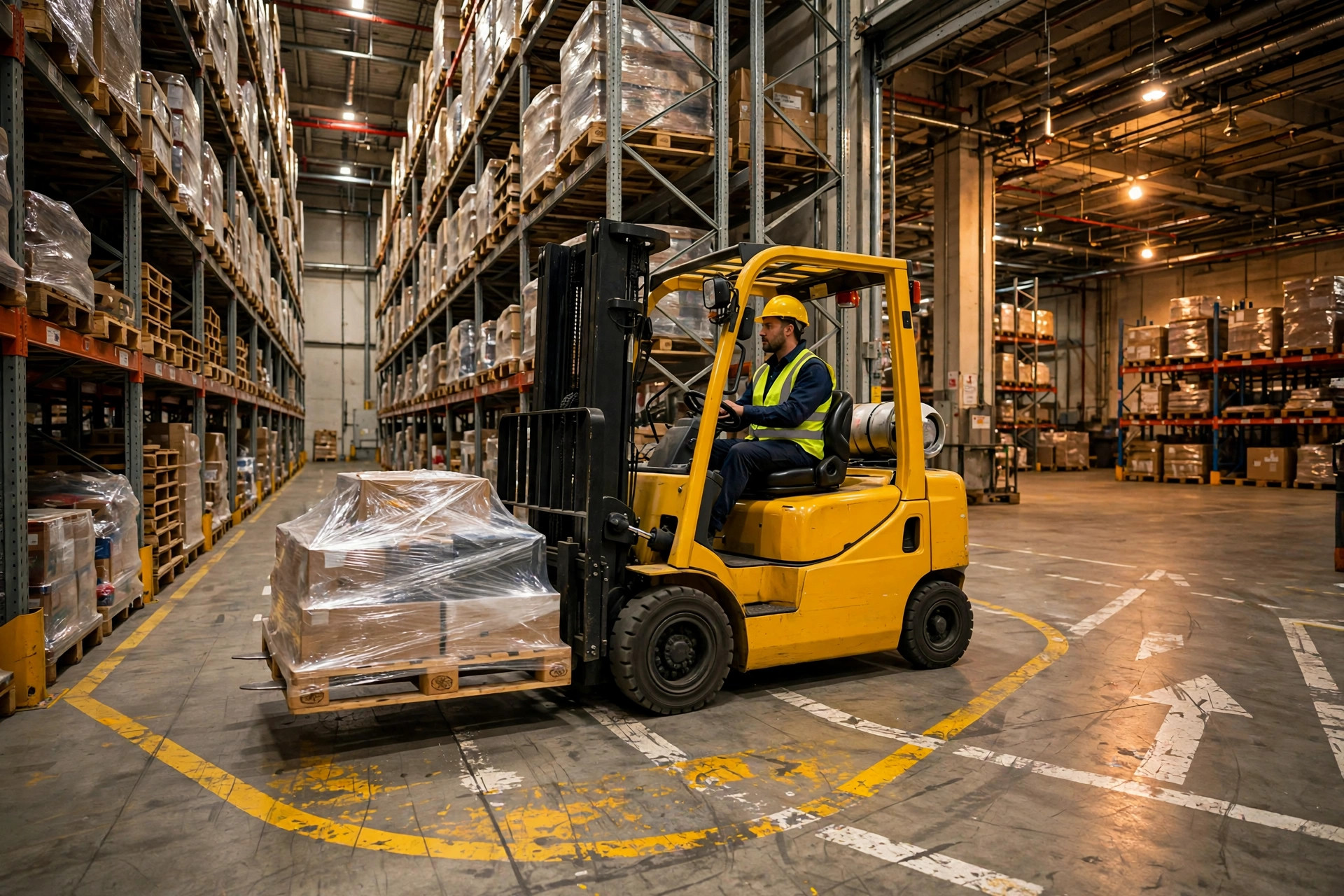
First, the finished-goods room gets its own partition and a two-person, two-lock rule. Opening it requires two people present at the same time, each holding one key. That single rule doubles the difficulty of insider theft. Second, everything in and out goes over the scale, and scale tickets reconcile with the books the same day. People call this "not trusting the staff." Here is the thing: the system protects the honest ones. When the books are clean and something goes missing, the honest workers are the first ones cleared, not the first ones suspected. Third, high-grade lots do not sit in the common area. Pods go into graded zones, the top grades go in the inner room, and every access is logged.
Vanilla warehouse security, layer three: the books, where "fuzziness" lives
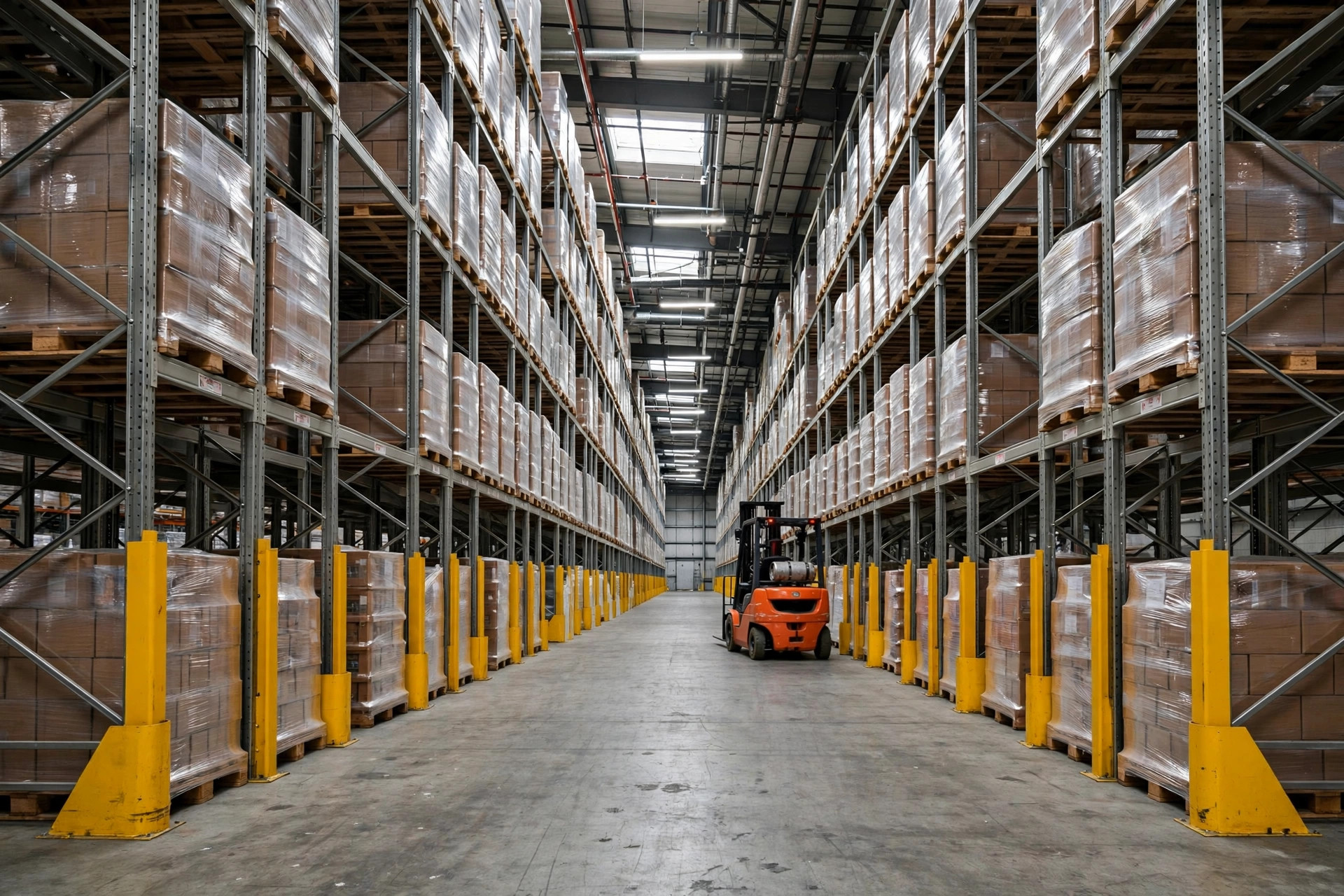
The first two layers stop thieves. This one stops the shrug. Vanilla has a quirk: it loses moisture during curing, so the weight moves. That hands every discrepancy a ready-made excuse: five kilos missing can be called "curing loss." So the finished-goods room needs batch management: weigh every batch on entry, record moisture and grade, weigh again on exit, and investigate any loss rate above the normal range. I have seen too many warehouses where vanilla shares one ledger with ordinary goods, and year-end counts come up dozens of kilos short, with nobody able to say whether it was shrinkage or somebody's pocket.
One more detail worth borrowing from the field: some growers and middlemen stamp their pods with personalized marks, like branding cattle, which makes stolen beans hard to fence. Warehouses can do the same at export scale: mark the batch, photograph it, keep it on file. If unmarked beans of the same grade surface on the market, at least you have a trail.
There is another side to this: insurance. Whether high-value agricultural goods like vanilla are insurable in storage, and at what premium, is a question for your broker. Markets and coverage differ too much for me to quote you a number, and I will not invent one. But one rule is universal: the first thing an insurer looks at is your security and cycle-count discipline. Get the three layers right and you have something to negotiate with. Skip them and you get declined, or quoted a premium you will not want to pay.
Now the counterintuitive take: in vanilla warehouse security, technology has a low ceiling and management has a high floor. Spend $100,000 on the fanciest security system you want; it will not stop an inside job. But get the two-person locks, the scale reconciliation, and the batch counts right, and even a modest few-thousand-square-foot operation can hold theft to an acceptable level. With goods this valuable, you are never really guarding against thieves. You are guarding against what happens when discipline slips and "just this once" becomes a habit.
So stop asking me which camera to buy. Ask yourself three questions instead: is the finished-goods room on two-person locks? Does everything cross a scale? Can you explain your batch loss rate? If you cannot answer even one of them, the sharpest camera in the world is decoration.
Where goods are priced by the kilo, management has to be measured by the gram. Would you agree?
By Lao Mi, Supply Chain Veteran (20 yrs)