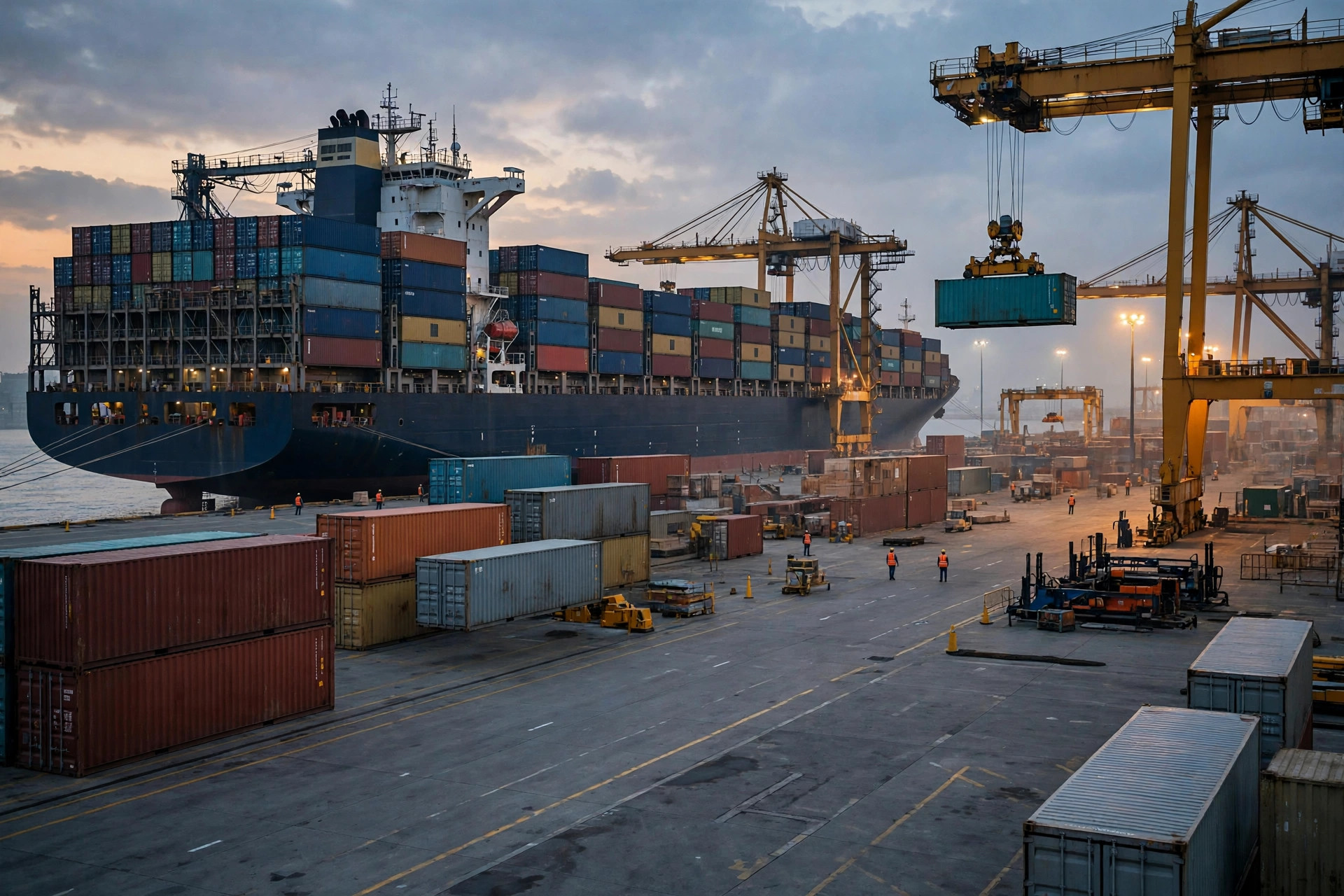
I got five freight quotes for the same shipment. Five different numbers. Five different math.
Same cargo — 6 CBM, Shenzhen to Los Angeles. Forwarder A quoted $78 per CBM. Forwarder B quoted $95 per CBM. Forwarder C just said "$600 all-in." What I actually needed was an LCL shipping small seller guide written by someone who'd paid the bills — so I wrote this one. I picked the cheapest quote, obviously. Final bill: over $1,100. The extra? "Destination charges, billed separately — it's in the fine print."
Amazon changes the rules every other month, and at least those rules are published. Ocean freight is worse: every trap hides in the fine print and in "industry practice" nobody teaches you. So here's the playbook for small sellers shipping less-than-container loads: how to get quotes, where the cost breakpoints sit between LCL, air, and full containers, what to do when your cargo gets rolled or inspected, and how to survive destination pickup fees.
How LCL Pricing Actually Works
LCL means less-than-container load: you share a container with other shippers and pay by volume, measured in CBM (cubic meters). Two billing rules run everything:
First, volume or weight, whichever is greater. The industry standard is 1 CBM = 1,000 kg. Your cargo is 2 CBM but weighs 3,000 kg? You're billed for 3 CBM. Light fluffy goods pay by volume; dense goods pay by weight.
Second, there's a minimum charge. Most consolidators bill a minimum of 1 CBM, some 0.5 CBM. Got 0.3 CBM? You still pay the minimum. That's why tiny shipments make zero sense on LCL — more on the breakpoints below.
The total cost has three legs, and any quote missing one of them is a scam:
- Origin leg: CBM rate × volume, plus fixed extras (bill of lading fee, customs declaration, seal fee)
- Ocean leg: usually baked into the CBM rate, but confirm whether fuel surcharges (BAF) are included
- Destination leg: terminal handling charges (THC, billed per CBM with a minimum), documentation fee, warehouse storage, deconsolidation (devanning), trucking — this is where sellers bleed, and I'll break it down later
The $600 Lesson: My 6 CBM of Desk Lamps
November 2024. I shipped 6 CBM of LED desk lamps, Shenzhen to LA, restocking for Black Friday. I compared five forwarders and picked the lowest CBM rate: $78.
Then the destination bill arrived. Origin: $78 × 6 = $468, fine. Destination: THC at $65 per CBM × 6 = $390, doc fee $35, customs brokerage $120, plus 4 days of storage at $45/day — another $180. Total: $1,193.
Meanwhile, another forwarder had quoted $95 per CBM "DDP to my warehouse door" — $570 all-in. I chased a $17-per-CBM saving and paid $600+ extra for it.
Lesson one: with LCL, you compare door-to-door totals, never CBM rates. The cheapest per-CBM quote usually hides the nastiest destination charges.
The Breakpoints: LCL vs. Air vs. Full Container
This table is the most valuable thing in this article. Steal it:
| Volume | Best option | Why |
|---|---|---|
| Under 1 CBM | Express or air freight | LCL minimums kill you; air gets there in 7–12 days |
| 2–15 CBM | LCL | The LCL sweet spot — lowest per-unit cost |
| 15–20 CBM | Quote both ways | The floating breakpoint — depends on actual quotes |
| 20+ CBM | Full container (20GP) | A 20-foot container practically loads ~26–28 CBM; per-CBM cost crushes LCL |
Here's the counterintuitive part: in the 15–20 CBM zone, more volume can make LCL MORE expensive — destination charges like THC and devanning scale per CBM and eat the rate advantage. Early 2025, my 17 CBM shipment: LCL $2,400 door-to-door vs. full container $2,100, and the container was 5 days faster.
The rule: above 15 CBM, always quote LCL and FCL side by side. Don't ship LCL on autopilot just because you always have. Bookmark this LCL shipping small seller guide breakpoint table — you'll use it every restock.
And set your timeline expectations right: LCL from China to the US West Coast, door to door, runs 25–35 days in my experience (check current schedules). Any hiccup — rolled cargo, inspection, pickup queues — adds 5–10 days.
How I Grill a Freight Forwarder: 5 Questions
I open every quote request with these five questions. Can't answer? Cut:
- What's included in the origin CBM rate? THC and BAF included or extra? How much extra?
- What's the minimum billable volume? 1 CBM or 0.5?
- Send me the destination charge breakdown: THC per CBM and the minimum, doc fee, devanning fee, free storage days?
- Direct consolidation or subcontracted? How many hands does my cargo pass through? With subcontracted cargo, when something goes wrong, three companies point fingers at each other.
- Sailing schedule and cut-off date? Can you guarantee my cargo makes this vessel during peak season?
Question 4 matters most: small forwarders hand your cargo to a big consolidator, who hands it to the line. Nobody knows whose hands your goods are in. I now keep two forwarders — primary and backup — with direct consolidator relationships. $5–8 more per CBM, but there's a human to call when things break. Worth it.
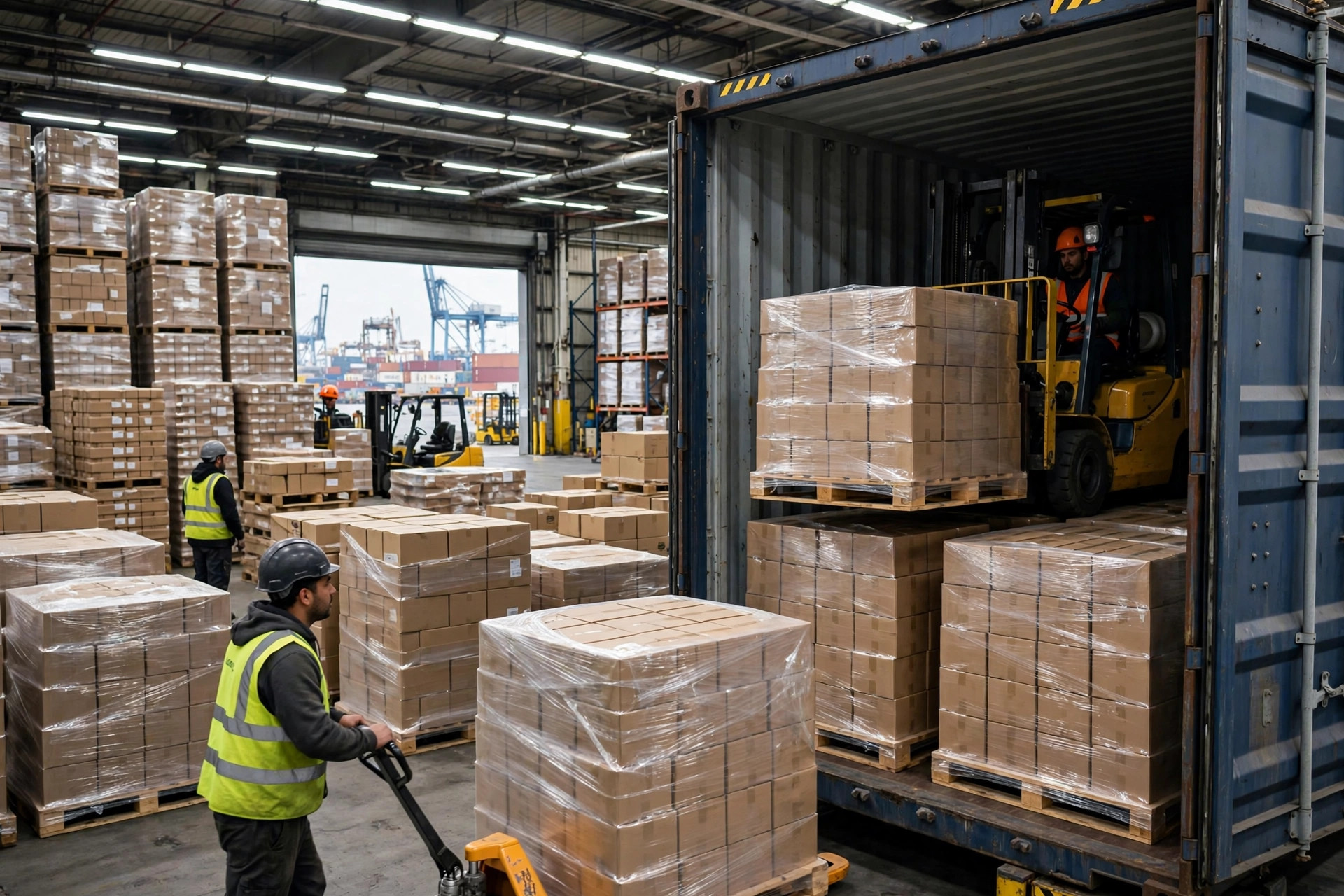
Rolled Cargo and Inspections: The Two Knives
Rolled cargo first. "Rolled" means your goods missed the booked vessel and got pushed to the next sailing. It's brutally common in LCL — unfilled containers or overbooked vessels, and small shippers get bumped first. September 2023, 4 CBM to Long Beach: three days after cut-off, my forwarder told me the cargo missed the vessel. Next sailing: 8 days later. My Black Friday restock plan lost a whole batch.
How I handle it now:
- Book 2 weeks early in peak season. Don't deliver to the warehouse on cut-off day.
- Get it in writing: demand the bill of lading number within 48 hours of sailing. A B/L number means it's really on the ship.
- Build buffer: work backwards 40 days from your listing date. One roll won't kill you if you planned for it.
Then inspections. March 2025: 4 CBM of Bluetooth speakers with lithium batteries, properly declared. LA port pulled it for inspection — 5 days of examination, plus exam fees, storage, and re-documentation totaling $400+. Missed my Easter restock window.
I accept that $400 — I've seen a fellow seller get caught under-declaring: 3 weeks held, fines 10× mine. With inspections, honest declaration is the best lightning rod. Batteries, magnets, liquids, powders — tell your forwarder upfront and use a qualified consolidation channel. Budget for a possible exam when you plan the shipment.
Destination Pickup: The Hidden-Fee Jungle
Destination is where small sellers get wrecked, because this is where quotes play word games. Keep this checklist:
- THC (terminal handling): per CBM with a minimum. I've seen $195 minimums — on a 2 CBM shipment, THC costs more than the freight itself.
- Doc fee: $25–50 flat
- Storage: usually 3–5 free days (check the destination warehouse's policy), then tens of dollars per day
- Devanning: unloading your cargo from the shared container, per CBM or per shipment
- Trucking: to your 3PL or Amazon warehouse — the farther, the pricier
- Amazon appointment costs: FBA deliveries need appointments; miss the slot and you pay waiting fees. Amazon is strict about delivery windows now — late trucks can get turned away
The biggest trap: quotes that say "destination charges at cost" or skip the destination entirely. Any quote that won't commit destination charges in writing, treat as hostile. My standard now: either DDP to door with a fixed total, or a line-item destination breakdown in black and white.
One more trick: 7 days before arrival, confirm pickup with the destination agent. Book FBA appointments and 3PL receiving slots early — every idle day at the port is storage fees you could have avoided.
The Four Rules I Live By
If this LCL shipping small seller guide had to fit on a napkin, it'd be these four rules:
- Compare totals, not rates. Door-to-door all-in is the only real number.
- Above 15 CBM, quote both. LCL and full container, every time. Don't assume LCL is cheaper.
- One primary + one backup forwarder. Direct consolidator access. Reachable humans when things break.
- Plan 40 days out. Rolled sailings, inspections, pickup queues — any of them can eat a week.
LCL is an information-asymmetry game: forwarders profit from what you don't know about destination charges. Learn this stuff, ask those five questions, and the forwarder will know they're dealing with someone who's been around. The quotes get honest real fast.
This approach genuinely works for me — my first-leg freight cost is down 18% from two years ago, and my timelines are more reliable, not less.
By Ah K, E-commerce Seller (5 yrs)