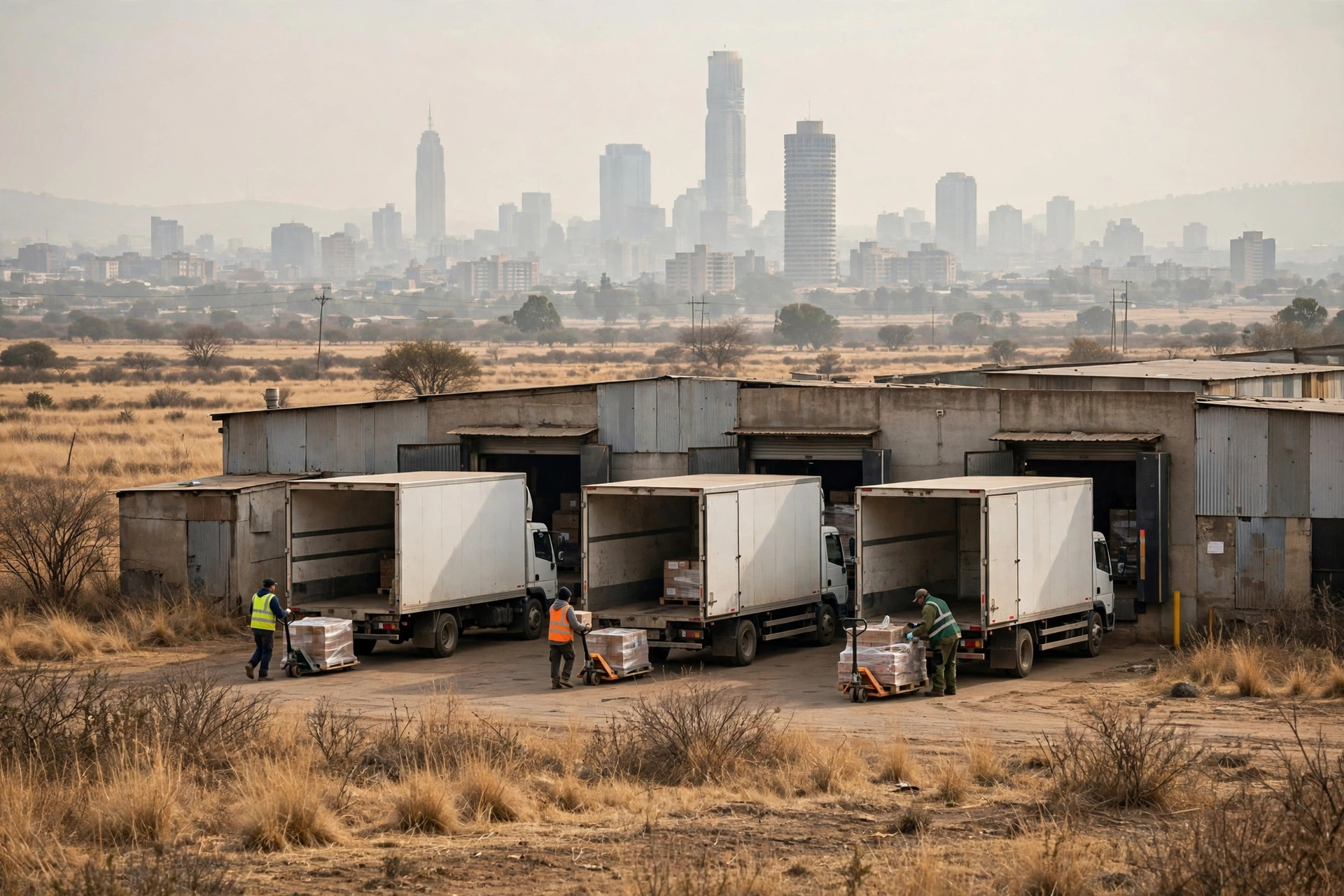
We had a client, a consumer-goods importer I'll call Chen, who came to us in the autumn of 2025 with two quotes in his hand and a grin on his face. He was about to put his first stock into Kinshasa, and the riverside warehouse beside the port corridor looked like the obvious winner: the quoted rent was well below the suburban option, the space was bigger, and container trucks could pull right up to the door. He asked me if there was even a decision to make. I told him not to sign anything until we had drawn, on one page, how his goods would actually move. That drawing changed the whole conversation.
Chen's first shipment was six containers coming in from the seaport along the corridor to Kinshasa. On a dry day the corridor behaves itself. In the rainy season it is a different road altogether. That week his trucks lost four extra days on the road, his warehouse crew waited up for two midnight unloading sessions, and two of his fastest-selling lines went out of stock in the shops. He panicked and air-freighted a small top-up batch. On his own reckoning, that one air shipment cost about as much as several months of the rent saving that had made the riverside warehouse look so attractive. The cheapest warehouse on paper had handed him his most expensive month of the year. That is the first thing anyone selling warehouse space in Kinshasa learns, usually the hard way: the rent on the quote is only one line of the bill. Every extra day on the road, every night of overtime unloading, every stockout you have to fly your way out of is rent by another name.
The riverside site that looked like a bargain
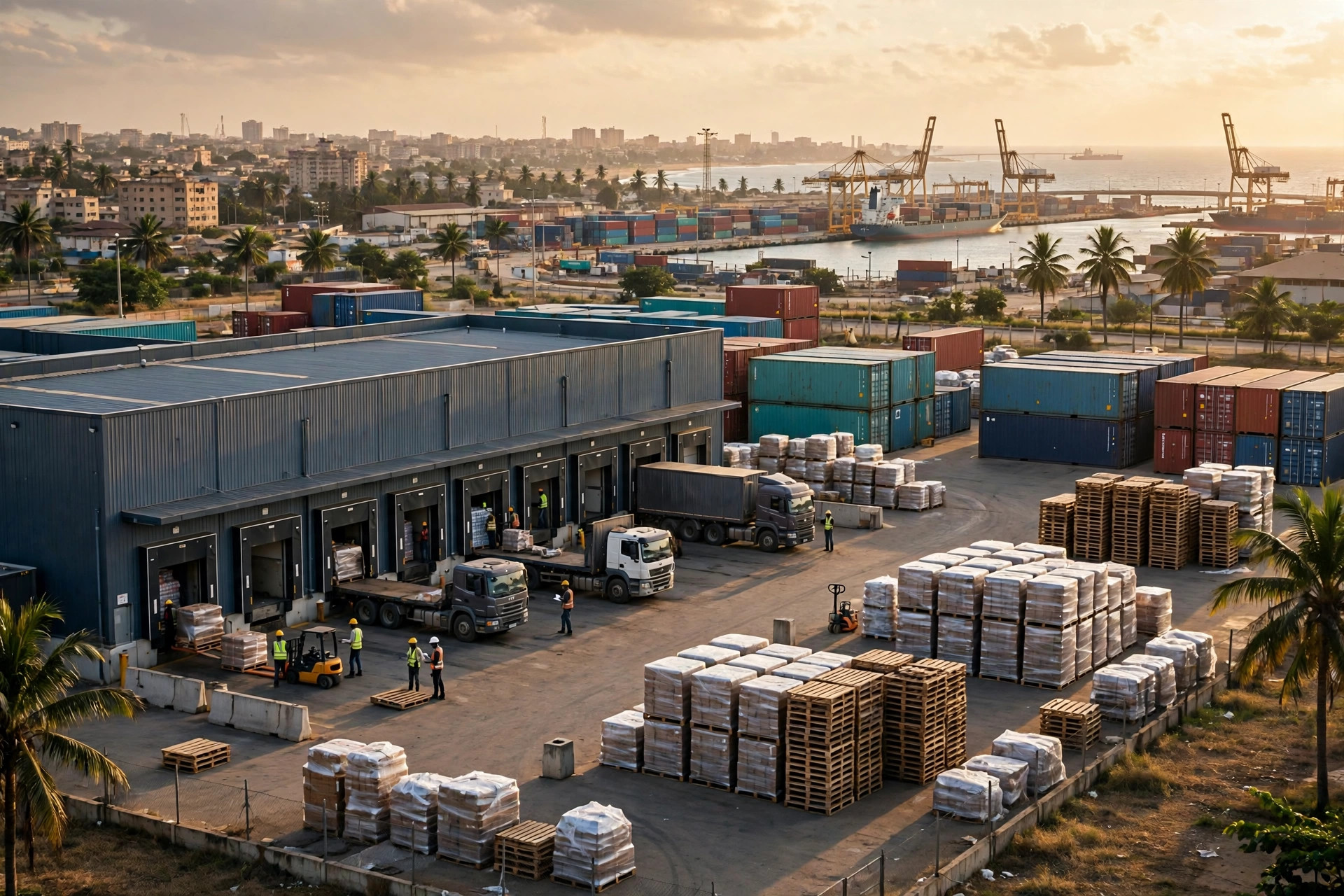
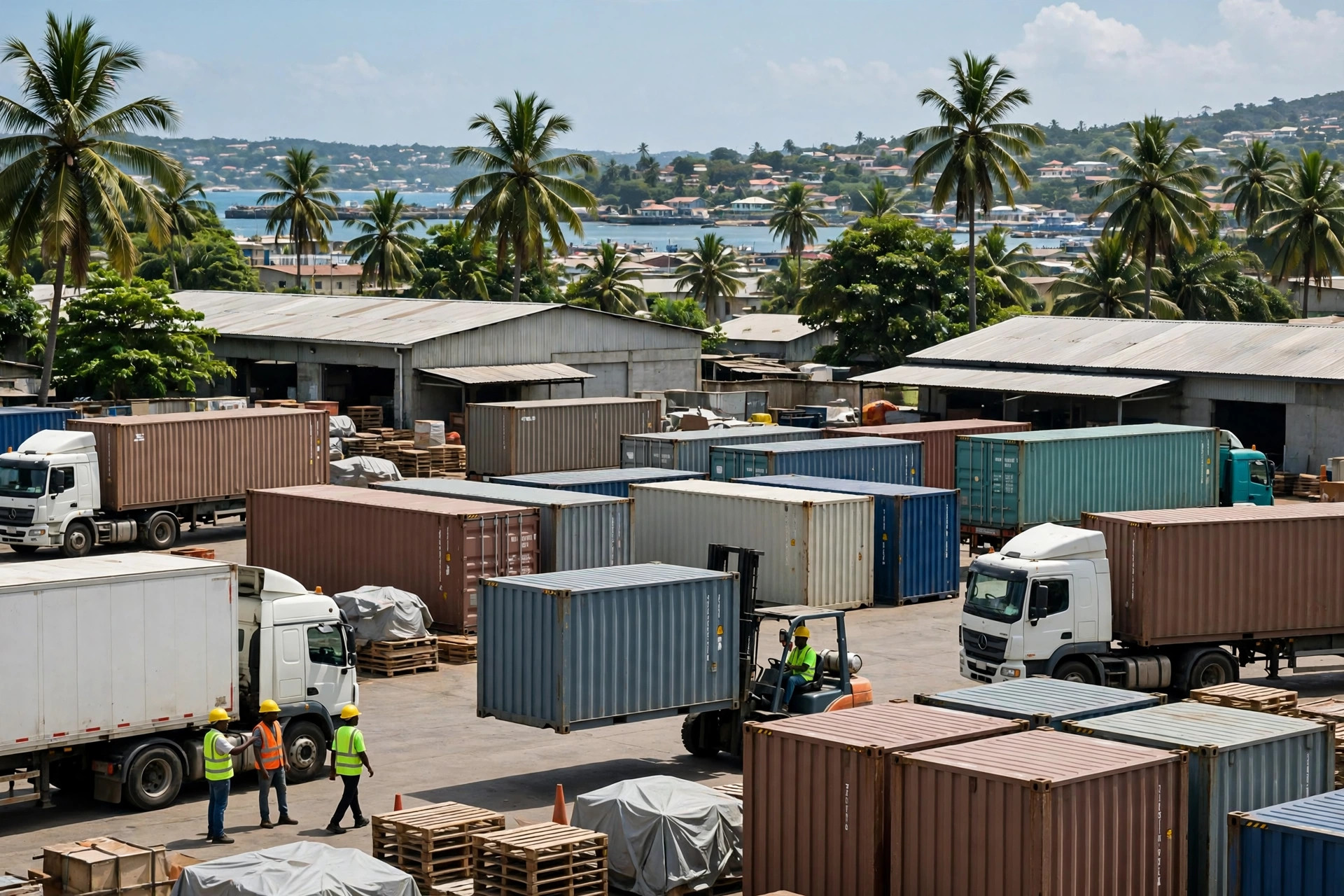
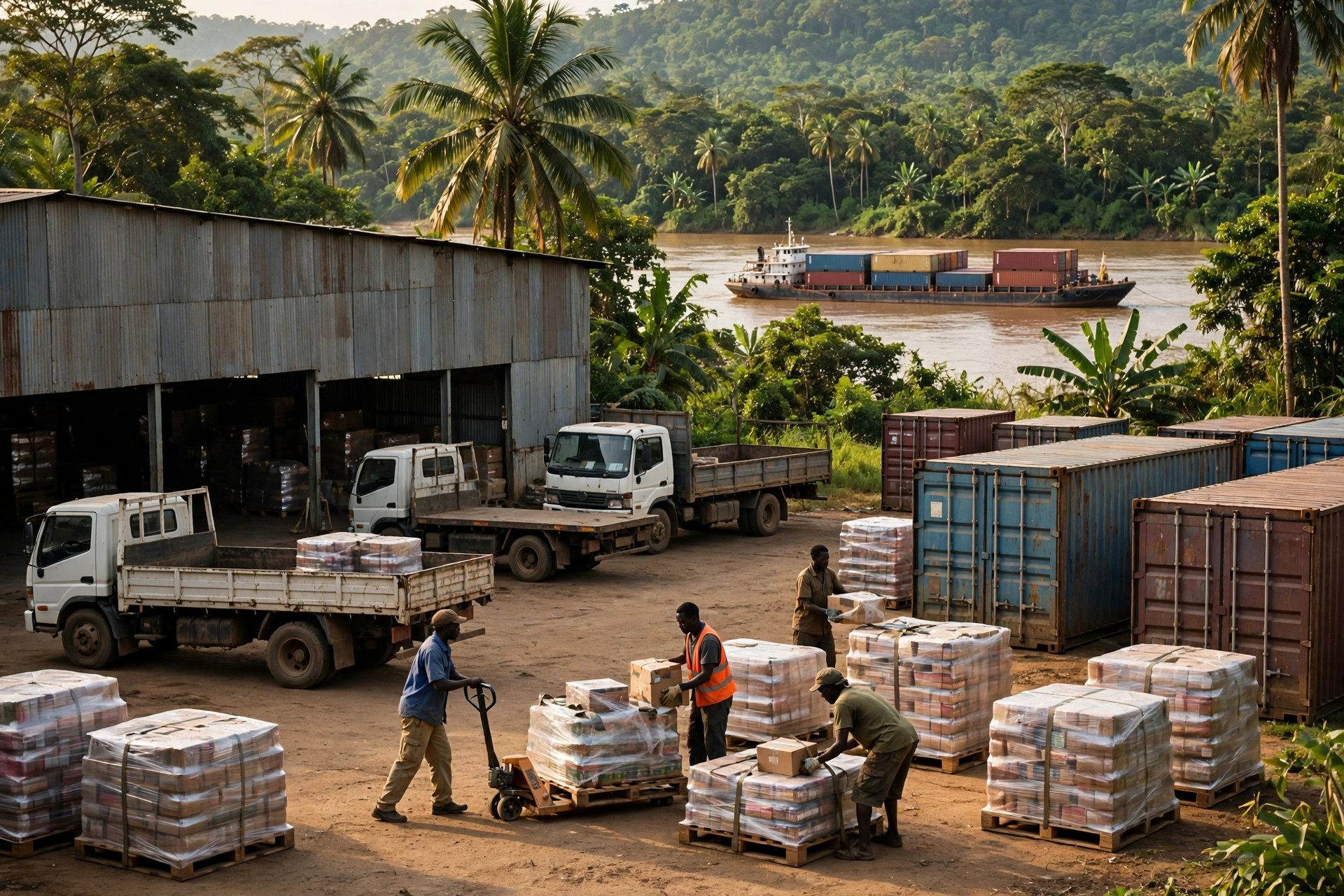
Riverside and corridor warehouses sell themselves easily. The containers come in along the corridor, the truck turns into your yard, the goods come off. It sounds like putting your warehouse on the goods' own front doorstep. What the brochure never mentions is what the site does on its worst day. Does the yard drain, or does it pond? Will the ground take a loaded forklift after heavy rain? Who actually provides night security, and who pays when the fence or the lighting needs fixing? None of that appears on a quote. It only appears in the contract, usually in the small print, after you have signed.
I have watched a client learn this the expensive way. He took a riverside warehouse because the rent was right, and in the first rainy season the loading area flooded just enough that forklifts could not get in. His team moved goods by hand, and the labour hours roughly doubled for those weeks. When he went back to the landlord, the contract said the site was handed over "as is," and maintenance responsibilities were vague enough to be useless. He ended up paying for the fix himself. So when I take a client to look at a riverside site in Kinshasa now, I tell them to go after rain, not on a sunny morning, and to ask the landlord one question before any talk of price: why did the last tenant leave? If the answer comes slowly, you already have your answer.
The big suburban shed and the last-mile bill
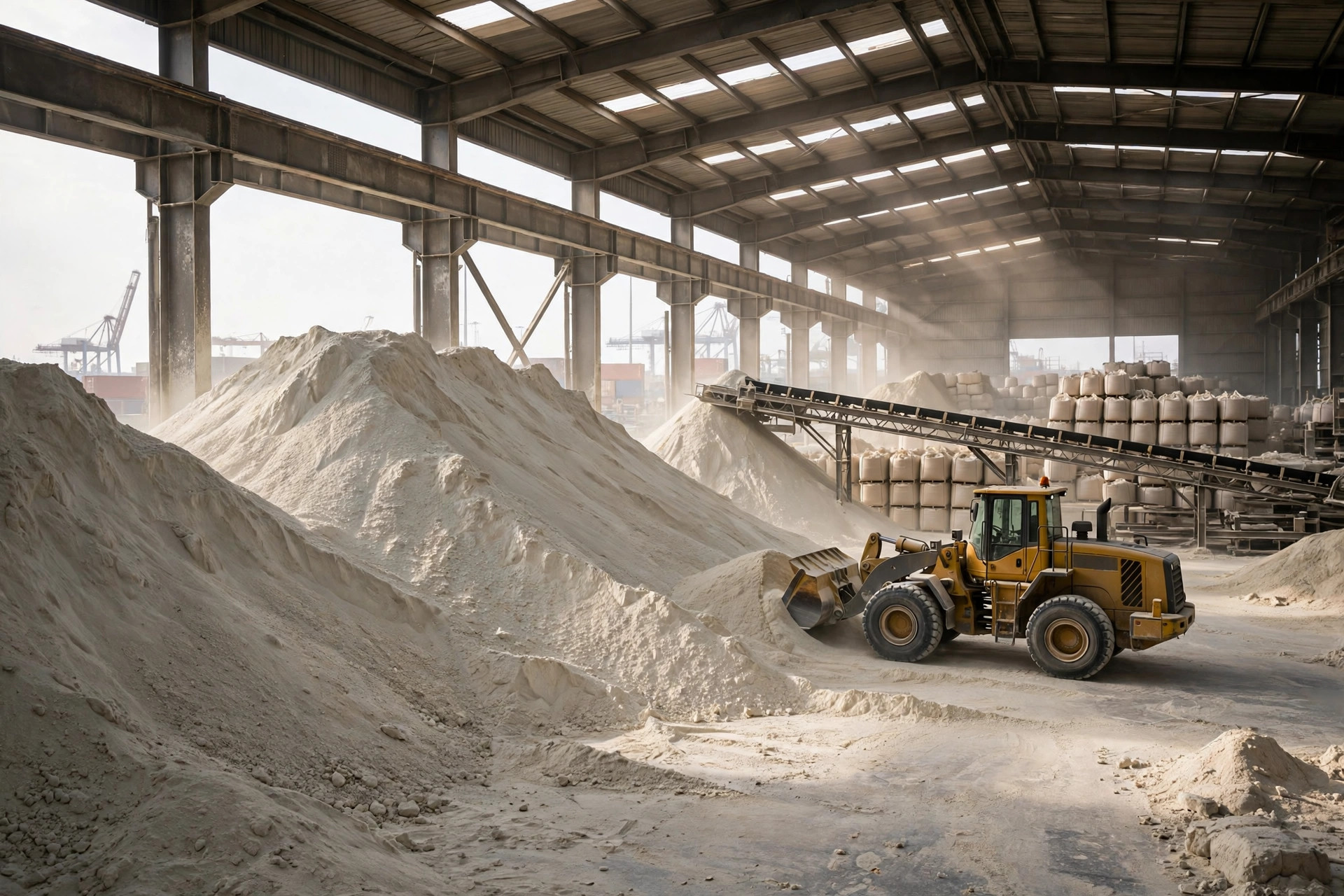
The second story is a distributor I worked with in 2024. He took a 6,000-square-metre shed on the outskirts of Kinshasa because the unit rate was low and he wanted room to stock up. Within months it was clear that only about half the space was turning over regularly; the rest sat there, quietly eating rent. Worse, most of his customers were in the city, so his delivery vans spent their days travelling back and forth between the suburbs and town. Fewer trips per day, more driver overtime, and the urgent orders that could not wait became the ones he lost. When we added it all up at year end, the rent he had saved on the big shed had been handed straight back in fuel, overtime, and missed emergency orders.
The fix we landed on surprised him. We kept the suburban shed as the main stockholding site, but only for the slower-moving lines, and added a small cross-dock point near the city. Every morning the cross-dock was topped up from the main shed, and city orders went out from there. On paper he was now renting two sites instead of one. In practice his city delivery rounds went up, urgent orders stopped being a scramble from the suburbs, and his total bill came down. Here is the counter-intuitive judgement at the heart of this market: in Kinshasa, the big warehouse is not automatically the cheap option, and a small city site plus a cross-dock can be the cheaper system. You are not choosing a warehouse. You are choosing a diagram of how goods flow.
I usually get clients to match themselves against this comparison before they start haggling over rent:
| Location | Best for | The contract clause that matters most | The trap |
|---|---|---|---|
| Beside the port corridor | Importers with frequent container movements | What happens to rent and liability when access is blocked | Counting only the rent and missing the delay cost in rain and road trouble |
| Big suburban shed | Distributors holding a lot of slow stock | Whether you can rent in phases or shrink the space early | Paying for empty space while delivery distance eats the saving |
| Small city or near-city site | Sellers with dense city orders needing same-day delivery | The cap on rent rises and the terms for early exit | Flinching at the unit rate and forgetting what it saves in delivery and stockouts |
There is no universal winner in that table, and the right answer changes as a business grows. When volumes are still unsteady, I generally push clients not to lock themselves into a long term. Once volumes are steady and delivery routes are fixed, that is the moment to trade a longer commitment for a better rate. In a fast-moving market like Kinshasa, flexibility in the contract is sometimes worth more than a discount on the rent.
On a site visit, I tell clients to bring a tape measure and shoes they do not mind getting dirty: the tape checks whether the aisles are really as wide as claimed, and a walk of the loading yard shows cracks, blocked drains, and where the water goes when it rains. One muddy walk tells you more than ten pages of marketing material.
Three questions to ask before you sign
First, how does the rent go up? The cap, the notice period, and the basis for any increase all need to be written down. "To be mutually agreed" is not a clause; on the day of a rent rise, it generally means whatever the landlord says. Second, what does it cost to leave early or shrink the space? How many months' rent as a penalty, how much written notice, whether the deposit comes back, and under what conditions you can exit without penalty all need settling before signature, not after. Third, when something outside anyone's control happens — a power cut, a road closure, an inspection hold — who carries the cost? Does the rent pause while goods cannot move? Who owns security and repairs? How is damaged stock compensated? These clauses look fussy on a quiet day. On a bad day, every one of them is money.
One more piece of advice from the selling side of the table: deposits deserve their own negotiation. Some landlords ask for several months' deposit up front, and clients busy haggling over rent forget that a deposit is cash out the door, and the hardest money to get back. I will give a little on rent to win ground on the deposit, and I always get the return conditions and timetable in writing, plus any rent-free fit-out period. Every rent-free week you negotiate is real cash.
And a word on duties and clearance, because clients always ask: treat tariffs, clearance rules, and official charges as subject to the latest local policy, and never let a contract bundle them into a fixed "all-in" price on the strength of a verbal promise. A verbal promise is worth nothing on payment day. Only what is written in the contract counts. Clients tend to fixate on the unit rent at signing, and only afterwards discover that what really decided whether the warehouse was cheap or expensive was already written in the contract. They just had not asked about it line by line.
By Susan, 3PL Sales Director