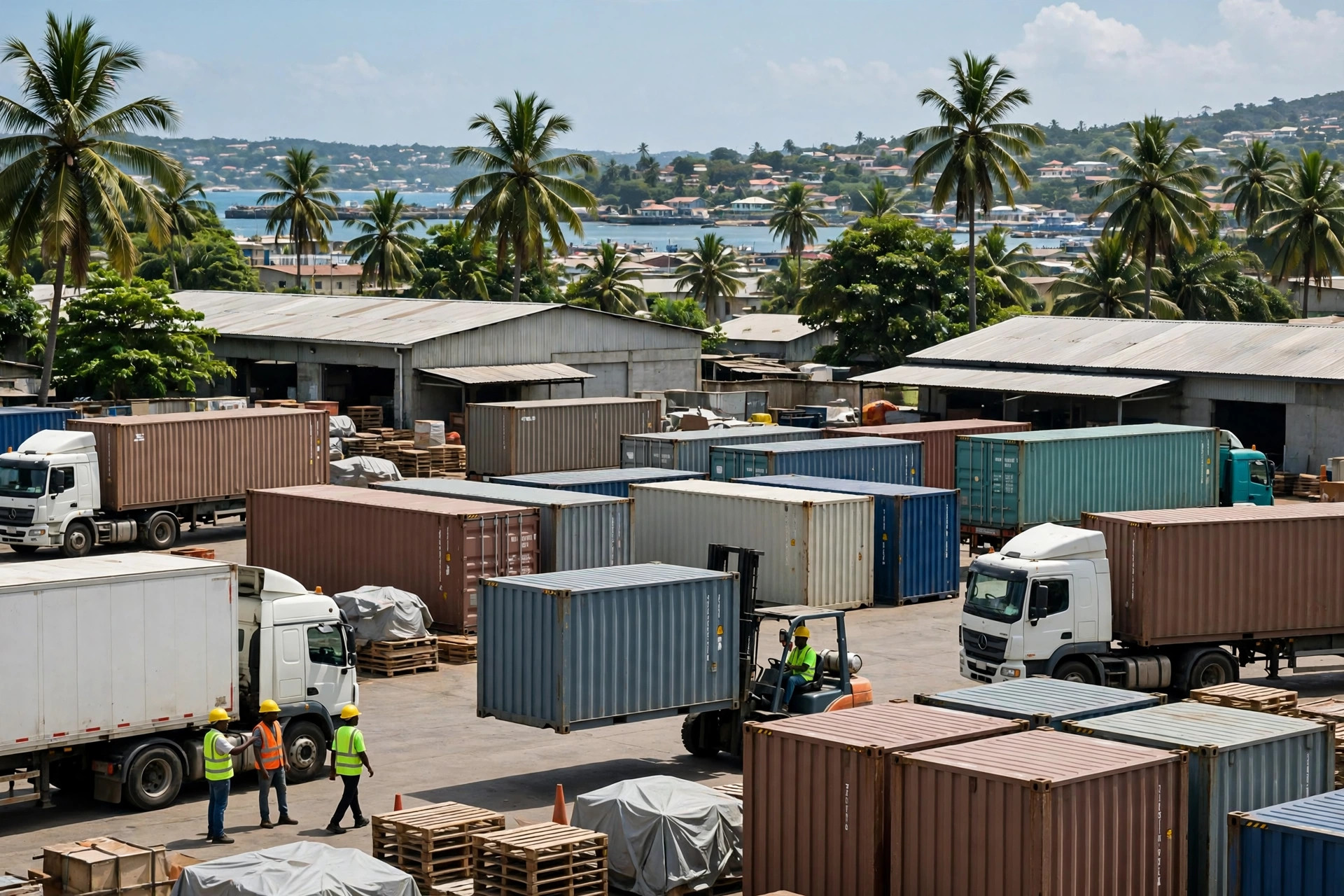
The Dar es Salaam Tanzania warehouse market sounds like a no-brainer until you actually put stock in it. Port on one side, inland corridors on the other — what could go wrong? Plenty, as I found out the hard way. I shipped two containers in for a friend selling small home goods, grabbed space near the port corridor because it looked efficient, and watched the savings evaporate into queues, overtime, and rework. This is the seller's version: port corridor, suburbs, and inland distribution, priced in headaches as much as in money.
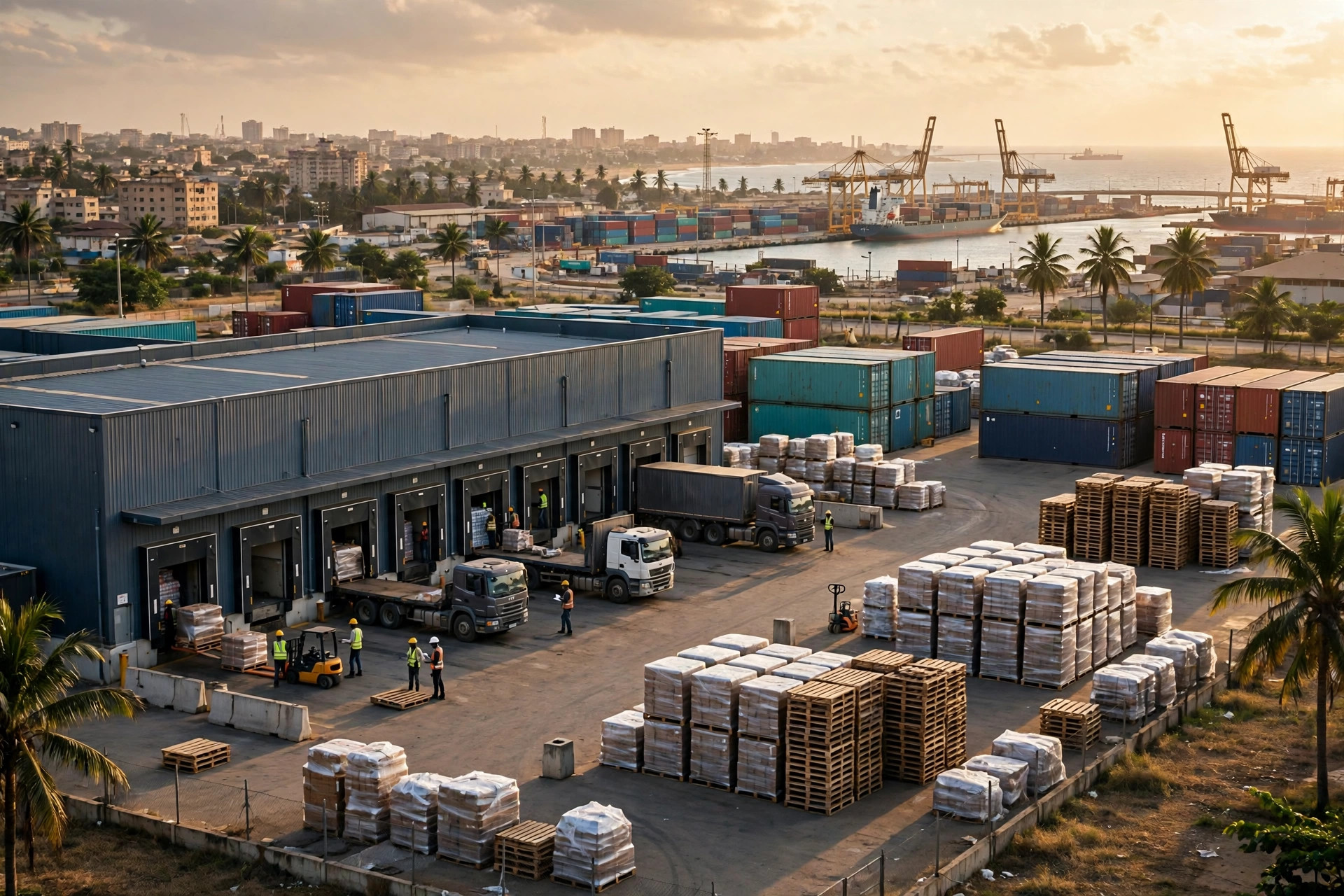
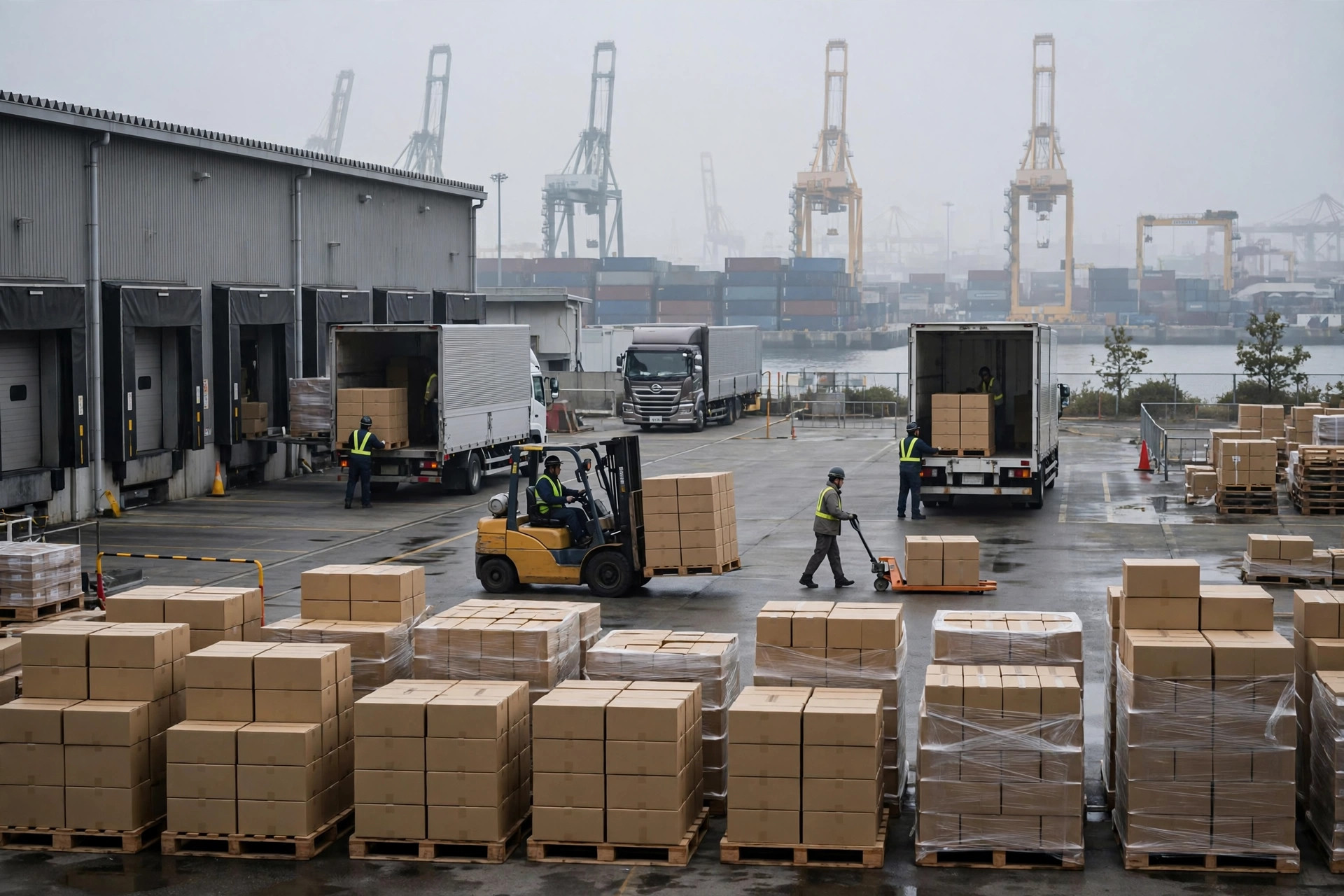
The first container taught me the lesson. We picked the port-side warehouse to skip a transfer leg, then waited two days just to get the truck in. During the evening peak, trucks could not get through at all, so the unload crew sat on overtime and we were still breaking down pallets at midnight. The second container hit the rainy season: the yard pooled water, cartons had to be raised and shifted twice, and we paid a second crew to redo finished work. The transfer we saved was small. The waiting and rework swallowed it whole, and two batches missed their ship dates.
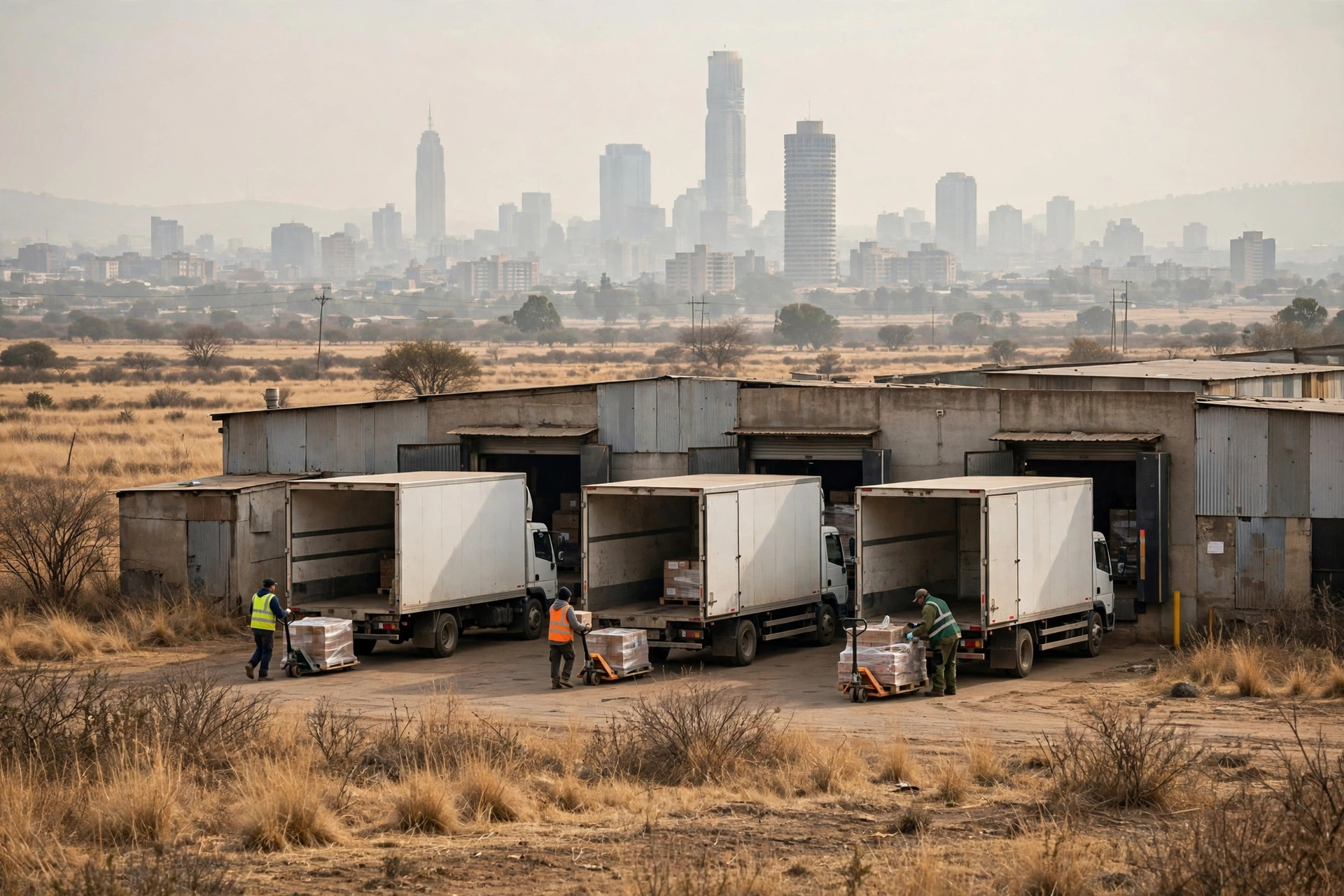
Moving part of that stock to a suburban warehouse changed the rhythm overnight. Yes, it added a leg from the port. But the yard was big, trucks came and went without queuing, and we scheduled breakdowns on our own clock instead of the port's. Better still, the site worked as a real distribution point: city orders went out the same day, and inland stock waited until we had a full truck. Sellers do not fear distance. We fear chaos. A port warehouse wins on proximity, a suburban one on predictability — different currencies, not comparable by kilometers alone.
A suburban site also makes mistakes cheaper. In a cramped port warehouse, a mis-pick or wrong label during peak hours has nowhere to go — there is no space to rework, so the bad order ships and comes back as a return. In the suburbs we set aside a rework corner, and wrong orders got re-picked and re-labeled the same day. My rule since: anything needing secondary sorting, repacking, or local labeling never goes to the port warehouse. It looks like an extra transfer. In practice it saves returns and bad reviews, which cost a seller account far more than one truck leg.
The rainy season also rewired how I inspect a warehouse. I used to look at floor area and ceiling height first. Now I check yard drainage, whether the floor sweats in wet weather, and whether trucks can turn around easily. A damp floor can ruin carton bottoms overnight, and a customer who receives a water-marked box treats it like a used product. Landlords will not volunteer this. Go look in the rain, or ask the previous tenant.
The Dar es Salaam Tanzania Warehouse Market and the Port Corridor
Port corridor space suits exactly one kind of stock: freight that moves almost immediately. Fast-moving consumer goods headed straight to city stores, or full truckloads with a buyer already booked, can justify the premium. The goods are in and out in days, so location buys you sales, not storage. But if you are an e-commerce seller holding stock for three or four weeks waiting for sell-through, a port warehouse charges you for the privilege of lying still. The better the location, the less it wants your slow stock sitting there.
There is another cost sellers routinely miss: port corridor trucks are the most contested trucks in the city. In peak season, both rates and waiting times climb together, and your outbound plan ends up hostage to the transport queue. My rule after getting burned is blunt: if stock cannot leave within 72 hours of landing, it does not go to a port warehouse at all. It goes straight to the suburbs. Drawing that line in advance killed most of my midnight calls hunting for trucks.
The Dar es Salaam Tanzania Warehouse Market: Suburbs Versus Inland Distribution
Suburban warehouses and inland distribution are two different businesses, and confusing them is expensive. A suburban warehouse serves Dar es Salaam and the surrounding city cluster: fragmented orders, high frequency, and the whole game is pick speed and on-time city delivery. Inland distribution is a different skill: consolidating loads, stitching cross-border legs together, and sending freight toward Rwanda, Burundi, Uganda, and Zambia. Ship before you have a full truck and you lose money on every pallet.
A fellow seller gave me the cautionary tale. He sold small appliances and wanted to cover inland East Africa from a single Dar es Salaam warehouse, convinced one warehouse for every market was cheapest. Inland orders came in, consolidation took three or four days, customers chased him daily, and he split small orders into courier shipments whose freight wiped out his margin. He switched to two tiers: the suburban warehouse as the main hub for city orders, inland wholesale only for full trucks, and scattered inland orders handed to a local partner. His inland volume did not fall. His freight share did. One warehouse covering all of East Africa sounds cheap because the distribution cost hides inside every order's freight bill.
| Option | Best for | Biggest trap | Seller rule |
|---|---|---|---|
| Port corridor warehouse | Fast-turning stock, in and out in days | Queues, peak-season truck fights, slow stock penalties | If it cannot leave in 72 hours, do not put it here |
| Suburban warehouse | High-frequency city and nearby orders | One extra leg from the port | Trade distance for a stable rhythm |
| Inland distribution point | Full trucks, wholesale, cross-border loads | Half-empty trucks, courier-priced split orders | Outsource scattered orders, ship only full trucks |
Do Not Let the Word "Big Market" Do Your Thinking
Here is the counter-intuitive part: the real opportunity is not land beside the port. It is knowing how to distribute. Newcomers ask where rent is lowest and which site is closest to the port. They should ask what rhythm their own stock runs on. Fast stock fears waiting. Slow stock fears cost. High-frequency small orders fear chaos. Inland orders fear fragmentation. Four fears, four warehouse answers, and no single site covers all of them.
Three moves you can use directly. Sort stock by turn time before you look at a map: out within 7 days, within 30 days, or longer, then match warehouse type to tier. Before signing, get straight answers on peak-season queuing, yard drainage in rain, and whether night work costs extra. If those are vague, the add-on bills will not be. Line up your inland partner before taking inland orders, not after stock is sitting in your warehouse. For rents and vacancy, check current local market reports — I am not inventing numbers here. Your own order rhythm is the part you can calculate with confidence.
One more detail for inland orders: the cross-border leg usually breaks on documents and handoffs, not on distance. Freight hits a border, changes trucks, changes paperwork, and queues again, and any step without an owner means stock just sits there. I align documents, contacts, and the receiving warehouse the day before dispatch, and on dispatch day I track one thing: did the truck leave on time. After that, the local partner reports on an agreed rhythm. Responsibility is cut cleanly, so you can see instantly who dropped the ball.
And some seller-to-seller honesty: do not rent a big warehouse for the sake of "covering East Africa." Coverage is a result, not a starting point. Get Dar es Salaam city orders running on time first, then inland wholesale, then a distribution point. Move too fast and rent, labor, and freight burn together while your account is still finding its feet. In a new market for a small seller, slow is fast.
When I inspect a site now, I bring my own four-box sheet and ignore the landlord's pitch: days to pull a container from the port, days city delivery can stay on time, days to consolidate one inland truck, and roughly what peak overtime and rework add per order. Fill in the four boxes and the right warehouse usually picks itself. The box you cannot fill is exactly what to ask about before signing. For a seller entering a new market, the most expensive thing is not rent. It is the first contract signed without understanding the rhythm.
This one I tested myself: sort stock by rhythm first, pick location second, and a lot of wasted money never happens.
By Ah K, E-commerce Seller (5 yrs)