We had a client, a tea importer in Guangzhou, who called me in 2024 full of excitement. He had just bought his first lot of Kenyan black tea at the Mombasa auction for a little over two dollars a kilo, far cheaper than his domestic sourcing. I told him what I tell every client who falls in love with an auction price: the auction price is only the ticket. The real bill for Kenya tea export warehouse logistics gets written between the highland estates and your warehouse in Guangzhou. He had not done that math. Three months later he called back in a very different mood. His tea arrived smelling faintly of coffee and spices. It had been consolidated in a Mombasa warehouse next to the wrong neighbors, the whole container had to be sold at a downgraded price, and the bargain evaporated.
Start with the numbers, because they set the stakes. In 2025 Kenya exported roughly 652.8 million kilograms of tea, earning about KES 186.9 billion, around USD 1.44 billion, at an average auction price of about USD 2.15 per kilo (source: Kenya National Bureau of Statistics). Pakistan takes about 36% of exports, Egypt about 13.9%, and the UK about 8.6%, with Kenyan tea reaching roughly 100 destinations. Kenya is the world's largest exporter of black tea, and about 99% of what it ships is CTC black tea. The Mombasa auction, run by the East Africa Tea Trade Association, is one of the largest black-tea auctions in the world. Big volumes mean big absolute losses when warehousing goes wrong. A small percentage mistake on a 652-million-kilo trade is not a rounding error. It is a fortune.
Tea Does Not Fear Price. It Fears Other People's Smells
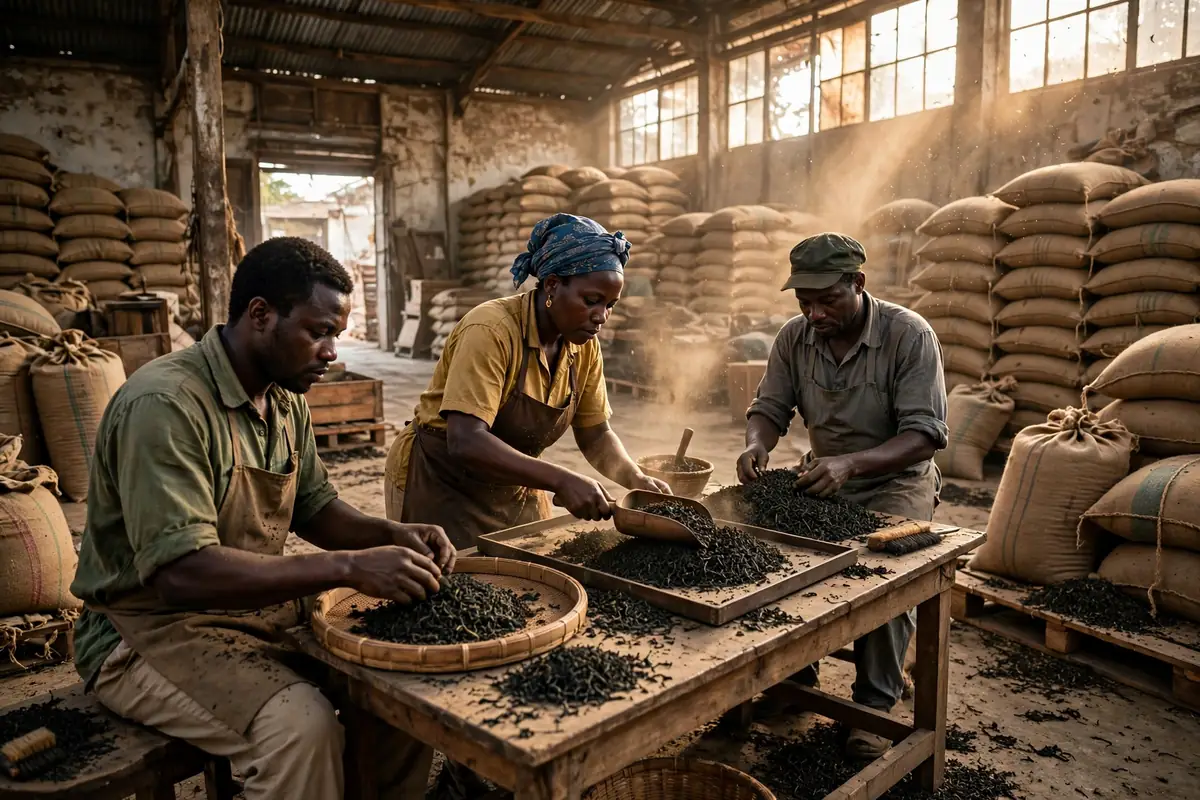
Dried tea is a sponge. Coffee beans at least have a roasted skin and some oil to protect them. Dry tea absorbs whatever sits next to it. Kenyan tea is picked on highland estates, processed into CTC black tea at inland factories, bagged, trucked to warehouses around Mombasa, and then it waits: for the auction, for consolidation, for a ship. Along the way it faces three risks, and every one of them lives in the warehouse, not on the farm.
Moisture comes first. Mombasa is a humid port city. If a warehouse skips moisture control, the bottom layer of sacks takes the hit. Damp tea is not just a quality problem. If auction inspectors find excess moisture, the whole lot drops a grade, and the price drops with it. One of our clients learned this the cheap way the second time around: his contract specified raised pallets, storage away from walls, and regular humidity checks. The warehouse agreed to all of it. Then nobody from the client's side ever checked. A clause nobody enforces is decoration.
Odor contamination is the expensive lesson, and the one most buyers overlook. Mombasa warehouses often store mixed cargo. Tea next to coffee, tea next to spices. The Guangzhou client's first container was ruined exactly this way. Run the illustrative math: a container of roughly 20 tonnes of CTC tea at the 2025 average auction price of USD 2.15 per kilo is worth a little over USD 40,000. Sell it downgraded at a 20% discount and you lose several thousand dollars on one container, enough to cover months of storage fees. The painful part is that the loss was preventable. His warehousing contract said nothing about keeping tea away from strong-smelling cargo. Nobody had asked.
Three Kenya Tea Export Checkpoints Between the Estate and the Port
I break Kenya tea export warehouse logistics into three legs, and each leg has its own trap. The figures below are illustrative scenarios, shown only to make the logic visible.
| Leg | What matters | Cost of getting it wrong (illustrative) |
|---|---|---|
| Inland factory warehouse | Grade separation, dry ventilation | Grades mixed, lot downgraded, roughly 10% of value gone |
| Pre-auction warehouse, Mombasa | Moisture control, isolated storage | Damp or tainted tea sells at a steep discount |
| Consolidation and loading | Dedicated container, no odor neighbors | One tainted container, months of claims back and forth |
The first leg is the factory warehouse near the estates. CTC tea is graded: PF1, BP1, PD, Dust, and more, each priced differently. Once grades get mixed on a pallet, you cannot unmix them. Another client of ours, a consolidator in Ningbo, once had half a pallet of Dust-grade tea mixed into a PD lot. The auction inspectors priced the lot at the lower grade, and the client spent two months arguing with the warehouse. The fix is boring and essential: grade separation written into the operating standard and into the contract, not left to "this is how we always do it."
The second leg is the pre-auction warehouse in Mombasa, where tea can sit for days or weeks. This is where daily management shows: humidity, ventilation, pest control. Pest control is a classic grey area in Kenyan warehousing contracts. The warehouse says "we do it regularly." Ask "how regularly," and you get a shrug. My advice: put the frequency in writing, inside the service-level terms, with a penalty for missing it. Otherwise you are betting on the warehouse's conscience.
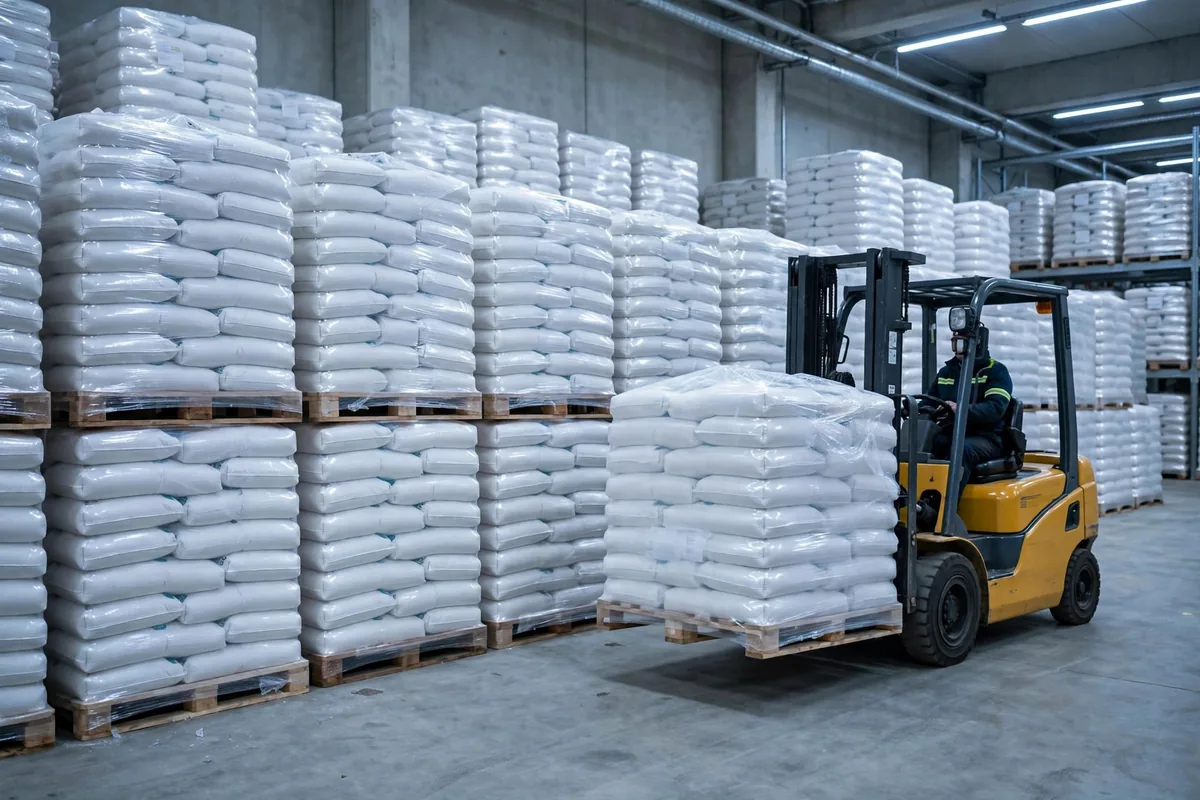
The third leg is consolidation and loading, and here is the counterintuitive call: the freight you save by consolidating tea with other cargo is often smaller than the loss from a single contamination incident. A container of tea does not cost that much to ship. One tainted container costs far more. So my position is blunt: ship tea in a dedicated container, or consolidate only with other tea. Freight forwarders may not love hearing it. Your wallet will.
Three Questions for Your Next Kenya Tea Export Contract
Everything above collapses into three questions. Next time you negotiate a warehousing contract in Mombasa for Kenyan tea, ask these three:
First, does the tea get its own storage area, and can the contract state that it will not be stored with coffee, spices, or other strong-smelling goods? If a warehouse will not put that in writing, walk away, no matter how cheap the rate looks.
Second, are humidity checks, pest control, and inspection frequency written into the service-level terms with real numbers? A contract that only says "regularly" has said nothing.
Third, if tea is tainted, damp, or mixed across grades, how is compensation calculated, and against which price? The average auction price of USD 2.15 per kilo is public. Anchor the compensation to it, and do not let the other side hide behind "market fluctuations."
The auction price is only the starting point. From the highland estates to Mombasa port, keeping tea dry, untainted, and correctly graded is where the money is actually made. Get those three things right, and every cent you saved at auction stays yours. Get them wrong, and you saved on the auction price and lost it on the warehousing bill.
By Susan, 3PL Sales Director