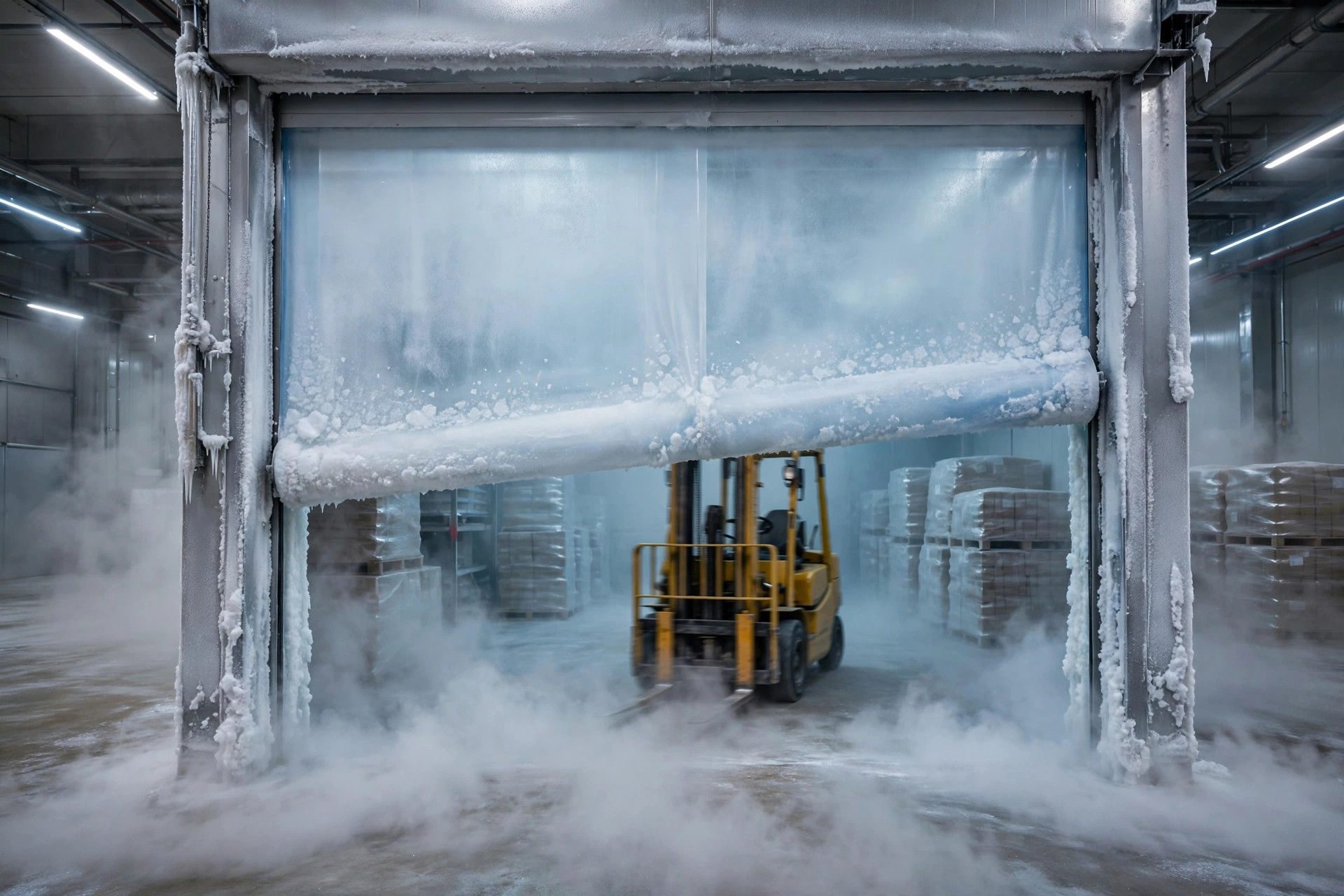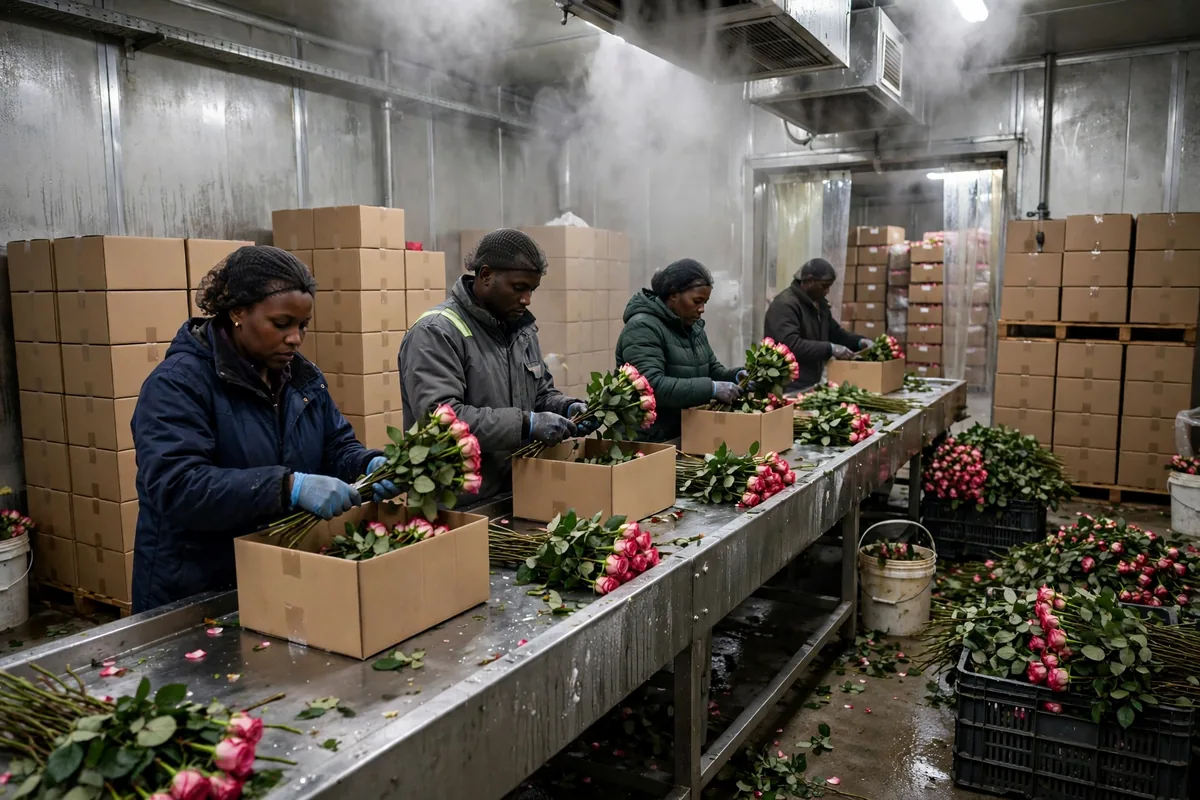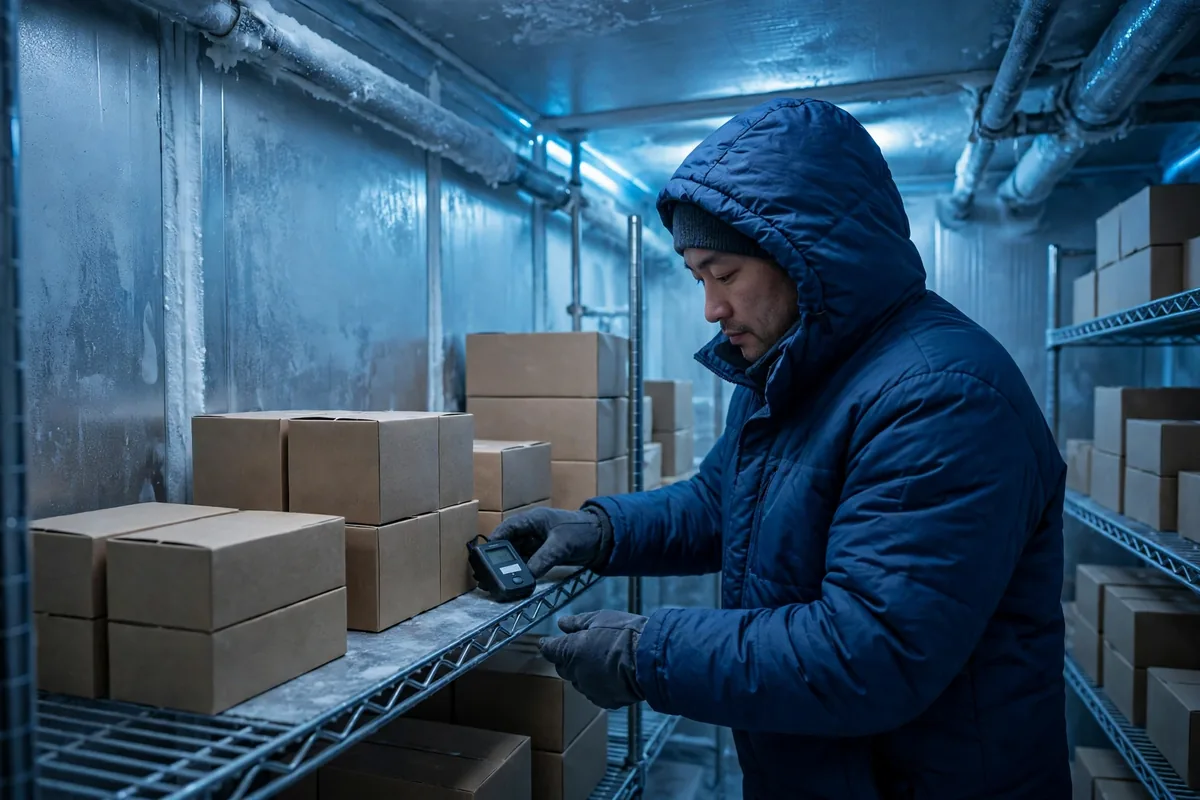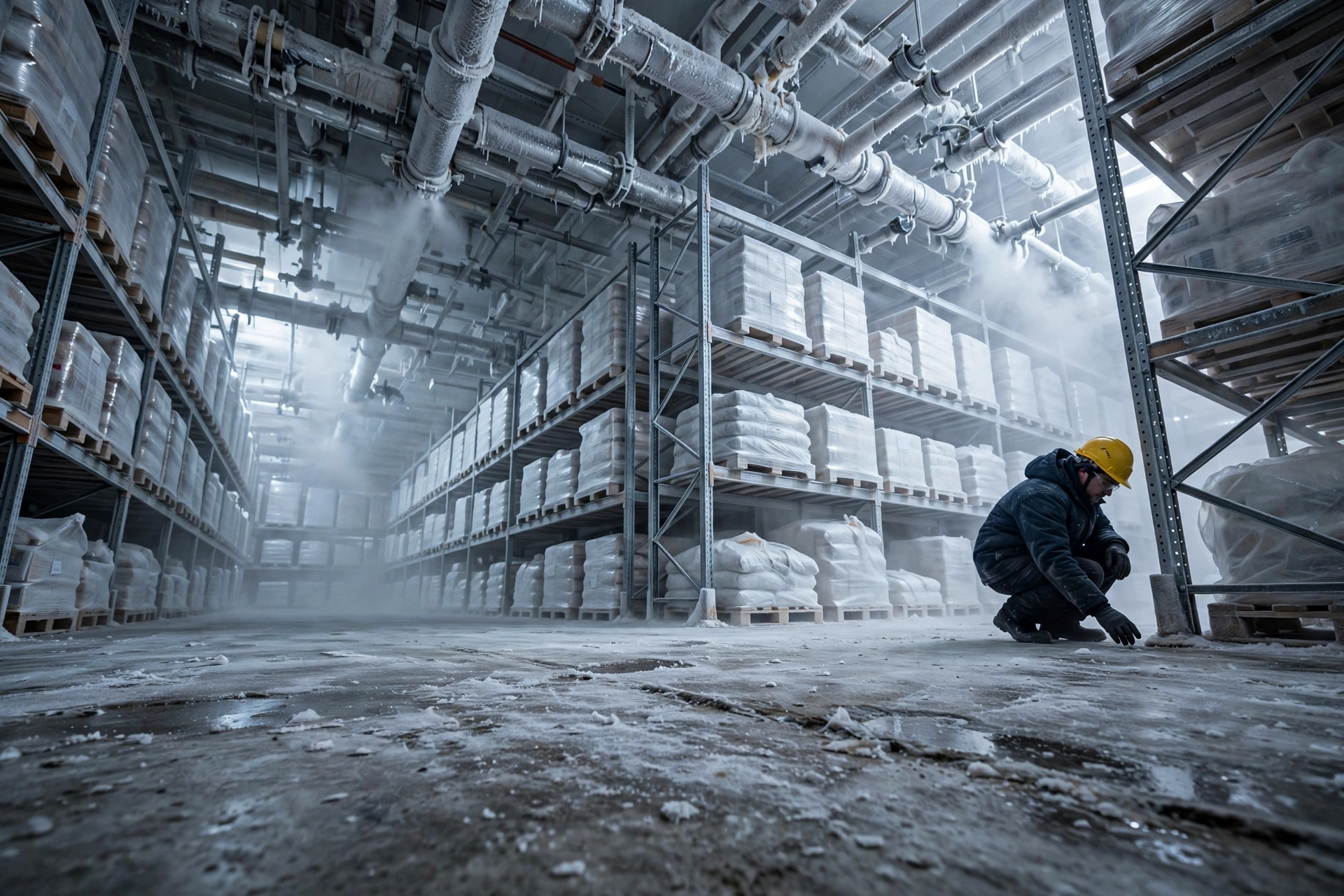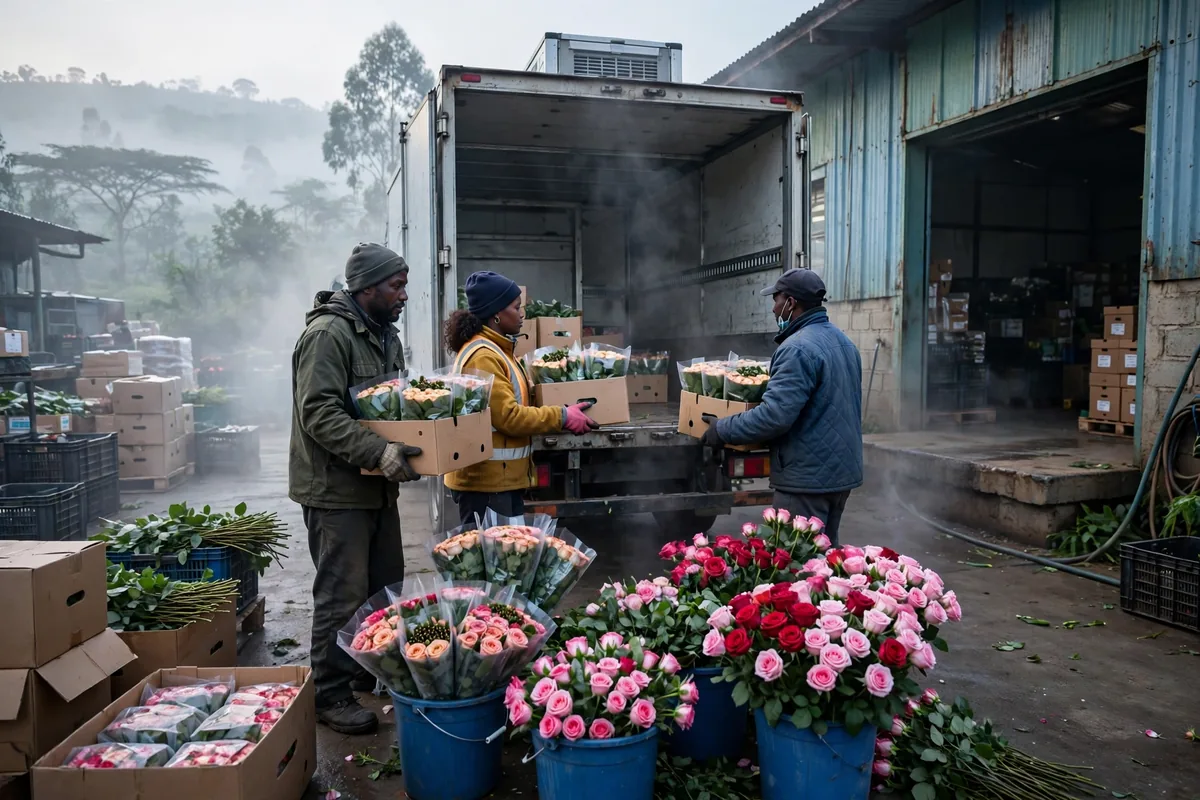
At four in the morning, in a grading shed outside Nairobi, the lights were already blazing and the crew had just pushed the freshly cut roses into the pre-cooling room. I stood by the door watching the probe temperature fall, and one thought stuck with me: kenya flower cold chain logistics is decided in the two hours right after cutting. Everything after that is damage control. I run ambient warehouses for a living, so flower cold chain is not my home turf. But the floor logic is identical. Every extra minute a product sits in the wrong temperature, you pay for it later, and the product never tells you until it is too late.
That visit was in November 2023, tagging along with a friend who exports. His farm was not far from the airport, yet that day's batch sat in the shed waiting for grading for most of the morning before it ever saw a cold room. By loading time, the heads already felt soft. He shrugged and said the grade at the European auction would slip. I asked why they did not pre-cool first and grade second. Peak season, short staffed, that is just how it goes, he said. There it is. The failure was not missing equipment. It was the sequence.
Kenya flower cold chain logistics starts with pre-cooling discipline
A cut flower is still alive. It respires, and it generates heat. If you do not pull that field heat out fast, your refrigerated truck later is not cooling flowers, it is slowly cooling a warm, tightly packed load, unevenly. In my warehouses we preach first in, first out. With flowers it is first cut, first cooled. Move small lots into the cold room quickly, grade and pack in a cool working area if you can, and do not let stems queue at ambient temperature because the grading line is backed up.
A farm near Lake Naivasha showed me the other way of doing it. I visited again in February 2024, just before the Valentine's Day rush. Their harvest carts came in and went straight to pre-cooling. Grading and bunching happened in a chilled work area beside the cold room, boxes were packed there, and pallets waited on ice-lined staging until the truck came. The supervisor told me complaints dropped noticeably after they flipped the sequence. He did not show me a report and I will not invent a percentage for you. But I believed him, because the flow was visible: no warm queues, no boxes sweating in a corner, no confusion about which lot was oldest.
One warning from the equipment side of my brain: colder is not automatically better. Different varieties tolerate cold differently, and chilling injury can be worse than a short warm spell. Set points, pre-cooling duration, and load density must follow the variety, the equipment maker's guidance, and the latest Kenyan export inspection and airline acceptance requirements, which you should always confirm against the official current policy. In my own buildings, set points go on the wall and whoever changes one signs for it. Do the same in a flower cold room. If the night shift quietly nudges a thermostat, the morning crew inherits a mystery and the flowers inherit the damage.
The airport leg: where kenya flower cold chain logistics quietly breaks
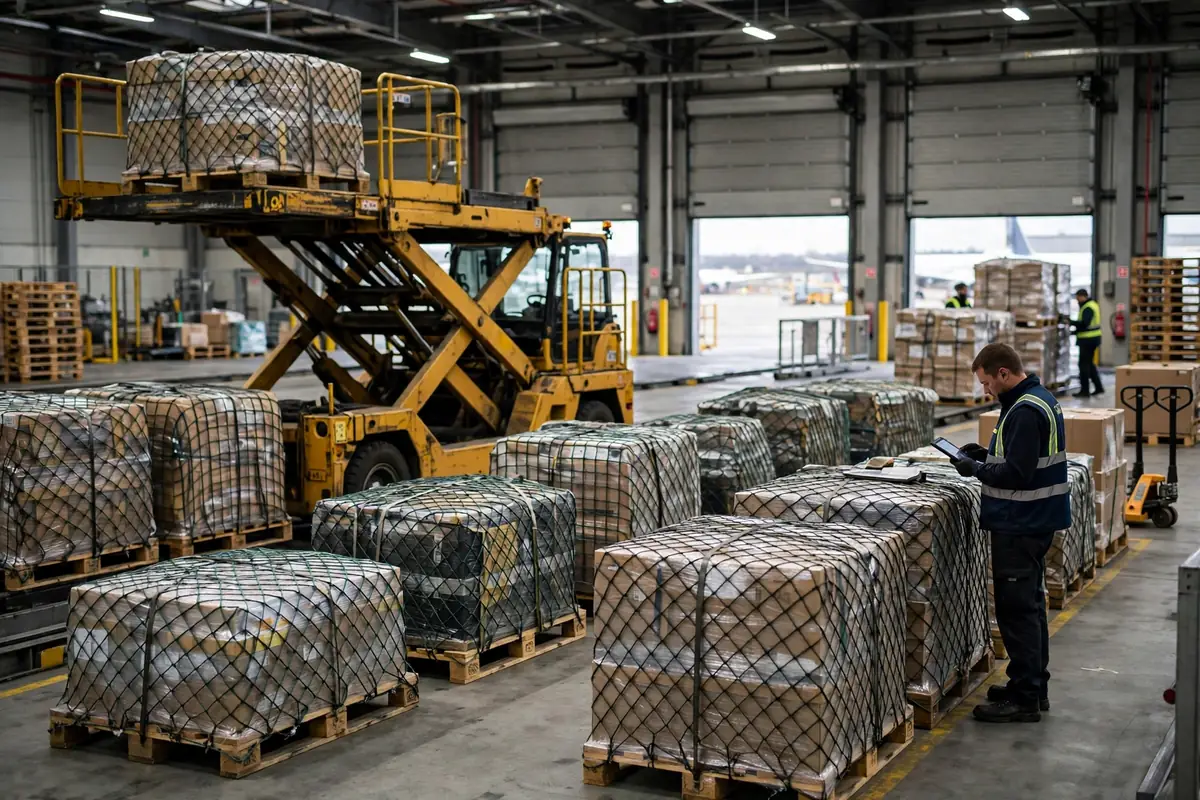
Most people picture the cold chain breaking in the sky. In my experience it breaks on the ground, at handover points. Farm to airport involves at least three exposures: out of the cold room onto the truck, unloading and inspection at the cargo terminal, and waiting near the apron for loading. Each handover opens doors and burns time at ambient temperature. In peak season, terminal queues stretch those exposures, and that queue, not the aircraft hold, is usually the real enemy.
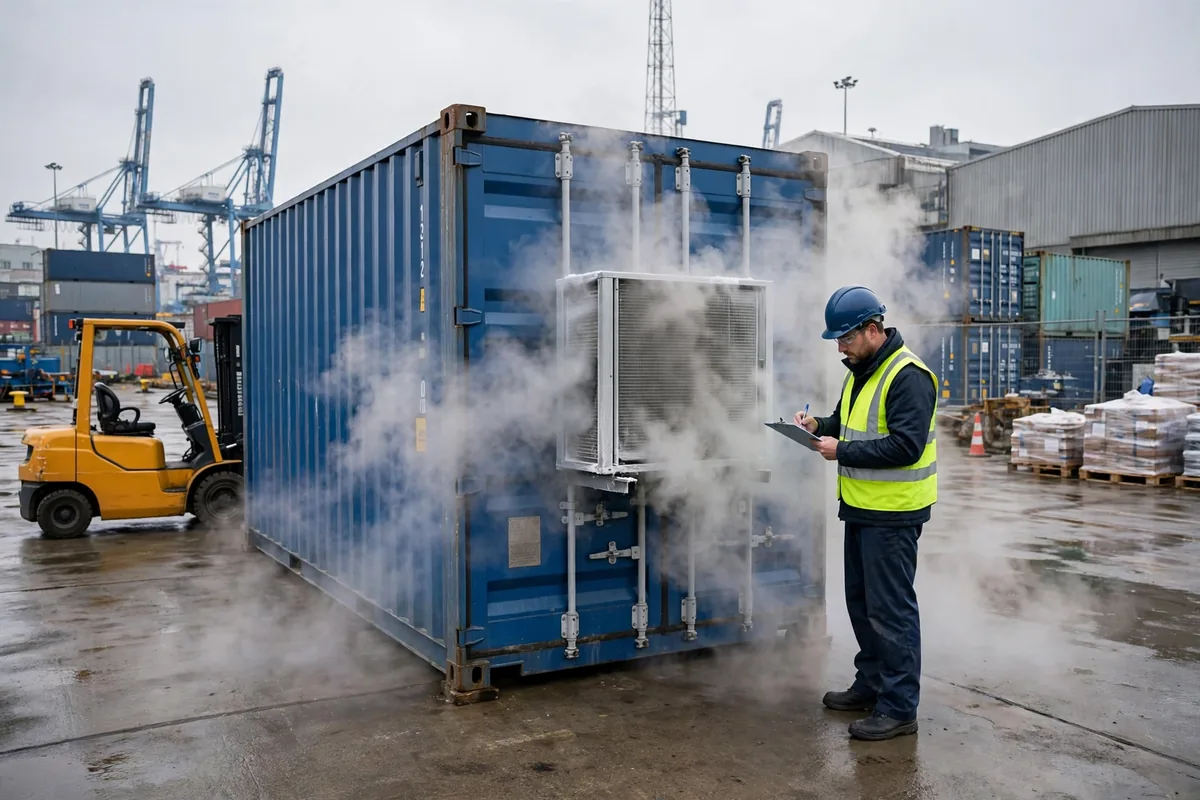
In August 2024 I watched it happen outside the cargo terminal. A reefer truck arrived and could not get in. It waited in the sun with the unit running, but the doors kept opening for document checks and partial inspections. The escort was on the phone, stressed, going nowhere. It looked exactly like a blocked dock door during peak week. The truck was fine; the appointment discipline was not. The fix is just as unglamorous: book the terminal slot first, then dispatch against it. If the slot is three hours away, the flowers are safer waiting in your own cold room than in a queue outside the terminal. At home, the temperature is yours. In a queue, it belongs to nobody.
Loading order matters too. Mixing flights on one truck and then hunting for the right pallets at the terminal, doors open, sun up, is a classic self-inflicted wound. We cured hunting in ambient warehouses with boring tools: stage by order, label outward, count before departure. Flowers deserve the same boredom. Stage by flight, labels facing out, paperwork traveling with the pallet, so terminal staff never have to search your load for you.
Here is the counterintuitive part I keep repeating to my own teams: in a cold chain, the most expensive thing is not refrigeration. It is waiting. Scheduling harvest, trucks, and flight cut-offs is really buying time. If a vendor tells you a pricier reefer unit will solve your break problem, ask one question first: how long does your freight actually wait at the airport? If nobody can answer, do not buy equipment yet.
A simple control table for break prevention
I do not trust slogans on a warehouse floor, I trust a short table that somebody owns. Thresholds should follow your varieties and the carrier's latest requirements; the framework below is the part you can copy today.
| Stage | What to watch | Owner | First move when it goes wrong |
|---|---|---|---|
| Post-harvest pre-cooling | Time into cold room, spot-check pulp temperature | Farm shift lead | Flag late lots separately and prioritize them |
| Cold storage | Temperature curve, door-opening frequency | Duty operator | Check doors and unit before moving product around |
| Dispatch | Departure time versus terminal slot | Dispatcher | Hold departure, keep freight in the cold room |
| Airport handover | Arrival time, door openings, loading confirmation | Escort or agent | Escalate to the terminal when queue time blows up |
| Arrival feedback | Grade results and complaint lot numbers | Exporter | Trace the lot back through the four stages above |
The value is not the table. It is the lot number running through every row. When a buyer in Europe complains, you should be able to reconstruct that lot's whole life: when it was cut, when it entered the cold room, which truck it rode, how long it waited. If you cannot, that shipment taught you nothing. Ambient warehouses learned batch traceability the hard way over twenty years. Flowers cannot afford the slow version of that lesson, because the product cannot speak. The records have to speak for it.
Packaging deserves the same respect. A weak carton collapses under stacking and suffocates the bottom layer. Poorly placed vents keep cold air out and quietly undo your pre-cooling. There is no universal answer here; validate carton, variety, and airline loading requirements together, and treat the latest official and carrier specifications as the source of truth. My floor-tested approach: trial any new carton on a small lot through the full chain, open boxes at destination, look with your own eyes, then scale. Never debut new packaging at full volume in peak season. Nobody can rescue that mistake in February.
Run the waiting math before the freight math
Let me close with a rough, deliberately hypothetical calculation, not a market quote. Suppose a lot loses one commercial grade because of a few extra hours of warm exposure at a handover. The margin lost on that downgrade will usually dwarf whatever you saved by skipping appointment discipline or running a thin escort shift. Now flip it. Reordering pre-cooling, dispatching against booked slots, and putting one accountable person at the terminal cost mostly labor and attention, and they buy grade stability across every lot, every week. Freight rates matter, and you should negotiate them hard, but freight is the visible ledger. Breaks are the invisible one, and the invisible ledger has no ceiling.
One last piece of advice for anyone entering this trade: in peak season, do not harvest beyond your cooling capacity. Stems cut faster than the cold room can absorb them are not inventory. They are a queue waiting to deteriorate. Set your harvest plan by the narrowest link in the cold chain, not by what the field can cut. It sounds harsh. Those roses waiting all morning in that Nairobi shed in 2023 are what the alternative looks like.
Kenya's flowers reach the world because thousands of people get the sequence right at four in the morning. If you are new, go work one full early shift on a farm before you read another report. You will learn more before breakfast than a week of slides will teach you.
By Chen Feng, Warehouse Operations Manager