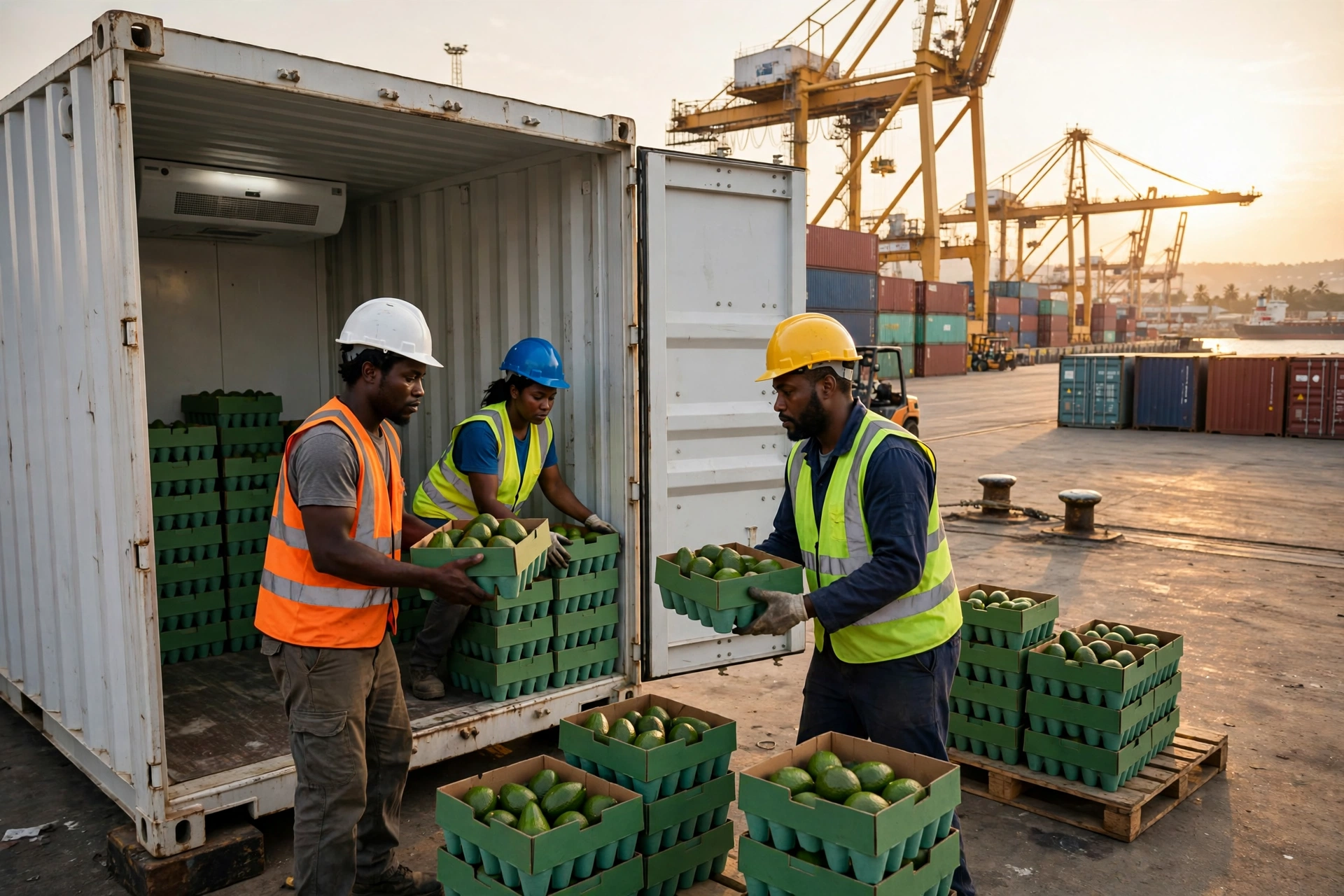
Let me say it straight: in the Kenya avocado export business, the money is not made in the orchard. It is made on the road from the growing areas to the port. Start with the big numbers. According to World Bank trade data, Kenya exported about 120,893 tonnes of avocados in 2025, worth about $160.1 million. In 2024 it was about 129,706 tonnes, worth about $160.8 million. Production is far larger: the U.S. Department of Agriculture estimated Kenya's 2025 avocado output at about 694,000 tonnes, so exports are only a slice of the crop. The biggest buyer is the Netherlands, which took about $38.8 million worth in 2025, followed by the United Arab Emirates at about $30.9 million. Those numbers prove two things. The market is real, and Europe and the Middle East will pay. But between a Kenyan orchard and a European supermarket sit five gates — harvest standard, pre-cooling, consolidation, refrigerated trucking, and the sailing — and if any one of them fails, the money spent on the other four is gone.
Why the Kenya avocado export margin lives or dies inland
Look at it from both sides. On one side there is real opportunity: Kenya is a major Hass producer with a long season and thousands of smallholder farmers, and the fruit itself competes. On the other side there is the cost of distance. The growing areas — Murang'a, Kisii, and the central highlands — are far inland. Fruit gets harvested, trucked to the Nairobi area for consolidation, grading, packing, and pre-cooling, then hauled about 485 kilometers down the A109 highway to Mombasa port. That truck leg takes seven to nine hours on a good day. The road is a single-carriageway artery packed with heavy trucks, and a breakdown, a traffic jam, or a checkpoint can stretch seven hours into twelve. Avocados are alive from the moment they are picked. They keep ripening. Time is value.
I have seen too many people cost this trade on ocean freight alone. Ocean freight is the biggest single line, but the profit usually dies on land: losses at the collection point, the power and hours spent pre-cooling, refrigerated truck rental, port storage while waiting for a sailing, and the share of a container rejected at destination. Cost the whole chain. Never cost one leg.
Four gates on the Kenya avocado export route
The first gate is the harvest standard. Export Hass has to meet a dry-matter threshold. Pick too early and the fruit arrives unripe and never softens properly. Pick too late and it turns soft inside the container. Kenya's Agriculture and Food Authority polices the sea-export harvest window strictly — from October 30, 2026 it suspended sea-export harvesting for four varieties after finding that export-ready mature fruit was in short supply. That is not bureaucracy. It is protecting Kenya's reputation with buyers. One container of immature fruit in Rotterdam costs more than the container: it costs next season's orders.
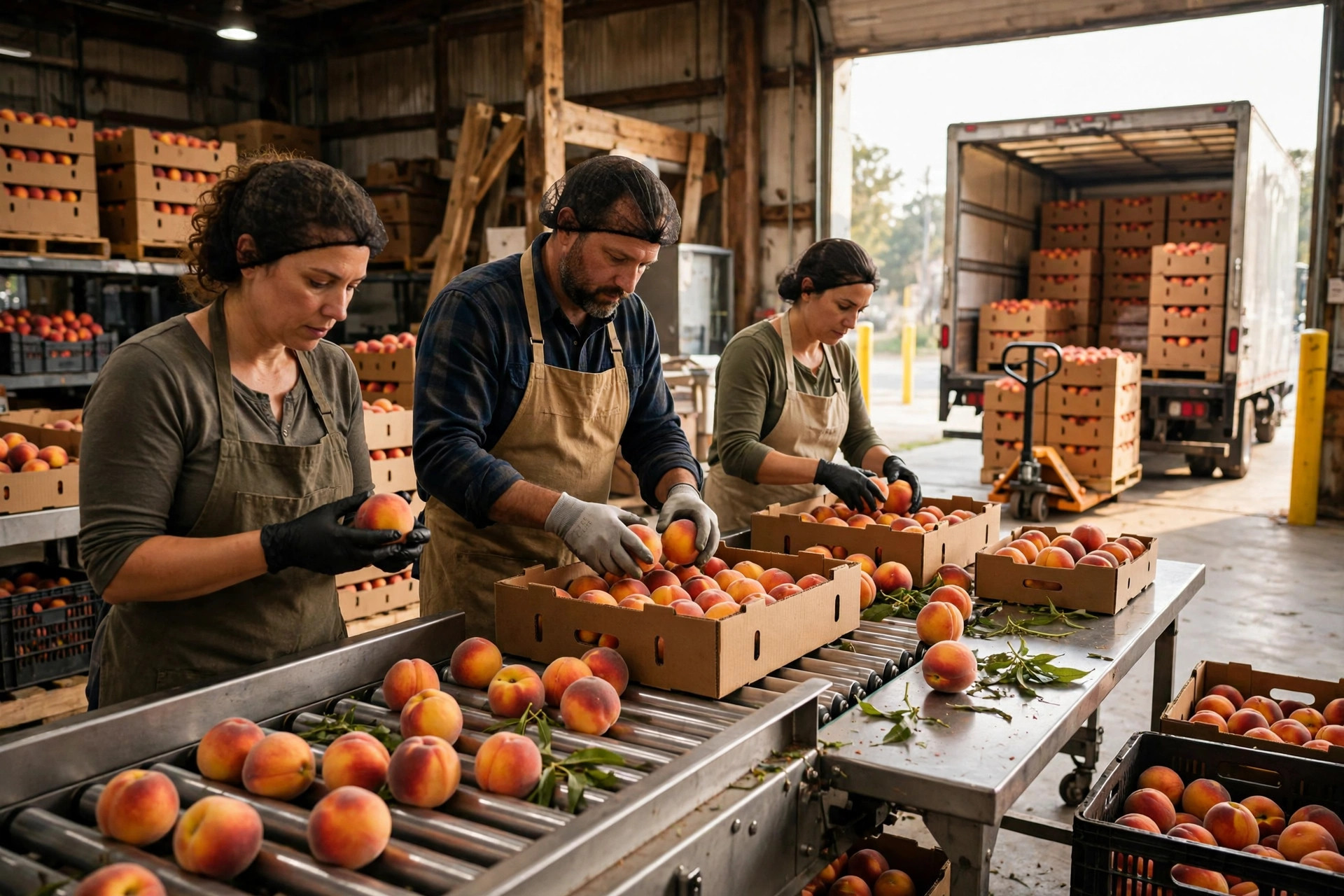
The second gate is pre-cooling, the step in the whole chain most often treated as optional. After harvest, Hass fruit needs forced-air cooling to bring the pulp temperature down — roughly 5 to 7°C early in the season, 4.5 to 5.5°C late in the season — and that usually takes 10 to 12 hours. Plenty of small exporters skip most of it. The fruit gets graded and packed and goes straight onto a refrigerated truck, because the truck is cold anyway. That is the mistake. A reefer container can only hold a temperature. It cannot pull field heat out of warm fruit. Load warm fruit into a cold box and you have locked the problem inside. By the time the container opens in Rotterdam, the fruit is soft from the inside out, and nobody can fix it.
I handled a real case in the 2025 season. An exporter buying in Murang'a rushed to fill a container, pre-cooled for only a few hours, trucked to Nairobi, graded and packed, and lost another day before the fruit went into the reefer. The fruit sat at ambient temperature for more than a day. The container sailed at a 5°C setpoint, spent about three weeks at sea, and at destination the buyer's inspection found soft fruit well above the contract tolerance. Part of the final payment was withheld. That single container's loss would have paid for several seasons of pre-cooling power. Those 10 to 12 hours of pre-cooling are the cheapest insurance in the whole chain, and the most commonly skipped.
The third gate is keeping the cold chain unbroken from the packhouse to Mombasa. The refrigerated truck has to hold its setpoint the whole way, and the breaks rarely happen on the road. They happen at loading, when the doors stand open at the packhouse, and at the port yard, when a container waits for power. Every break lets the pulp temperature climb a few degrees, and every few degrees costs days of shelf life. My rule is simple: trust pulp temperature, not the container setpoint. Measure pulp temperature before loading and again at discharge, and record both readings in the shipping documents. When a buyer asks, the data is the evidence.
The fourth gate is consolidation and the sailing. Not every exporter fills a whole container every week. Small exporters consolidate: several shippers' fruit in one 40-foot reefer, splitting the freight. A real bill of lading I have seen shows one 40-foot reefer loaded with 5,280 cartons of Hass, about 23.66 tonnes, at a 5°C setpoint. That is the scale of one container. Consolidation costs time — you wait until the box is full before booking, and if it does not fill, you miss the sailing. Here is the trade-off, both sides of it: a full container costs more but the schedule is yours; a shared container is cheaper but the schedule belongs to someone else. My judgment is that the riper the fruit, the more you should take the full container. Do not gamble shelf life to save on freight.
Full container or shared: the sailing decides
Cost the container as a whole, not the freight alone. The table below shows an indicative cost split. The shares are a hypothetical example and move with the route and the season; use actual carrier and forwarder quotes for real numbers:
| Cost item | Indicative share of total container cost | Note | | Ocean freight | About half | Largest line, moves with the sailing | | Inland refrigerated transport | About a fifth | Nairobi to Mombasa, about 485 km | | Pre-cooling and packing | Over a tenth | Pre-cooling takes 10 to 12 hours | | Port and documentation | Under a tenth | Inspection and paperwork included | | Loss and insurance | Under a tenth | Soft fruit and rejection risk |
The table makes a contrarian point clear: ocean freight is only about half the cost. The other half is all on land. People who haggle only over freight are haggling over the smaller piece. The real money sits in losses. One container partly rejected at destination costs more than a whole year of freight negotiation saves.
One more thing that gets overlooked: air freight is a backup, not a main route. During the sea-export suspension, air shipments could continue with inspection and approval, but the cost structure is entirely different. Air only fits fruit that is too ripe to wait for a vessel. An exporter who treats air as the normal route cannot make the math work.
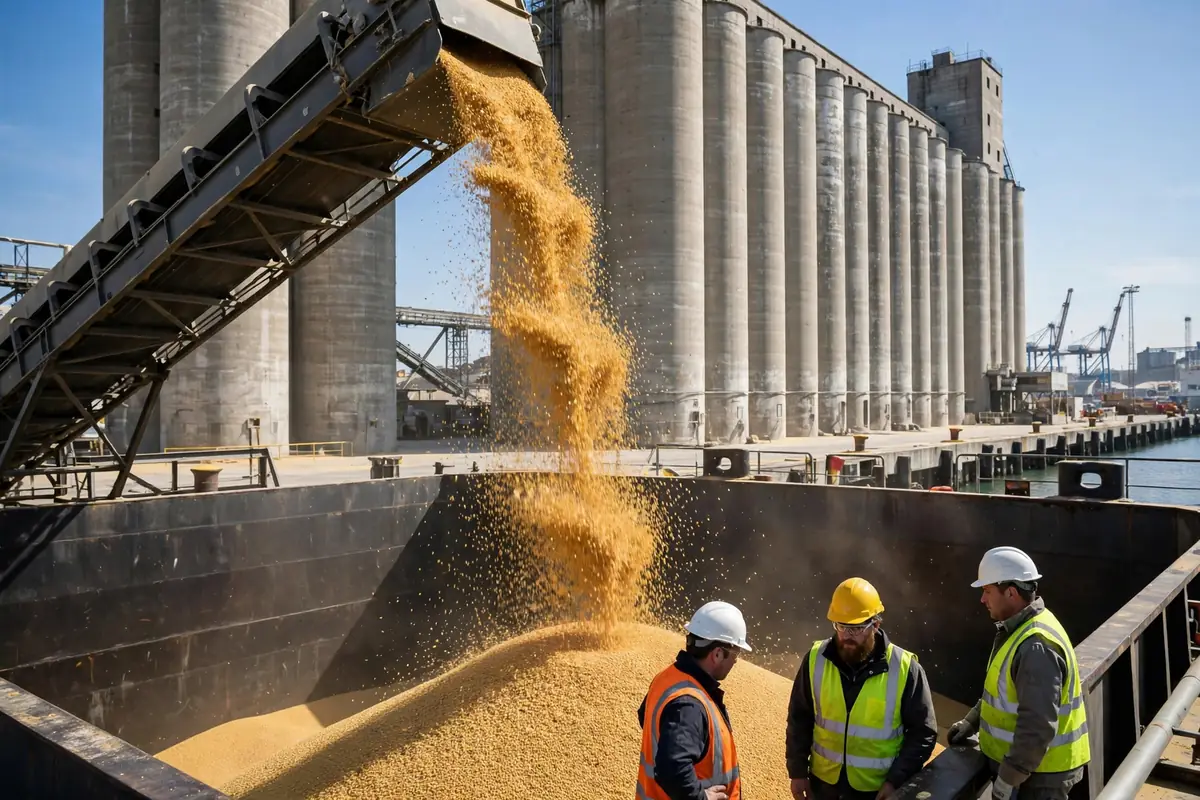
By the time the fruit reaches Mombasa port, only half the battle is won. The sailing, the slot, a powered reefer plug in the yard, and export inspection all have to line up in advance. My method is to plan backwards: take the sailing date, subtract about three weeks at sea, one day for the road, one day for pre-cooling and stuffing, and the harvest before that. Whichever step has no buffer built in is the one that will blow up next time. The Kenya avocado export trade is not won by whoever grows the best fruit. It is won by whoever never breaks the chain. Keep the chain unbroken and there is a share of those 120,893 tonnes with your name on it. Break it once and a season's profit is gone.
So here is my question back to you: do you really think those 12 hours of pre-cooling are worth skipping?
By Lao Mi, Supply Chain Veteran (20 yrs)