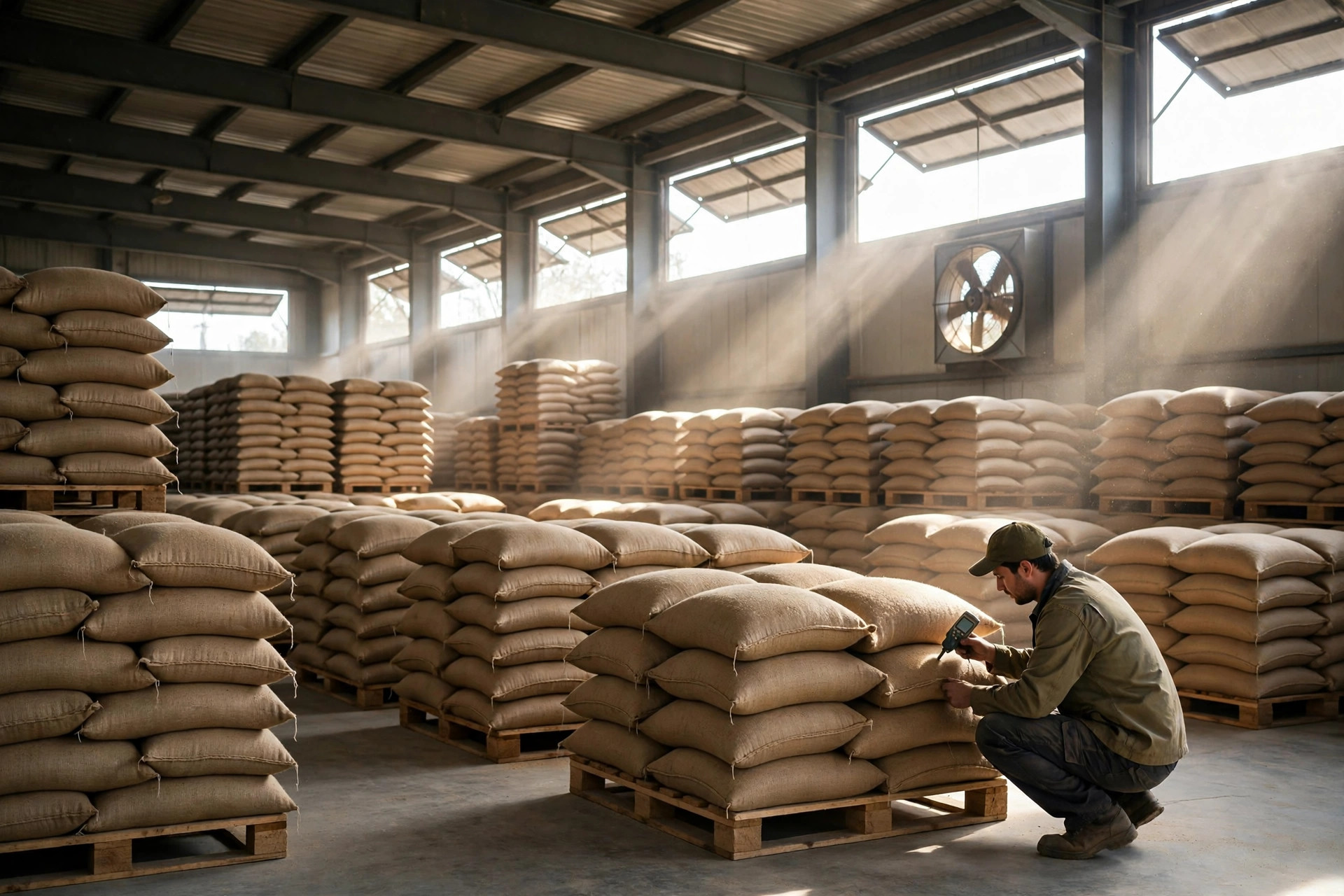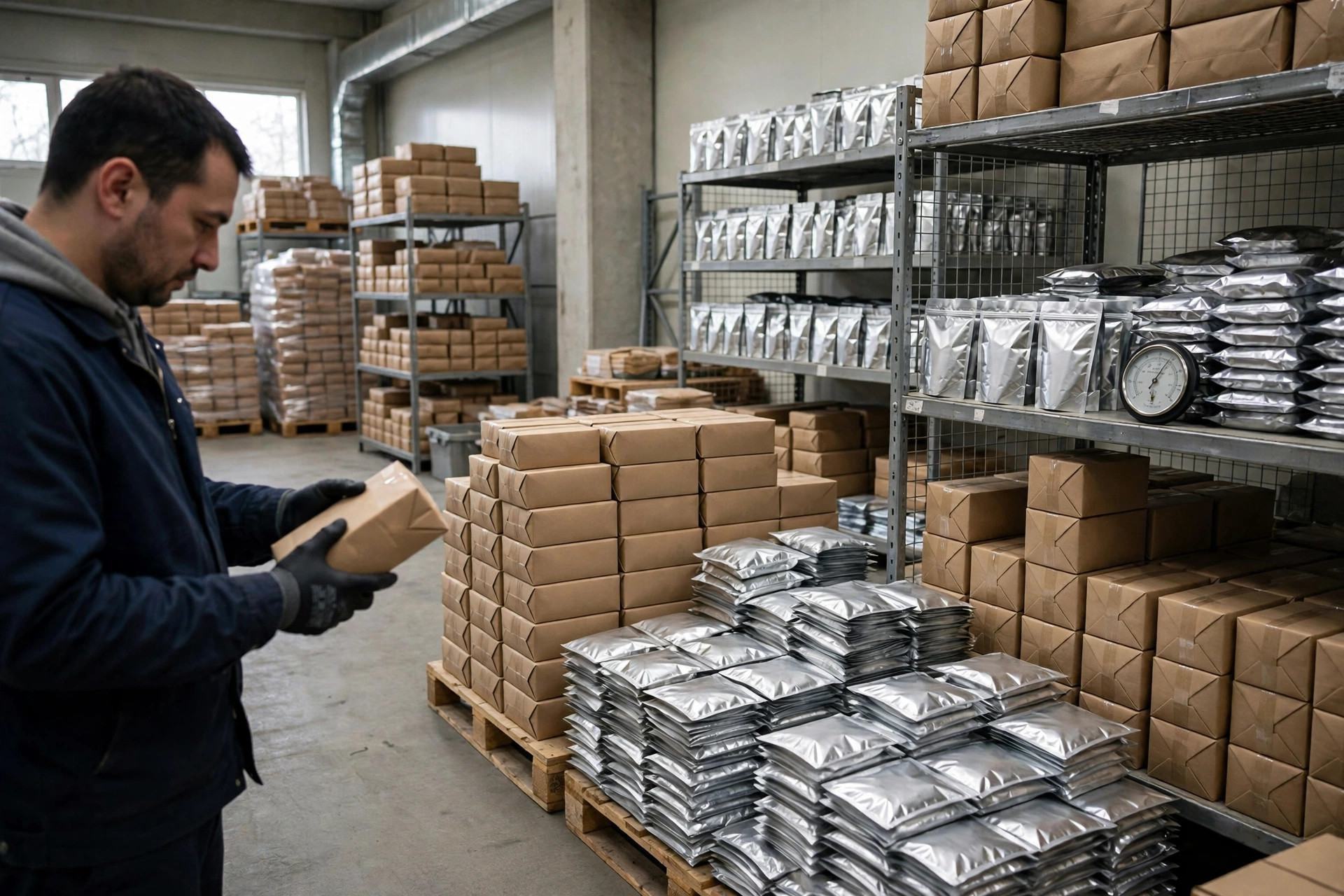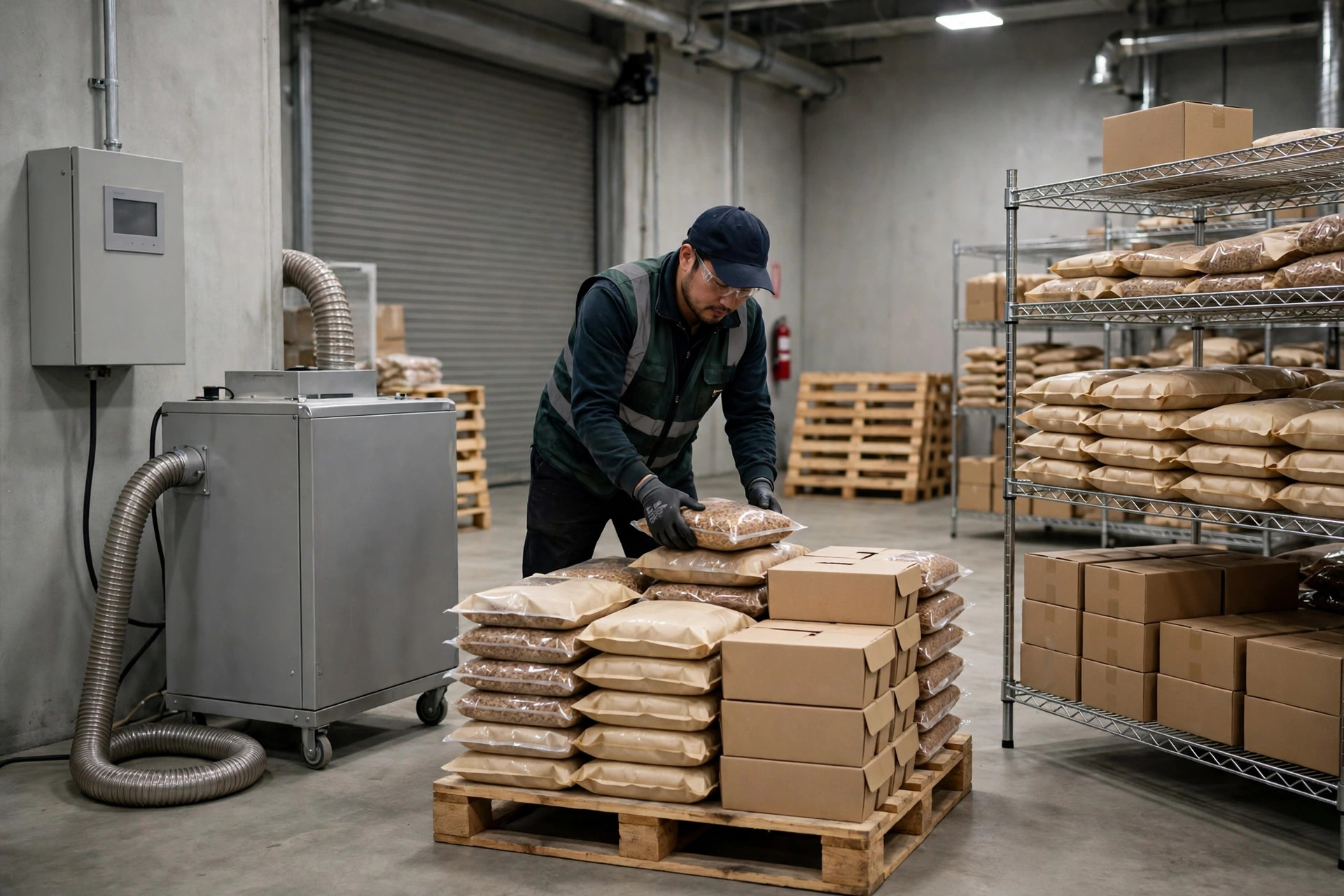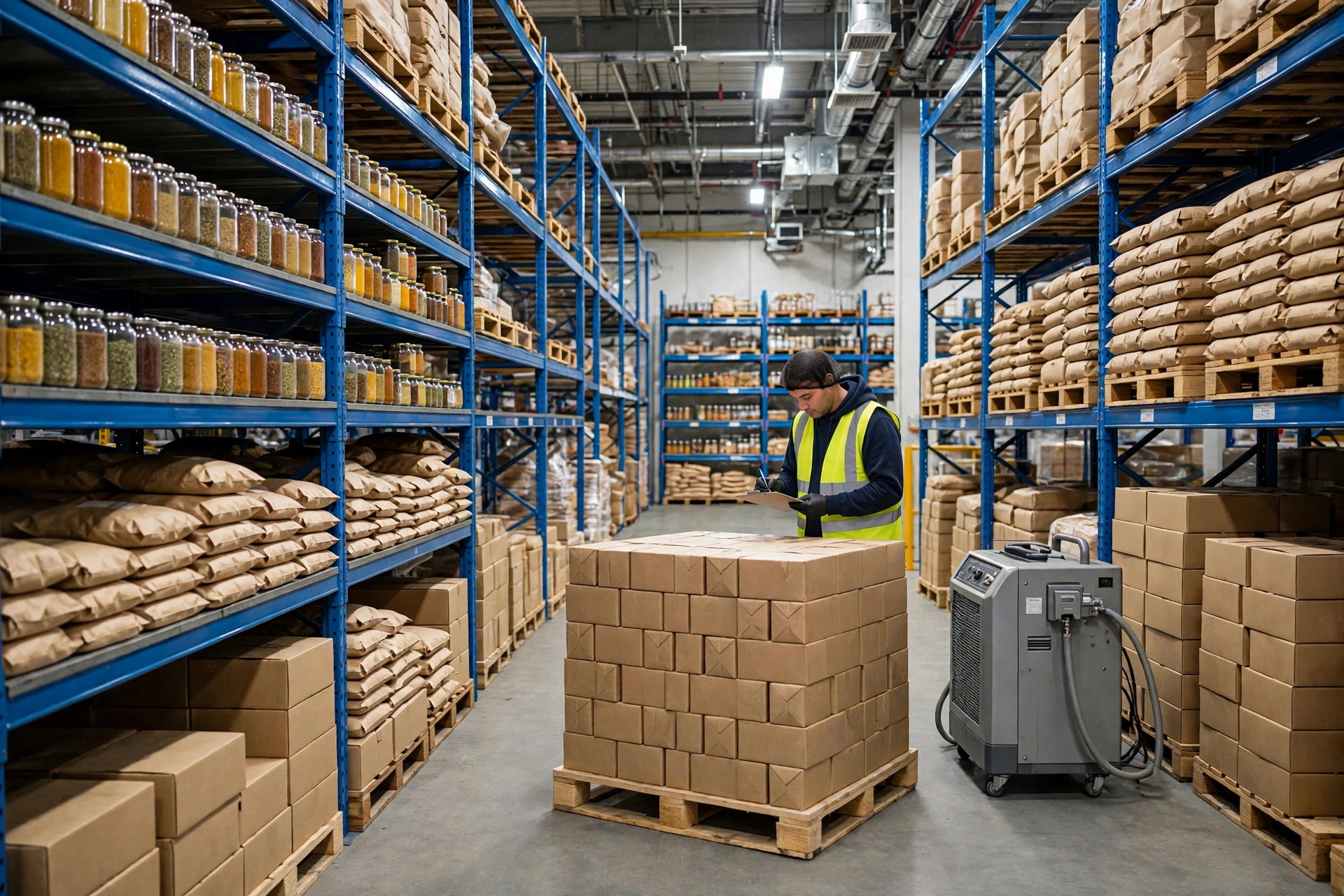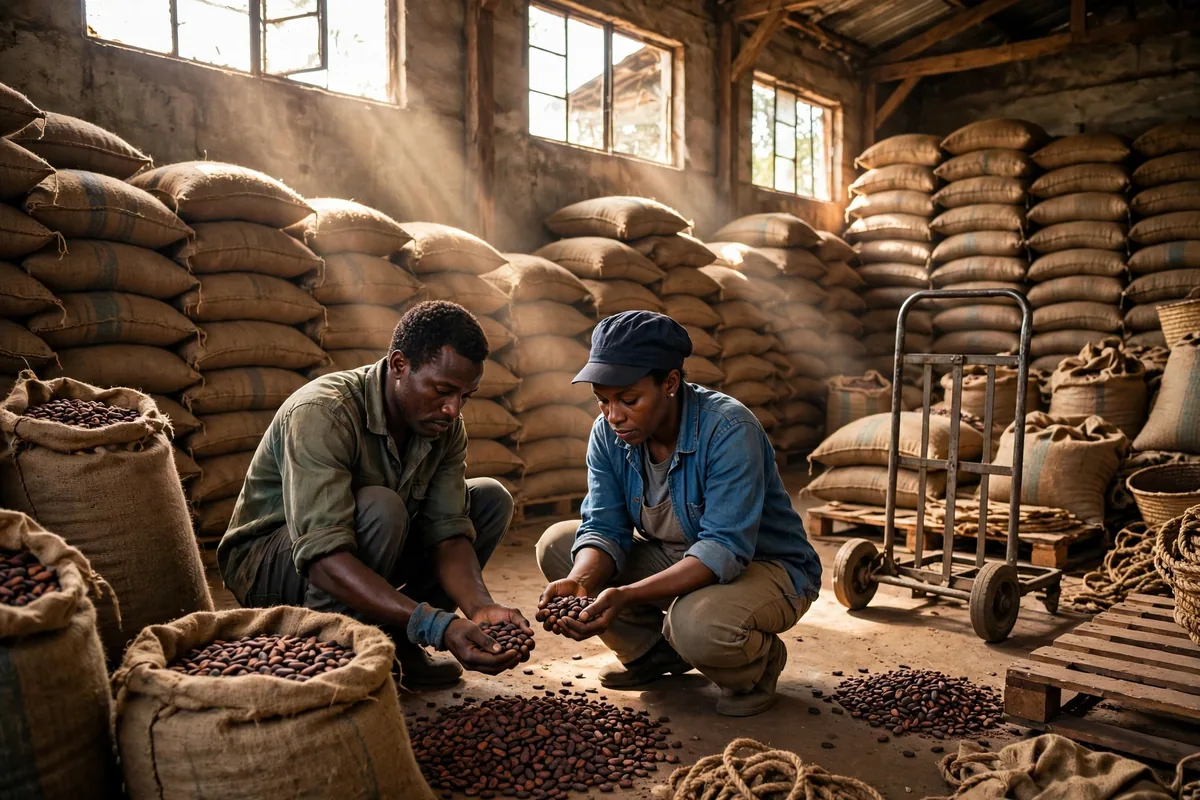
We had a client who had been in Ivory Coast cocoa export for over ten years. In October 2025 he spent three days queuing outside the port of Abidjan, forty tons of beans on his trucks, watching his sailing window close. He called me with a hoarse voice: "Susan, if this cargo misses the vessel, the buyer will deduct, and my whole season is gone." I told him to slow down and send me the warehouse receipts, the moisture reports and the shipment clauses of his contract, page by page. Once I read them, the picture was clear. The problem was not the port. It was his own warehouse — the beans had arrived over the moisture limit, and everything after that was a chain reaction. In Ivory Coast cocoa export, the bill starts at origin. The port is only where it gets collected.
The US Department of Agriculture's Foreign Agricultural Service estimated in March 2025 that Ivorian cocoa production for the 2024/25 season would reach about 1.8 million metric tons, up from 1.76 million the previous season, keeping Ivory Coast the world's largest cocoa producer at roughly 40% or more of global output. Beans move out mainly through two ports, Abidjan and San Pedro, with San Pedro handling about half of exports. Big volumes, busy ports and a long rainy season add up to one thing: warehousing here leaves almost no room for error. Public reporting noted that in early December 2025 weekly arrivals at the two ports topped 100,000 tons, and truck queues outside the gates became routine. Queuing itself is not the danger. The danger is every extra day beans sit on a truck or in a temporary yard, quietly absorbing moisture.
Ivory Coast Cocoa Export: Collection Starts with Moisture, Not Price
We had a client who bought two hundred tons near Bouake during the 2024 main crop at roughly three points below market, and thought he had found a bargain. When the cargo reached the Abidjan warehouse and was tested, moisture was over the contract limit. Drying, turning the stacks and retesting took six days. The drying bill and the extra rent ate the whole three-point saving, and he missed a sailing on top of it. The buyer's purchasing manager was polite on the phone. The deduction note was not.
My advice on collection in Ivory Coast cocoa export always runs against instinct: negotiate the moisture standard and the sampling method before you negotiate price. The contract should state which laboratory's result governs, whether sampling is per bag or blended across the lot, whether over-limit beans are accepted at a discount or rejected, and who pays for drying. Small exporters lose money on verbal understandings — "more or less dry" at origin becomes a number at the port, and once that number exists, you have nothing left to argue with. A collection point should carry its own basic moisture meter: test every truckload on arrival, discount or send back the ones over the limit, and never haul the problem back to your warehouse. A warehouse is not a drying plant. Haul it back and the labour, energy and time are all yours.
Ivory Coast Cocoa Export: Moisture, Mould and Grading Cost More Than Rent
Cocoa beans fear two things, damp and mould, and in the West African rainy season the two travel together. Once moisture rises and the warehouse warms up, mould grows faster than your complaint letter. Aflatoxin is the hard red line: if the buyer tests over the limit, the whole container can be rejected, with no room to argue. Public reporting noted that in October 2025, close to half of the beans sampled for inspection at local ports were turned back for mould, excess moisture or excess waste material. That figure sounds alarming in the abstract. For a single exporter, it is the difference between a container that sails and one that dies.
We had a client who rented a cheap warehouse in the 2025 rainy season at forty percent below the going rate for a proper store, and ignored a leak in the roof. After one heavy rain, the bottom layer of the sacks against the wall was soaked. At grading, the mould rate pushed the whole lot from first grade to second, and the buyer settled at the second-grade price. The difference was more than three times what he had saved on rent. He told me afterwards: "Susan, I finally get it. Rent is the visible bill. Mould is the hidden one, and the hidden bill is always bigger."
Moisture control is daily work, not a one-off job. Raise the floor, keep sacks off the walls, leave ventilation gaps between stacks, and measure warehouse temperature and humidity every day in the rainy season. Everybody knows this list. Few people actually do it. Grading should happen twice, once at intake and once before stuffing the container. If the two results do not match, something went wrong in between. My habit is to staple the grading report to the moisture report — same lot, same sampling point, two numbers that confirm each other. A buyer who wants to push the price down has to get past both sheets of paper first.
Here is the per-container calculation I walk clients through. The figures are an illustrative example, estimated for one container of about twenty tons bound for a European port; actual charges follow live quotations and the latest official policies:
| Item | Illustrative example (USD) | Notes | | Warehouse rent and handling | 900 | Estimated for three weeks of storage | | Drying and restacking | 600 | Only when moisture is over the limit | | Inspection and grading | 350 | Moisture and mould testing included | | Fumigation and pest control | 280 | As required by the shipping line | | Port charges and consolidation | 700 | Includes waiting time outside the port | | Downgrade loss from mould | 0–4,000 | Near zero with good control, a full lot downgrade when control fails |
Read the table and the pattern is obvious: rent is the small line. The variable that decides the season is the mould downgrade line. Every dollar spent on moisture control is insurance on that line. The counterintuitive truth is that in Ivory Coast cocoa export, the most expensive warehouse is usually the cheapest one — the store with the lowest rent will collect the difference, with interest, on the grading sheet.
Ivory Coast Cocoa Export Consolidation and Claims: Three Sentences to Fight For
Small exporters rarely fill a container alone, so consolidation is normal. Sharing a box saves freight and shares the risk: if the other shipper's beans go damp, yours suffer with them, and once the doors are sealed, the contract decides whose fault it is. I handled a case where two shippers shared one container, mould was over the limit on arrival, the carrier blamed pre-loading condition, the warehouse said the cargo left in good order, and the buyer deducted from both. Three months of argument ended in a split by volume. Nobody won. The legal fees were very real.
In a consolidation contract, I make clients fight for three sentences. The first: who pays for the joint pre-stuffing inspection and whose signature makes the report valid — a report missing one party's signature is waste paper. The second: how the burden of proof is split for damage inside the container, with the inspection report as the dividing line — problems before stuffing belong to the shipper, problems after belong to the carrier's responsibility. The third: a time limit for claims and a cap on deductions, so a buyer cannot hold the full payment indefinitely or deduct without a ceiling. When the other side says "these are standard terms, everybody signs them," my answer is always the same: "Standard terms are written for standard cargo. My cargo is not standard, so I need three extra lines."
Next time you negotiate a contract, ask these three questions: whose moisture report governs? Who carries the downgrade cost when mould appears? How is the burden of proof split on a shared container? Get the answers before you sign, and the Ivory Coast cocoa export bill finally lands in your hands, not someone else's.
By Susan, 3PL Sales Director