Let me start with a complaint: dried goods look like the easiest inventory you will ever hold, and that is exactly why they quietly eat your margin. I have been selling dried foods for five years, from a garage to a third-party warehouse and back to a small rented space of my own, and I learned dried food warehouse storage the expensive way. Nothing expired. Nothing arrived broken. Yet returns came in, reviews turned sour, and the whole batch lost its reputation because the goods had absorbed moisture, picked up odors, or sat too long in the wrong corner.
Dried goods fail slowly. That is the trap. Fresh food tells you the same day that something went wrong. Dried mushrooms soften a little this month and clump next month. Tea picks up a neighbor's smell this week and tastes wrong next month. By the time a buyer complains, the damage has already spread through reviews, rankings, and repeat orders. So if you sell dried goods, your warehouse routine matters as much as your sourcing.
Dried Food Warehouse Storage Starts With One Split: Bulk vs Pre-Packed
Here is my first rule: bulk goods and pre-packed goods are not the same job, and storing them the same way is asking for trouble. I have watched sellers stack loose dried mushrooms, loose tea, and sealed retail packs in one zone because it saved space. Then the bulk goods' moisture, pest risk, and strong odors became the pre-packed goods' problem too.
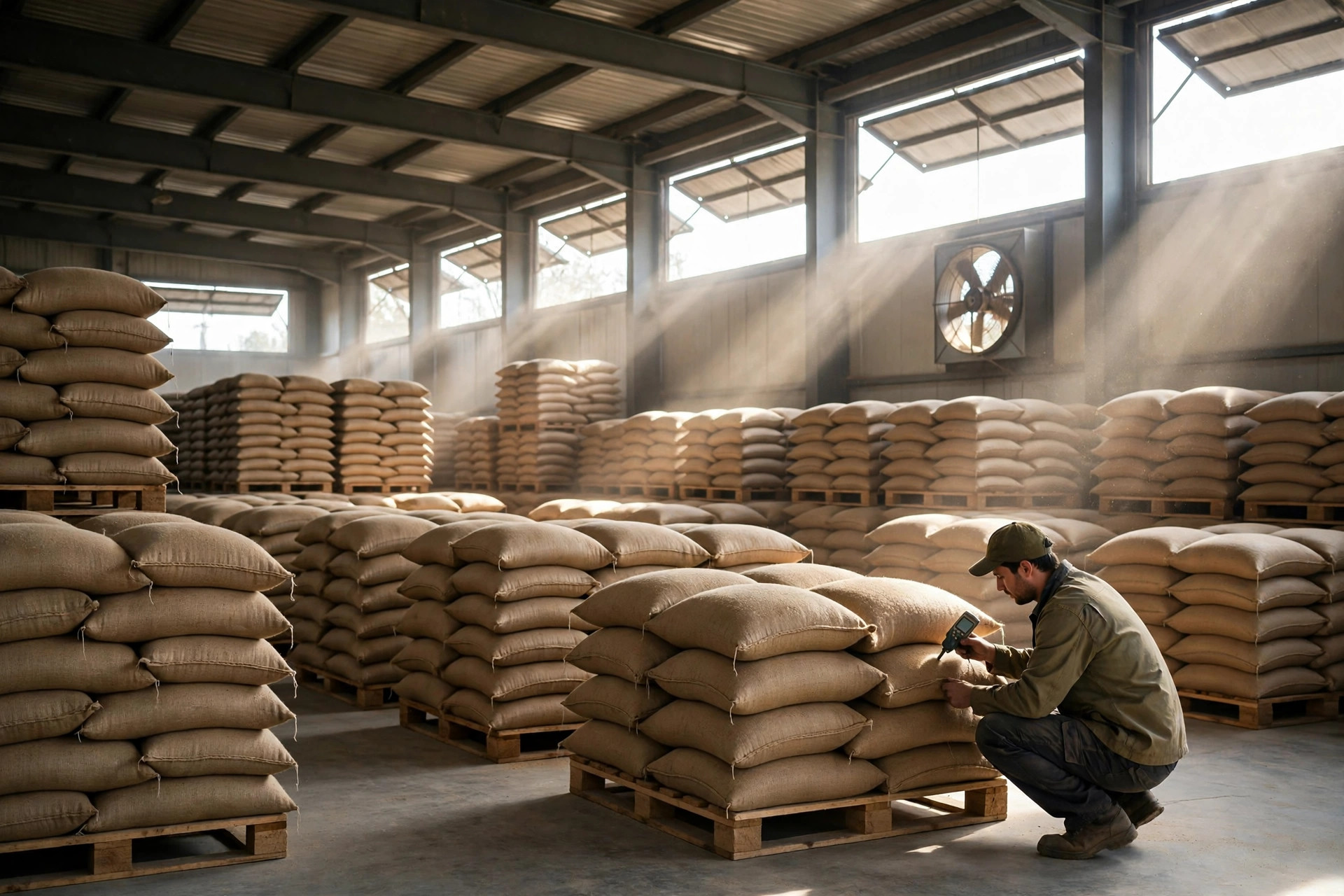
Bulk goods fear three things: moisture, pests, and odor transfer. Their packaging is usually a bag inside a carton, which does not stop warehouse humidity. My receiving check is simple and non-negotiable. I open a few bags, check the bag seals, look at the bottom of the carton for damp marks, and smell the goods. In the fall of 2023, a new supplier sent dried shiitake that looked perfect but smelled stuffy, like a closed room. The supplier said lab tests were fine. I sent the batch back anyway. A stuffy smell is a ventilation warning, and I was not going to sell goods I would not eat myself.
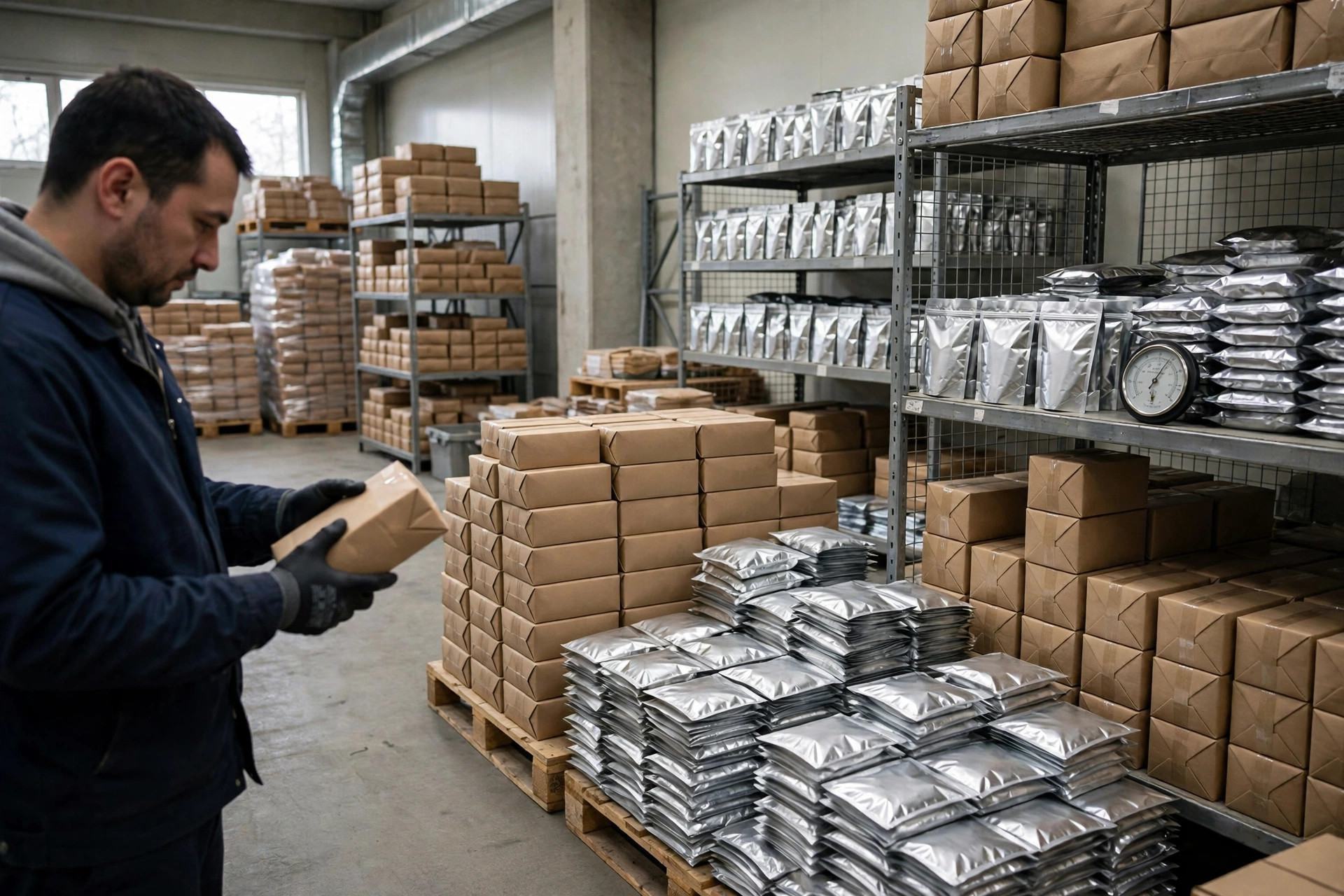
Pre-packed goods are easier, but they are not bulletproof. They fear crushing, sunlight, and heat. Nuts and sesame products carry oil, and in a hot summer warehouse that oil turns rancid faster than you expect. One bad batch tastes stale, and the buyer does not write "the warehouse was hot." The buyer writes "not fresh." So my pre-packed zone stays away from windows and roof heat, and I never stack above the supplier's recommended layers. A crushed retail pack fails marketplace receiving checks, and the return shipping comes out of my pocket.
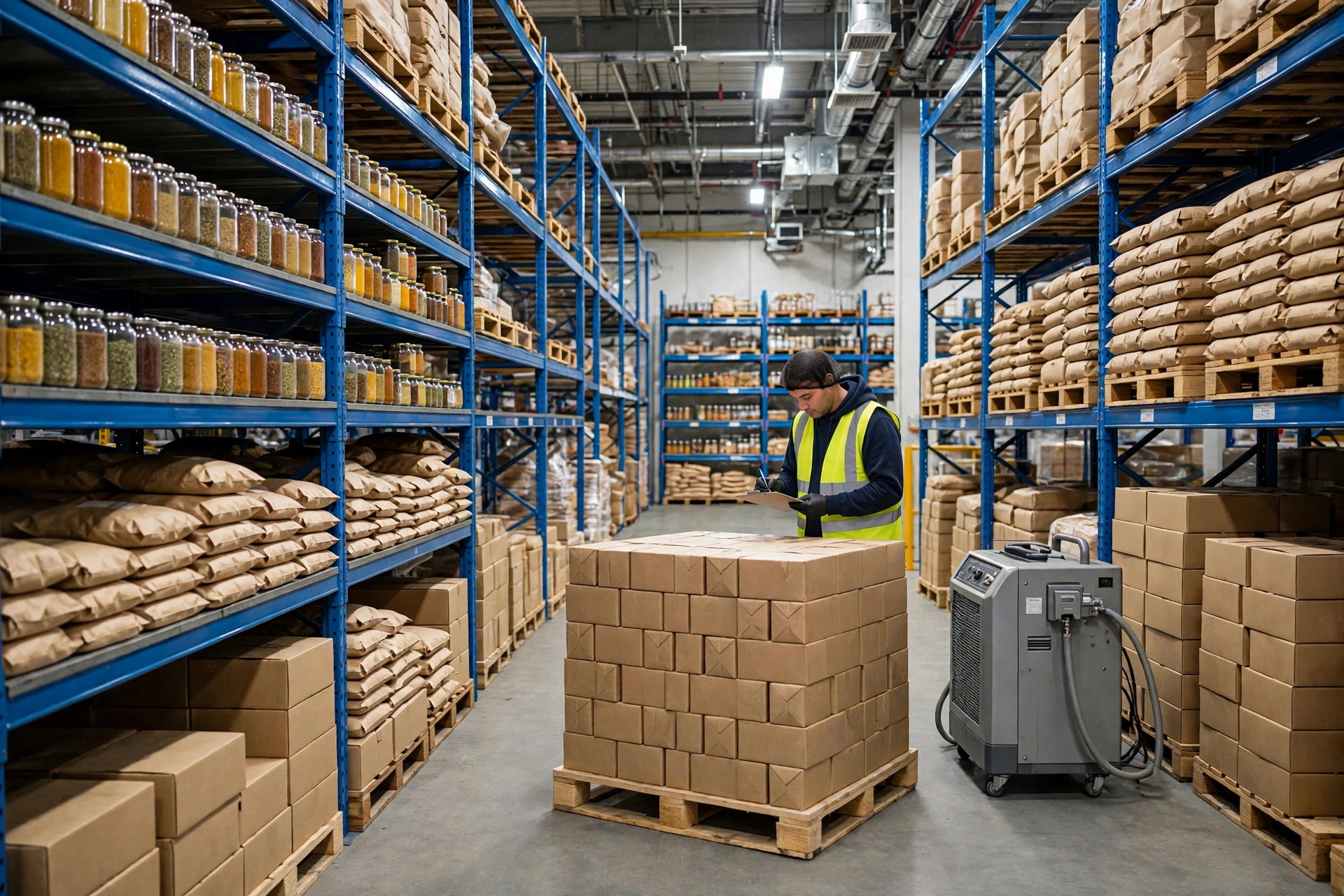
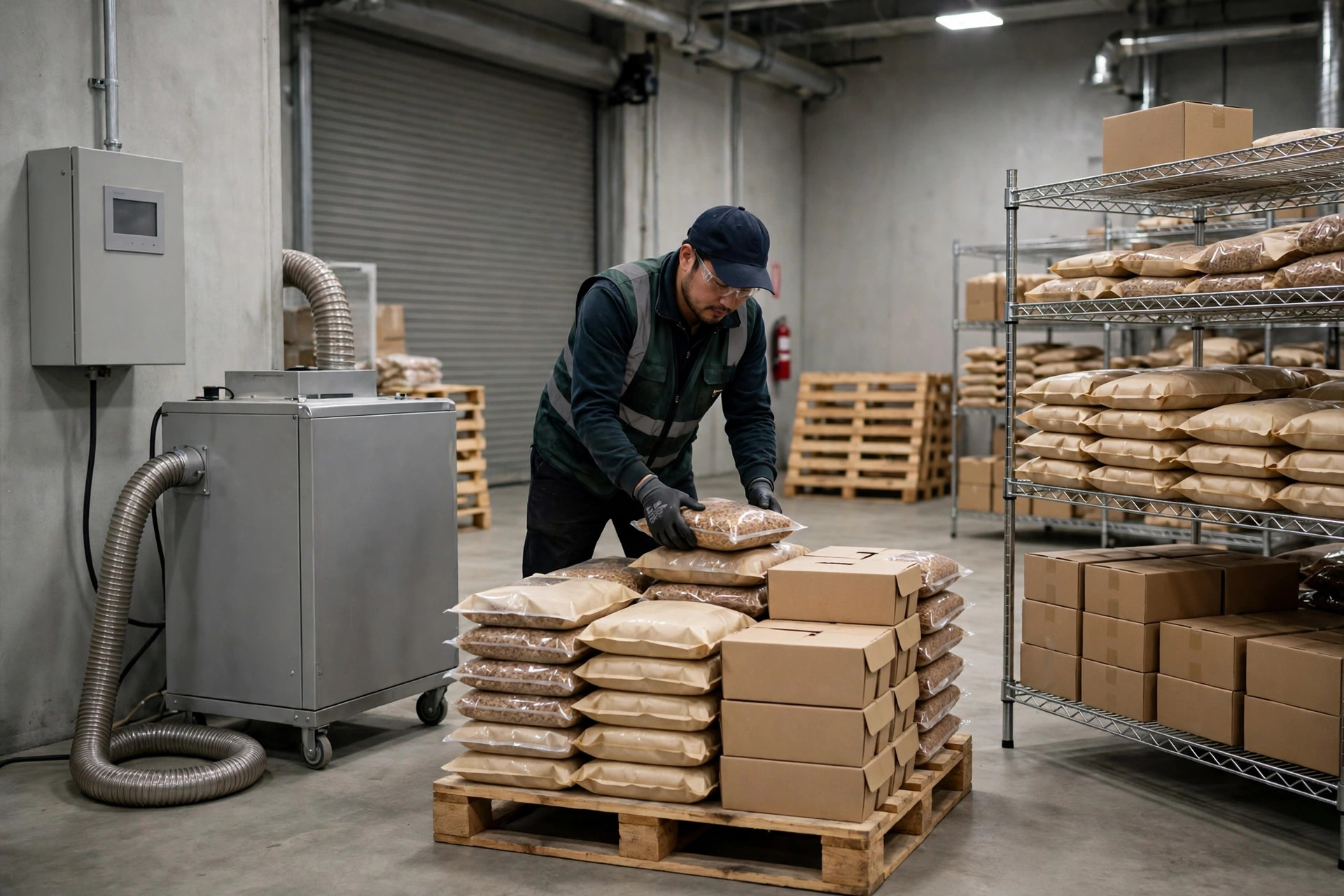
Today my small warehouse runs two zones with a corridor between them. Bulk goods sit in one zone, pre-packed goods in another, and strong-smelling goods like spices, dried fungi, and tea never sit next to mild-tasting goods. That split alone cut most of my odor complaints.
Moisture Is the Quiet Killer in Dried Food Warehouse Storage
Moisture does not flood your stock. It creeps in. Dried fungi go soft, nuts lose their crunch, powders clump, and tea loses its aroma. The buyer never diagnoses humidity. The buyer just says the product is stale, and that review stays on your listing long after you fixed the warehouse.
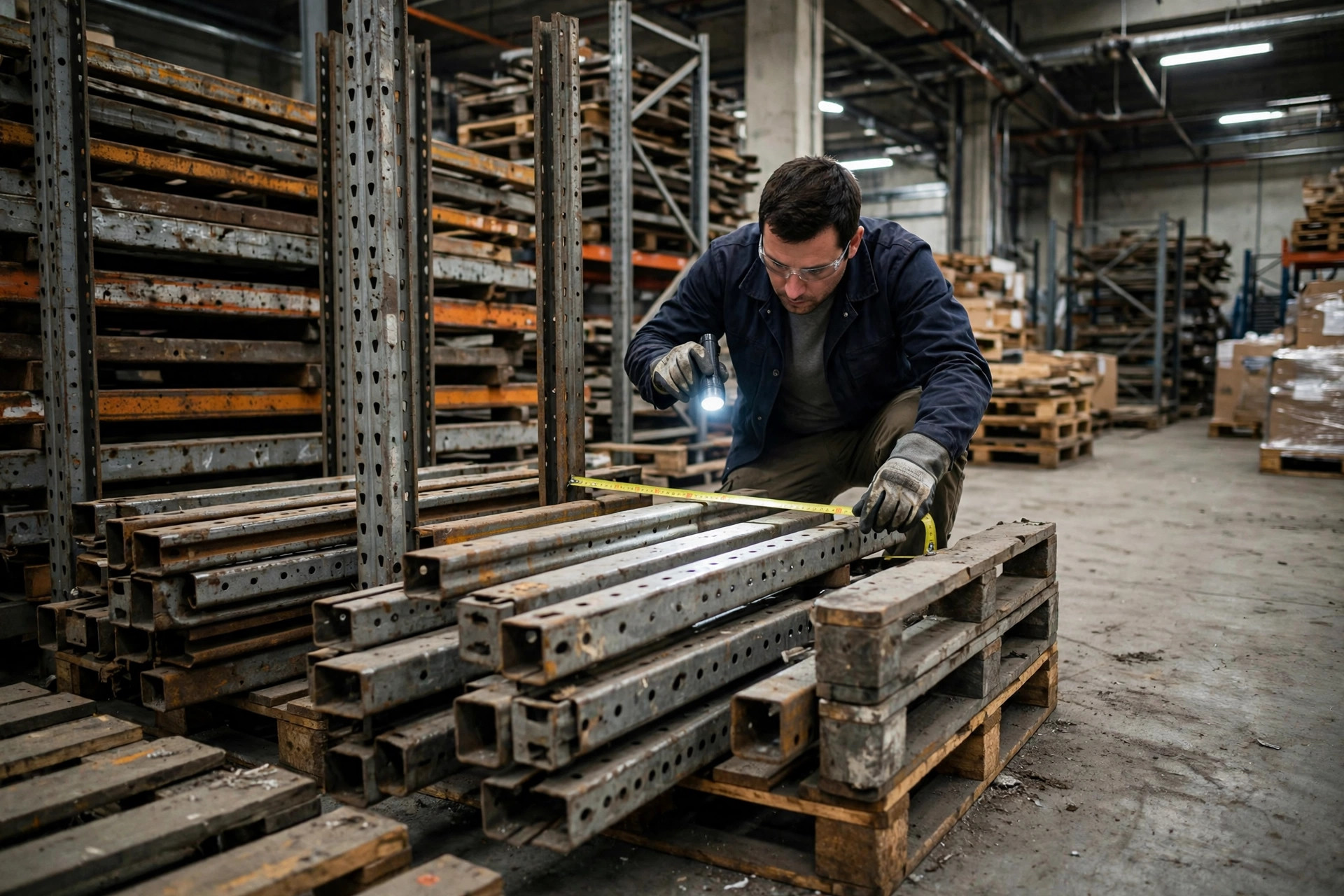
I learned this during a rainy season in 2024, in an older inland California building with a concrete floor and no moisture barrier. Bulk dried wood ear mushrooms sat on pallets barely off the ground. The floor sweated, the bottom two cartons went soft, and I briefly wondered whether sun-drying could save them. It could not. The texture had changed, and the mold risk was not a gamble worth taking. The whole bottom layer was written off.
That loss rewrote my rules. Every dried good now sits off the floor and away from the wall, with moisture barriers under the bottom pallets. During the rainy season I check a hygrometer every day, and I place it in the middle of the stock, not by the door. The door is well ventilated, so its reading looks nice and tells you nothing.
Do the math before you call dehumidifiers an expense. Two industrial dehumidifiers plus a stack of moisture barriers cost far less than writing off one batch of several hundred kilograms, once you add product cost, freight, and disposal. The review damage is harder to price and usually worse. Moisture control is not overhead in dried food warehouse storage. It is the product.
One more habit matters: check incoming goods before they join good stock. Squeeze a few bags, smell them, and isolate anything doubtful. Once a damp batch mixes into good stock, picking it back out is slow, messy, and usually incomplete.
Pests and Odor Transfer Are Managed, Not Sprayed Away
When sellers hear "pests," most reach for spray first. My experience says spray is the last resort, not the plan. Pest eggs often arrive with the raw material and hatch when the warehouse warms up. If receiving checks, rotation, and inspection are weak, no amount of spraying fixes the root cause.
My bulk zone gets a box-by-box check every month. I look for insect traces, webbing, and fine debris. If one carton shows a problem, the whole batch is isolated, not just that carton. One summer, insects appeared in a carton of dried chilies. I threw out that carton and thought the job was done. Two weeks later, the neighboring cartons showed the same problem. Pests are never a one-carton problem. They are a zone problem, and the response has to match that scale.
Odor transfer is sneakier. Tea absorbs odors astonishingly well. Store it beside spices, dried fungi, or coffee, and the tea becomes something else entirely. Even sealed retail tea is not safe over time, because cartons breathe odor slowly. My rule is blunt: strong-smelling goods get their own area, mild goods get theirs, and neutral goods sit between them as a buffer.
Rotation is where small warehouses cheat, and cheating always catches up. First in, first out sounds like common sense until you run it on memory alone. I once found cartons more than a year old buried under new stock during a clearance, their packaging yellowed and unsellable. Now every inbound batch gets a date label, pallets are arranged by date, and pick lists print the batch date. The picker does not have to think. Following the list is following rotation.
The Storage Math: Where Dried Goods Actually Lose Money
If you only count rent and labor, dried goods look cheap to store. Count the real losses and the picture changes. Three losses hurt most: moisture write-offs, odor-related returns, and slow-moving stock that expires on the shelf. Moisture is a one-time loss. Odor returns cost double, because the returned goods often cannot be resold and you pay freight both ways. Expired stock is the most foolish loss, because the goods did not go bad, they just sat too long and had to be cleared at a discount.
Before I bring in a batch, I ask three questions. First, what does this batch fear most: moisture, pests, or odor, and do I have the right spot for it? Second, how fast will it sell, and is the quantity beyond my safe selling window? Third, can its packaging survive the storage period, or should it be repacked before it goes on the shelf? If I cannot answer one question, the batch does not enter, or it enters in a smaller quantity.
Here is the counterintuitive part: drier is not always better. Some dried fungi and dried fruits turn brittle and crumbly when over-dried, and the eating experience gets worse. The goal is stable conditions, not the lowest possible humidity. Big swings between damp and dry damage goods more than a steady, slightly humid spell. Watch transitions between rainy and hot seasons especially closely.
There is also a trade-off worth naming. Bulk goods sold by weight carry higher margins but higher storage risk. Pre-packed goods earn thinner margins but store cleanly and return less often. I now keep bulk only for fast-moving items and pre-pack anything slow-moving before selling it. I give up a little margin and gain a lower return rate, steadier ratings, and lower advertising costs. That trade has worked for me in real listings, not just on paper.
If you take one thing from this, take the routine: check humidity daily, check batch dates weekly, and open boxes monthly. A small warehouse can run dried goods profitably. A sloppy warehouse cannot, no matter how big it is.
By Ah K, E-commerce Seller (5 yrs)