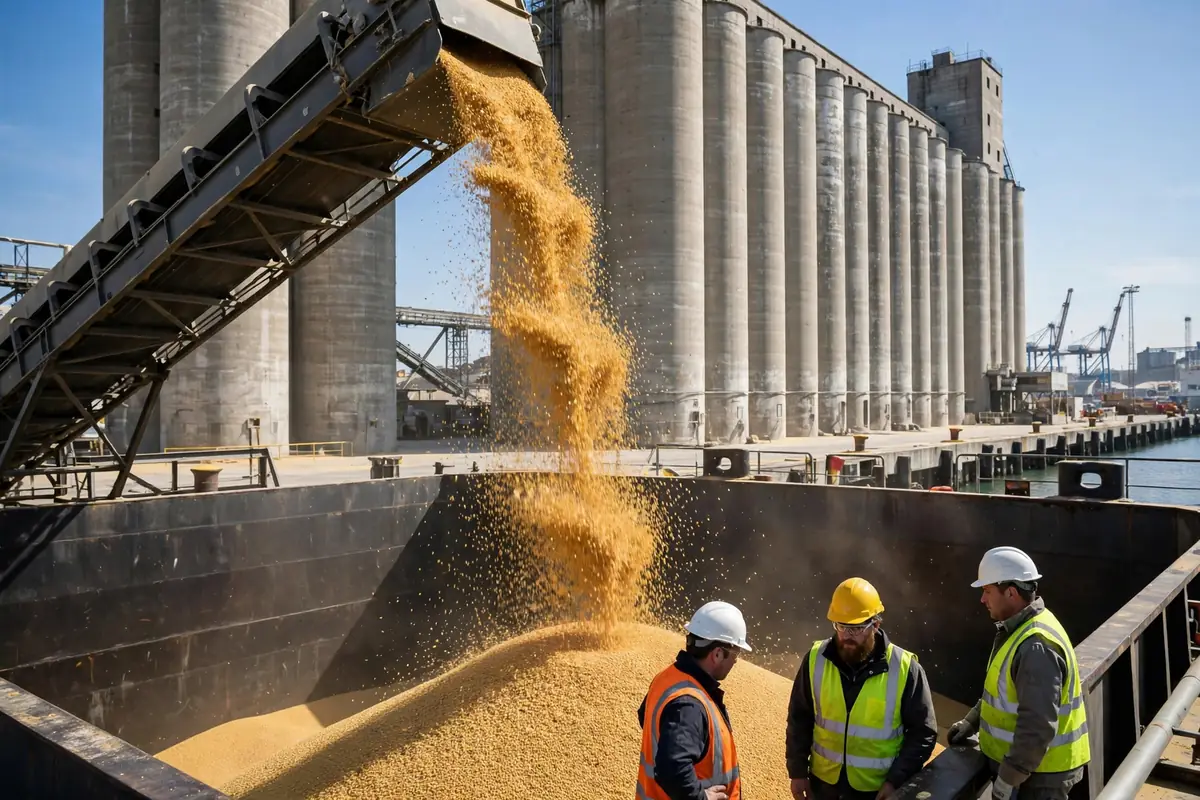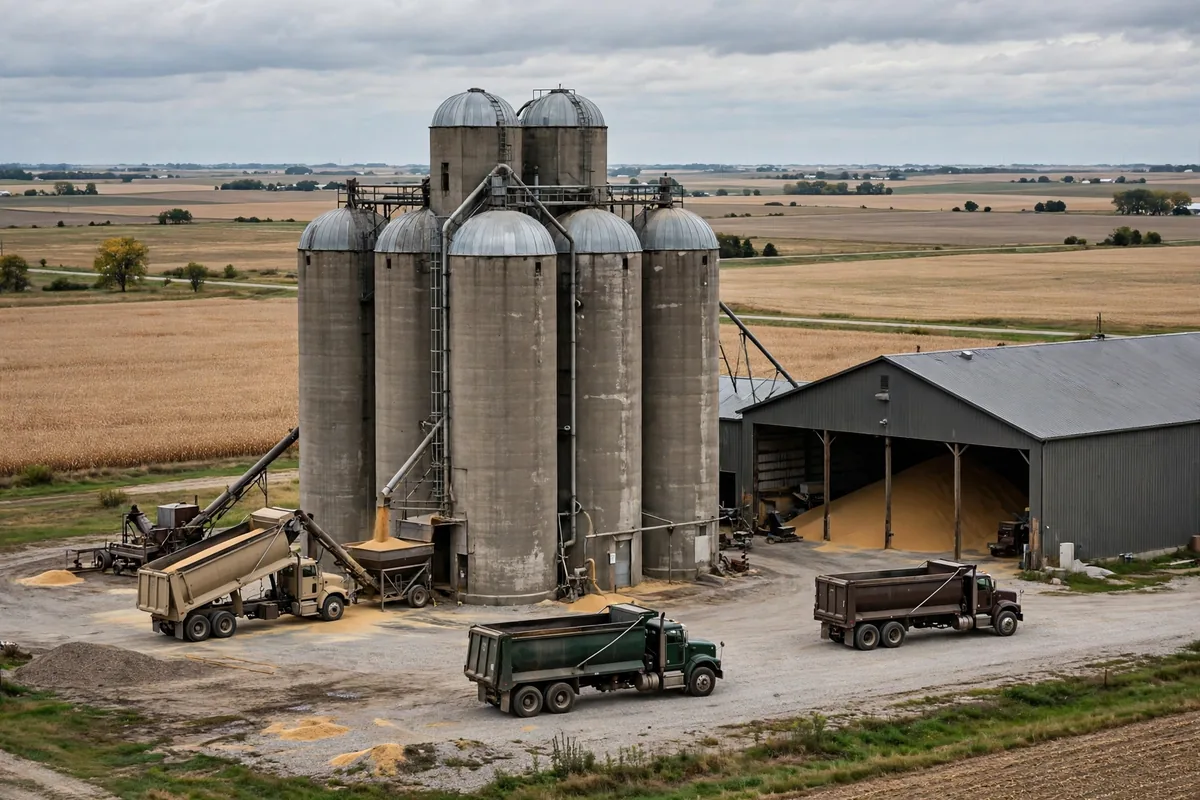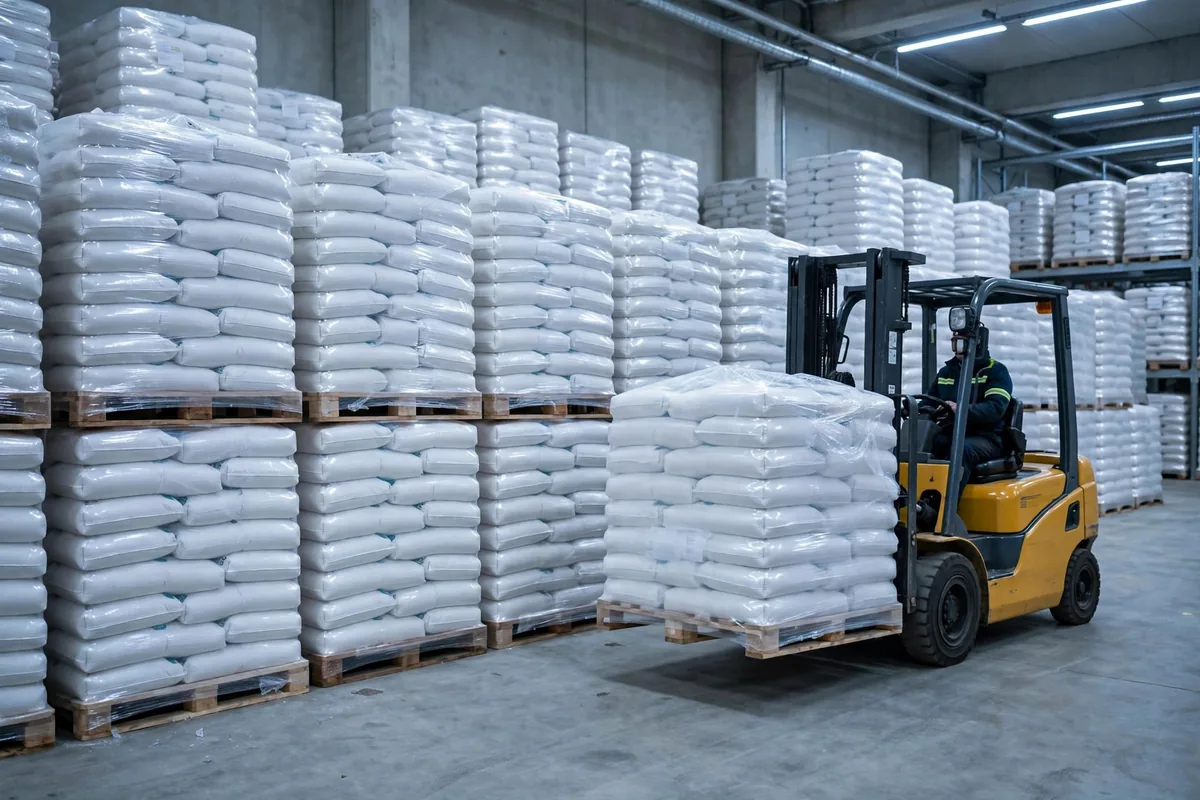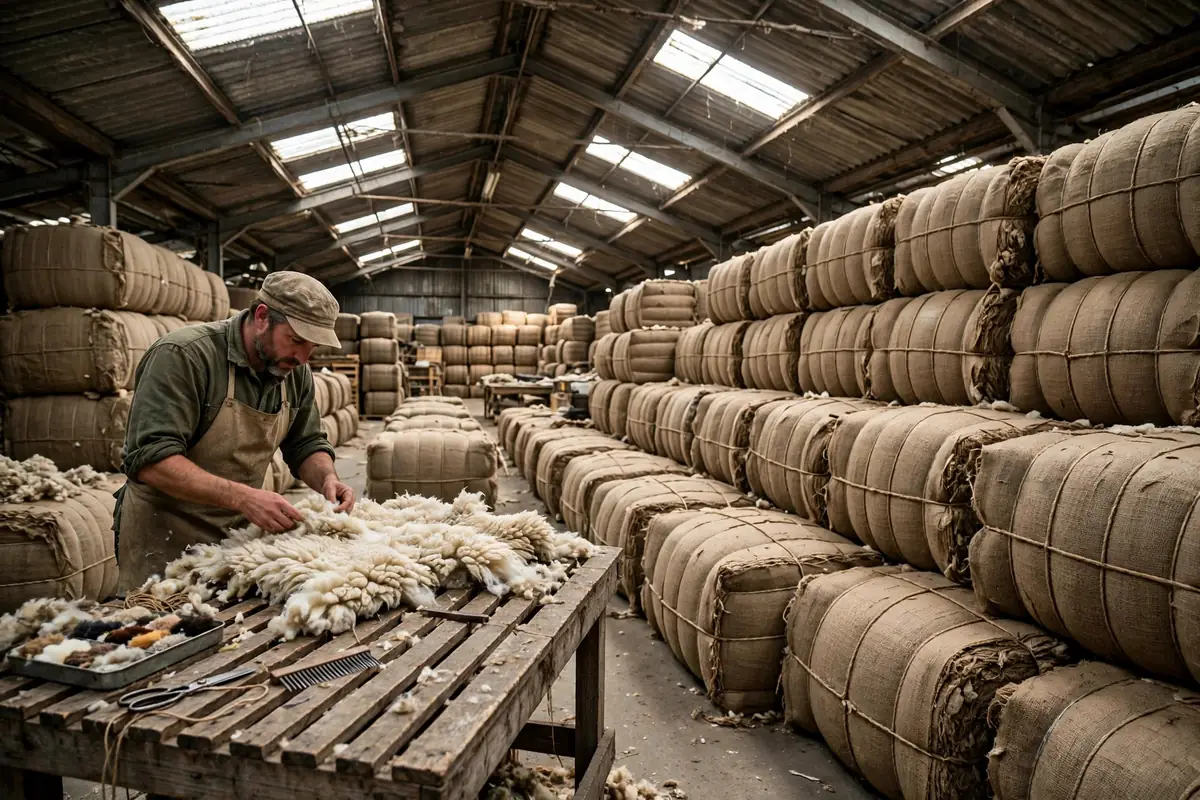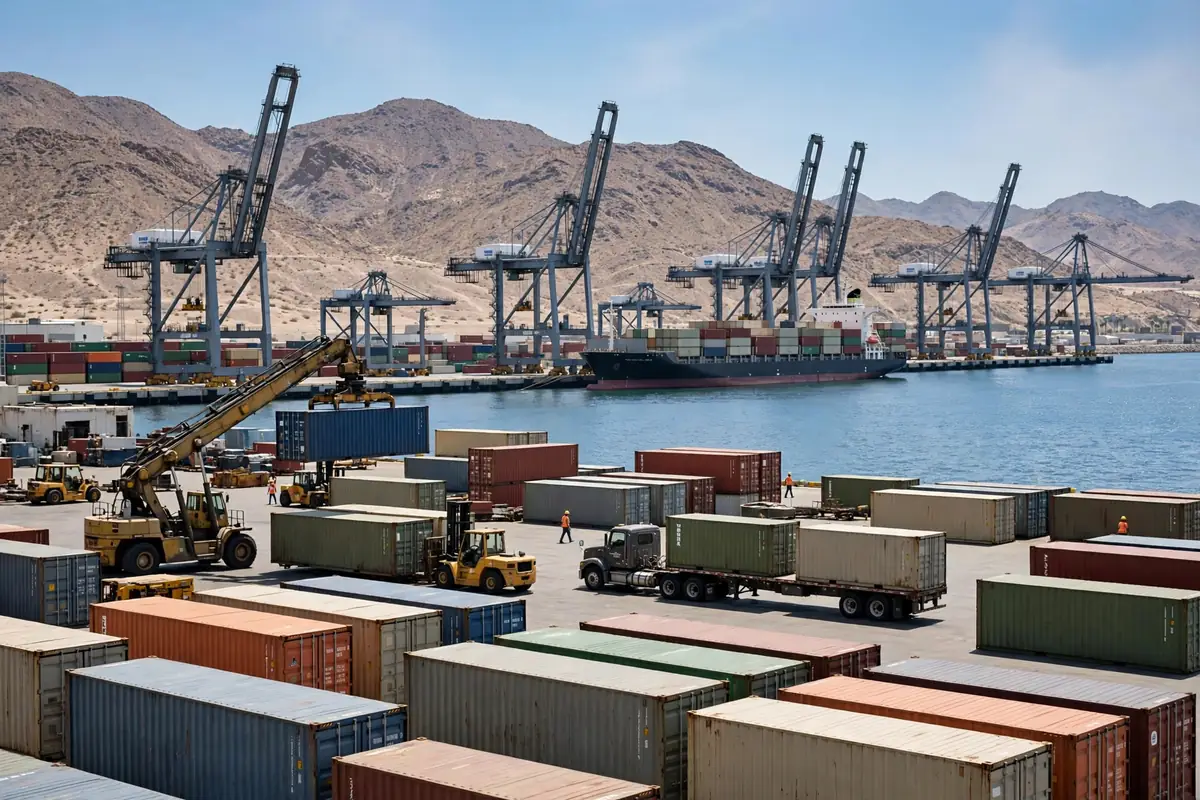
Let me be blunt: the Iquique Free Zone is not valuable because it is tax-free. It is valuable because of where it sits. A duty-free warehouse on the Pacific coast, a few hundred kilometres from the Bolivian border, is in the business of distributing goods across the whole Andean region. Miss that, and all you will see is a pile of rules and fees. Get it, and you hold a key to four national markets.
I have seen too many people treat a free zone as "a warehouse where you don't pay tax." The truth cuts both ways: duties can be deferred or avoided while goods stay inside, but the price is playing by the zone's rules. ZOFRI, the Zona Franca de Iquique, was established on 25 June 1975. Inside its walls sit 240 hectares of warehouses, yards and workshops. By the 2023 count, more than 2,000 companies operate there, supporting around 45,000 direct and indirect jobs. This is not a small industrial park. It is a city that lives on trade.
What the Iquique Free Zone "Duty-Free" Status Actually Saves You
First, the conclusion: in Iquique, duty-free means duties and some taxes are suspended while goods are stored, processed and distributed inside the zone. The moment goods enter the Chilean domestic market, whatever is due gets paid. If you do not get this accounting right, every step after it goes wrong.
Back in 2019, a friend in Santiago who sold auto parts came to me with a plan. He wanted to bring Asian-made parts into the Iquique Free Zone first, then split shipments onward to Peru and Bolivia. His logic was sound: no duty paid upfront, goods sold and shipped order by order, and his cash tied up in stock cut roughly in half. But he missed two things. First, the zone does offer third-party logistics outsourcing, yet distributing to three countries means three customs procedures, three sets of documents and three delivery timelines. The management overhead is far higher than selling only inside Chile. Second, his main lines were machinery and apparel, exactly the goods the zone's 2,000-plus companies already trade in. Imports into the zone come mainly from Asia, around 60% of the total, so whatever he could source, his neighbours could source too.
In the end he put only his fast-moving part numbers into the zone for distribution and kept slow movers on direct shipment through Santiago. That is the trade-off in one sentence: a duty-free warehouse saves you upfront duty and working capital, and charges you in management complexity. High-value, fast-turning goods split across several countries? Worth it. Low-value goods sold into one country only? You are just buying yourself extra work.
Here is a figure most newcomers never hear: by law, the zone hands over 15% of its income to the municipalities of the Tarapacá and Arica regions. The operating company, ZOFRI S.A., holds a 40-year concession. What does that mean for you? It means rent, service charges and management fees inside the zone ultimately have to cover that statutory payment. Duty-free is not cost-free. Before you sign anything, ask for the full fee schedule. Do not stare only at the words "tax-free."
Where the Goods Go From the Iquique Free Zone: Three Lines of Andean Distribution
So who buys what comes out of Iquique? On 2009 figures, around 55% went to the Chilean domestic market, around 25% to Bolivia, and the rest mainly to Peru and Paraguay. Total turnover that year was around US$4.7 billion (2009 data). Mind the vintages: the 2006 figures show around 1,650 companies and annual sales of about US$2.1 billion. The numbers grew between the two counts, but they belong to different years and must not be blended into one story.
That sales map decides how your warehouse should be set up:
| Direction | Typical goods | Warehousing play |
|---|---|---|
| Chile domestic (approx. 55%, 2009 data) | Cars, machinery, apparel | Big stock, fast turns; speed of dispatch wins |
| Bolivia (approx. 25%, 2009 data) | Cars, machinery, apparel | Small lots, frequent batches; land-border timing is everything |
| Peru and Paraguay | Used cars mostly re-exported to Paraguay and beyond | Clean re-export paperwork; condition and documents both matter |
Now the counterintuitive part: most people assume a free zone's biggest business is re-export. On the 2009 numbers, more than half of the goods ended up inside Chile itself. The zone's first job is as northern Chile's regional distribution centre; re-export is its second job. Chase only re-export and you abandon the largest market. Serve only the domestic market and you waste the location. Run both legs and the warehouse actually stands up.
One more scene, from 2021. A client re-exporting used cars brought vehicles from Asia into Iquique, refurbished them inside the zone, and shipped them on to Paraguay and other markets. His warehousing logic was nothing like a new-car operation: one file per vehicle, covering paperwork, condition and photos, and half the site was parking yard, half was a refurbishment workshop. That kind of stock does not need racking. It needs yard space plus services. Before renting, ask yourself what kind of warehouse your goods actually need. Renting by rack and renting by yard are two different contracts with two different price logics.
How to Set Up: Run It Yourself or Outsource
The zone already has third-party logistics providers offering outsourced services, which is good news for smaller sellers. My rule of thumb comes in three tiers:
- Re-export only, unstable volumes: use a zone 3PL and pay per order. Do not rent your own warehouse and hire staff. An empty warehouse in the low season is pure loss.
- Domestic plus re-export, steady monthly volume: rent a small warehouse and pair it with a 3PL. Keep fast movers under your own control; hand tail stock and re-export orders to the provider.
- Large volumes, fixed product range: only then consider a big self-run warehouse with your own distribution team, and start with a one-year trial lease, never a long lock-in.
Both sides again: running it yourself saves per-order cost and costs you fixed overhead and headcount. Outsourcing costs more per order and saves you the cost of learning by mistake. For anyone new to Iquique, I always say the same thing: outsource for three months first. Treat that outsourcing bill as tuition. It is far cheaper than renting the wrong warehouse.
One last piece of advice. Before you go to Iquique, split your product range four ways — Chile, Bolivia, Peru, Paraguay — and cost each direction separately: value, turns, paperwork cost. If two or more directions pay, go in. If only one pays, stick with direct shipment through Santiago. A duty-free warehouse is a good tool, but a good tool still has to be used in the right place.
By Lao Mi, Supply Chain Veteran (20 yrs)