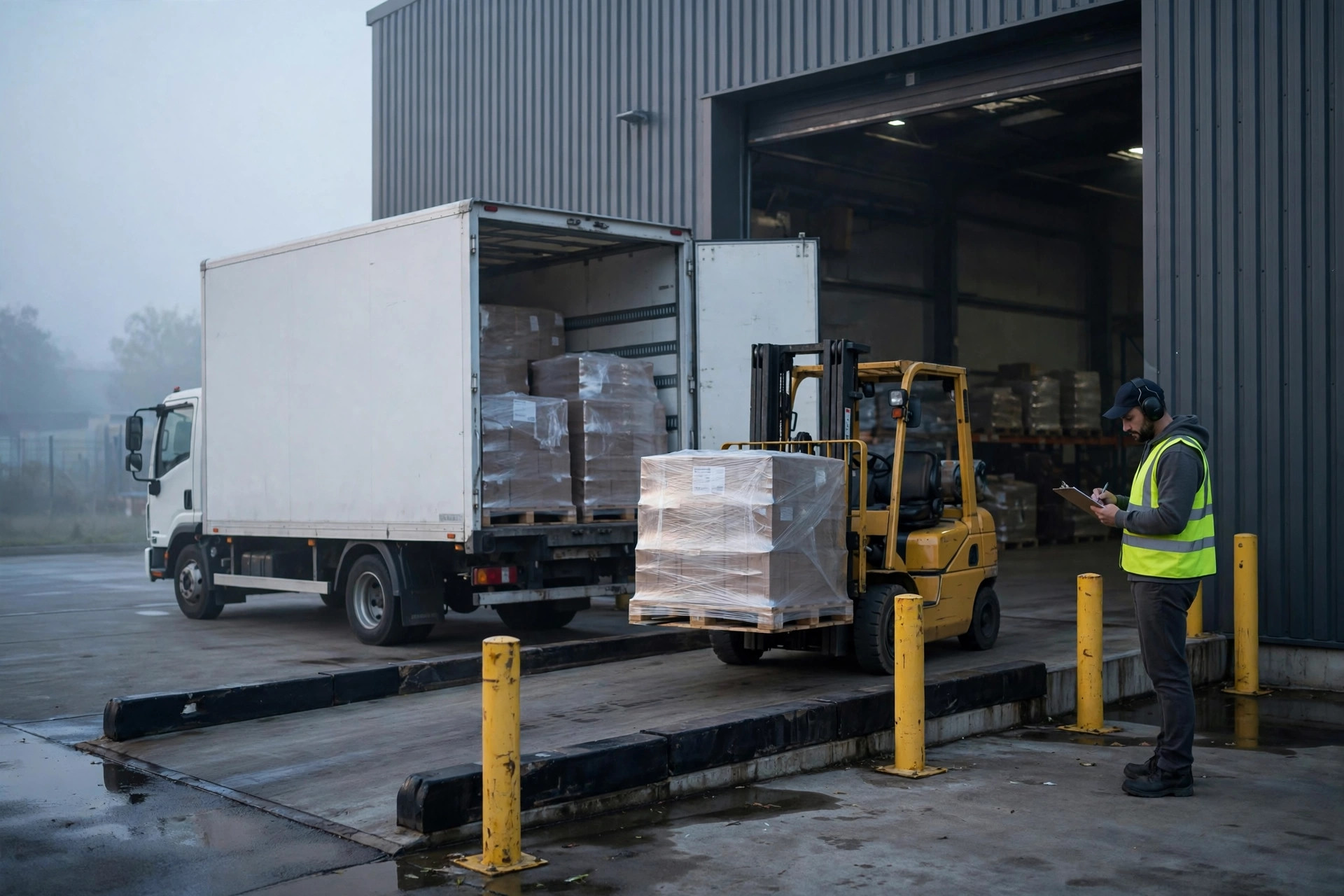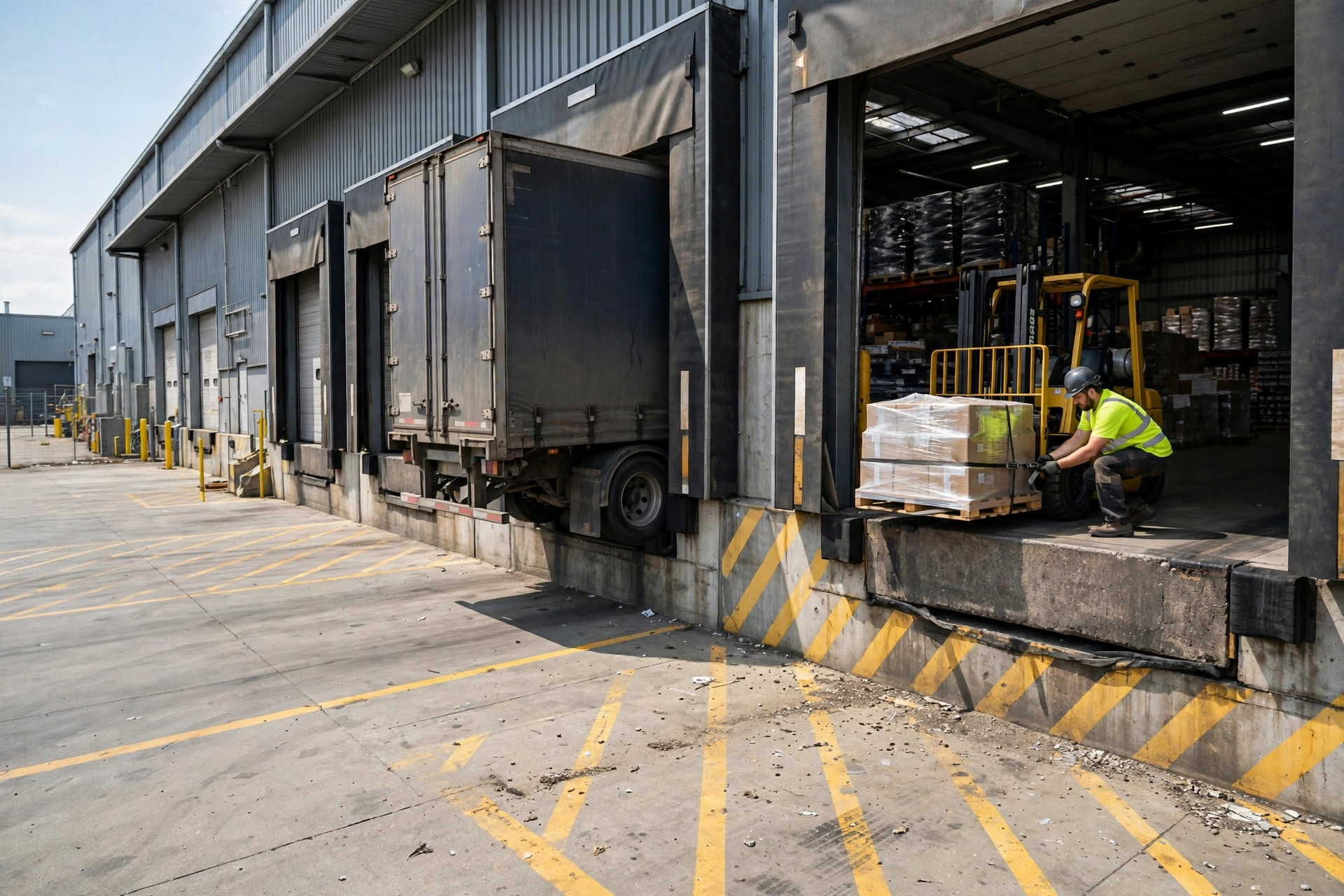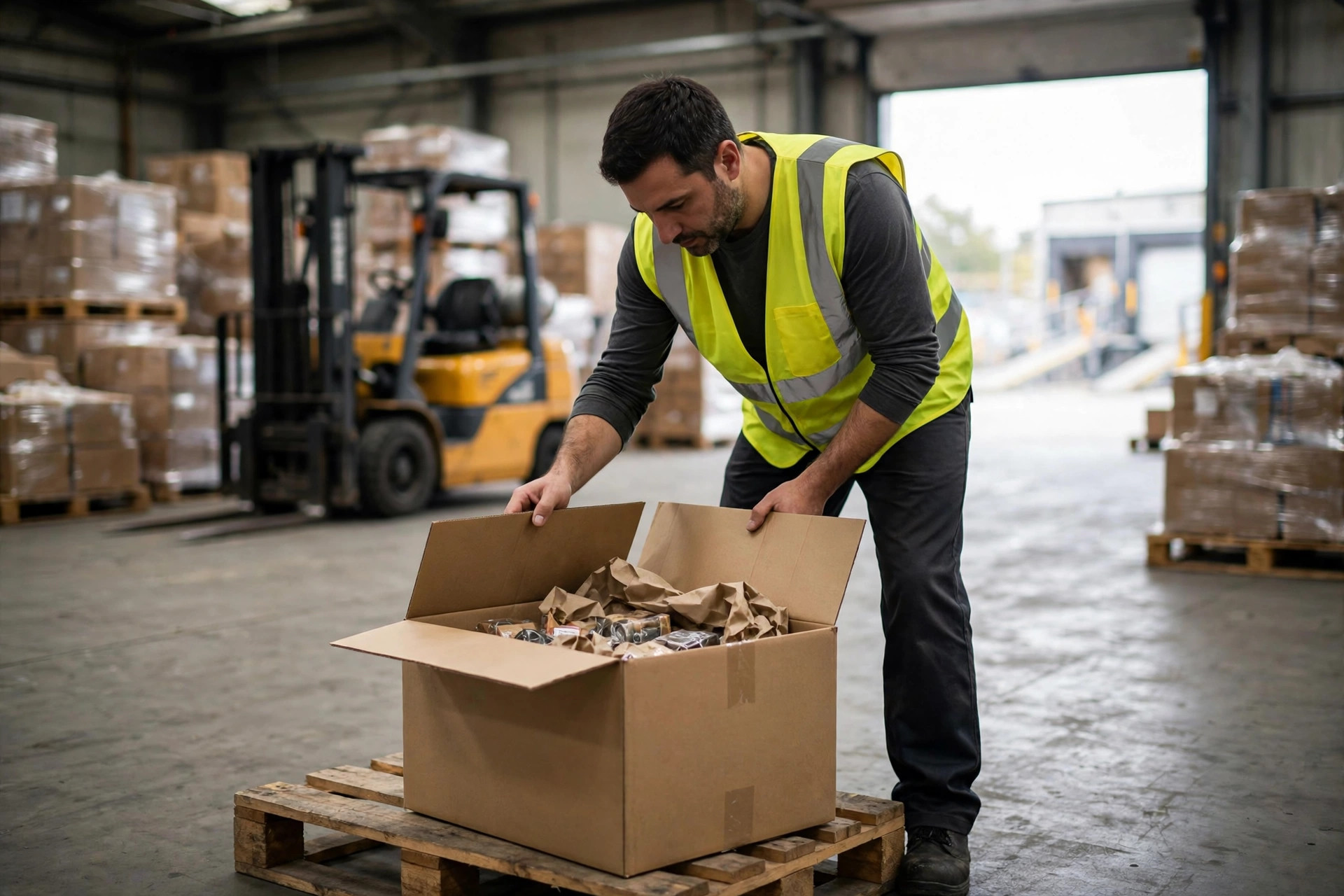
I have been driving trucks for 15 years, and I will tell you this: to judge a warehouse, do not look at its sign. Look at its receiving dock. Inbound QC inspection separates the warehouses that protect their customers from the ones that cost them a fortune. I have watched dozens of receiving docks from the driver's seat, and today I am telling the story from the dock side, not the office side.
The Loose Dock Always Sends the Bill to the Customer
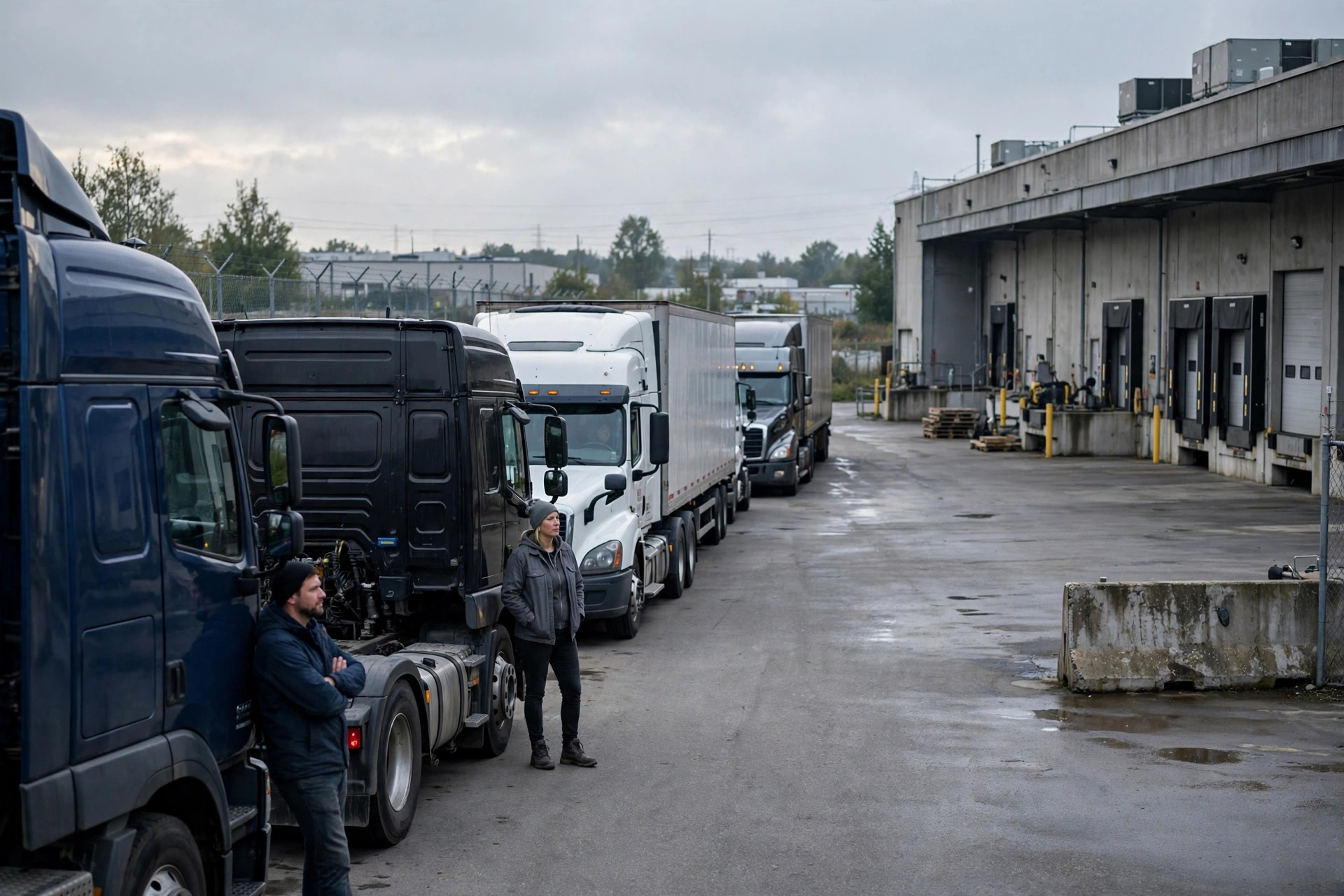
In the fall of 2021, I hauled a load of small appliances to a big warehouse in eastern China. Four trucks were waiting at the dock, and the inspector, in a hurry, opened one carton, glanced inside, and signed off the whole load. Sure enough, within two days of putaway, customer service blew up: several units had scratched housings, and one would not power on at all. A dozen-plus cartons had been crushed in transit and mixed into the shipment. Returns, replacements, freight claims — the losses ended up bigger than the profit on that entire load. The half hour the inspector saved cost the customer two weeks of cleanup.
Now compare that with the spring of 2023, when I delivered a load of food products to a warehouse in southern China. That inspector checked everything: outer cartons, expiration dates, lot numbers, carton by carton. Halfway through, he found one pallet with less than three months of shelf life left, which failed the customer's receiving standard. The whole pallet went back on the truck. But the customer later told me straight: if that pallet had gone in, it would have expired on the shelf, and expired food reaching consumers would mean fines and brand damage worth far more than one wasted trip. That rejected pallet saved the customer.
Put those two days side by side and the lesson is plain: inspection is not the warehouse giving drivers a hard time. It is the warehouse guarding the customer's gate. When the gate holds, the customer saves big money. When it does not, every minute saved gets paid back double later.
Sampling or Full Inspection? Use This Decision Table
Warehouses wrestle with one question: inspect everything and the dock clogs; sample only, and something slips through. You do not guess — you decide by the shipment's background and risk:
| Situation | Approach | Why |
|---|---|---|
| First delivery from a new supplier | Full inspection | Unknown track record — you have to learn it |
| High-value, fragile, food or pharma goods | Full or large-sample inspection | The cost of a miss is too high |
| Long-time supplier with a strong pass history | Sampling inspection | Trust is earned, not granted |
| Damaged cartons, rain exposure, broken seal | Full inspection of the affected portion | An anomaly is a signal, not a coincidence |
| Prior complaint or a failed last shipment | Full inspection for at least the next three loads | Once burned, tighten up until proven clean |
Sampling is not laziness, and full inspection is not paranoia. The dividing line belongs in the receiving standard so everyone measures with the same ruler. The worst setup is one inspector strict today and another loose tomorrow.
Five Checkpoints of Inbound QC Inspection: Look, Count, Lot, Pack, Label
Whether you sample or inspect everything, the inspector's eyes should land on five things:
Appearance. Is the product itself damaged, scratched, deformed, or contaminated? Open the carton and look — do not judge by the outer box alone.
Quantity. The delivery note says one number; the physical count says another. Even one carton short matters — write any shortage down on the spot.
Lot and expiry. Does the lot number match? Is there enough shelf life left? For food and personal care, short-dated stock gets handled by the customer's standard — no fudging.
Packaging damage. A crushed, soaked, or re-taped outer carton usually means the contents suffered too. Pull damaged cartons aside and check them closely.
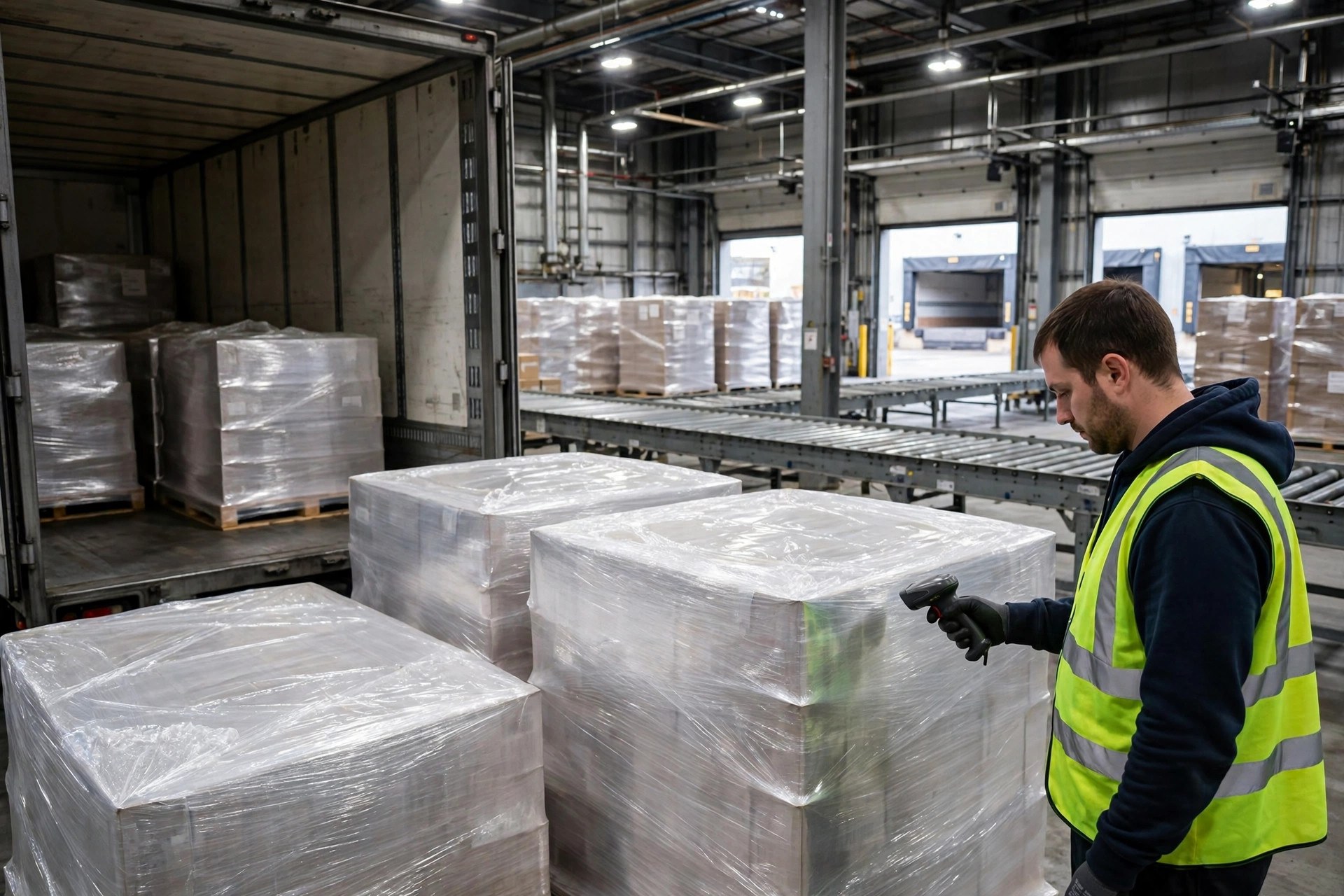
Label. Does the barcode scan? Does the label match the actual product? A wrong label means a wrong record in the system, and then picking and shipping go wrong behind it.
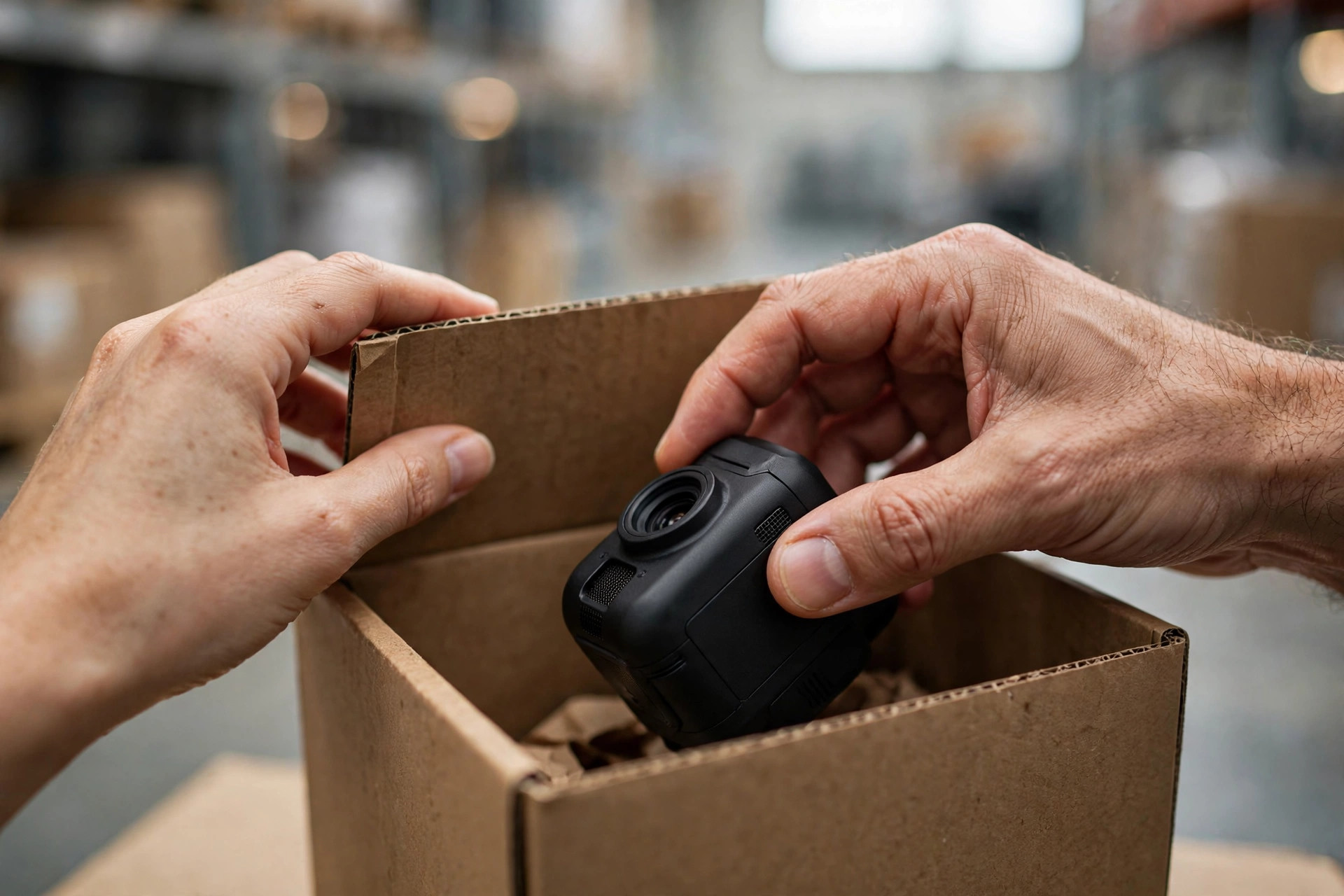
Cover those five checkpoints and you basically know the shipment. Keep records: who inspected, which cartons, what was found. A verbal "I checked it" does not count. Written records are evidence.
How AQL Sampling Works: Sample Size and Accept Numbers
Sampling cannot run on gut feeling. In any serious inbound QC inspection program, it needs a method, and that method is AQL sampling — Acceptable Quality Limit. In plain terms, AQL answers one question: how bad can this lot be before we refuse it?
It works in three steps. First, set the AQL level: AQL 1.0 for strict requirements, AQL 2.5 for ordinary ones. The smaller the number, the stricter the standard. The exact level follows the customer and industry requirements. Second, look up the sampling table by lot size to set how many cartons to pull and how many defects you can accept. For example, if the table calls for 80 cartons with an accept number of 5, you accept the lot at 5 defects or fewer and reject it at 6. Third, sample randomly: top, middle, bottom, inside and out — not just the easiest cartons on top.
Here is the part people get wrong: AQL does not mean "a few defects are fine." It is a sampling decision rule that lets a limited sample judge a whole lot. Sampling tables vary by customer and industry, so follow the customer's and the industry's latest inspection standards rather than one memorized old table.
And here is the counterintuitive part: a lot that passes sampling is not guaranteed defect-free. Sampling is a game of probabilities. It tells you whether the lot as a whole is sound, not whether every single unit is perfect. If the customer demands zero defects, that is not a sampling job. That means full inspection, or full inspection by the supplier before shipping. Settle that before the partnership starts, not after something goes wrong.
Defect Isolation: Walk the NCR Process
What do you do with the goods that fail? Never toss them into the good-goods area, and never quietly agree with the driver to "just take it in." The proper route is the NCR process — nonconforming product handling:
Identify. Tag the defective goods with a nonconforming label stating the problem, quantity, and time found. A vague tag nobody can read is the same as no tag.
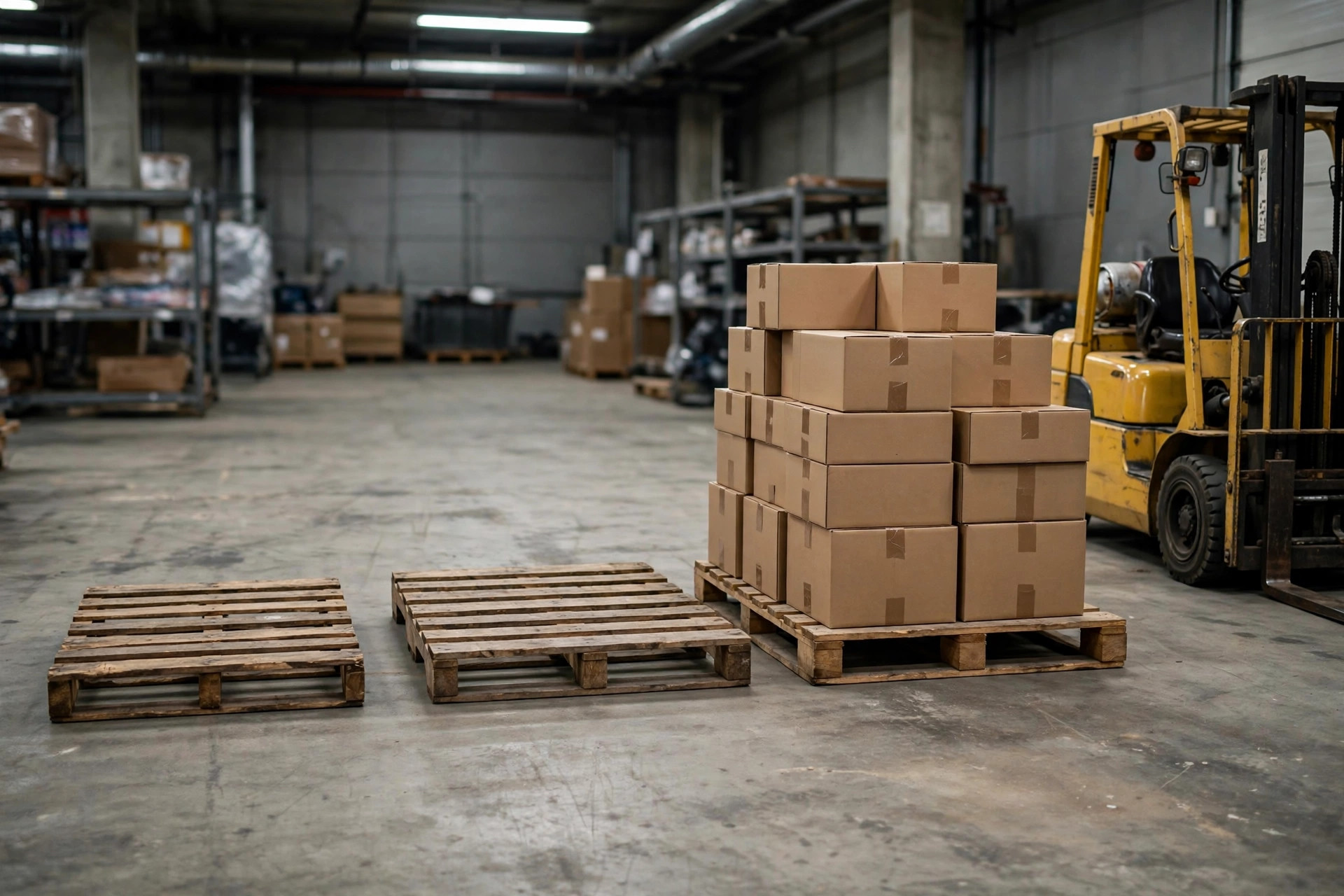
Isolate. Move them to the defect isolation area at once, physically separated from good stock. Clear barriers and signage — never mixed with conforming goods.
Photograph. Capture the defect, the lot, the label, and the packaging damage. Photos are the hard evidence when responsibility gets decided later.
Notify the customer. Report the situation, photos, and quantities right away, and wait for their disposition. The warehouse should neither return goods nor accept them on its own say-so.
Disposition. The customer decides, usually one of three ways: return the goods; accept on concession, with a signed acknowledgment, possibly at a discount; or rework, with the supplier sending someone to repair or repack, followed by re-inspection. Whichever way it goes, keep a written record of who decided and why.
This is the backbone of inbound QC inspection: the process looks bureaucratic, but it protects everyone: the customer from bad goods, the warehouse from blame, and the driver from false accusations.
From the Driver's Seat: Photograph Before Unloading, Count Before Signing
A few tricks from the driver's side — survival lessons from 15 years on the road.
The most common dock dispute is the delivery note not matching the goods. The note says 500 cartons; the count says 498. Whose two cartons are those? My rule: before unloading, photograph everything — the seal, the truck, the trailer interior, close-ups of anything odd. Count together with the inspector, reconcile on the spot, and sign together. If the numbers do not match, write the actual received quantity on the delivery note, both sides sign, and only then unload. "Unload first, sort it out later" is how responsibility turns into a fog.
Why do pre-unload photos matter? In 2022 a load arrived with crushed outer cartons, and the customer blamed the driver and wanted to dock his freight payment. The driver pulled out pre-unload photos showing the cartons were already crushed when loaded, with the seal intact. The photos ended the argument in one minute. After that day, I keep a phone mount in the cab and photograph every load before unloading. One minute of work saves two weeks of arguing.
One last word of advice to customers: do not treat inspectors as a cost center. A good inspector is a gatekeeper you hired cheap. An extra half hour at the dock saves a major headache on the shelf. Anybody who has run the long haul can do that math.
By Shifu Zhao, Trucking Veteran (15 yrs)