Here is the short version: HTS classification is not paperwork. It is money, sitting in a code.
I have watched too many importers learn that lesson at the port. The container has arrived, the broker calls, and customs does not accept the code on the entry. The rate jumps, the container sits, and storage and demurrage keep ticking while everyone argues about what the product actually is. The broker files the entry, but the liability is yours. The goods are yours, and so is the classification.
There are two sides to this. One side is the rate itself. A different code can mean a difference of several points, sometimes 10. The other side is risk. A wrong code can mean back duties, an exam, a hold, a penalty, and a place on a list you do not want to be on. Chasing the lowest-rate code without asking whether it will hold up is the fastest way to lose money on a shipment that looked cheap on paper.
Where HTS Classification Moves the Money
Do the simple math first. A container valued at $80,000, with a 10-point rate difference between two possible HTS classifications, means $8,000 in duty. That is cash, not theory. Run 20 containers a year at that gap and you are looking at $160,000. Most small importers do not have that kind of margin to give away.
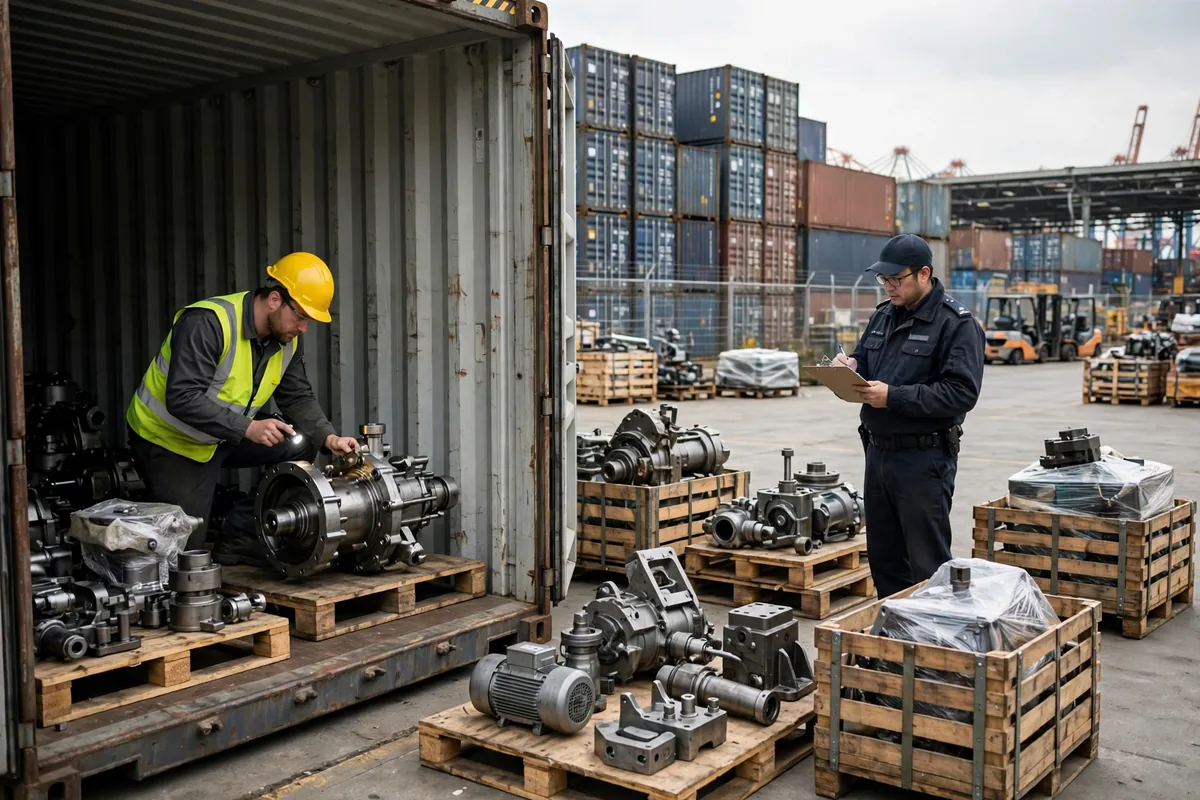
Last fall, an importer of outdoor lighting called me from the Port of Los Angeles-Long Beach. Their light strips came with a small remote control. The broker had classified them as ordinary lighting, at the lower rate. At exam, customs took the view that the control function pushed the product into a different heading, 10 points higher. The container sat for 9 extra days. Demurrage and storage added several thousand dollars on top of the back duty. The whole container's profit was gone. The owner told me he would have paid gladly for two extra days of classification work up front.
A second case stung in a different way. In the summer of 2024, a Dallas company importing heated mugs filed them as ordinary mugs. On review, customs classified them as small appliances with a heating element, at a much higher rate. Worse, two earlier shipments had used the other code, and customs wanted an explanation for the inconsistency. The next shipment went into intensive exam. One wrong HTS classification slowed down everything that came after it.
Both stories point to the same thing. Classification is about understanding the goods: what they are made of, what they do, and what they are mainly used for. Change the material, add a function, shift the main use, and the code can change with it.
Three Questions Before You File
When I review a classification for a client, I ask three questions before anything gets filed. If we cannot answer them, we do not file.
First, what is the core function? A product can do three things. Classification follows the main one. A mirror with a light: is it a mirror or a lamp? A mug with a heater: is it a mug or a heating appliance? The plain test is what the customer is mainly buying it for. Get that wrong and everything downstream is wrong.
Second, what is special about the material or construction? A bag in real leather and a bag in synthetic leather do not share a code. A wooden chair and a metal chair do not either. When your broker asks for a product description and a material breakdown, that is not busywork. Classification turns on those details.
Third, is there a precedent? How was similar merchandise classified before, is there a customs ruling to point to, and has anyone been examined over this code? Answer those three and you are most of the way there. The rest is worth confirming with a professional.
| Check | The question | If you are unsure |
|---|---|---|
| Core function | What is the buyer mainly buying this for? | Classify by main use, not the add-on feature |
| Material and structure | What is the main material, what are the key parts? | Get the material sheet and a diagram from the supplier |
| Precedent | How was similar merchandise classified? | Look for a customs ruling, or get a pre-classification |
The table looks simple. Most importers have never filled in a single row of it before filing. Your broker cannot read your mind. The vaguer the information you give, the higher the chance the code comes back wrong.
The Lowest Rate Is Not Always the Cheapest Tariff Code
Here is the counterintuitive part: the lowest-rate HTS classification is often not the one that saves you money.
The logic is plain. A low-rate code draws attention. If customs decides it does not hold, you pay back duty, a penalty, an exam fee, and demurrage while the container sits, and the total runs far past whatever you saved. Worse, a classification dispute leaves a record, and the next shipment moves slower. Saving money on one container and paying for it with six months of slow clearance is a bad trade.
A slightly higher rate on a classification that holds up is worth more: smooth clearance, fewer exams, no arguments at the port. In importing, predictability is money. On classification, solid beats cheap.
One more thing people miss: duty rates and additional measures change. Section 301 duties and similar measures depend on the latest US Customs and official policy, so never price this year's shipment off last year's rate table. The classification logic for your goods may stay steady, but the policy around it does not. Re-check the rate before every shipment, even when the code has not changed.
My own rule is simple. For a new product, pay for a formal pre-classification on the first import and keep it on file. For an existing product, run the three questions again whenever the supplier, the material, or a feature changes. A pre-classification costs a few hundred dollars once. It buys peace of mind on every container after that. That is a bill I am happy to pay.
Would you rather pay for classification before filing, or pay for it at the exam table?
By Lao Mi, Supply Chain Veteran (20 yrs)