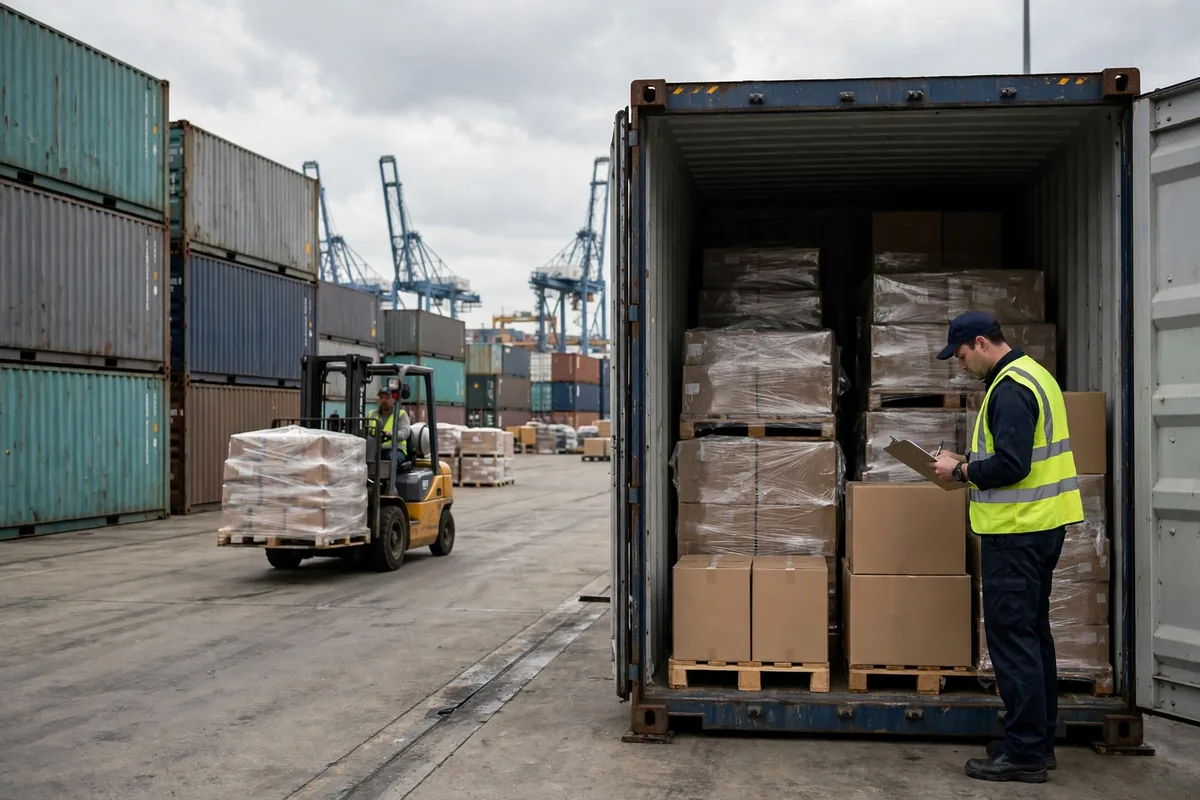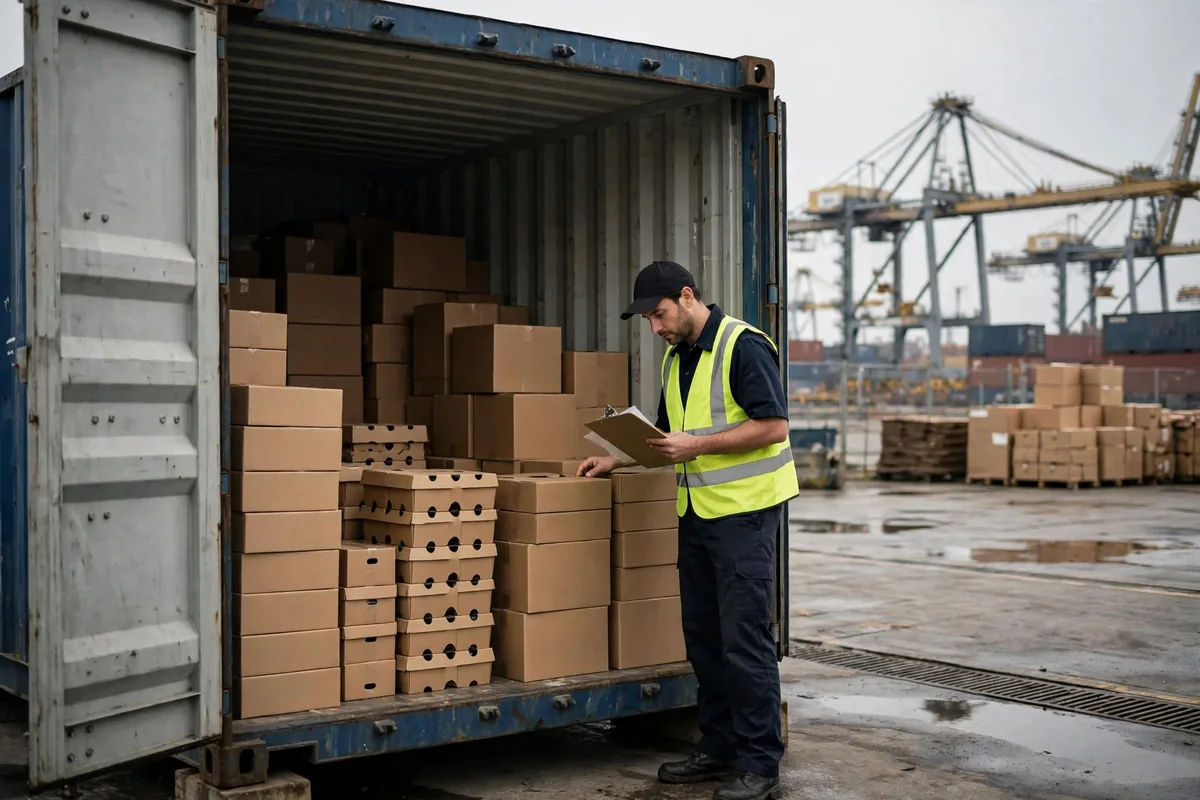
Bottom line first: if you import into the United States, HTS classification should rank ahead of freight negotiation. One wrong HTS code, one extra 25 points of Section 301 tariff, and the margin on the whole shipment is gone — and when the correction comes, it brings interest and penalties with it. I am a WMS implementation consultant. Classification is not my job. But I have watched this trap spring three times, and all three times it blew up on go-live eve — because once a wrong tariff code lands in the item master, every receiving, every cost posting in the warehouse copies the error forward.
Let me set the base facts before the math, so the numbers line up. The U.S. Trade Representative has imposed Section 301 additional duties on Chinese-origin goods since 2018, in four lists: Lists 1, 2 and 3 at 25%, List 4A at 7.5%, all stacked on top of the normal most-favored-nation duty. The 2024 four-year review raised selected strategic products further — electric vehicles to 100%, semiconductors and solar cells to around 50%. Rates change, so verify against the current official lists before you cost anything; but the structure has never changed: Section 301 sits on top of normal duty.
The point that matters: the lists do not attach to product categories. They attach to 8-digit HTS subheadings. Two products that look identical to a buyer can sit on different subheadings — one inside a list, one outside it. That is how a classification mistake turns into 10 points, or 25.
I Have Seen This HTS Trap Three Times — Same Root Cause, Three Ways to Die
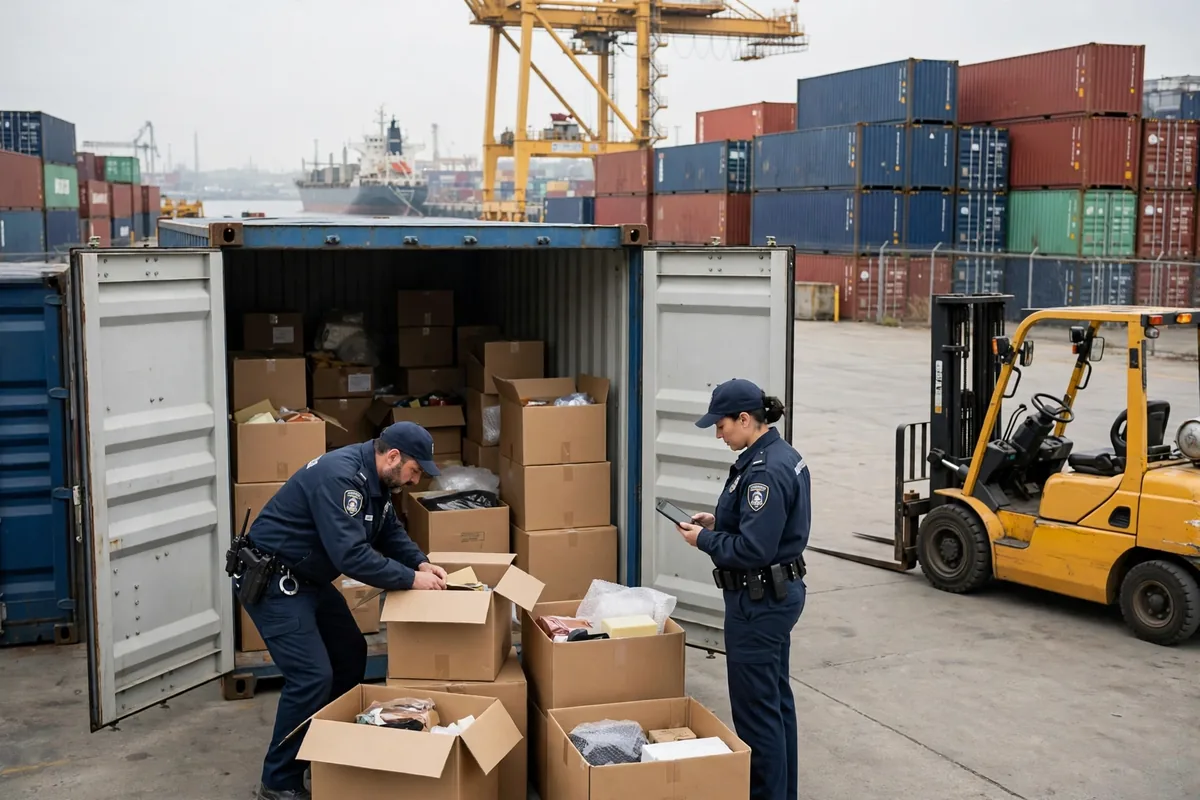
The first time was fall 2024. A client selling outdoor gear was going live, and their broker had classified a camping lantern with a built-in power bank as a portable electric lamp. At the Port of Los Angeles, Customs pulled the shipment and ruled the core function was battery storage, not lighting. The normal duty rates differed by only a few points — but one code sat inside a Section 301 list and the other did not. The extra duty ate most of the margin on that shipment. The client asked me in the meeting room, "Can the system lock the cost on this shipment?" I said no. The code is set at entry. The system can only record the truth; it cannot reclassify for you.
The second time was more typical. A client imported smart-home control panels. The broker classified them as monitors, with near-zero normal duty. It looked like a bargain. Customs ruled they were data-processing machines with a display, because of the chip and the operating system inside. Not only did the normal duty go up — the product fell inside a Section 301 list. The shipment itself was not large, but the client had already brought in six containers under the same code before anyone noticed. Back duties plus interest ran into six figures. Afterward, the broker said it had classified from the product sheet the client supplied — and the sheet listed screen specs but never mentioned the chip or the system. The root cause was an incomplete product file.
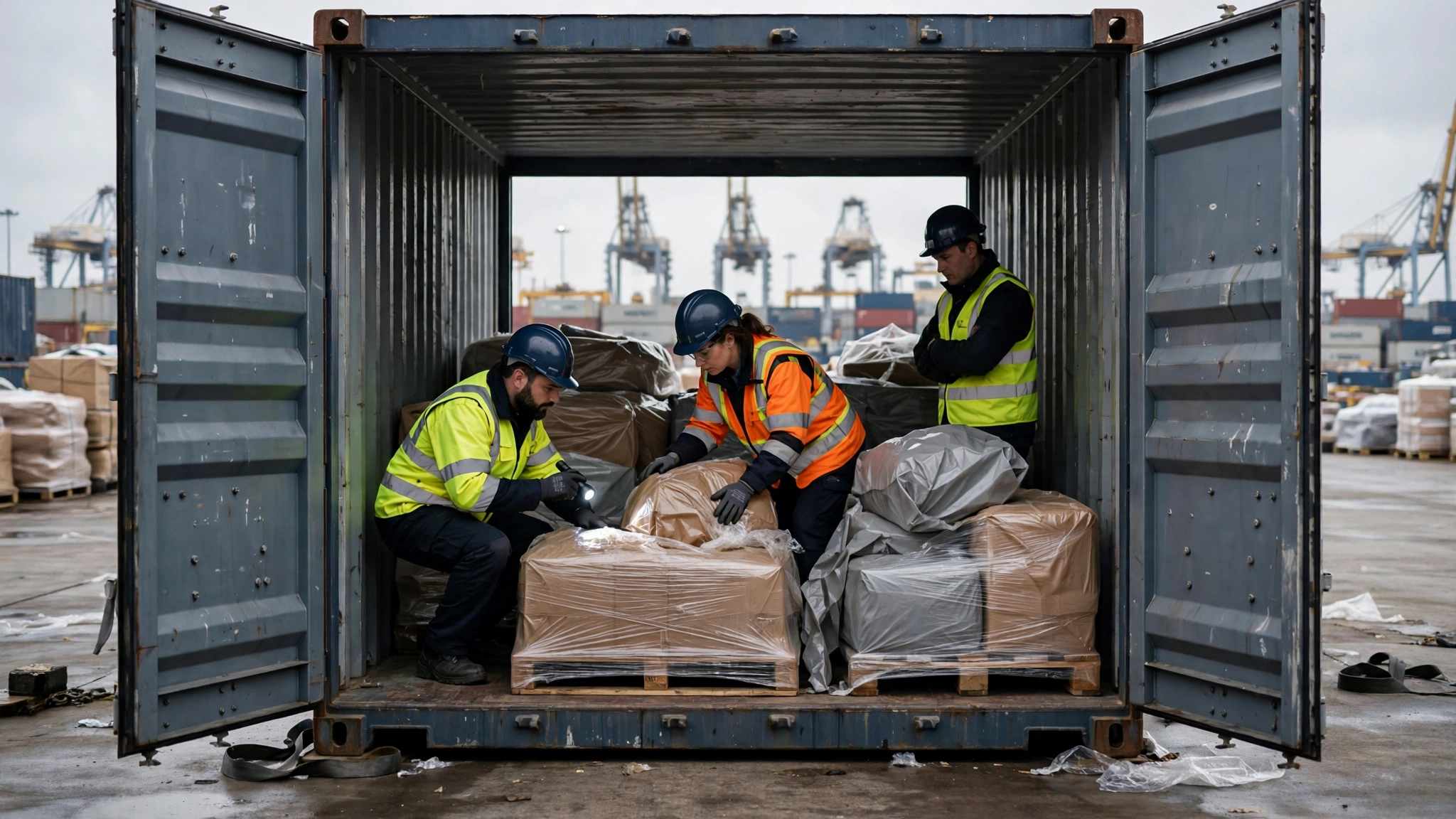
The third time happened this year. A client's cargo sat at the destination port for two weeks because the same product had been entered under two different codes across two shipments. Customs saw the inconsistency in the record and opened a classification review. Peak-season freight sat in the port, demurrage ticking every day. Both codes were arguably defensible, but Customs only honors the position you declared first, and changing it requires a formal ruling process. Nobody has time for that in peak season.
Three traps, three ways to die, one root cause: nobody actually owned classification. Sales supplied the product sheet, the broker classified from the sheet, the warehouse just received the goods. Nobody treated the tariff code as their own problem.
The Math: One Wrong HTS Code Rewrites the Whole Cost Model
Too many importers cost a shipment as "normal duty plus freight" and guess at the Section 301 piece. Here is the framework I use, on a shipment with a customs value of one million dollars. The rates follow the published list structure; confirm current rates against official sources before relying on them:
| Cost item | Code A: outside any Section 301 list | Code B: inside List 3 |
|---|---|---|
| Customs value | $1,000,000 | $1,000,000 |
| Normal duty (assume 3%) | $30,000 | $30,000 |
| Section 301 additional duty | $0 | $250,000 |
| Landed cost | $1,030,000 | $1,280,000 |
| Margin impact | Baseline | 25 points of value gone |
Look at that again. Three points of normal duty plus 25 points of Section 301, and the landed cost jumps by nearly a quarter. On a product retailing at 40 dollars, ten extra dollars of cost means repricing, reworking ad budgets, renegotiating channel splits. And the worst part: it is not a one-time loss. It repeats on every shipment, every container, every month.
Here is the counterintuitive judgment: the goal of classification is not the cheapest code. It is the defensible code. Saving three points now and getting overturned later means paying the back duties plus interest plus penalties — and the two weeks of demurrage and stockouts while the cargo sits. The most expensive "cheap code" I have seen cost a client twice the normal duty in the end. On classification, being conservative is not timidity. It is cheap.
There is a trade-off most companies never weigh: classify it yourself, or pay for an independent classification review. In our clients' experience, one review usually costs a fraction of a single shipment's Section 301 exposure. Yet most companies would rather pay hundreds of thousands a year in extra duty than spend that small, certain sum on one review. That is the wrong comparison. The review fee is a small certain cost. A wrong code is a large probable one.
Go-Live Eve Checklist: Five Classification Items, No Warehouse Opens Without Them
Classification belongs to the broker, but as a WMS consultant I care about one thing: has anyone verified the code before it enters the system? A wrong code in the item master replicates itself into every receipt and every cost posting after go-live. So our go-live checklist for importing clients now has classification as its own section. Five items. Fail any one, the warehouse does not open:
First, is the full 10-digit HTSUS code written out? The Section 301 lists attach to the 8-digit subheading, but entry requires the complete 10-digit code. Two missing digits, one wrong digit, and the list determination can be wrong.
Second, is the product file complete? Function, material, use, core components — if any of the four is missing, do not classify yet. A broker classifying from an incomplete file still leaves the liability with the importer.
Third, did anyone cross-check? Get the same product classified independently by the broker and by a second party. If the two answers disagree, stop. The disagreement itself is the risk signal.
Fourth, is the historical filing position consistent? The same product must carry the same code across shipments. Changing a code needs a formal process and a written record. Customs keeps your entire filing history; flip-flopping is handing them the thread to pull.
Fifth, is the Section 301 list status current? Lists and exclusions change. A code outside the list last year can be inside it this year, and an expired exclusion has to be re-costed. Before every large order, re-check list coverage against the latest official policy.
Never Think the Next Shipment Fixes It
One last warning: when a classification problem surfaces, never think "we will just fix it on the next shipment." Customs looks backward. Shipments already cleared can be revisited for back duties. The right move when you find an error is to stop, get a customs attorney to assess the exposure, and if a formal ruling or a voluntary disclosure is needed, do it. The longer you wait, the larger the interest and penalties grow.
By Lin Xiao, WMS Implementation Consultant