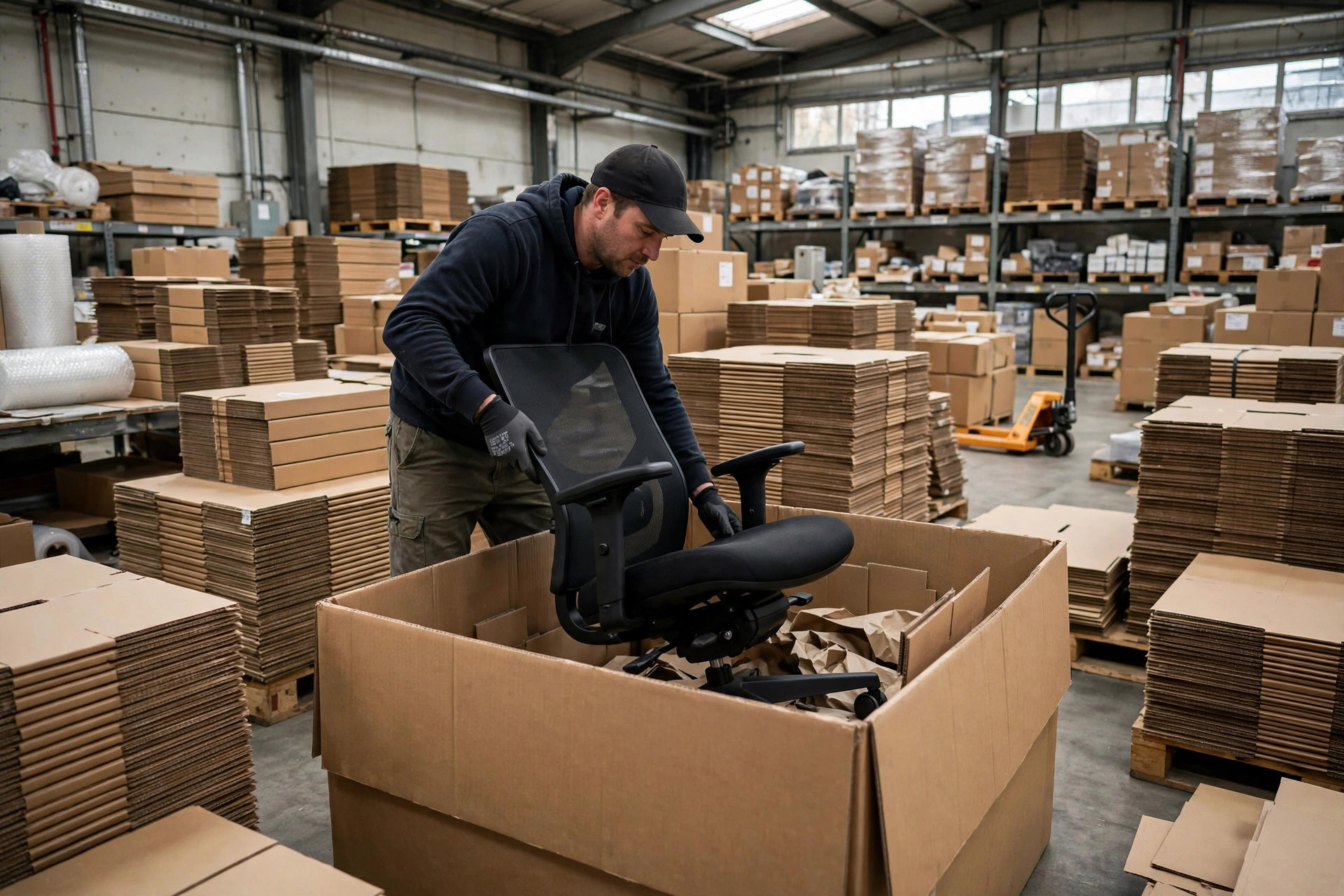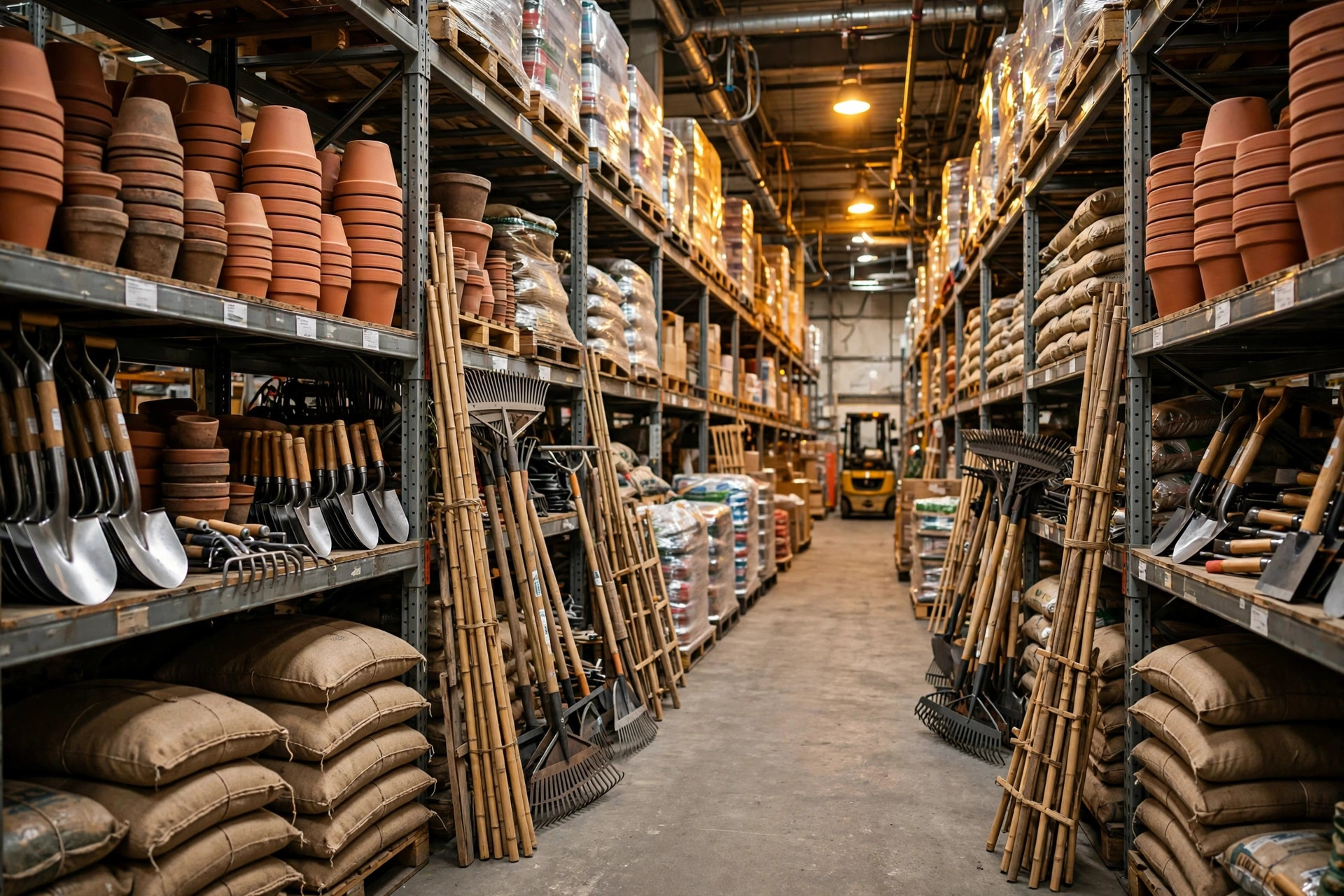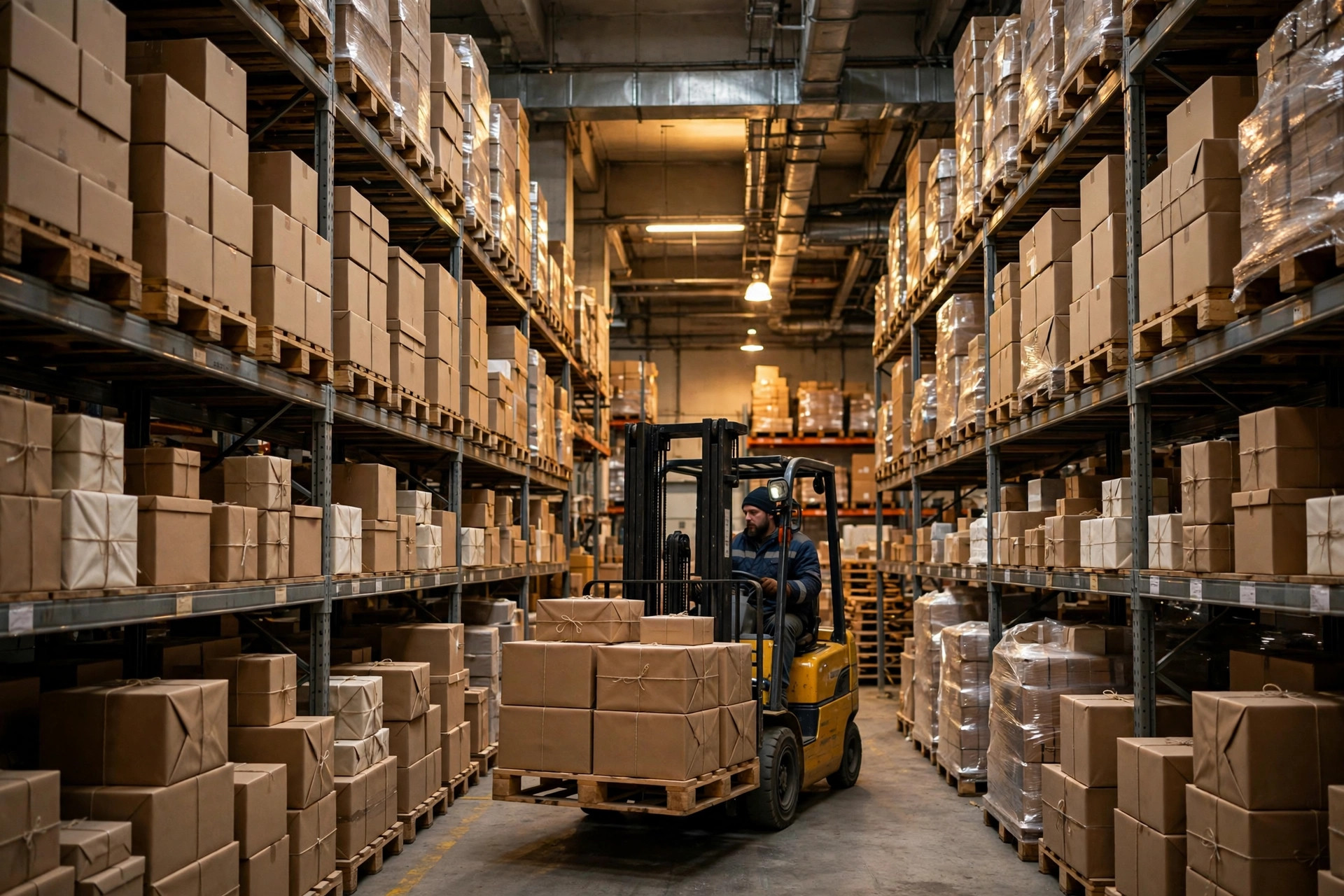
In the fall of 2024, a U.S. seller running a direct-to-consumer hardware tools store came to us claiming nearly 30,000 SKUs — everything from wood screws to bench vises — and a few hundred orders a day. Our warehouse is small, about 32,000 square feet, staffed by four people, and we don't even own an electric forklift. Just two manual pallet jacks. The moment I heard "hardware tools vertical e-commerce," my stomach dropped. This category is heavy, messy, and huge on SKU count. Get warehouse slotting and picking wrong, and you lose money on every single order.
The Disaster: A Hardware Tools Warehouse Buried in Chunks of Iron
The first week, we did what we'd always done: power tools in one zone, hand tools in another, fasteners in a third. Neat, professional-looking — and a complete disaster in practice.
All the heavy stuff sat on upper rack levels. A bench vise weighs over 40 pounds, so pickers were climbing up and down hauling them off the shelf. On day three, Lao Chen threw out his back and missed a full week — paid, of course, with nobody covering his work. The small stuff was worse: drill bits, driver bits, and screws all jumbled into a few open bins. One eight-line mixed order took a picker nearly 10 minutes of digging around like a treasure hunt, and he still grabbed the wrong bit size.
When I ran the numbers at month's end, I broke into a cold sweat: the picking labor cost on this account was way higher than the home-goods small items we'd handled before. The seller was screaming about ship times, the crew was screaming about their backs, and I was quietly calculating whether this account made money or just made noise. The big-company playbook doesn't apply to us. A small warehouse lives by one rule: if an account can't cover its own labor, walk away early.
Our Redneck Fix: Warehouse Slotting by Weight, Not by Sales
The classic ABC velocity slotting the big warehouses swear by? We can't afford it, and frankly it doesn't fit us — there's no way our little operation is burning money on software and algorithms. So after a team meeting, we set a dirt-simple rule: in a hardware tools warehouse, the first slotting dimension is weight, not sales velocity.
The logic is embarrassingly simple. Sales velocity decides how many extra trips you walk. Weight decides whether your crew's backs survive and whether freight gets smashed. A bench vise that sells three units a month can live in the back corner — the picker grumbles through an extra 50 meters. But put a 40-pound item on the second level and one drop costs you half a year of regret.
So we split our 32,000 square feet into three zones:
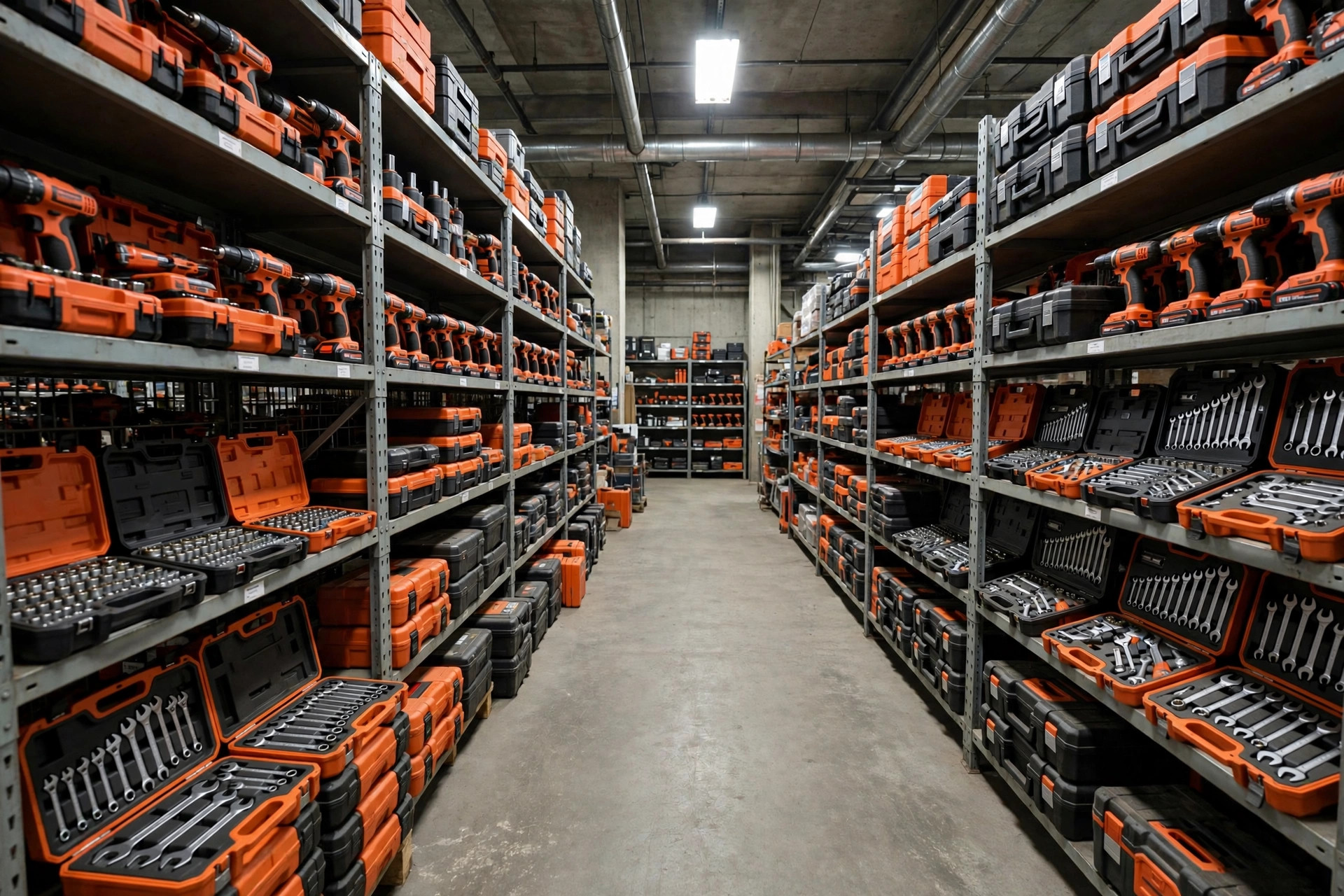
The heavy zone: anything over about 11 pounds goes on floor-level pallet spots, in the row closest to the outbound dock. Bench vises, angle grinders, rotary hammers, big socket sets — "heavy freight never goes above the shoulder," period. Nothing heavy ever sees a second level again.
The mid-weight pick zone: everyday power tools and hand tool sets, on shelving at waist height, arranged from the door inward by order frequency. Bestsellers by the door — not for looks, for fewer footsteps.
The small-parts zone: screws, drill bits, driver bits, all in pigeonhole wall bins right next to the packing bench. One bin per spec, handwritten labels are fine — the point is no more tossing everything into one tote.
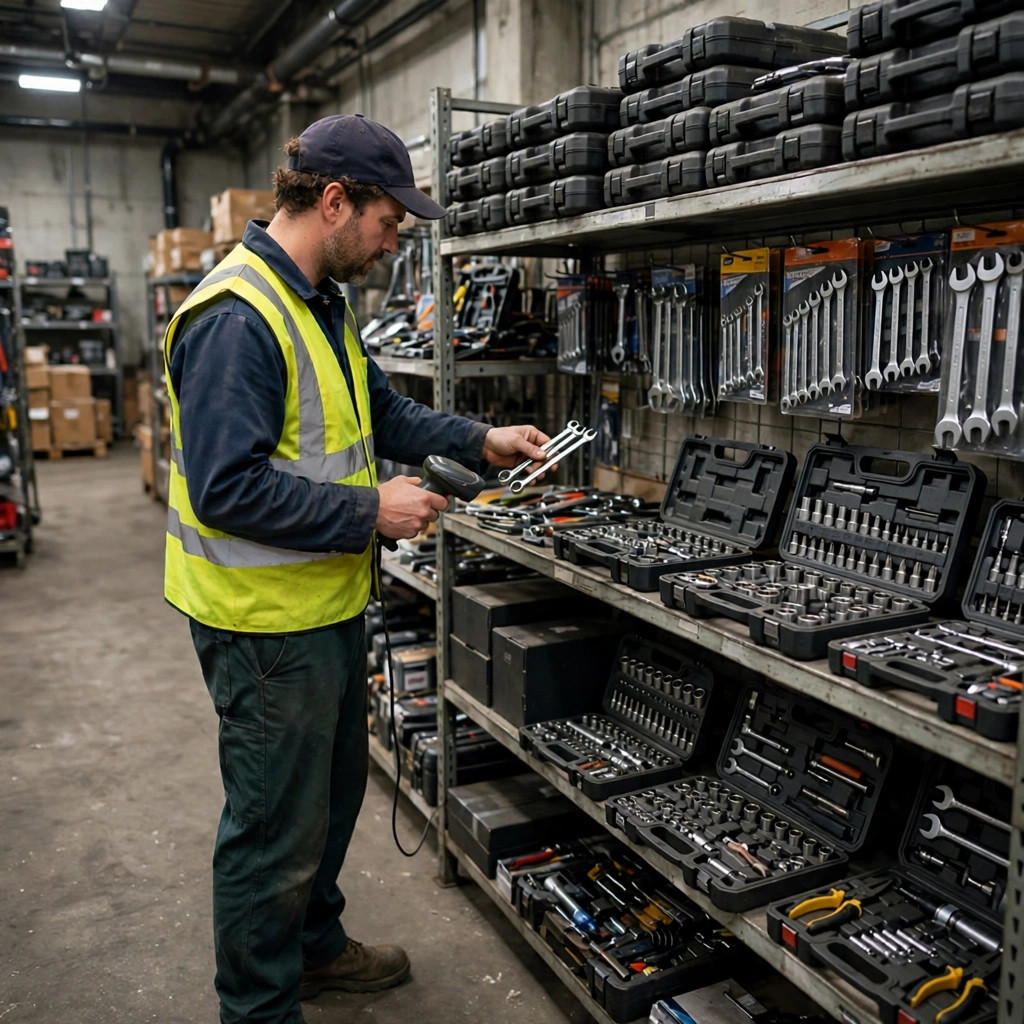
To check whether this redneck method actually worked, we timed 200 pick lines with a stopwatch (laugh all you want — a stopwatch plus a spreadsheet is our entire "system"). The results:
| Slotting method | Avg seconds per pick line | Daily orders, 4 people | Heavy re-handling |
|---|---|---|---|
| Old: slot by product category | approx. 95 sec | approx. 260 | dozens of times a day |
| New: slot by weight | approx. 55 sec | approx. 420 | basically zero |
Note: this is our own warehouse's measured data — small building, small volume. Fellow small warehouses can use it as a reference; big operations, please don't cite this in a whitepaper.
Numbers don't lie: seconds per pick line dropped by about 40 percent, and heavy freight never goes over anyone's shoulder anymore. Lao Chen's back recovered, the seller's ship-time complaints vanished, and they renewed for a second month on the spot.
Picking Mixed Orders Without Losing Your Shirt
Hardware tool orders have a signature: 3 to 8 lines per order, heavy and light mixed together. Our picking route is painted on the floor in tape and never changes: grab the big iron in the heavy zone onto the pallet jack first, then the tools in the mid-weight zone, then the small parts off the pigeonhole wall, and finish at the packing bench. No backtracking, ever.
Here's the counterintuitive call, and I bet the big-warehouse folks will shake their heads: in a hardware tools warehouse, the golden slots should not go to the bestsellers. They should go to the items that are both heavy and frequent.
Textbook ABC slotting says bestsellers live by the door and slow movers rot in the corner. But hardware tools are weird: the bestsellers are featherweight screwdrivers and tape measures — thousands a month, ten seconds a pick. The real cost sink is the stuff that sells a few dozen units a month but weighs 30 pounds a piece. Putting the bestseller by the door saves ten seconds. Putting the heavy item by the door saves a back injury and a damage claim. The trade-off is right there: dockside slots are finite, so who gets them? We did the math: moving the 40-pound bench vise from the far corner to the door saves more in hauling distance and risk every day than moving ten bestselling SKUs forward. Big warehouses would laugh at this math. Small warehouses have to do it line by line.
So our ranking formula is crude: weight times ship frequency equals slot priority. Heavy and frequent gets the private room by the door. Light but bestselling can live in the back — you just grab it and go.
Survival Tips for Fellow Small Warehouses
First, heavy freight never goes above the shoulder. Over about 11 pounds, it stays on the ground floor — that's the iron rule. Don't cry over floor space; one smashed shipment or one injured picker costs more than that square footage ever will.
Second, put screws and small parts on a pigeonhole wall, not on racks. Buy used bin cabinets at a local secondhand market for a few dozen dollars each — far cheaper than racking, and small-part picking gets twice as fast.
Third, don't buy a WMS yet — buy a label printer and floor tape first. Our entire "system" is taped zone lines, handwritten labels, and one spreadsheet. Consider real software when order volume triples. Buying it now is just burning money.
Fourth, spend one hour every Friday afternoon re-slotting. Hardware tools are seasonal — power tools surge in spring renovation season. Move hot SKUs forward for peak season, push them back after. Beats any algorithm.
Fifth, keep a double-check corner next to the packing bench. Hardware parts all look alike, so mispicks are baked in. One extra glance from the packer cuts returns in half — and returning a 40-pound item will make you cry over the freight bill.
Small warehouses have their own way of surviving. Big operations compete on systems and automation; we compete on knowing our freight and not being afraid of hassle. This hardware tools e-commerce account nearly killed us with chunks of iron at first. Now it's our steadiest account — because among our peers, there just aren't many small warehouses willing to chew on this particular hard bone.
By Xiao Ma, Small Warehouse Owner