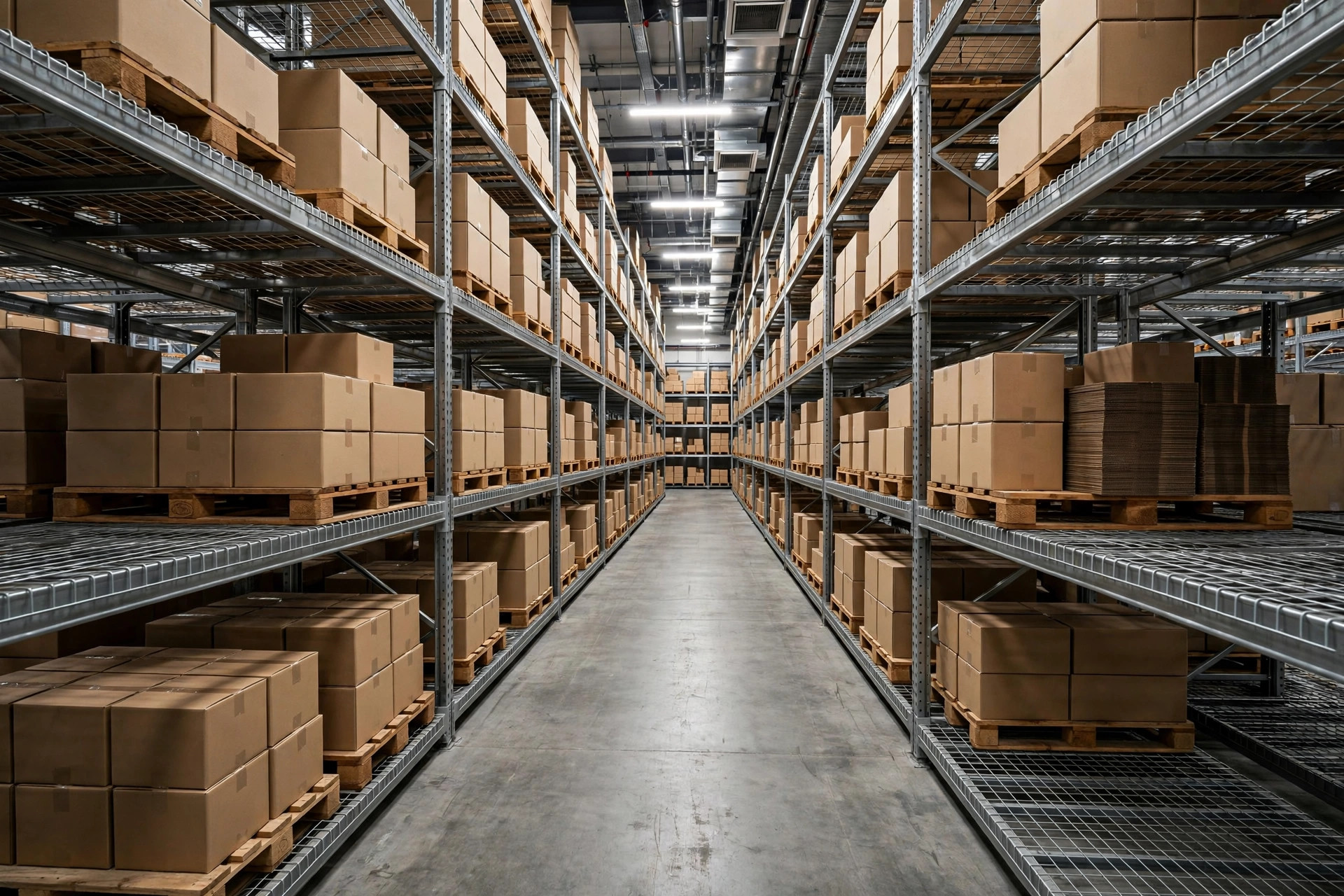
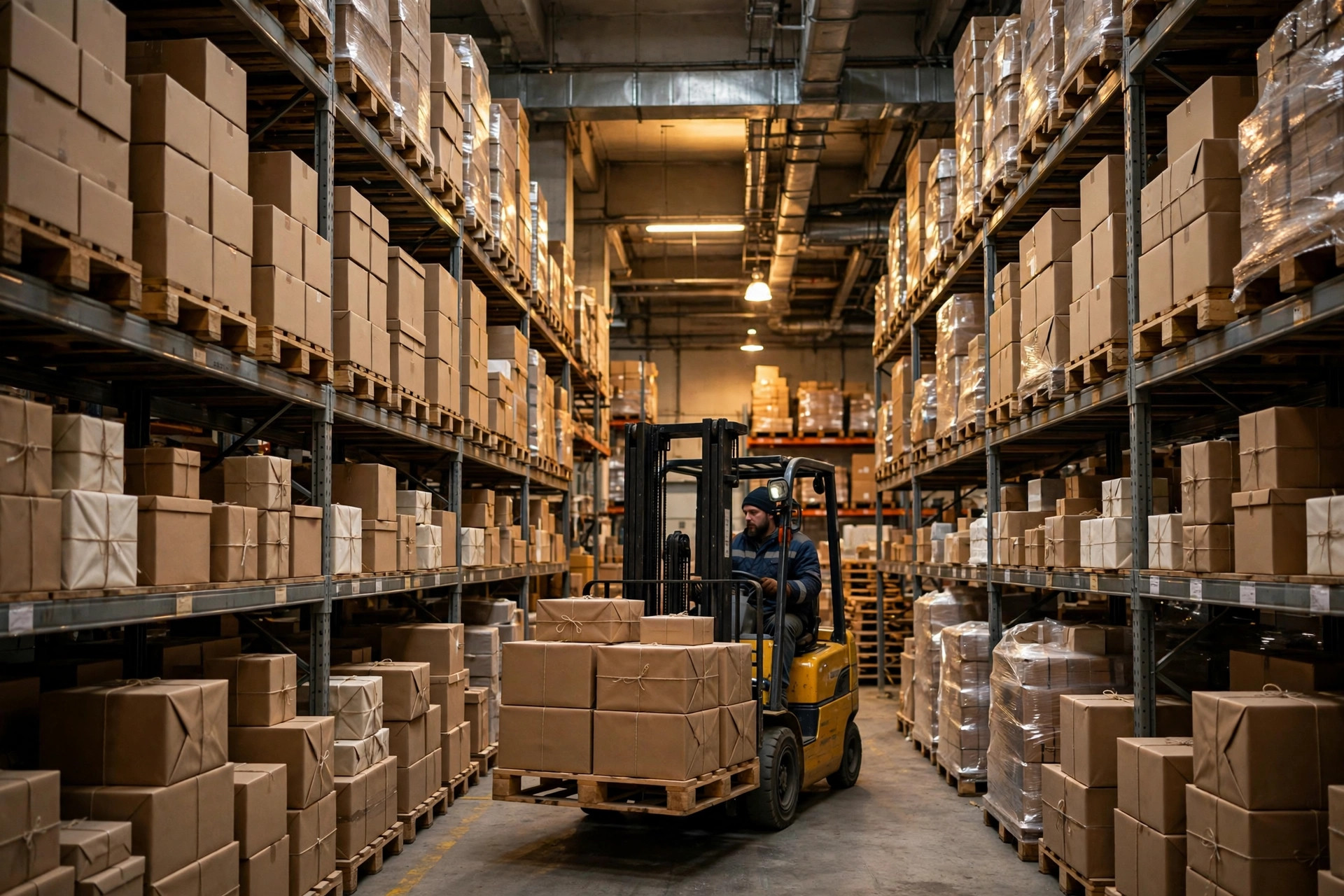
The Monday before Black Friday last year, three containers sat jammed in our receiving area with nowhere inside to put the freight. That's the dedicated vs shared warehouse slotting debate, live and in person.
I got to the warehouse at 6:40 that morning, sky still half dark. My shift lead ran up: "Feng, Area A still has 200 dedicated locations sitting half empty, but those belong to the old client. Can't touch them." I'll be honest — I wanted to swear. Freight piling up at the door, empty slots sitting inside, all because of the one-SKU-one-location rule. We worked till midnight, staged freight in the aisles, and got a fire-code warning the next morning.
When it comes to slotting, I've paid my tuition. Here's what our warehouse actually went through — no theory, just what we do now.
How Dedicated Slotting Burned Us
Our building is 90,000 square feet in Southern California. Peak season we run 180 people. 6,000-plus SKUs, e-commerce and retail mixed. Until 2022, we ran pure dedicated slotting: one SKU, one fixed home, no exceptions.
Sounds beautiful. Pickers could find anything blindfolded, and training new hires was easy. But the trap is in the word "fixed." Utilization hovered just above 60% year-round. Slow season, dead SKUs napping in prime locations. Peak season, new products with nowhere to go except the aisles. Black Friday 2023 was the scene I just described: 200 dedicated slots half empty while receiving looked like a parking lot.
It rotted the people side too. Dedicated locations run on memory. Veterans stopped looking at the system entirely. New hires stared at the location map, couldn't find things, and shoved product wherever it fit. Cycle counts never tied out, and the variances just piled up. Real talk: dedicated slotting fits warehouses whose SKU mix barely changes. For an operation like ours, turning over a third of SKUs every year, it was a straitjacket.
After that fire-code warning, I went back to the old client and asked: could we borrow back some of those 200 dedicated slots for peak season? One sentence shut me down: "The contract says dedicated. Not one less." Fair enough — a contract is a contract. But it settled something for me for good: locking locations to individual SKUs doesn't lock the locations. It locks us in.
Shared and Dynamic Slotting: What We Learned the Hard Way
Spring 2024, we made the call to switch to shared. First, plain definitions, no jargon:
Dedicated: one SKU, one fixed slot. Fast picking, easy to learn. Terrible utilization; breaks down as SKU count grows.
Shared: multiple SKUs per location, the system keeps the books. Great utilization. Demands a real WMS and disciplined people — grab the wrong unit and you've got a mis-ship.
Dynamic: the system assigns the best slot on inbound and re-slots by velocity on a schedule. The best of both worlds, but you're dead without a good WMS, and the crew has to trust the screen.
That's the dedicated vs shared warehouse slotting question most managers get wrong: they treat it as two choices. We learned it's three — and you can mix them. Here's our trial and error, tabulated so you don't pay the same tuition:
| Dedicated | Shared | Dynamic | |
|---|---|---|---|
| Space utilization | ~60% | 80%+ | 85%+ |
| Pick efficiency | High (veterans from memory) | Medium (depends on system) | High (system-directed) |
| System requirements | Spreadsheet works | Real WMS required | Good WMS required |
| Management difficulty | Low | High | Medium |
| Best for | Few SKUs, stable mix | Many SKUs, volatile mix | Operations with a system, in it for the long haul |
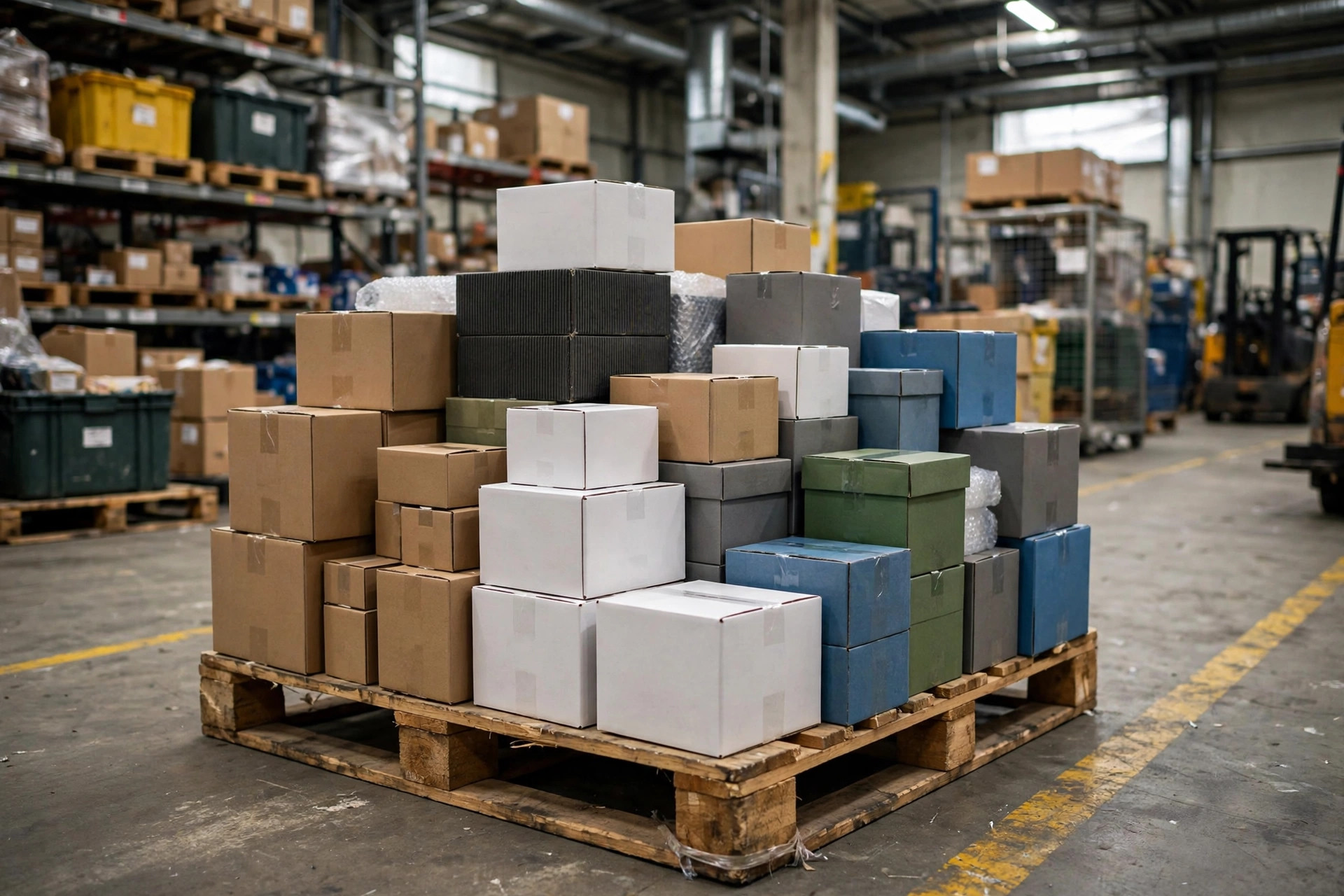
The first two months on shared genuinely hurt. Our mis-pick rate doubled. The veterans cursed me out: "Eight years on this floor, and now I need a screen to tell me where things are?" One ten-year guy nearly quit. I basically lived on the floor for those two months and reshuffled every shift: at least two system-literate people per team, veterans paired with new hires, hand-holding all the way. Morale is easy to lose and hard to win back — I spent every morning huddle telling the crew straight: it's not that I don't trust you, it's that the volume got too big for any human brain to memorize.
Month three was the turn. Utilization went from 62% to 85%. Receiving never jammed again going into peak. Mis-picks came back down — the system turned out to be more reliable than memory. That same veteran who nearly quit told me later: "Okay. You were right. Should've done this years ago."
We paid tuition in cash, too. May 2024: a dated product got mixed into a general shared location, lots got crossed, and we paid a customer over $3,000. Since that day, dated goods, high-value items, and oversized freight stay dedicated and segregated. Nobody mixes those. Ever. That rule was bought with real money.
The Rules We Run on Now
Here's our current setup, unchanged for over two years:
First, ABC zoning. A-movers get fixed dedicated slots in the golden pick zone — the two rows closest to pack-out. We picked those two rows by walking the pick paths with a stopwatch for a week: they cut average travel per pick nearly in half versus the back rows. That's the heartbeat of pick efficiency. Untouchable.
Second, B and C items go shared plus dynamic. The system re-slots overnight; locations may be different by morning shift. First thing the crew does at clock-in: check the handheld. No picking from memory. A couple of people tried to freelance in the early days; I called it out on the floor twice, and nobody's tried since.
Third, dated, high-value, and oversized freight stay dedicated and isolated. That's the red line.
The whole system comes down to one line: fast movers get fixed homes; slow movers follow the system.
One reminder for fellow managers. Before switching to shared, ask yourself three questions. One: do you have a WMS? If not, don't touch shared — a spreadsheet can't run it, and trying is suicide. Two: does your crew trust the system? If the veterans won't buy in, nobody can push it through — win the people before you flip the switch. Three: have you figured out how to isolate dated and high-value goods? If not, don't convert everything at once — pilot it on B items first. Get those three straight, then move. In the dedicated vs shared warehouse slotting debate there's no superior mode. There's only what fits the warehouse you've got right now. Don't follow the trend — the trend charges tuition.
By Chen Feng, Warehouse Operations Manager