Start with the principle. You can think of france warehouse market logistics as three pipes joined to one tap: the Paris ring is the consumption tap, the Lyon corridor is the north-south pipe, and the port of Le Havre is the intake. Pipe thickness and joint positions decide whether your freight flows smoothly. Before talking about rent, get these three pipes straight.
I have seen too many people pick a warehouse from a rent sheet, the cheaper the better, and discover the freight does not fit at all. As an example, a home-goods e-commerce customer with nationwide delivery first picked a cheap warehouse near Le Havre, thinking that being near the port would make inbound easy. Inbound was easy. But every outbound shipment to Paris, Lyon, and Marseille customers had to travel an extra leg, and last-mile cost ate all the port-side savings. Later the customer switched to a forward warehouse outside Paris, keeping Le Havre only as a buffer, and the numbers finally worked. The principle is simple: warehouse location follows outbound direction, not inbound direction.
France Warehouse Market Logistics: Three Cards — Paris, Lyon, Le Havre
The Paris card fits high-frequency, small-batch, time-sensitive freight. The Paris region concentrates consumers, so last-mile speed is the competitive edge. The cost is high rent, tight space, and restrictions on large vehicles. Put bluntly, a Paris-ring warehouse sells speed, not space. If you promise next-day delivery across France, a forward warehouse outside Paris is almost mandatory. If you hold slow-moving bulk stock, Paris is wasted money.
The Lyon card is like the spine of France. Lyon connects north to Paris and south to Marseille and the Mediterranean, which makes it the natural transfer point for north-south distribution. Freight coming down from Northern Europe and heading south, or coming up from Mediterranean ports and heading north, passes through Lyon either way. The catch: a transfer warehouse's value lies in network position, not in single-site rent. Judging it by one building's rent alone means nothing. The whole network's transport cost is the measure.
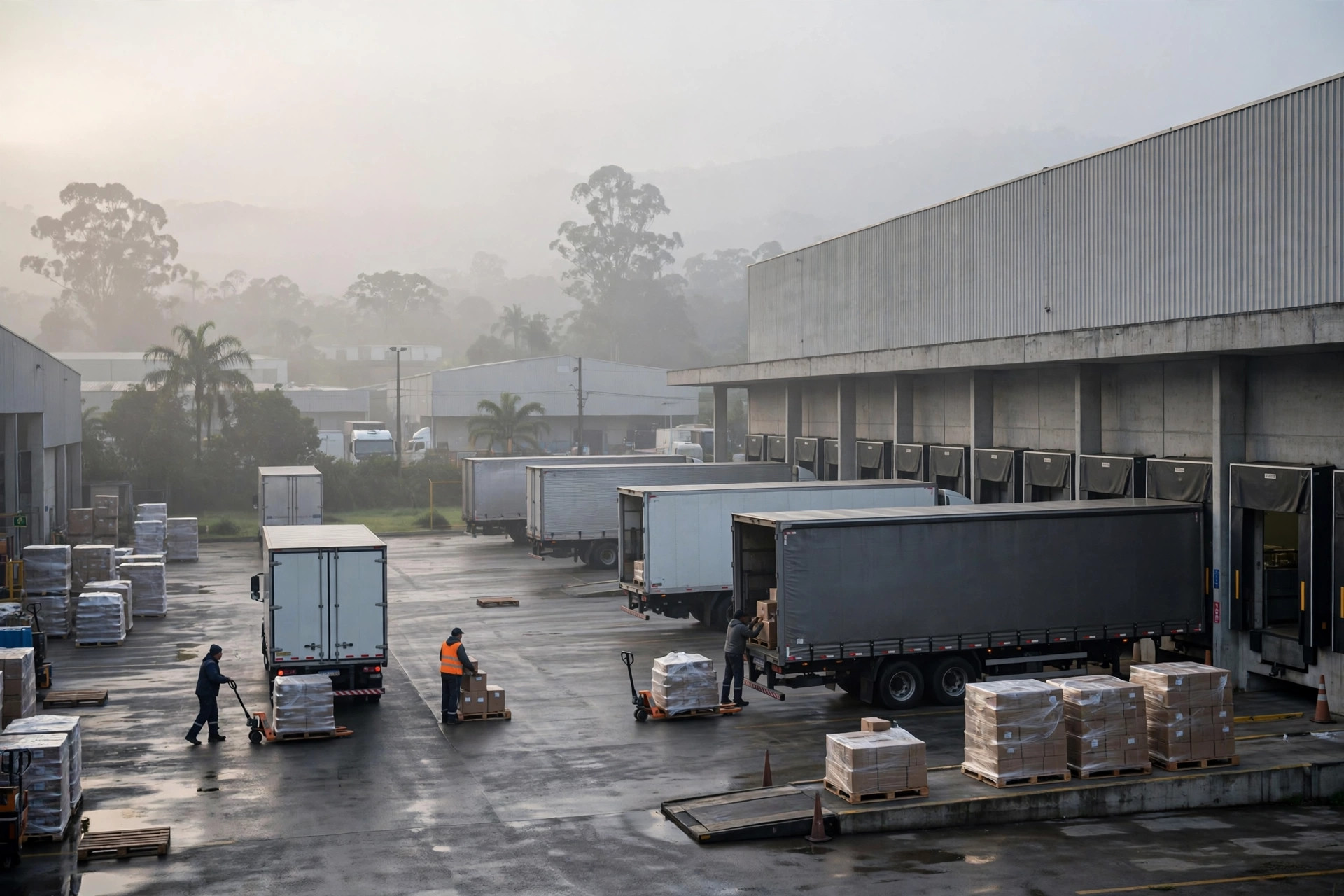
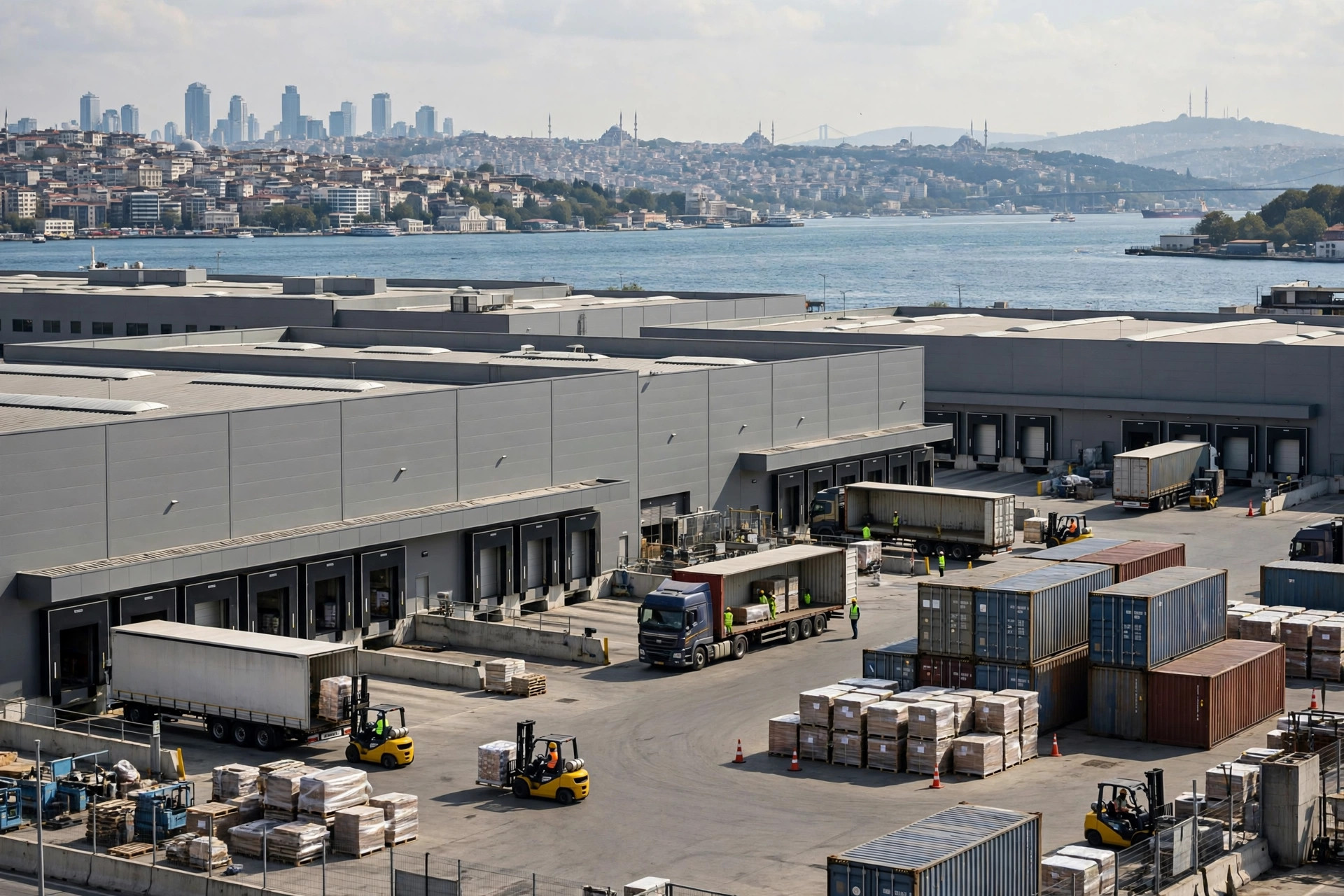
The Le Havre card fits importers and buffer stock. Freight arriving from the Atlantic is buffered, cleared, and split at the port before moving inland. The port-side warehouse wins on short inbound legs and fast customs connection, and loses on long outbound legs to consumers. A warning against pseudo-demand: not every importer needs a port-side warehouse. If your freight is cleared and shipped nationwide right away, a port-side building adds one more handling step. An inland transfer warehouse gets it done in one step.
| Location | Best fit | Core advantage | Common pitfall |
|---|---|---|---|
| Outside Paris | High-frequency small batches, next-day delivery | Speed, consumer density | High rent, tight space, vehicle restrictions |
| Lyon corridor | North-south transfer | Network position, two-way coverage | Single-site rent hides network cost |
| Le Havre portside | Import buffer, customs connection | Short inbound, fast clearance | Far from consumers, long outbound legs |
The Boundary Line: Three Freight Profiles, Three Calculations
Draw the boundary clearly. Profile one, speed freight: dense orders, small batches, next-day promise. The calculation is last-mile speed and fulfillment rate, and the Paris ring wins even at high rent, because lost speed means lost orders. Profile two, network freight: freight arriving from north and south, shipping nationwide. The calculation is total network transport cost, and Lyon wins; single-warehouse rent is not the decision variable. Profile three, import-buffer freight: freight arriving in bulk at the port, cleared, then released in batches. The calculation is customs connection plus buffer capacity, and Le Havre wins — but only after counting the extra outbound cost.
As an example, take a network-freight case. An appliance customer received freight from Northern European factories and Mediterranean ports, serving customers across France. It first rented a big warehouse in the Paris ring, and southern freight had to travel up to Paris and back down again — a wasted leg. Switching to a Lyon-corridor transfer warehouse let northern and southern freight meet in Lyon and split from there. Total network mileage fell, and delivery speed actually improved. The boundary line is exactly this: radial freight picks Paris, network freight picks Lyon.
One more point people miss: warehousing compliance and labor rules vary in enforcement by locality; check the latest official policy for specifics. Before signing, ask about warehouse-use permissions, large-vehicle access hours, and night-operation limits. Do not discover after signing that the dock cannot operate at night. As an example, one customer signed a building on the urban fringe that looked fine by day, but the dock was barred from operating after ten at night, and peak-season night shifts were completely blocked, cutting fulfillment rates sharply. One question at selection time avoids that pitfall; changing buildings afterward costs far more.
Lease structure needs its own calculation too. French commercial lease terms and rent adjustment mechanisms differ from the US market; duration, renewal, and early-exit conditions must be checked clause by clause, under the contract and the latest local rules. As an example, one customer negotiated only the first year's rent and ignored the adjustment mechanism; when rent adjusted with the index in year two, cost per order jumped a full step. Negotiate rent level, adjustment mechanism, and term flexibility on one sheet together. Negotiating only one of the three is the same as negotiating nothing.
Seasonality is another France-specific variable. Around the August holiday period, many businesses slow outbound flow, and drivers and warehouse labor tighten. Peak stocking and holiday rostering need to be staggered ahead. As an example, a consumer-goods customer failed to stock ahead before August, then found suppliers and carriers on holiday when it tried to replenish, and stocked out for two weeks. Build the holiday factor into site selection, publish rosters a month early, and peak season stops being a scramble.
France Warehouse Market Logistics: Is It Worth It? Watch One Number
Is the money worth it? Watch one number: total fulfillment cost per order. Rent, transport, labor, and lost-speed cost, all spread across every order. Paris rent is high, but speed-driven order retention can pull per-order cost down. Le Havre rent is low, but long outbound legs can push per-order cost up. Never decide on rent per square foot. Decide on total cost per order.
Here is a practical calculation for peers: run your real orders from the last three months through all three location options. Paris option: high rent, short transport, good speed. Lyon option: mid rent, balanced transport, steady network. Le Havre option: low rent, short inbound, long outbound. Compare the three per-order totals and the answer presents itself. If you cannot calculate it, do not sign in a hurry. Trial a small volume for a month first. Data beats gut feeling.
Returns belong in the calculation too. For high-return e-commerce freight, the closer the returns warehouse is to customers, the faster returns are processed and resold. A Paris-ring forward warehouse can take returns back for inspection and restocking directly. Portside and transfer warehouses add a leg to returns, costing time and freight. When selecting, calculate forward and reverse flows together, not forward alone. Faster returns processing means faster cash recovery, and every seller understands that arithmetic.
In the end, selecting in the France warehouse market is not about picking the cheapest warehouse. It is about picking the warehouse that makes the whole network cheapest. Paris buys speed, Lyon buys position, Le Havre buys buffer. Hold all three cards and play the one your freight needs.
By Da Liu, Automation Engineer