I will give you my verdict on the Quito warehouse market up front: in this high-altitude capital, rent is rarely the most expensive line on your bill. Hillside delivery and regional transfers are. Put simply, whatever you save on the lease tends to come back multiplied in fuel, vehicle wear, and missed delivery windows. I have seen too many operators bring a flat-city playbook to Quito and watch it fall apart on the slopes.
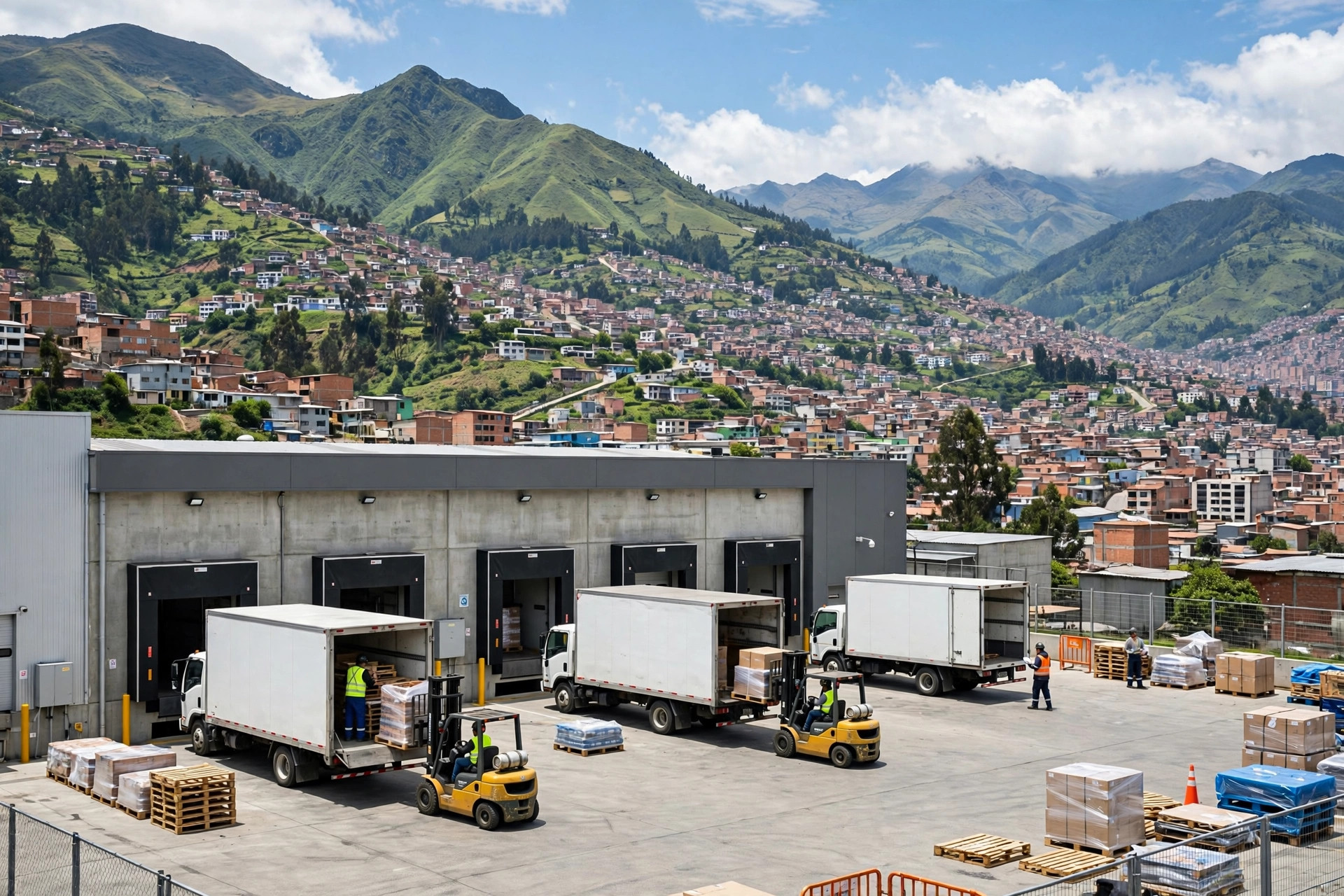
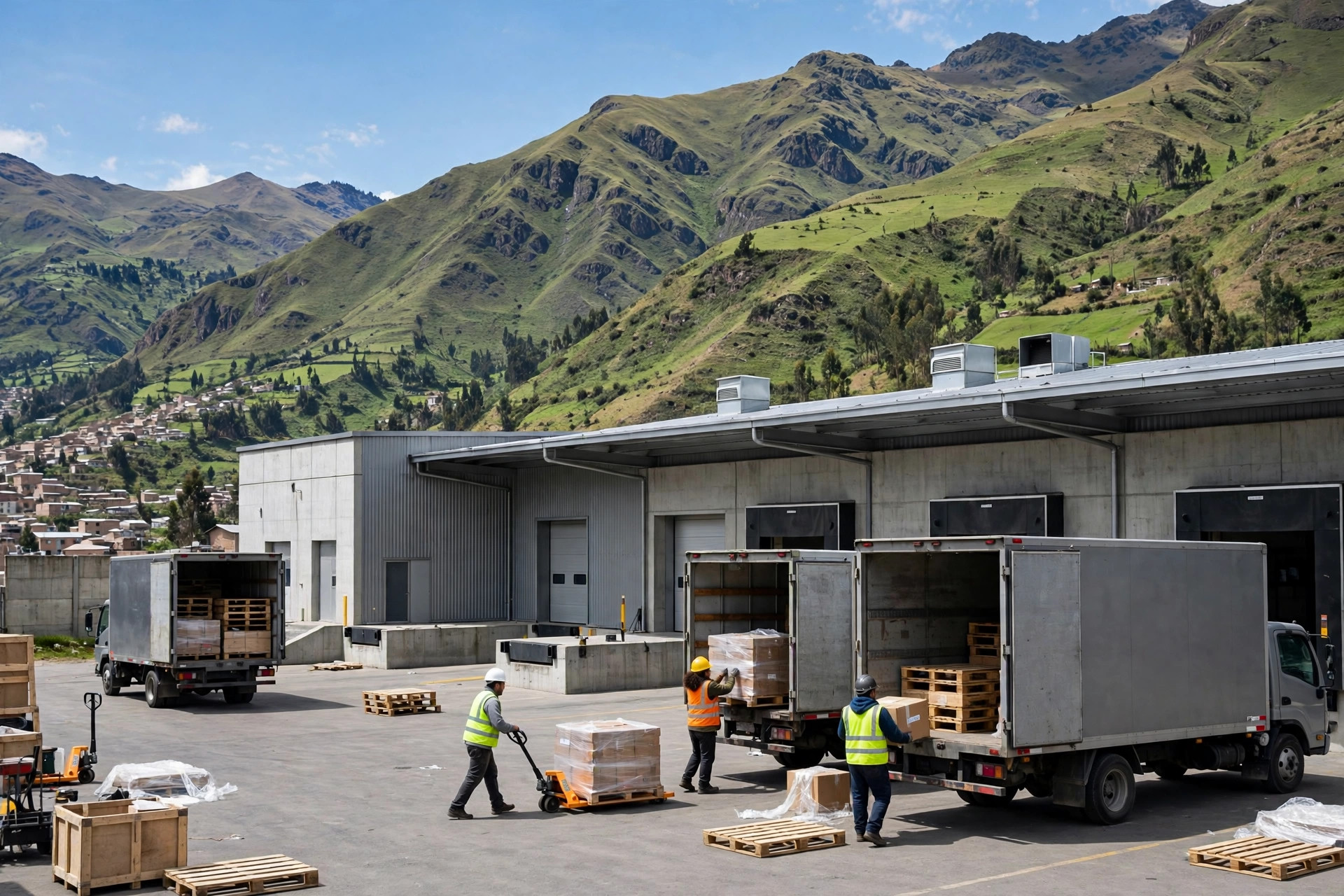
There are two sides to this market. Quito is Ecuador's political center and a major inland consumption hub, well placed to serve cities to the north and to feed off the Guayaquil port corridor to the south. That makes it a natural distribution point. The other side is the terrain: a city sitting at roughly 2,850 meters, spread across hillsides, full of steep grades and tight turns. A big warehouse plus citywide delivery, the standard formula elsewhere, needs serious adjustment here. Pick the wrong location and a delivery radius that looks small on a map turns into a day of climbing, congestion, and rescheduled drops.
Let me tell you about a pitfall I lived through. A few years ago I helped a home-appliance distributor look for space in Quito. They found an old industrial building near the edge of the city at a very attractive price, big enough, with monthly rent roughly 30 percent below the northern parks. Before signing, I drove the access route myself. The last two kilometers into the site were a continuous climb. Heavy trucks struggled in the rain, small vans could only manage two runs a day, and in peak season the schedule simply collapsed. Worse, outbound runs to key customers in the south had to cross congested city streets, so a truck leaving at 8 in the morning might still be on its first run at noon. The client thought cheap rent meant profit. Three months later the cost per delivery was higher than before, and two drivers had quit after a month of hillside incidents. That experience changed how I judge sites in this city: look at the road first, the warehouse second.
In Quito, site selection is really about three corridors, not about any single park's price tag.
Quito's Three Warehouse Corridors
The northern corridor, near the airport and the northern exits from the city, is best for import distribution and fast-moving goods, because inbound freight arrives quickly. The trade-off is higher rent and peak-hour congestion on the inbound side. The southern corridor, running toward the Guayaquil corridor, sits on the country's main north-south freight artery and suits a regional distribution warehouse serving southern cities. Its trade-off is distance from northern customers, which means northbound deliveries must cross the whole city. Older buildings on the urban fringe look cheap and can work as small forward stock points or returns handling sites, but truck access and dock conditions have to be tested one by one, never judged from photos and floor area alone.
Which corridor wins depends on where your freight actually flows. If imports dominate and replenishment comes through northern routes and air freight, start in the north. If you distribute nationally and ship heavily to the south and the coast, start in the south. If you only serve Quito itself, a fringe mini-warehouse with frequent replenishment can beat a big park location. No corridor is best for everyone. The right one is the one that matches your freight direction.
Hillside Delivery in Quito
Hillside delivery is the most underestimated cost in this market. At altitude, engines already lose power, and a loaded climb punishes them further. Brakes and tires wear faster than on flat ground. My advice is blunt: choose vehicles for the grade, not just for the payload. On a route with long climbs, it is better to add a second medium van and split the load than to force one heavy truck up the hill. In the rainy season, leave another margin on top. One hillside accident costs far more than one extra trip.
Route planning needs the same rethink. In Quito's hillside neighborhoods, a morning loaded climb and an afternoon empty descent are two different jobs. Schedule heavy uphill drops when vehicles are fresh in the morning, and put light parcels and returns collection on the afternoon return leg. Give drivers realistic slack on climbing segments, and promise customers a delivery window half an hour wider rather than pushing a driver to rush a slope to hit a tight slot. I have seen routes with beautiful on-time rates and ugly accident rates, and in the end the warehouse always pays for the delivery problem.
One more detail that trips up newcomers: customer receiving conditions vary enormously. Some hillside communities cannot take a large truck at all, so freight must transfer to a small van at the bottom of the slope. Some commercial customers only receive during set hours, and a miss means waiting until the next day. Before you sign a lease, map the receiving conditions of your top twenty customers, then work backward to location and fleet. That order matters, and reversing it is how good warehouses end up serving bad routes.
The Rent Math: Cheap Space, Expensive Trips
Rent has to be judged on total cost, not on price per square meter. Here is the comparison framework I use with clients. Treat the levels as rough guides and check current local listings before you commit to any figure:
| Direction | Rent level | Delivery cost | Best fit |
|---|---|---|---|
| Northern corridor | Relatively high | Fast inbound, smooth northbound delivery | Imports, fast-moving goods |
| Southern corridor | Mid-range | Smooth southbound distribution, cross-city northbound runs | National distribution, southern shipping |
| Urban fringe older building | Relatively low | Hard truck access, high climbing cost | City mini-warehouse, returns handling |
When you run the numbers in the Quito warehouse market, add at least three items: extra monthly mileage and fuel, added vehicle wear on slopes, and orders lost to late delivery. A cheap fringe warehouse that adds forty transfer trips a month plus extra servicing on two vehicles may already have eaten its rent savings. In the other direction, a pricier northern site that cuts two days off inbound lead time and prevents peak-season stockouts can pay for its premium out of inventory savings. Once that math is on the table, most site-selection arguments settle themselves.
Regional distribution deserves the same thinking. The Quito to Guayaquil highway is the country's main north-south artery for inbound replenishment, while inland distribution depends on whether your customers lean north or south. One warehouse rarely serves both directions optimally. A common setup is one main Quito warehouse for stock and distribution, plus one forward point in the heavier direction holding only fast-moving items for quick top-ups. Keep the main site right-sized and the forward point small. Get one lane running cleanly before you expand to a second.
A Short Checklist Before You Sign
Work through this list before you commit, and do not rush past a missing item. Drive three real customer routes yourself and measure the climbs, the choke points, and the receiving conditions. Check truck access, dock platforms, and rainy-season drainage in person, since older buildings fail most often on exactly those three points. Get quotes from at least two local fleets, and ask directly how hillside segments are priced and how rainy-season schedules work, so transport surcharges do not surprise you after signing. In the lease negotiation, put a rent-free fit-out period, an early-exit clause, and a right of first refusal on expansion in writing. Warehouse choice in a highland market is already narrow, and contract flexibility is your way out if conditions change. Finally, allow a full quarter of trial operation on real orders. If the cost per delivery does not look right, move, and do not let fit-out spending trap you in a bad site.
The real barrier in the Quito warehouse market was never finding a building. It is finding a building whose location, vehicle requirements, and customer receiving conditions all line up with your freight. Rent can be negotiated. A slope cannot. So here is my advice before you sign anything: drive the access roads yourself, twice, and only then decide whether the site is worth it.
By Lao Mi, Supply Chain Veteran (20 yrs)