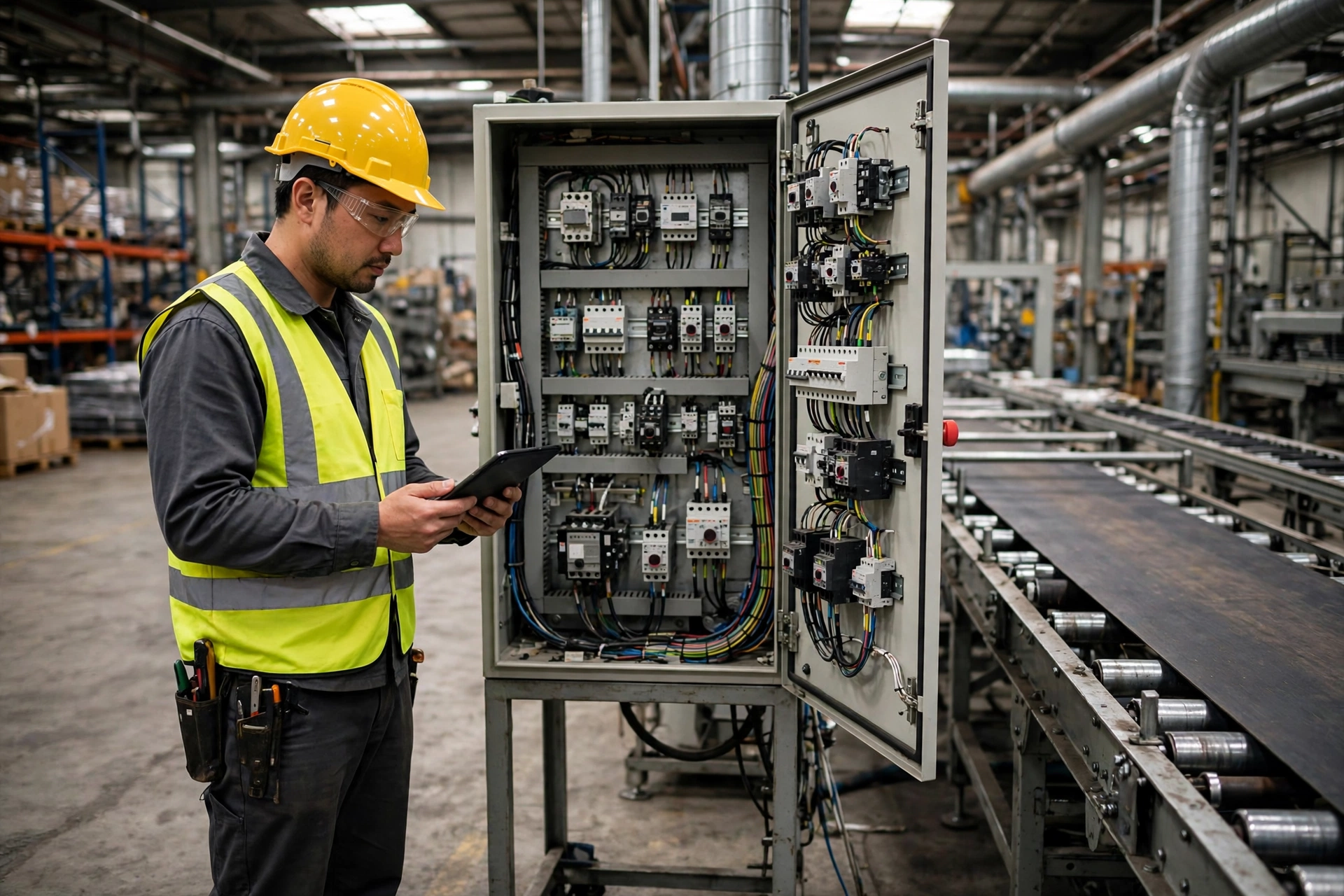
Last fall, an integrator friend called me, furious. His four-way shuttle system was fully installed in a New Jersey 3PL warehouse — shuttles running, racking up, cabinet wired and powered — and go-live was a week away. Then the local electrical inspector walked the site, pointed at the control cabinet, and said five words: no NRTL mark, no power.
The equipment worked fine — the problem was the rule: under OSHA, electrical equipment in a US workplace must be listed by a Nationally Recognized Testing Laboratory (NRTL), or else go through a field evaluation. The cabinet had been built the usual way back home — the components inside were certified, but the cabinet itself was not. The shuttle had a certificate. The lift motor had a certificate. How could the whole thing stall at the cabinet?
That is how a four-way shuttle system dies on its way into the US: treating "the system" as one thing to certify.
Split the System Into Four Pieces Before You Talk About Certification
Think of it as a Lego set, except every brick carries its own certification status. Break it down, and there are four pieces.
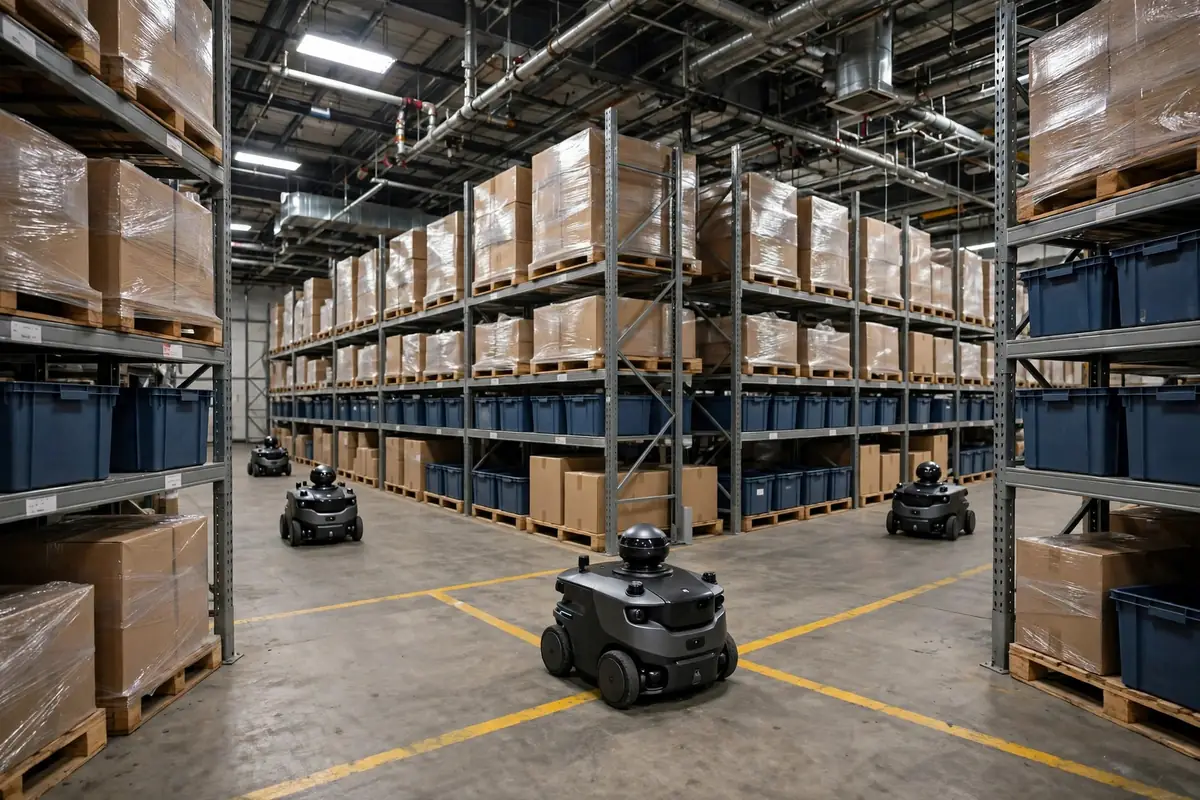
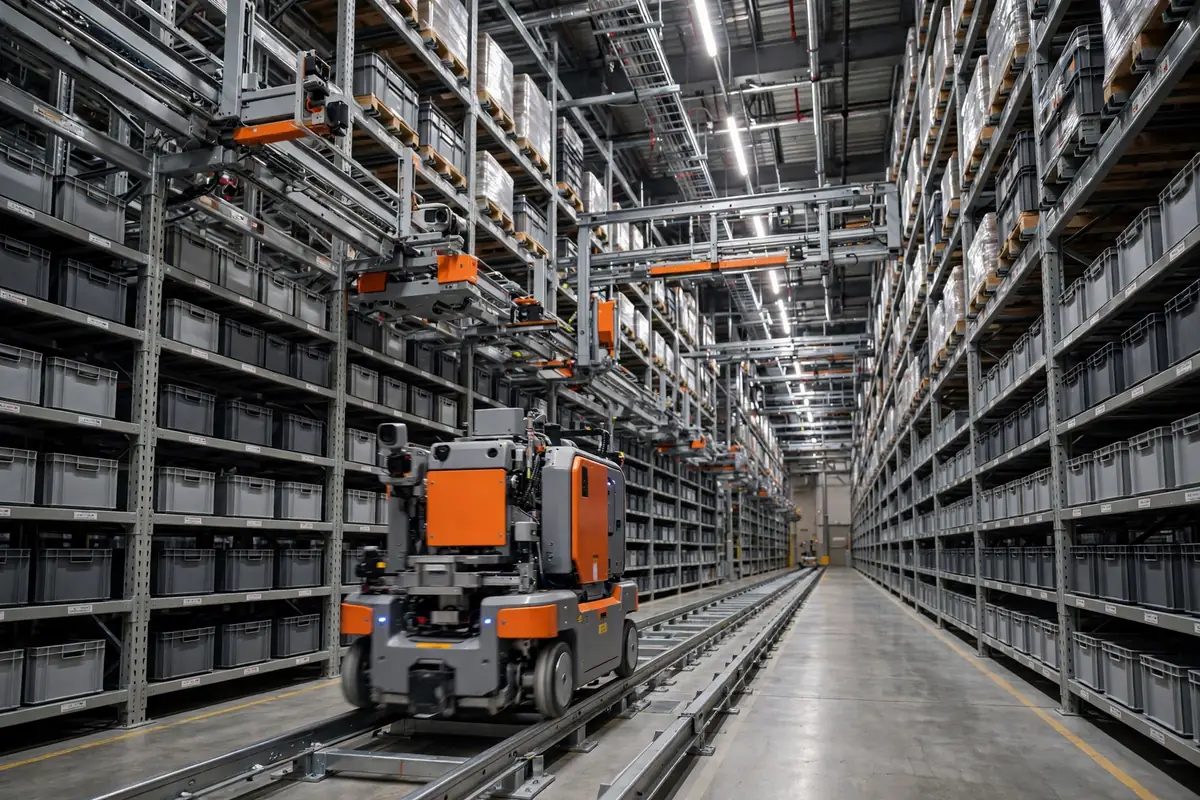
The first piece is the shuttle itself — battery, drive, wireless comms, running in all four directions in the aisle. The "vehicle" of the system, and the piece that looks most like a product, which makes it the best candidate for NRTL listing against a product standard. There is precedent in the same family: a bin-to-person AMR has earned ETL certification to UL 3100, a standard for industrial mobile equipment. The logic for a four-way shuttle follows the same line, but which standard applies to your product is the certification body's call — never copy someone else's certificate number.
The second piece is the lift — motor, gearbox, chain or belt, brake. The safety logic concentrates here: the lift decides whether a load falls. Its motor and key electrical parts need their own listing; the mechanical safety side is covered by the whole-machine evaluation.
The third piece is the steel racking — the piece everyone forgets, because it carries no electricity. No electricity does not mean no certification work: racking must pass structural safety and seismic checks, and requirements vary by state — California's seismic rules are not in the same league as Texas. Drawings must be recalculated against the local code; a generic set from back home is close to worthless once it lands in the US.
The fourth piece is the control system: cabinet, variable-frequency drives, PLC, and WCS software. The cabinet is where certification problems breed — the integrator assembles it on site. Breakers, contactors, terminal blocks — swap one for a different model and the cabinet's certification status can change. The WCS software itself is not listed, but its safety logic — emergency stop, interlocks, overspeed protection — still has to be verified in testing.
Where the Whole-Machine Certification Ends and Subsystem Listing Begins
A lot of teams believe one whole-machine certificate settles everything — wrong. The whole-machine certificate and subsystem listing are two different layers, governing two different things. Subsystem listing means every part has an ID card; whole-machine certification means the assembled vehicle is allowed on the road — and a road-legal vehicle does not stay legal if you swap in an uncertified part.
| Subsystem | Certification home | Usual path | Most common failure | | Shuttle unit | Product level | NRTL listing, sample tested against the product standard | Only the sample was tested; production switched battery suppliers without updating the file | | Lift | Product + system level | Key electrical parts listed individually, mechanical safety folded into the whole-machine evaluation | A brake model was swapped on site and the safety chain was never re-verified | | Steel racking | Project level | Structural calculation and acceptance against the local code of the project site | Generic drawings submitted as-is, rejected on seismic requirements alone | | Control system | Cabinet level + system level | Cabinet listed to the industrial control panel standard, safety logic verified on site | Field rewiring or a part swap voids the cabinet mark |
Before signing, make the integrator fill in the path and certificate status for every row — the blank row is where the project blows up later.
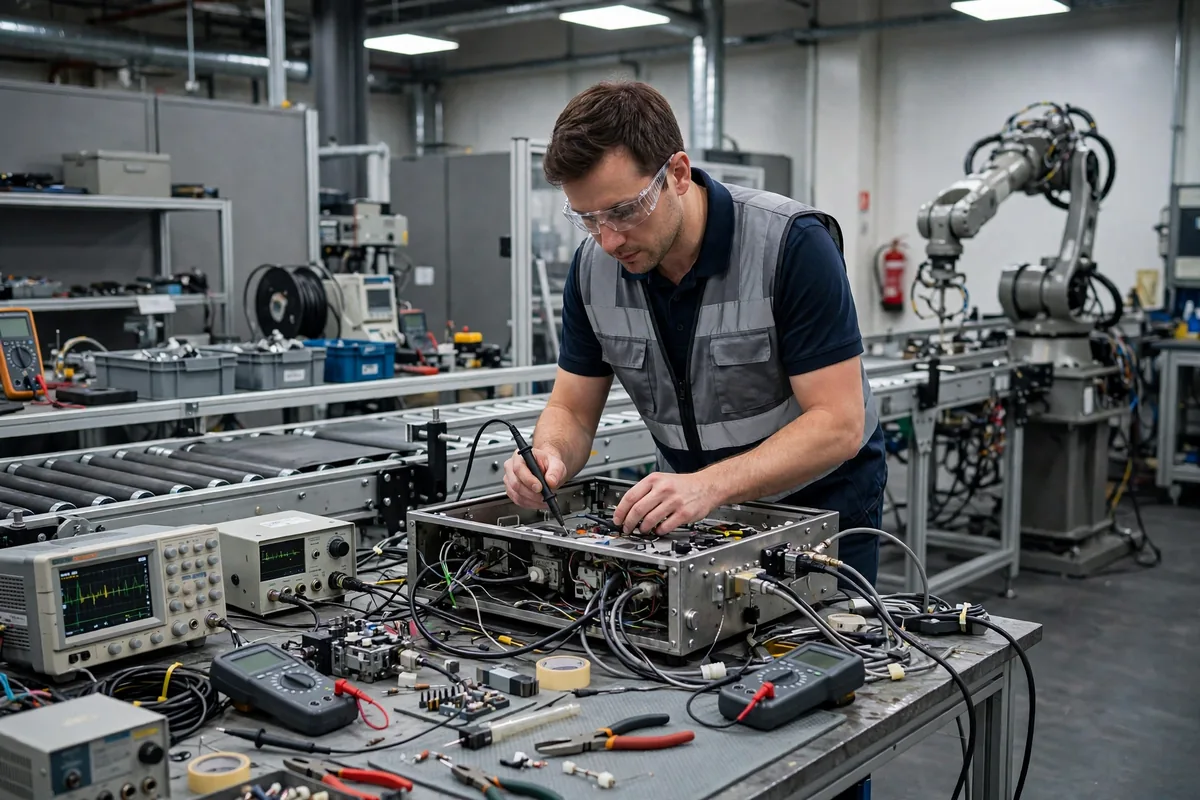
The second case is about two words: field rewiring. Another vendor's shuttle had its ETL listing and the project ran smoothly — until commissioning, when an engineer swapped the power module for a different brand of the same specification, judging the original had too little headroom. The system ran fine; every test passed. On acceptance day, the inspector opened the cabinet, saw a module model that did not match the certification file, and ruled the whole cabinet mark invalid. The file had to be amended, tests redone, a field evaluation rescheduled. One cabinet held up the project for over a month.
Field rewiring is not "optimization." It is "changing the certification status." Before any electrical part is replaced, ask one question — is it in the certification file? — and only then pick up the tools.
When to Use Field Evaluation, and How to Use It Rarely
Field evaluation is the remedy channel: equipment without a listing, or whose listing was broken by modification, is assessed on site by an accredited Field Evaluation Body under NFPA 790 and NFPA 791 — document review, inspection, checking installation against the National Electrical Code, testing, a report, and a field-evaluated label.
Three points matter. First, it is per unit and per site: the label covers one unit at one installation, and moving it means doing it again. Second, it cannot re-list equipment — listing happens only at the factory level. Third, the scope is limited: if a product depends heavily on components with no individual approval, or the standard itself is test-intensive, field evaluation becomes painful, and its schedule and cost spiral.
So field evaluation is a rescue, not a plan. In a healthy project the count is single digits, known and scheduled in advance. If a plan says "we'll do the evaluation on site," the translation is "we haven't figured out certification yet."
Fees and lead times follow the certification body's latest published policy, so I quote no numbers here — only this: field evaluation is priced per unit, and once the count grows, the total quickly exceeds what early listing would have cost. Do that math before signing, not after the site is shut down.
Get the Order Wrong and the Rework Costs Six Months
Now the most counterintuitive judgment in this article: certifying the whole machine first and splitting the subsystems afterward is backwards.
Many teams think: get the whole-machine certificate first so the project "has a certificate," then fill in the subsystems slowly. It sounds safe. In reality it builds on sand — a whole-machine certification rests on one specific combination of listed subsystems, and changing one changes the basis of the certificate. At best you add tests; at worst the whole machine is re-evaluated.
The correct order is the reverse: lock down subsystem listings first, then certify the whole machine. Shuttle sample testing first, cabinet listing first, key parts locked into the file by model number, racking calculated against the local code first. Once every subsystem is in hand, whole-machine certification is mostly assembling verified pieces and testing system-level safety — the interfaces and interlocks, not re-verifying every part.
I have seen the worst case: a team holding the whole-machine certificate was asked to switch the shuttle battery when the original supplier missed the schedule. The battery model in the file changed, the related tests had to be redone — two months for test slots, another month for the report, then a field evaluation round. Half a year, gone. Locking the battery model first, the project manager said, would have been worth delaying the certificate by two months.
Before work starts, ask four questions — do not start if you cannot answer them. First, does the shuttle have an NRTL listing, and does the certificate cover this model from this factory? Second, is the control cabinet listed as a whole cabinet or handled by field evaluation, and is every electrical part inside it in the file? Third, under which state's code was the racking calculated, and who signs off on the seismic item? Fourth, what is the change process when a subsystem model is swapped, and who has the authority to approve it?
One unanswered question is where you spend money early — always cheaper than spending it with the site shut down.
Is the money worth it? Look at one number: units needing field evaluation, as a share of all electrical equipment in the system. Over one in ten, and the early split was wrong — the rework money and time are already hiding in the project. Kept to single digits, and the split was right.
By Da Liu, Automation Engineer