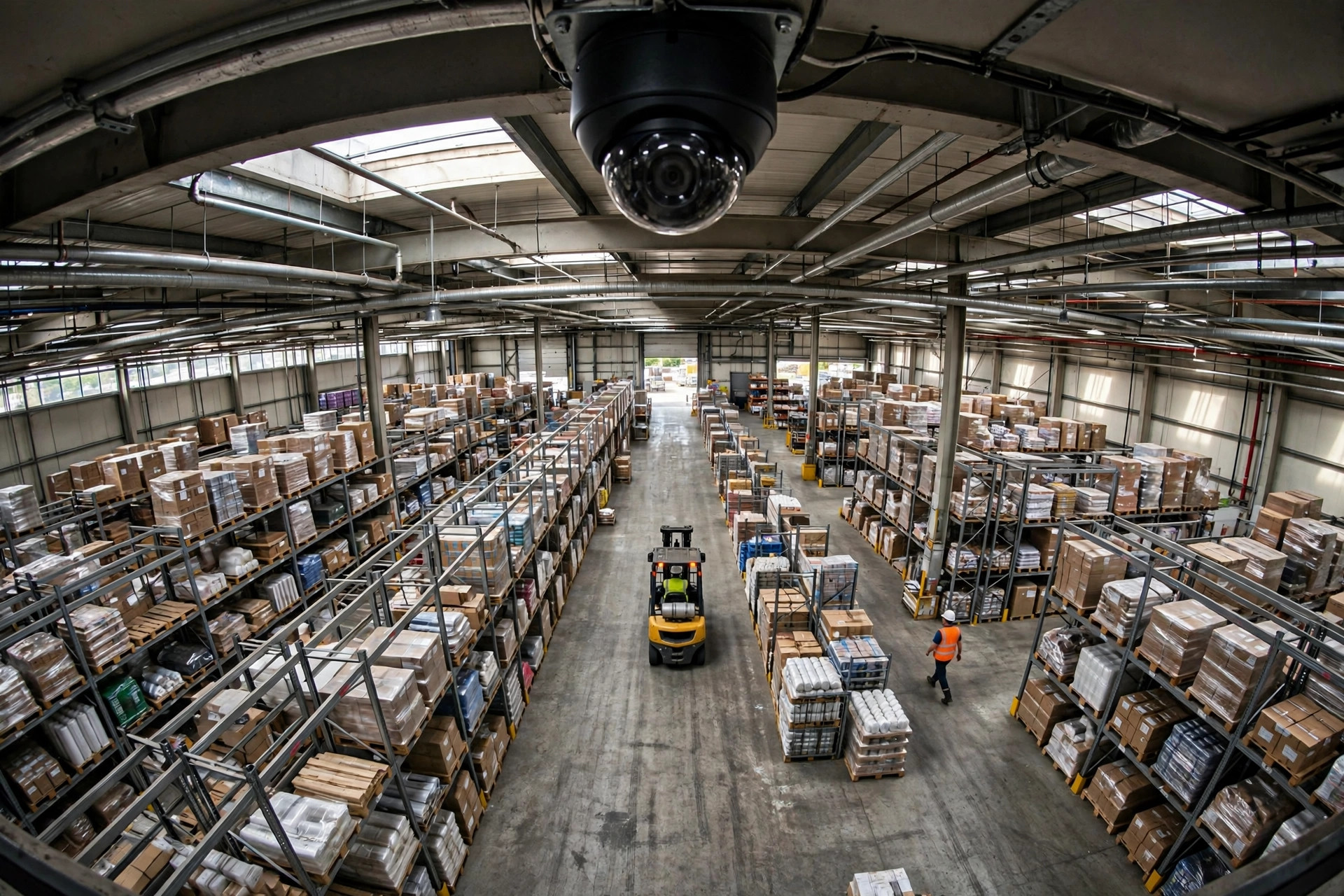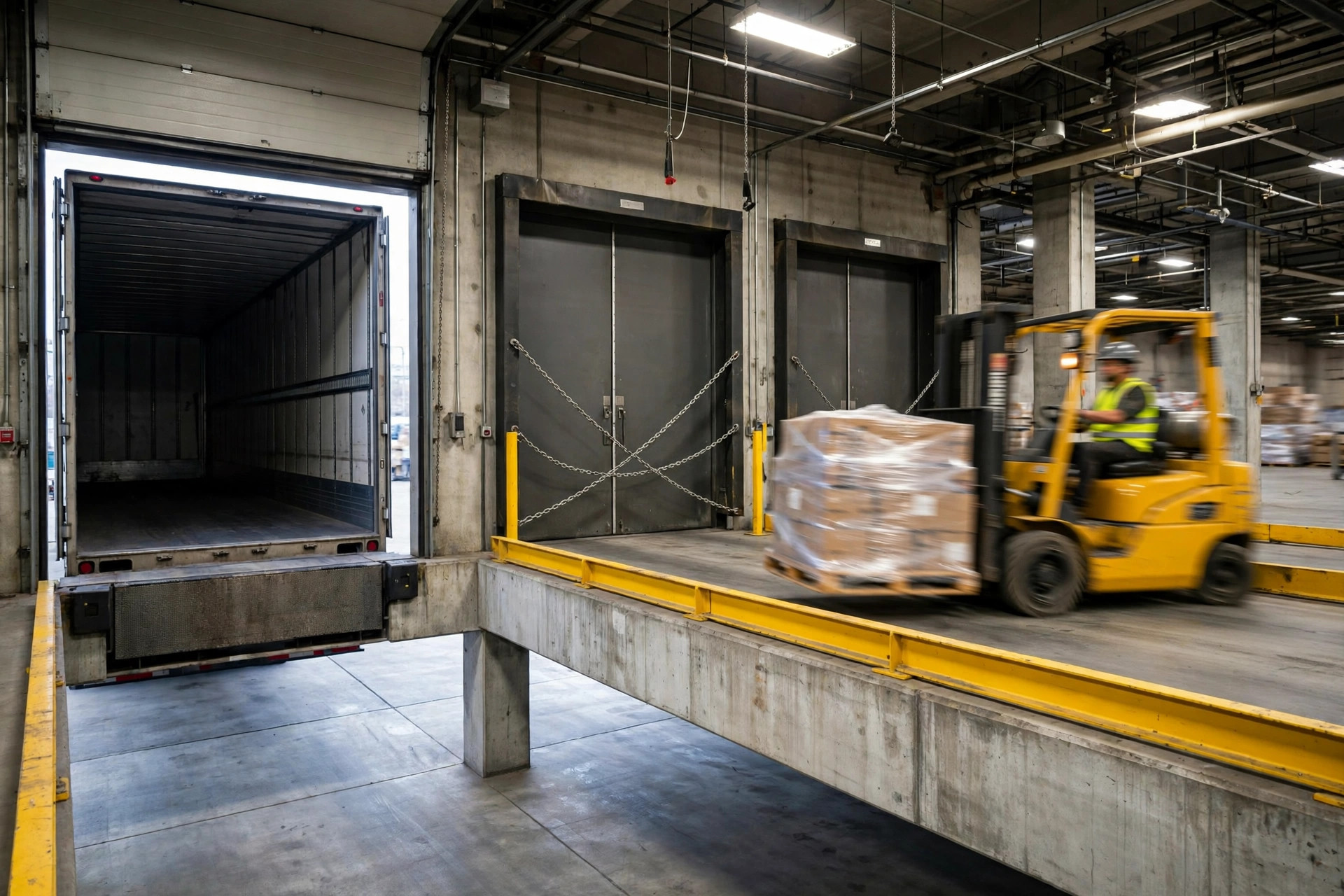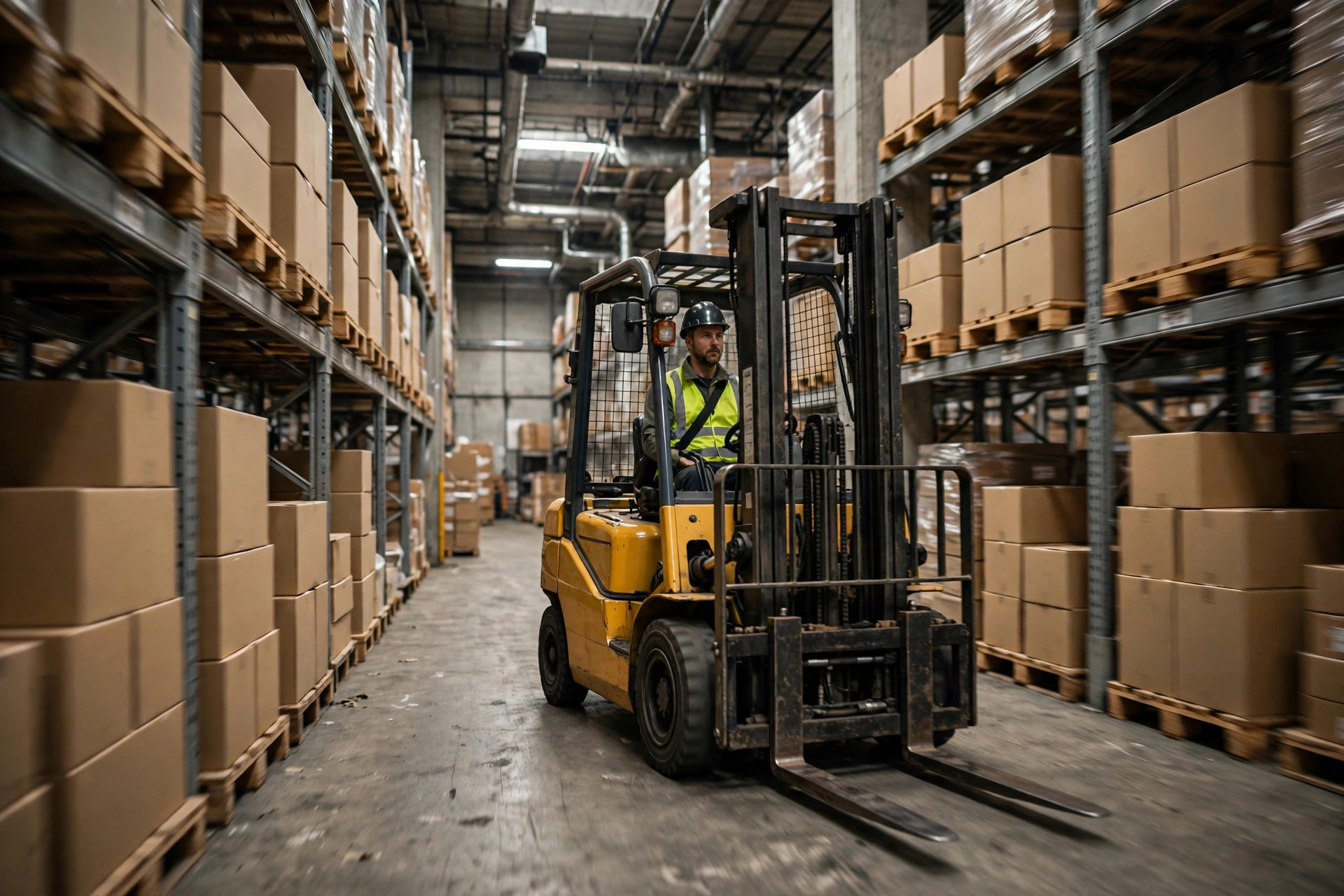
Let's start with the numbers, because they settle the argument about whether this matters. OSHA's published data attributes roughly 85 workplace fatalities and 34,900 serious injuries per year to forklifts in the United States, with pedestrians struck by forklifts among the leading causes of death. (Check OSHA's current publications for the latest figures.) The forklift is the most dangerous machine in a warehouse. Full stop.
So I'm not surprised AI vision collision warning has taken off in the last couple of years. Cameras plus algorithms — real-time pedestrian detection, distance estimation, blind-spot coverage. It sounds like giving the forklift a pair of eyes. My verdict: the direction is right, but don't expect the system to babysit your operation. I followed a pilot deployment last year, and the real-world pitfalls outnumbered the vendor's slide deck by a wide margin.
How it actually "sees"
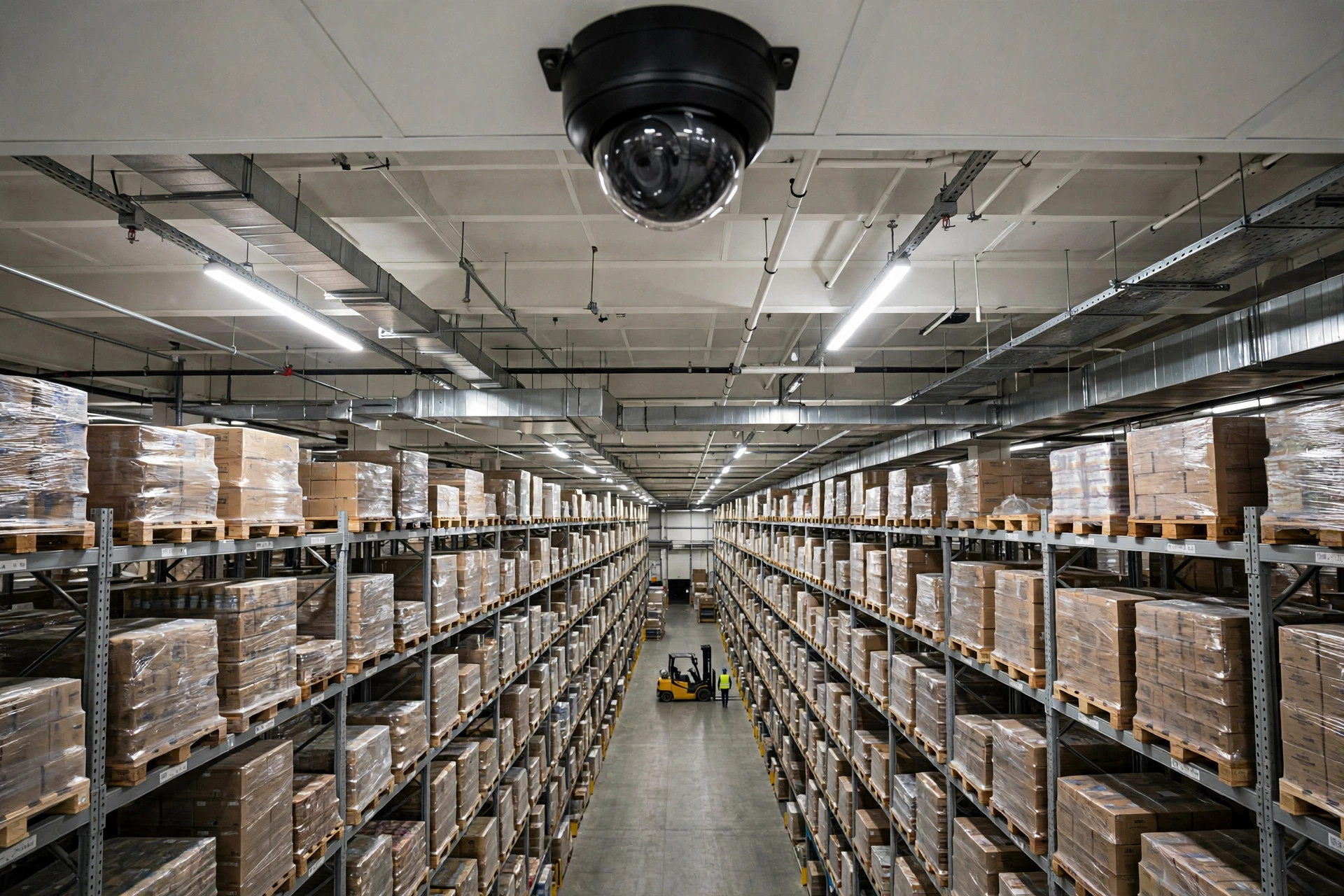
An AI vision collision system does three things. First, pedestrian detection: the algorithm draws boxes around people in the camera feed and tells a person apart from a pallet, a rack, or another forklift. Second, distance estimation: using monocular ranging or depth cameras, it computes how far a pedestrian is and how fast the gap is closing, then decides whether a collision is developing. Third, blind-spot coverage: the real killers are the zones the driver can't see — the inside of a turn, the area directly ahead blocked by raised forks, the rear when backing up. Cameras in those positions complete the driver's field of view.
When risk is detected, the system typically acts in two stages: an audible and visual alarm for the driver first, then automatic slowdown or braking if the distance keeps shrinking. It reads smoothly on paper. Every stage has a catch in practice.
Ignore the sales pitch. A pilot lives or dies on four numbers
Number one: false alarm rate. In the first week of the pilot I followed, false alarms were so frequent that drivers muted the buzzer — rack uprights got flagged as pedestrians, a hi-vis vest hanging on a hook got boxed. A system that cries wolf every day is no system at all. My bar: if false alarms disrupt normal work, it fails. Period.
Number two: missed detections. Worse than false alarms. Test two scenarios hard: a worker crouching to sort freight (only half a body in frame) and two people walking side by side (the algorithm merging them into one). One miss can be an accident. During acceptance I required two consecutive weeks of zero misses.
Number three: response latency. From "person enters the danger zone" to "driver gets the alert" — anything over half a second is meaningless. A forklift doing 5–6 mph covers over a meter in half a second. Don't trust lab numbers; time it on the floor with a stopwatch.
Number four: night-shift and dusty-environment performance. Plenty of vision systems demo beautifully in daylight and fall apart under dim night lighting or heavy peak-season dust. Acceptance testing must cover night shifts. This is the item vendors most like to gloss over.
Against blue lights and radar: where it wins, where it doesn't
The traditional toolkit has three items: blue spotlights, backup radar, and convex mirrors. A blue light is the cheapest — tens of dollars per unit — and it warns pedestrians that a forklift is coming. But it's one-directional: it warns the pedestrian, not the driver. A pedestrian wearing earbuds or staring at a phone never sees it.
Radar measures distance but can't tell a person from a rack upright, so false alarms stay high. Plenty of warehouses rip radar out within a year. Mirrors are the most primitive option — entirely dependent on driver discipline.
AI vision's genuine edge is discrimination: it can tell people from objects, which radar fundamentally cannot. The weaknesses are equally real: it hates darkness, it hates dirty lenses, it hates occlusion, and a full system costs dozens of times what a blue light does. My trade-off is blunt: high pedestrian traffic with lots of intersections justifies the investment; a small warehouse where the forklifts barely run daily is better served by blue lights, speed limits, and training.
Before you deploy, line these up
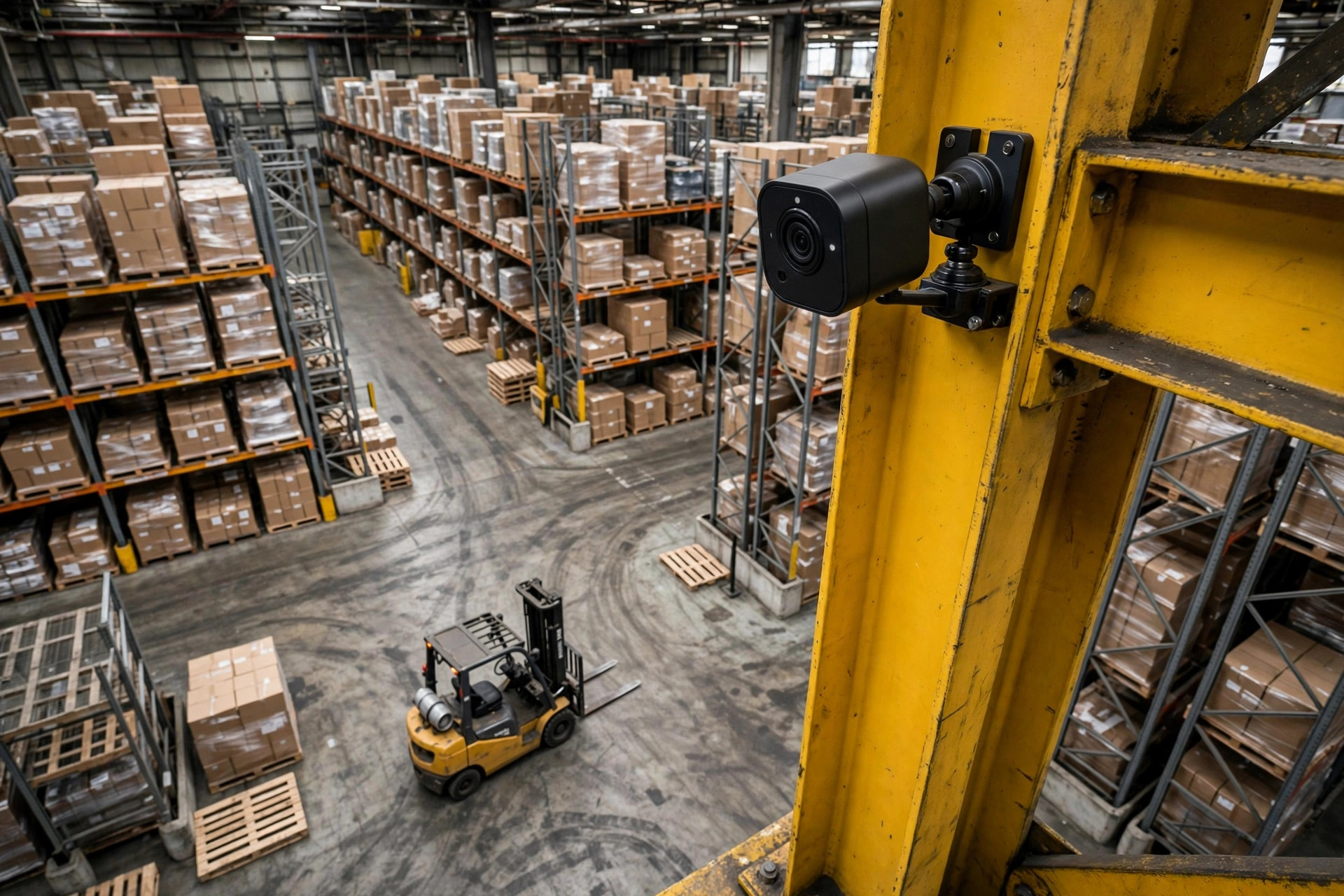
First, camera placement. Draw a heat map of your near-misses: plot every forklift-related incident and close call from the last three years, and put cameras on those spots first. Don't accept the vendor's "standard layout" — the standard layout covers the vendor's convenience, not your risk.
Second, calibration and tuning. Budget at least two weeks of tuning after installation: false-alarm thresholds, alert distances, deceleration curves, all dialed to your actual speeds and foot traffic. Every site I've seen that skipped tuning and went straight to production regretted it.
Third, tie it into fleet management. Alarm data should flow into your system: which truck, which shift, which location generates the most alerts. That data tells you which intersection is badly designed and which driver has bad habits. Alarms without logging throw away half the value.
And don't underestimate driver resistance — the human pitfall. At the pilot site, drivers initially resented the cameras as surveillance; two of them even blocked lenses with cartons. You can't mandate your way out of that. Be explicit that alert data is for safety improvement, not performance reviews, and let drivers participate in tuning the false-alarm thresholds — nobody knows the floor better than they do. Turn drivers from the watched into participants, and the system actually sticks. Technical problems are solvable; unsolved people problems make the technology worthless.
Fourth, do the ROI honestly. One pedestrian strike costs you the direct hit — medical, workers' comp, OSHA fines — plus the indirect one: downtime, insurance hikes, wrecked morale. Together they easily exceed what an AI vision system costs. That's the right math, not the sticker price. But be honest in the other direction too: if your warehouse has gone five years without an incident and pedestrian zones are physically separated from forklift lanes, this money can wait.
One question to take with you: is your biggest risk that drivers can't see, or that they see and still can't stop? If it's the first, AI vision deserves a serious conversation. If it's the second — speeding drivers, intersections without speed bumps, pedestrian walkways nobody respects — fix management and physical separation first, then talk about AI. Technology doesn't solve management problems. Don't get the order backwards.