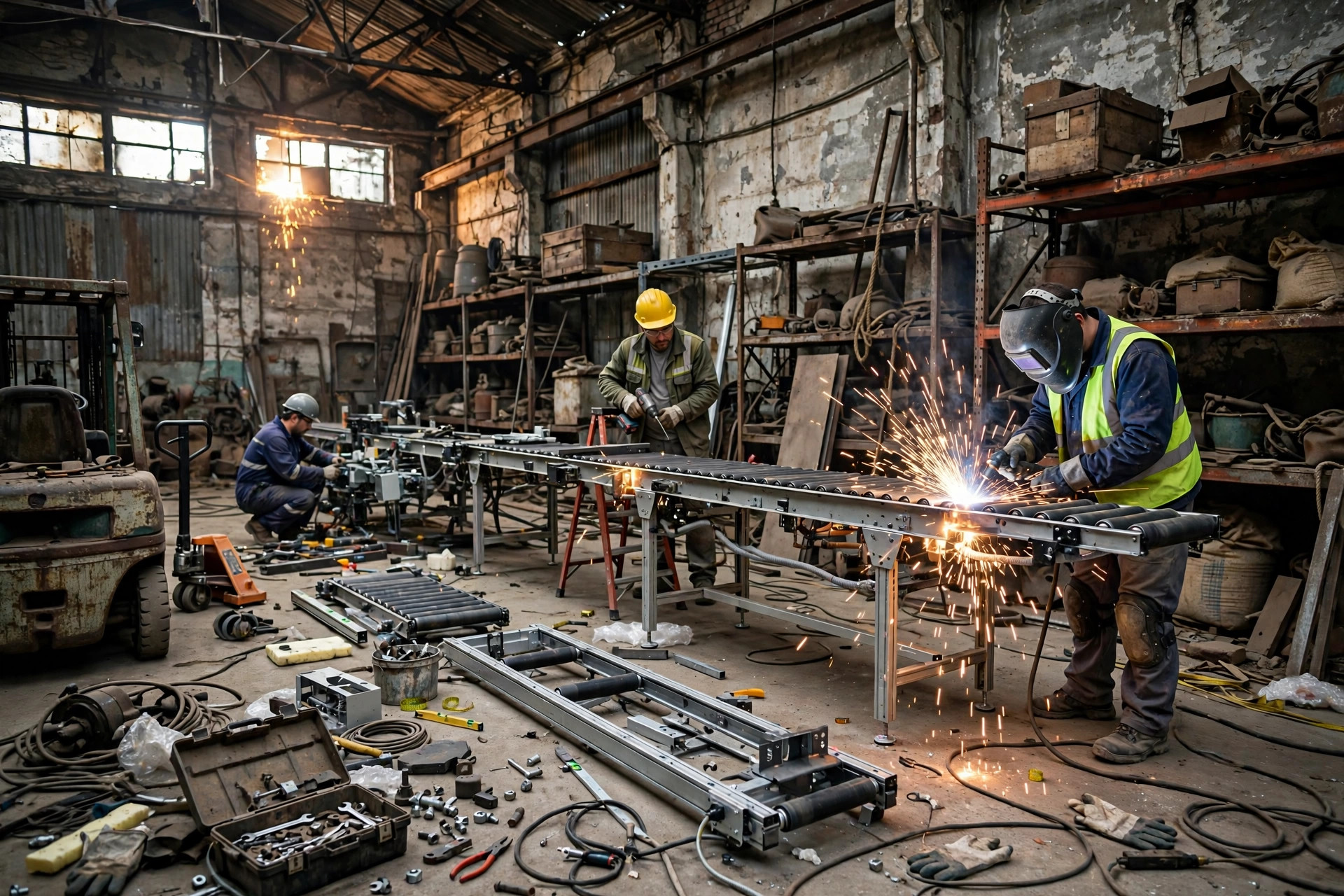
Your first AMR pilot route is the decision most warehouses get wrong on the first try, and I say that having watched it happen more than once. Let me start with a failure I was part of. Years ago, working for an integrator, we had a customer who insisted on piloting a cross-building route: two hundred eighty meters each way, through two fire doors, up a ramp, sharing the aisle with forklifts. The robot did run, but a few trips every day got blocked by a forklift or stopped at a closed door waiting for a human, and after three months uptime was under eighty percent. Management killed the fleet budget in one meeting. The route was wrong, and the machine took the blame.
The principle: a pilot route is a sample room, not a showcase
Think of it this way: a pilot route is like the shallow end of a pool, where you practice the strokes before going deep. You can also think of it as a sample room in a new house. Its job is not to carry every move in the warehouse. Its job is to prove one thing, which is that this machine, on your floor, in your traffic, at your pace, can run day after day without drama.
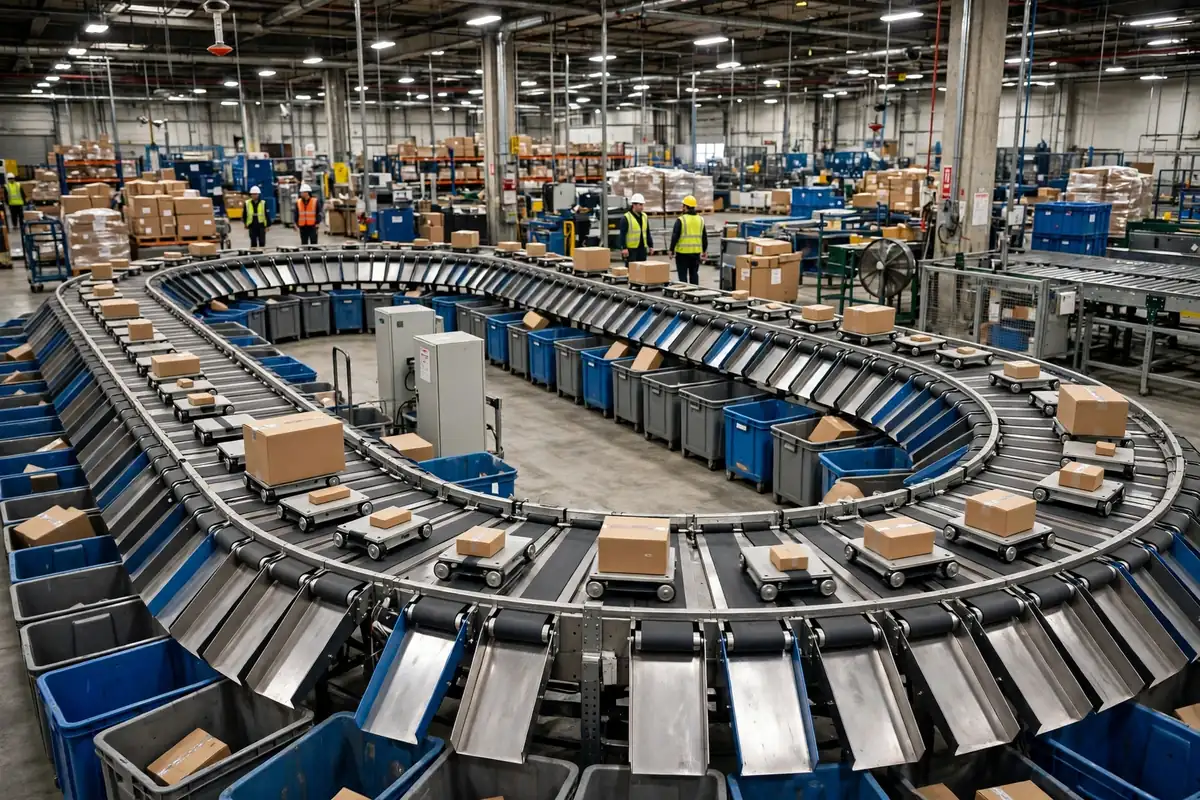
Let me put some numbers on that, because a pilot without numbers is just a demo. A typical indoor transport robot travels a little over three to four kilometers per hour, roughly one to one point two meters per second. Once a one-way trip passes two hundred meters, empty travel and waiting start eating the efficiency you came for. On pace, a good pilot line runs forty to eighty steady trips a day: too few and you never learn anything, too many and one breakdown jams the line. Two more figures matter, and both are simple. Uptime tells you whether the machine keeps getting pulled out for repair, and mean time between failures tells you how long the quiet stretches last. You do not need an industry benchmark for either one. Compare them against your own manual handling records from the previous quarter on the same route, and you will know whether the robot is helping or just visiting.
The dividing line for your first AMR pilot route
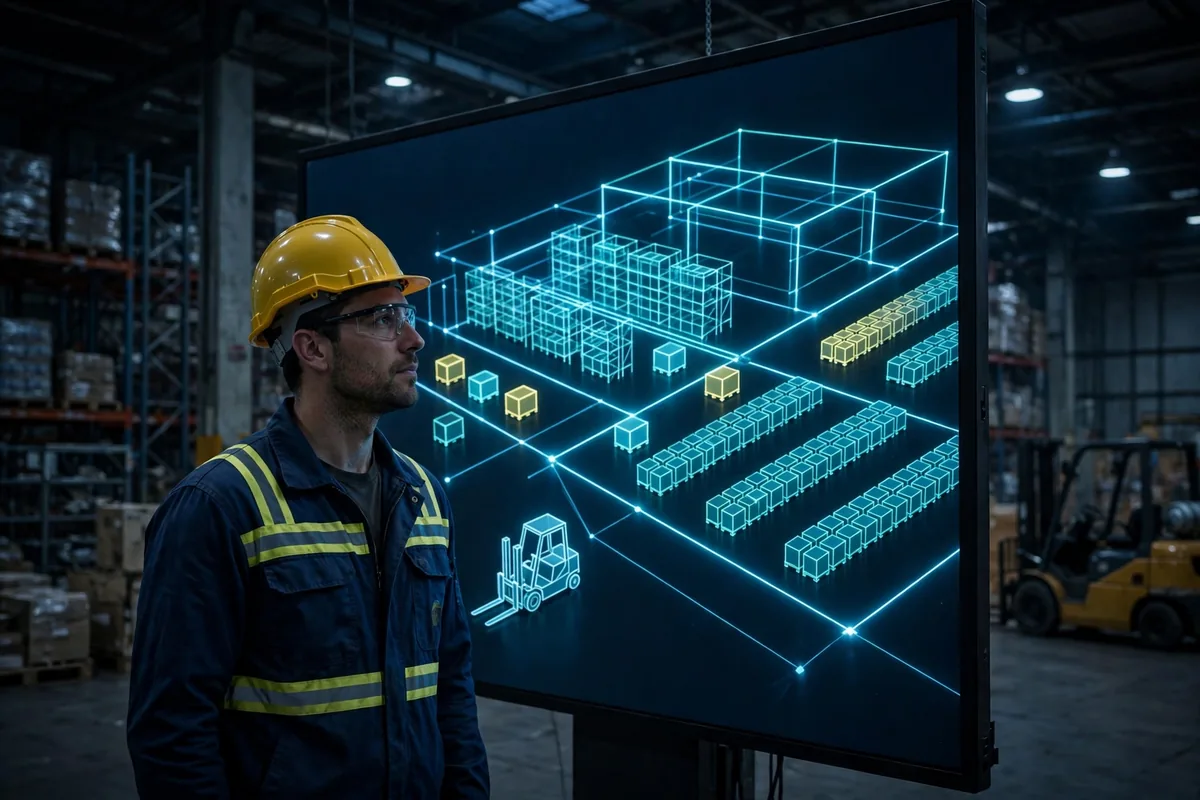
So the selection rule for your first AMR pilot route comes down to one sentence: find a line where volume is steady, distance is moderate, the floor is flat, and traffic is simple. Run every candidate through the table below, and if a route fails two of the five tests, park it for later.
| Test | A route that can run | A route to avoid for now | | Volume stability | Daily trips vary by less than twenty percent, with work in slow weeks too | Volume that only exists during promotions, dead the rest of the year | | One-way distance | Fifty to one hundred fifty meters, fixed start and end points | Over two hundred meters, with a transfer stop in the middle | | Floor condition | Flat epoxy floor, no big ramps or stepped expansion joints | Ramps, outdoor stretches, damaged flooring | | Traffic complexity | A fixed path, separated from people, no more than two crossings | Forklifts sharing the aisle, pedestrians crossing, fighting for doorways | | Visible payback | Cost per trip under manual handling within about a year | Savings nobody can trace down to a single trip |
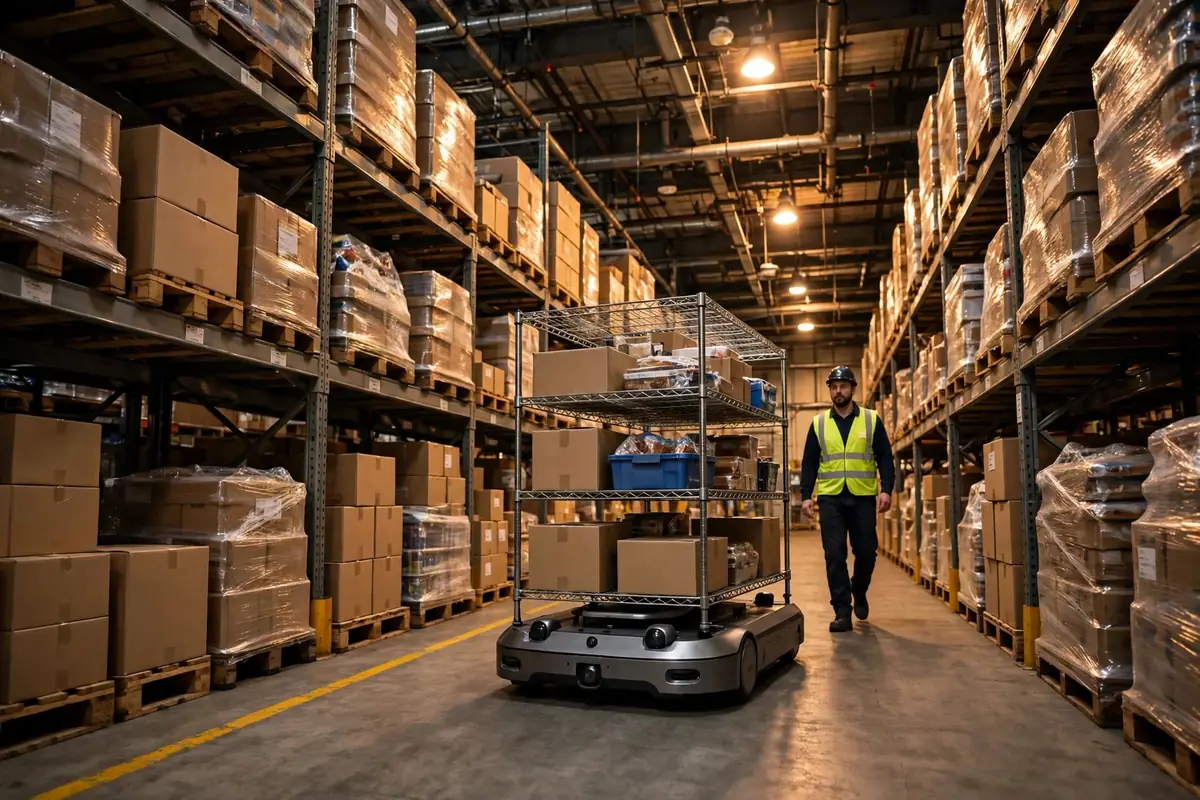
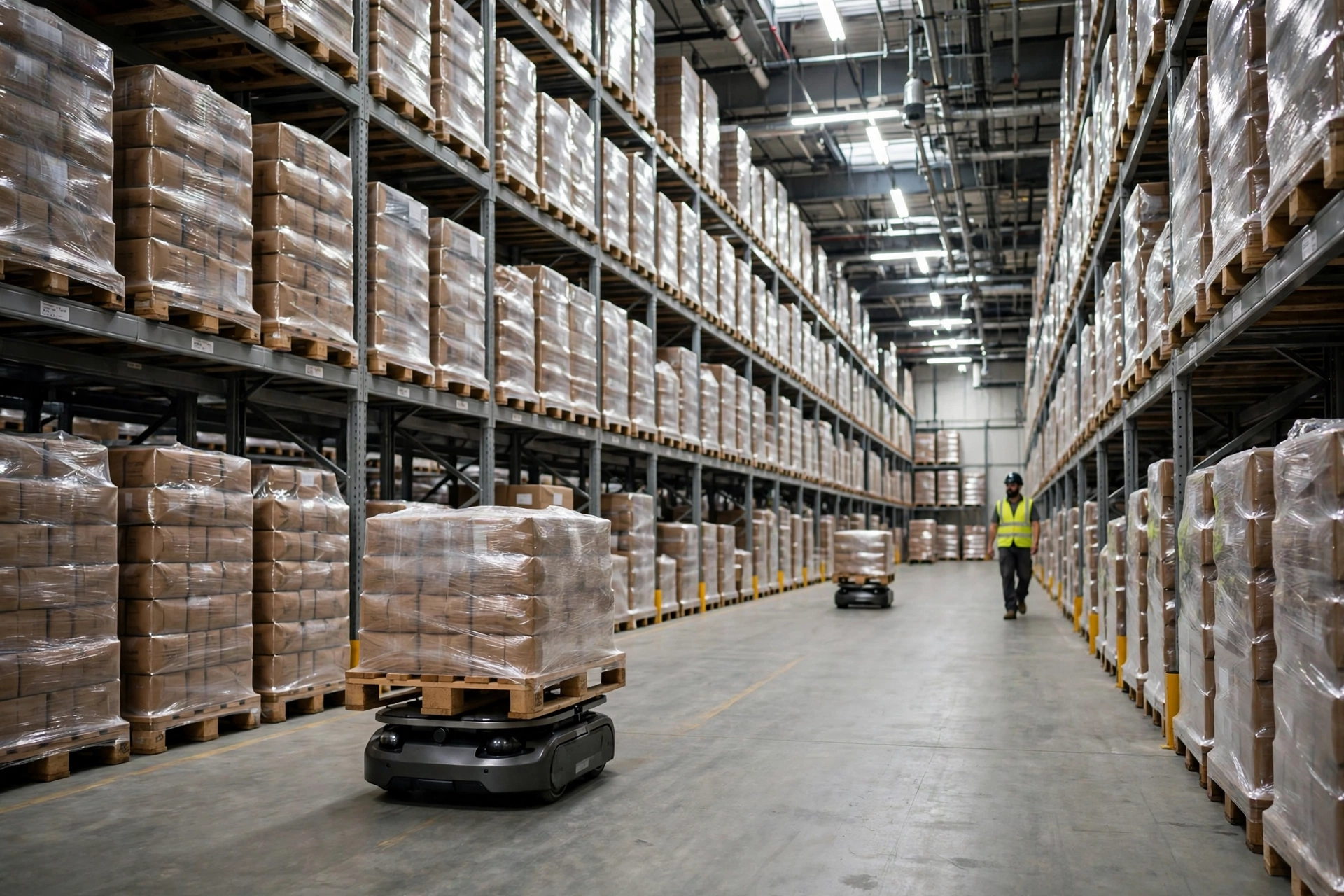
Against that table, here is a line that worked. Same customer, after we dropped the cross-building route, we piloted a replenishment line of about one hundred twenty meters, from storage to the picking zone, fixed endpoints, roughly sixty trips a day, flat floor, one crossing on the whole path. The robot ran at about one point one meters per second, each trip including loading and unloading took under four minutes, and over three months uptime cleared ninety-six percent. What management saw was not a robot driving around. It was a task list that matched reality every single day. That is how the next three robots got approved.
Three traps that wreck a pilot route
The first trap is the floor. Expansion joints, damaged concrete, metal strips at doorways look harmless, but every jolt shakes the wheels and over time the positioning drifts. Our practice now is to run an empty robot over the candidate route for two days before committing, logging every bump, and fixing the floor first. Do not expect software to paper over a physics problem.
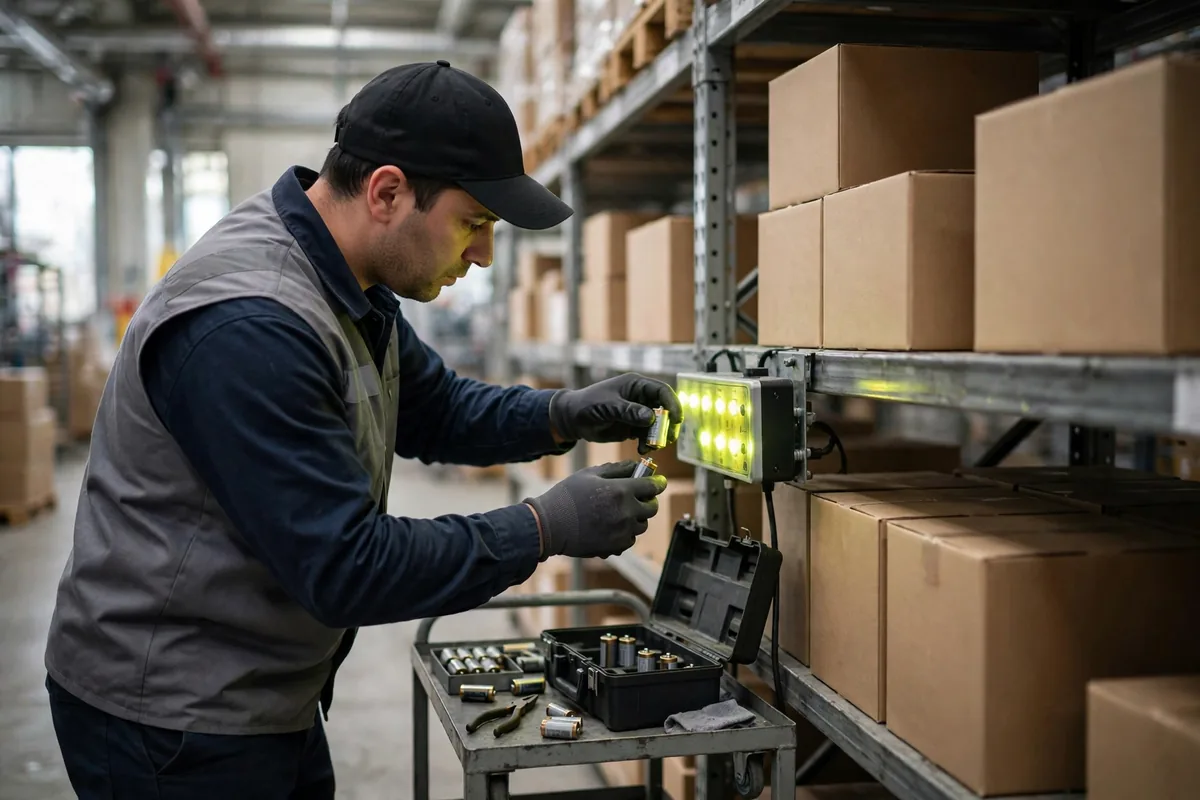
The second trap is the charging window. Warehouses run the robot all day and only think about charging at night, and then the morning shift starts with a dead battery. Charging has to be written into the roster from the pilot stage: top up during quiet periods, keep one fully charged unit in reserve overnight. Charging is not a housekeeping detail. It is what makes the line continuous.
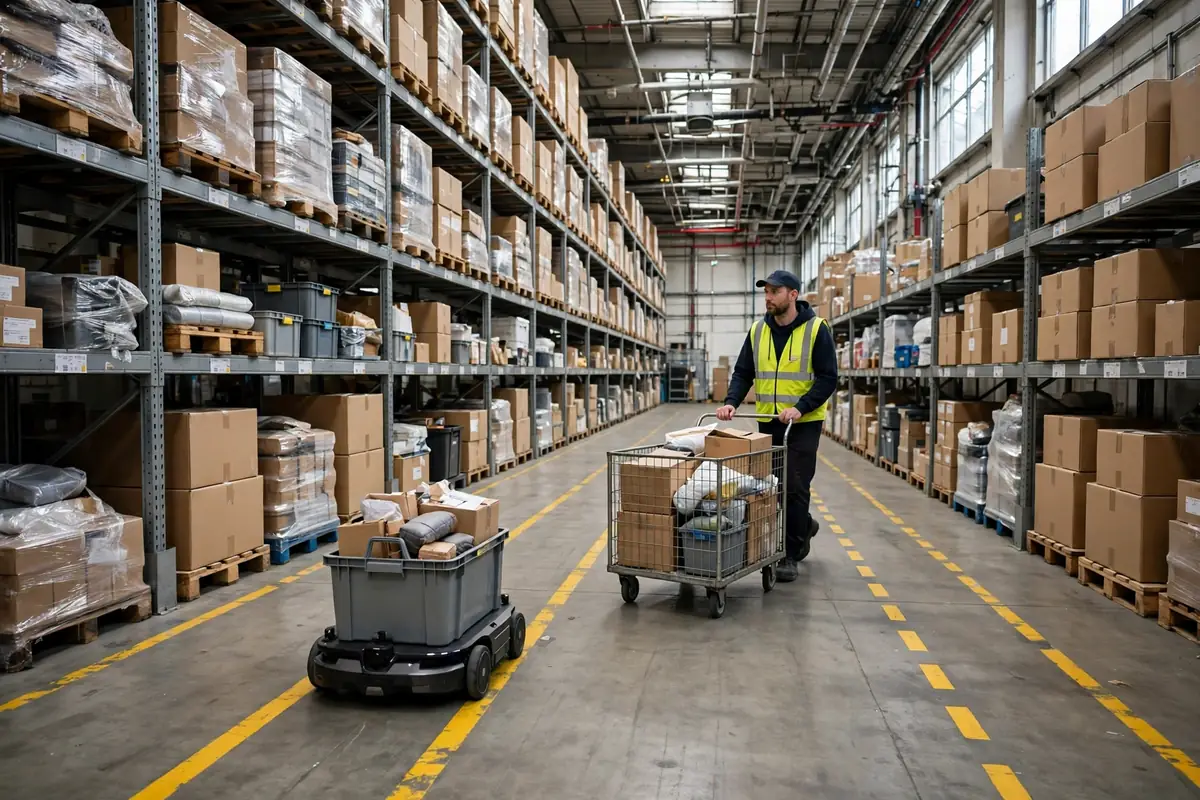
The third trap is the rush hour you forgot about. A route that looks empty at ten in the morning turns into a pedestrian stream at lunch and at shift change, the robot brakes constantly to yield, and the pace falls apart. The fix is unglamorous: slow the robot down during peaks, switch to an alternate aisle, or move half an hour of tasks out of the peak. Do not fight foot traffic head-on. A machine does not mind going slow. It minds being interrupted all day.
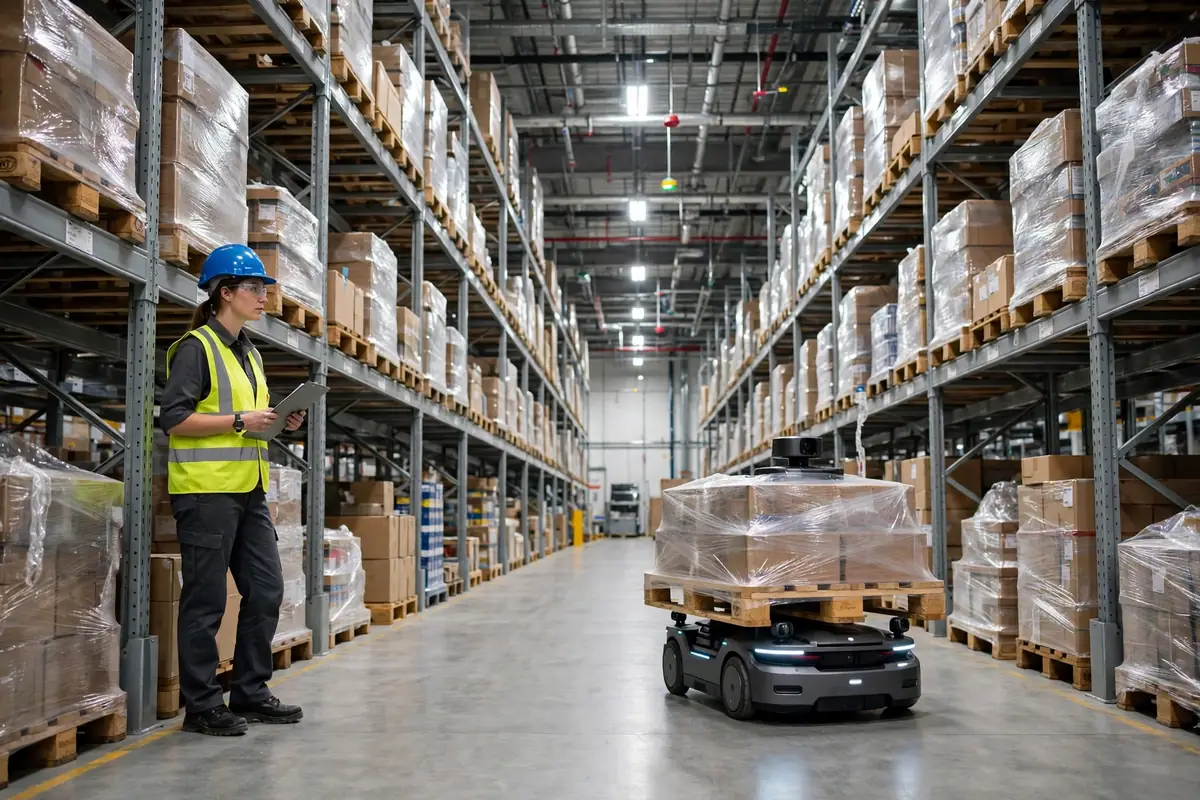
One more thing teams forget is training the people before the machine goes live. Operators need to know when the robot will stop on its own, when to hit the emergency stop, and when to drive it manually out of the way. We gave every shift half a day on manual mode and fault handling, so when the robot raised an alarm the crew knew the first step instead of gathering around it with the manual. Half a day looks like lost production. In practice it saves countless unplanned stops later.
Here is the counterintuitive judgment, and it is the one most teams resist: do not pilot on your busiest line. A busy line has zero tolerance for failure, and every hiccup is visible to the whole building. A moderately busy, low-variance line is the better pilot. And a short line is not automatically a good deal either. A thirty-meter line running twenty trips a day will never save enough labor to cover one robot's depreciation. A pilot route earns its keep on cost per trip, not on length.
Pick the first AMR pilot route right and every robot after it is a copy of something proven. Pick it wrong and every robot after it just scales the mistake. Whether this money was worth it comes down to one number: cost per trip, below half of manual handling, or it does not pass. By Da Liu, Automation Engineer