Let me be blunt about Fiji ginger export warehouse storage: I walked into it because the photos looked great. Big, golden, clean-looking ginger from a tropical island. What could go wrong?
A lot, it turns out. Ginger is not a "stack it and forget it" product. It hates damp air, it hates being sealed up tight, and it hates rough handling. My first shipment taught me all three lessons at once, and I paid for the tuition in spoiled stock.
My First Shipment Went Sideways
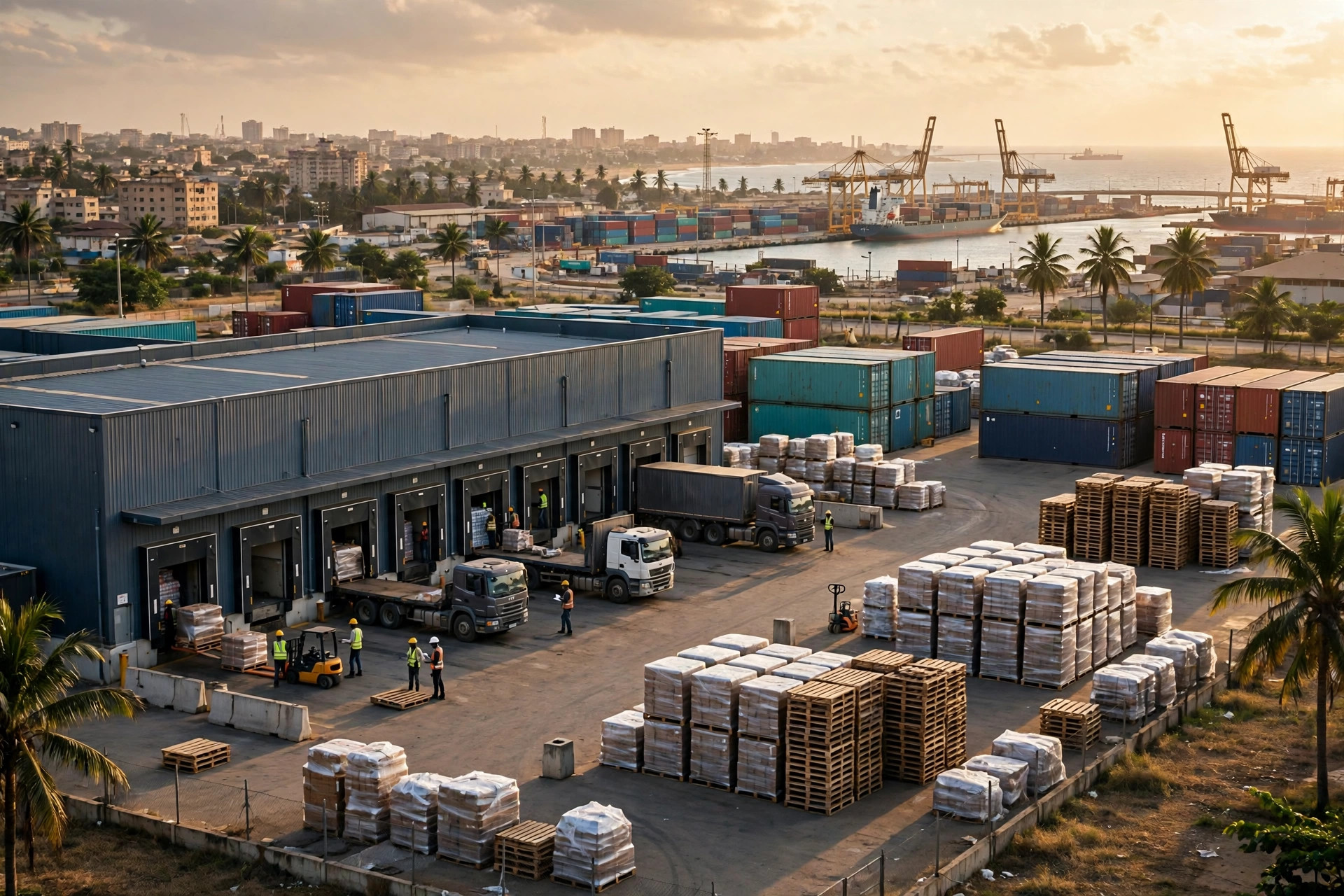
In November 2024, I ordered my first batch from a supplier on Fiji's main island: 120 cartons, 10 kilograms each, shipped as a less-than-container load to Los Angeles.
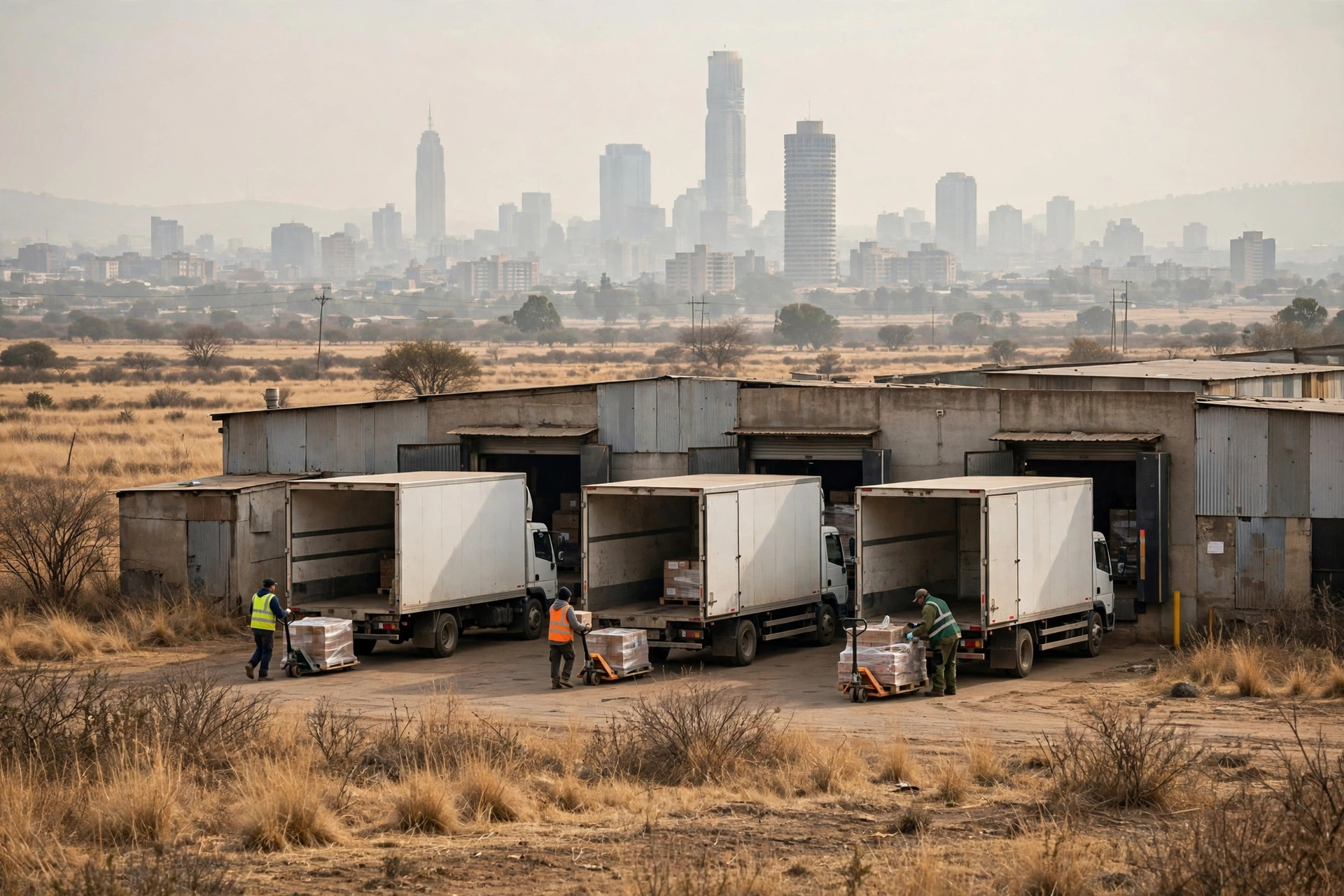
The supplier was friendly and the harvest looked fine. The problem was the gap nobody owned. After harvest, the ginger sat for four days in a basic open shed with no real moisture control before it was packed and moved to the port warehouse.
When the cartons were opened in Los Angeles, 17 of them had mold spots or soft, rotting pieces. Not the whole shipment, just the edges and the middle layers first, which is exactly the annoying kind of damage that eats your time as well as your stock.
I ended up losing about 15% of saleable volume on that shipment. Freight did not get cheaper because 15% was spoiled. Warehouse fees did not either.
That was lesson one, and it still shapes how I buy: the storage clock for ginger starts at harvest, not at the destination warehouse.
Fiji Ginger Export Warehouse Storage: Do the Math Before You Fall in Love
I do not buy on origin price anymore. I buy on landed, saleable cost. Before every shipment now, I run through a simple table:
| Cost item | What happened on my first shipment | What I do now |
|---|---|---|
| Post-harvest holding | Four days in an open shed, about 15% loss | Into a ventilated, shaded store within 24 hours, held no more than two days |
| Grading and packing | Mixed sizes in one carton, two extra days sorting at destination | Three size grades at origin, clearly marked on each carton |
| Destination warehousing | Full re-check after mold was found on opening | Sample five cartons on arrival, only shelve the batch after it passes |
This is not complicated accounting. It is the difference between a product that looks cheap and a product that actually makes money after loss, labor, and storage are counted.
My second supplier charged a little more per kilogram but graded properly. Loss dropped from around 15% to around 4%. The "expensive" ginger turned out to be the cheaper ginger. That still surprises people, and it should not.
Moisture and Stagnant Air Are the Real Enemies
First, moisture.
Fiji is humid. If ginger goes into a carton while its skin is still damp, and that carton is then sealed and stacked, mold has everything it needs. It does not need a week. It needs damp, warm, still air.
My routine now is boring, and it works:
- Ginger must feel dry to the touch before packing. If the skin feels sticky, it is not ready.
- Cartons need ventilation holes. Stacks need gaps. Do not push cartons flush against a wall.
- Put cheap temperature and humidity meters in the storage area and check them morning and evening. Do not guess. Look at the numbers.
Second, stagnant air.
People stack ginger cartons high and tight to save warehouse space, and then wonder why the middle of the stack goes bad first. The outside looks fine. The middle has no airflow, traps heat and moisture, and rots quietly.
My rule now is five layers high, maximum, with a walkway between every second row. Yes, it uses more floor space. It also makes inspection, ventilation, and picking faster, and it saves far more in avoided loss than it costs in space.
One more detail: do not store ginger in the same warehouse zone as strongly scented goods. Ginger picks up odors. Once it smells wrong, no discount fully fixes the customer experience.
The Grading Lesson a Customer Taught Me
In March 2025, a restaurant wholesale customer called me, and he was not polite about it. One carton had big pieces and small pieces mixed together. His slicer produced uneven slices. His kitchen could not standardize a dish around that.
My first reaction was defensive. Ginger is a farm product, I thought. Size variation is natural.
Then I realized he was right about what he was actually buying. He was not buying "natural." He was buying consistency. He would pay for consistency. He would not pay for my inconsistency.
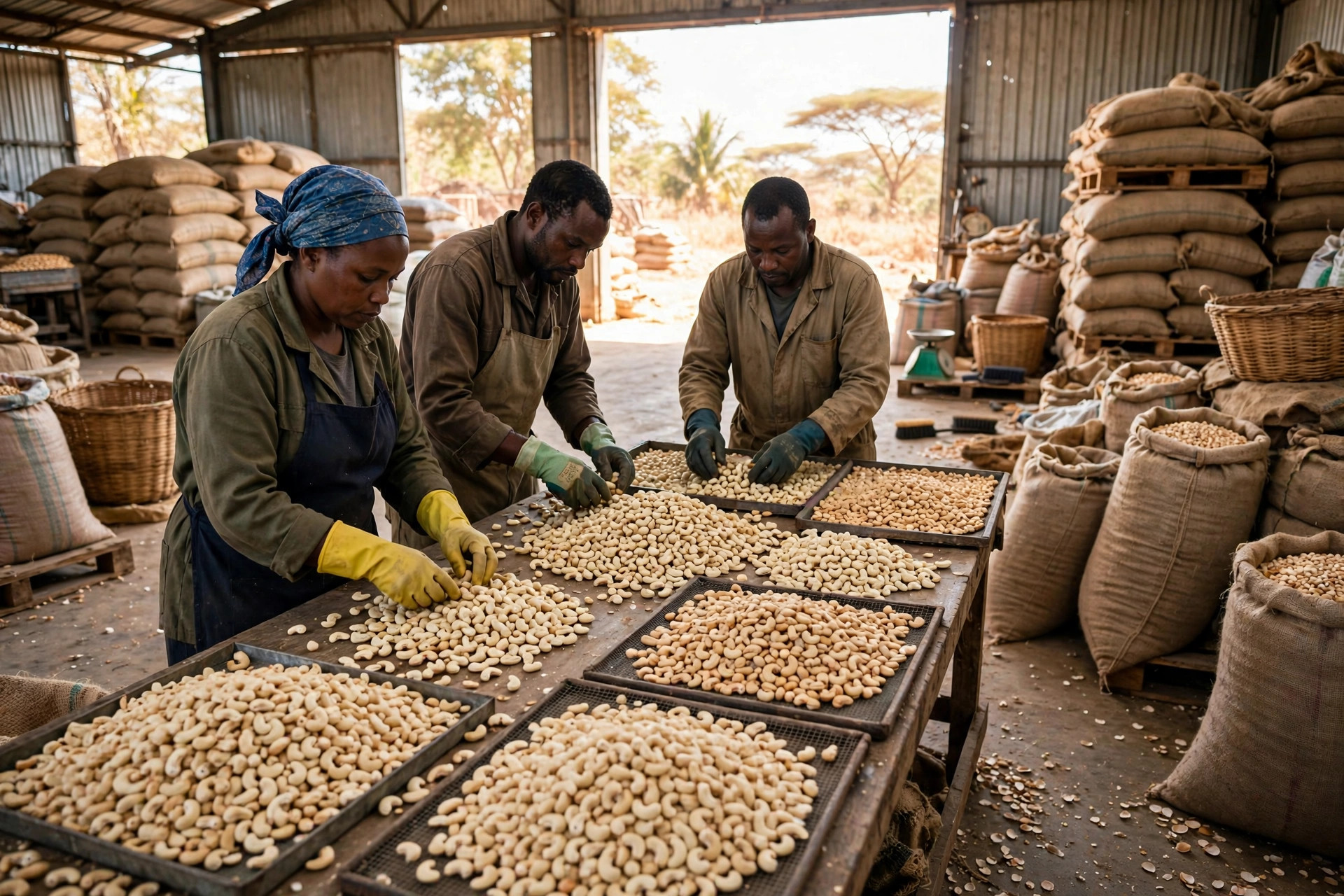
So I changed the origin process. Now every batch is graded into three bands: large pieces for whole-ginger retail, medium pieces for restaurant slicing, and small pieces and trimmings for processing channels. Each band is packed and priced separately.
Total revenue went up, which felt counterintuitive at first. Large ginger earned a retail price. Medium ginger gained a steady restaurant buyer. Small ginger stopped being sold off as "reject stock" and started earning its own processing price.
Here is the counterintuitive judgment in plain terms: grading looks like an extra step that costs money. In practice, it raises the average price of the whole shipment, because you stop letting your best pieces subsidize your worst ones.
The Trade-off: Fast or Stable?
Everyone in export wants speed. Fast harvest, fast packing, fast shipping, fast cash turnover.
Ginger punishes speed at the wrong stage.
My trade-off now is deliberate: go slow at origin, go fast at destination. At origin, take the extra half-day to dry, grade, and inspect properly. At destination, move fast — sample on arrival day, shelve within 48 hours if the batch passes, and sell through without letting stock sit.
People who reverse this pay twice. They rush origin packing, ship damp and ungraded ginger, and then spend weeks at destination sorting, re-checking, and apologizing. Warehouse fees pile up, loss piles up, and customers leave anyway.
Slow where it protects quality. Fast where it protects cash. That order matters more than any single cost saving.
Arrival Inspection: My Fixed Routine
Destination inspection used to be "open a box and have a look." Now it is a routine, and routines are what keep small sellers alive.
First, check the outside of cartons for water damage or crushing. Second, open five cartons at random and check skin dryness, mold spots, and soft pieces. Third, weigh two cartons to confirm the declared weight.
If a batch fails, it goes to a separate area. I photograph it before anything is moved, then raise it with the supplier and the freight forwarder with the photos attached. Photographing a problem feels slow in the moment. In a dispute, those photos are the only evidence you actually have.
I also keep one simple rule for paperwork: for quarantine, customs, and export documents, follow the latest official policy. I do not rely on verbal assurances from intermediaries anymore. If it is not in writing from an official source, I treat it as unconfirmed.
Fiji Ginger Export Warehouse Storage Pitfalls to Avoid
First, never compare suppliers on origin price alone. Add loss rate, warehouse fees, sorting labor, and return costs, then compare.
Second, keep your first shipment small. Run one small consolidated shipment through the full chain first. Get real numbers for loss rate, arrival time, and customer feedback before you scale up.
Third, when vetting a supplier, ask one question before anything else: "Where does your ginger sit after harvest, and for how many days?" If they cannot answer clearly, you already know how that storage chain works.
Fourth, do not let a good-looking product fool you into a lazy warehouse plan. Ginger rewards attention and punishes neglect, and the punishment shows up as mold, not as a warning email.
Fiji ginger is a genuinely good product with real demand. It just does not suit a warehouse strategy of "put it somewhere and check later." Treat storage as part of the product, not as an afterthought, and the same shipment that once lost 15% can hold its quality all the way to the customer.
This trick actually works. I have tested it myself.
By Ah K, E-commerce Seller (5 yrs)