Here is my conclusion up front: for food and cosmetics imports, the real trouble does not start at the port. It starts in the warehouse. Customs may release a shipment, but an FDA EPA inspection can still stop it cold. I have seen too many importers treat customs clearance as the finish line, schedule putaway and outbound orders the same day, and then watch a detention notice freeze the whole lot while storage charges keep running and customers keep calling.
To put it plainly, an imported food or cosmetics shipment has to clear three gates, not one: the product itself has to be compliant, the paperwork has to be complete, and the warehouse has to store it correctly. Fail any one of them and the other two do not save you. There are two sides to this. On one side, the rules really are strict. On the other side, most of the damage is avoidable with half a day of preparation that nobody bothers to do in advance.
FDA Inspection: For Food Imports, the Paperwork Fails First
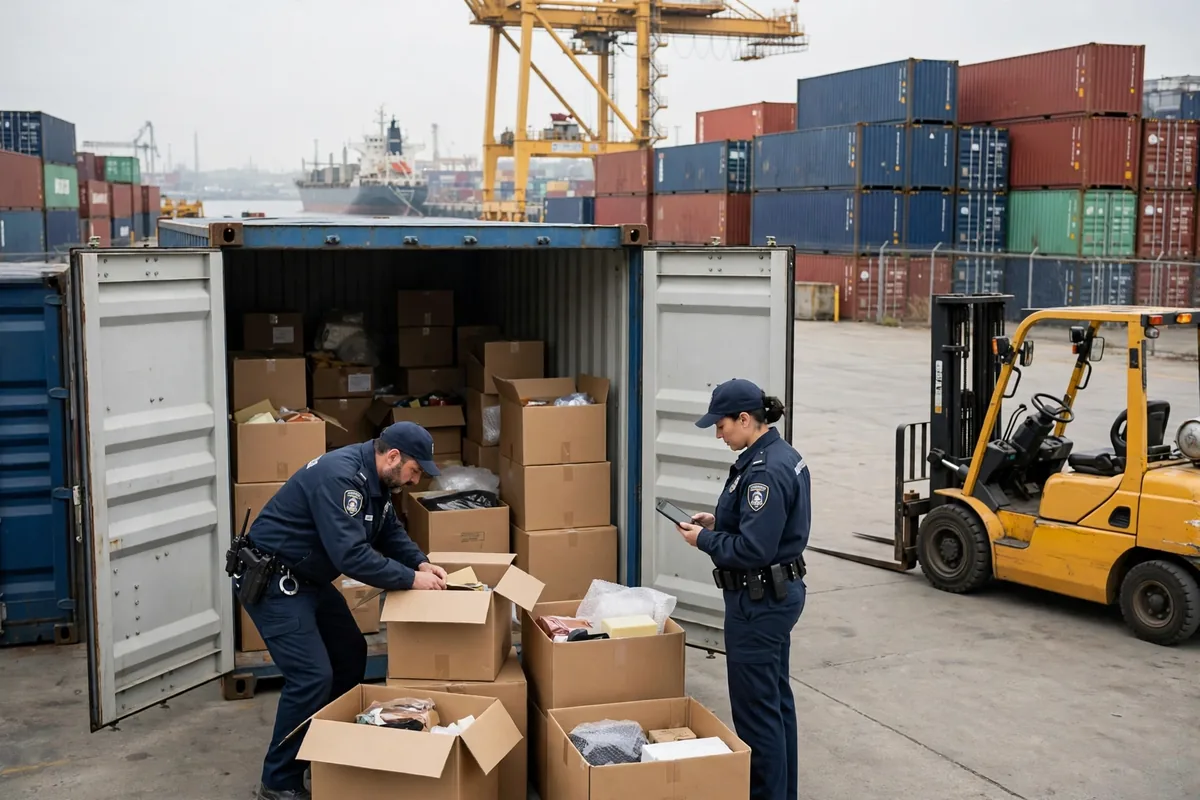
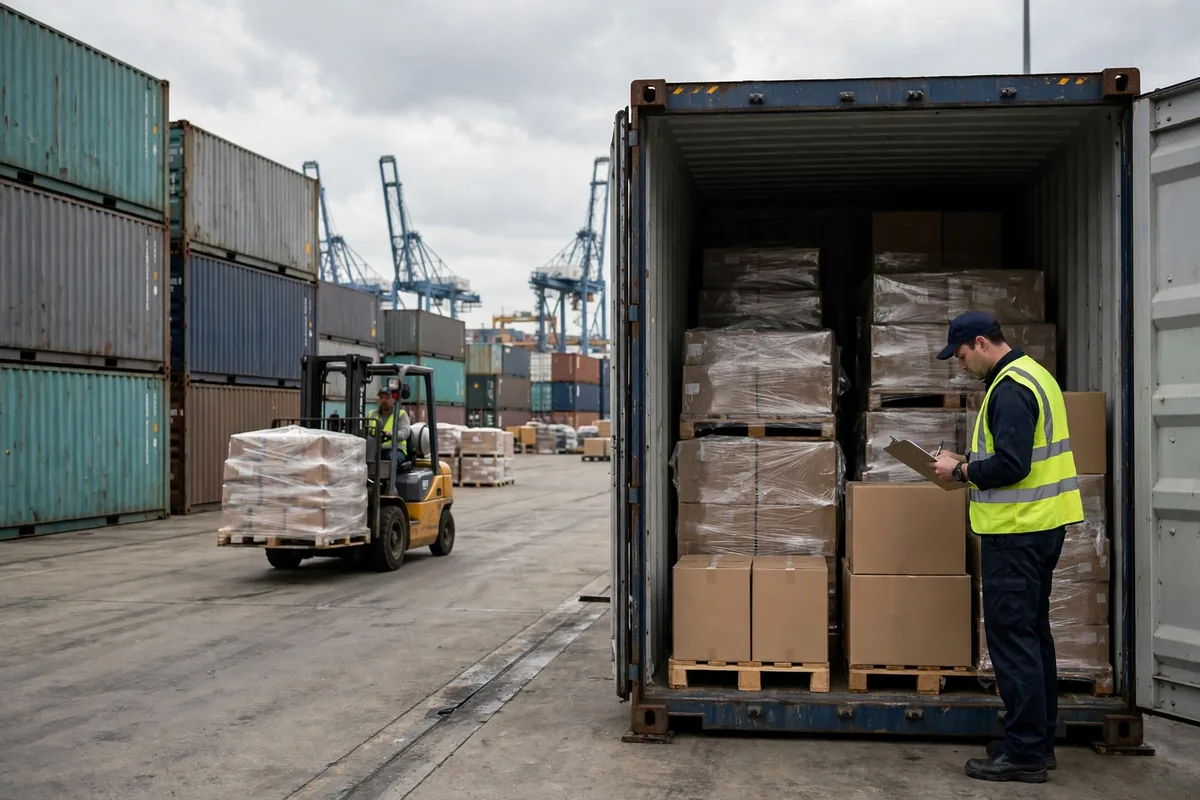
Let me tell you about a shipment I watched go wrong. In the fall of 2024, a warehouse near the Port of Long Beach received three containers of imported snacks. The importer was new to the US market. The goods were unloaded, palletized, and ready for putaway when the inspection notice arrived on the third day: the Food and Drug Administration wanted to examine the entry documents and the labels. The warehouse team was stunned. The freight was already off the truck, so why inspect it now?
Because that is how the rules work. Imported food must be safe, sanitary, and correctly labeled. That is the baseline. Foreign facilities that manufacture, process, pack, or hold food for the US market must register with the FDA, and importers must submit Prior Notice before the food arrives. Miss either one and the shipment can be detained at the port of entry. In this case, the overseas factory's registration details did not match the shipment, and the product description in the Prior Notice was vague. The inspectors held the goods on the spot. They sat in the warehouse for eleven days while the importer fixed the paperwork and replaced a batch of labels. Eleven days of storage, two rounds of re-palletizing, and one downstream order that got cancelled — all because nobody spent half a day checking three documents before the freight arrived.
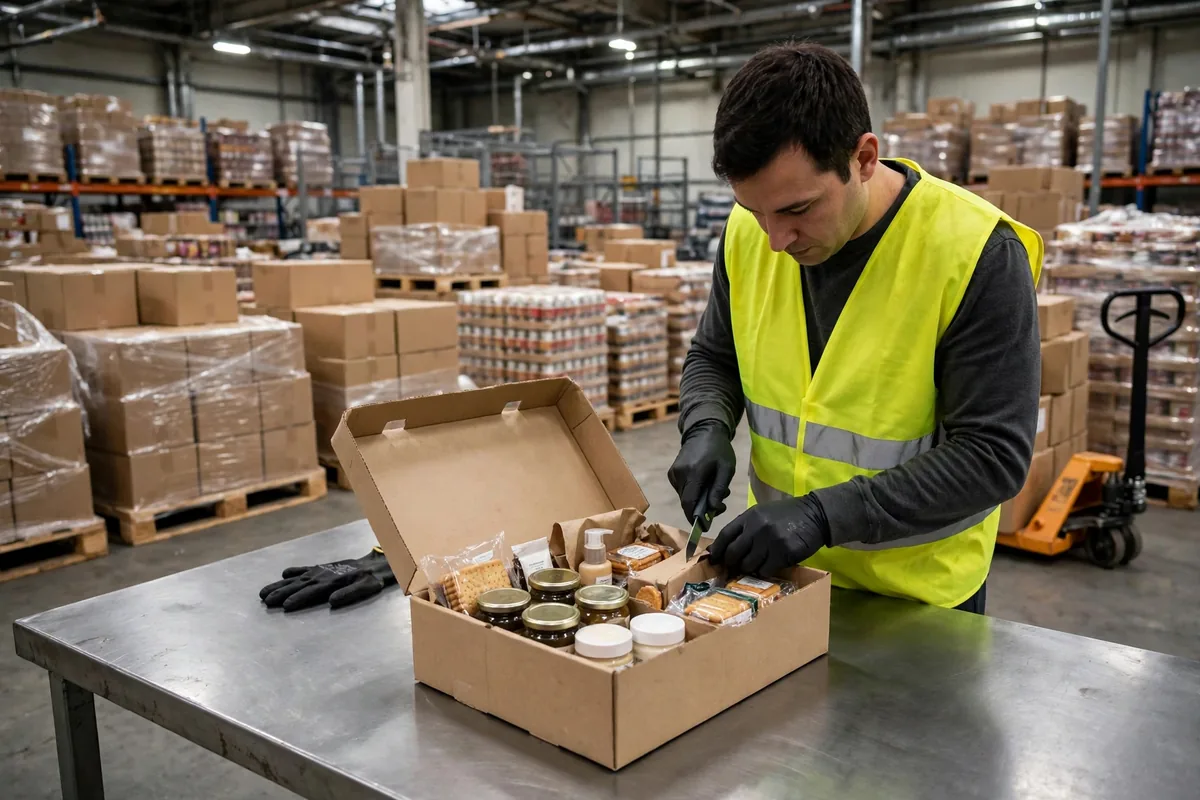
The lesson I took from that job is simple. Before a food shipment reaches your dock, ask three questions. First, is the foreign facility registered, and does the registration match the actual producer of this shipment? Second, was Prior Notice filed, with the product name, quantity, and arrival time written clearly? Third, is the labeling compliant — ingredients, net quantity, country of origin, and allergen statements present, in the right place, and in the right language? Answer those three questions and you have already eliminated most of the inspection risk.
Here is the counterintuitive part: inspections do not hit every shipment, and that is exactly why they hurt so much when they do. The FDA works with US Customs and Border Protection to monitor imports, and it uses Import Alerts to focus on higher-risk products and shippers. Ten smooth shipments in a row prove nothing about the eleventh. I have watched too many operators treat "we were not inspected last time" as a guarantee. In a warehouse, that is one of the most expensive illusions there is.
EPA Inspection: For Cosmetics, Storage Is Where the Warehouse Gets Caught
A lot of people assume cosmetics are the easy lane. In one sense they are: with the exception of color additives, cosmetics do not need premarket approval. But that does not mean nobody is watching. A cosmetic must not be adulterated or misbranded. Under the Modernization of Cosmetics Regulation Act, known as MoCRA, facilities must register and renew that registration every two years, and the responsible person must list the products. Those duties belong to the brand owner and the importer, not the warehouse. The warehouse has a different duty, and it cannot be delegated: storage.
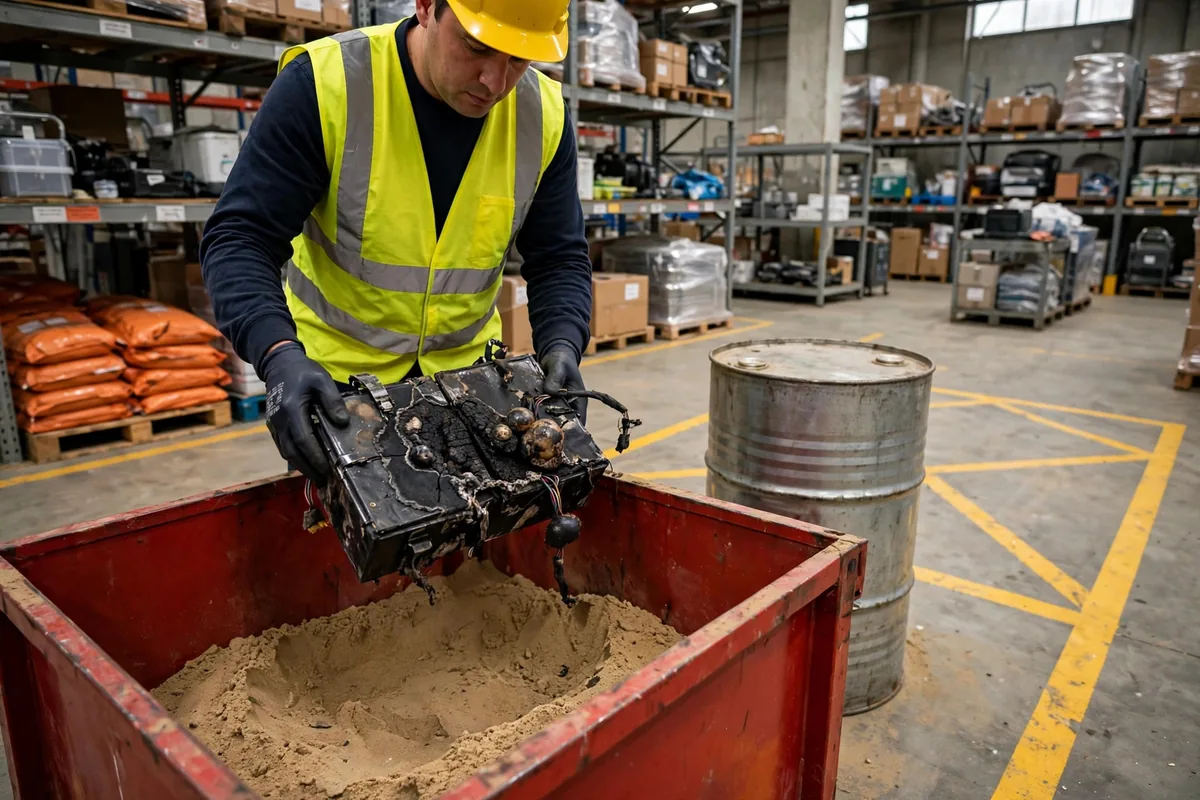
In early 2025, a New Jersey warehouse took in a batch of imported skin care products alongside a batch of cleaning products containing solvents, and stored them in the same zone. When summer arrived, temperatures in the building climbed, and an inspection found that the storage conditions for some products did not match what their labels required. A few cartons had moisture-damaged outer packaging. The products themselves were not seriously compromised, but the warehouse could not produce the records: temperature logs had a three-day gap, and the batch-to-location mapping was handwritten and broke down halfway through the check. The shipment was not detained in full, but the warehouse was ordered to fix its zoning and its record-keeping, and outbound shipments from that batch were stopped for four days while the fix was made.
That failure was entirely preventable. When cosmetics and chemical-bearing products arrive, the warehouse should do three things. First, zone them separately: food, cosmetics, and chemical products should not share the same storage area. Second, translate every storage requirement on the label into a location rule — if a product needs a cool place, do not put it in the hot zone near the roof. Third, keep temperature and batch records retrievable on demand. An inspector will not wait three hours while you dig through paper pick lists.
The table below is the one I would tape to the receiving office wall. It is not a compliance manual. It is a checklist for the day an inspection notice lands.
| Inspection area | What the warehouse should have ready | The most common failure |
|---|---|---|
| Food entry documents | Foreign facility registration, Prior Notice, label samples | Registration mismatch, vague product description in Prior Notice |
| Cosmetics compliance | Facility registration renewal records, product listing information, labels | Missing label elements, expired registration information |
| Storage conditions | Zone map, temperature logs, batch-to-location records | Mixed storage, gaps in temperature logs, batch records that do not reconcile |
| After a detention | Quarantine zone, corrective-action records, re-inspection process | Detained stock mixed with good stock, making the mess worse |
You do not need to memorize this table. You need to be able to produce every item on it within an hour of being asked. If you can, an FDA EPA inspection is a walkthrough. If you cannot, even a compliant shipment starts to look like a problem shipment.
What the Warehouse Should Do on the Day an Inspection Arrives
When the notice comes in, the warehouse should do four things, in this order. First, isolate. Move the named batches into a separate quarantine area and lock them in the system — no picking, no shipping, no mixing them into a cycle count. Second, reconcile. Check physical quantity, batch numbers, locations, and receiving documents against each other, and write down every discrepancy before you try to explain it. Third, produce the documents. Registration information, Prior Notice, label samples, temperature logs, and the zone map, one by one, and admit on the spot if something is missing rather than inventing it. Fourth, keep a record. Write down what the inspectors asked for, what they took, and what they said, the same day, with photographs filed alongside.
One more piece of advice, aimed at first-time food and cosmetics importers: do not treat "check the latest policy on the official website" as a polite disclaimer. Import rules, registration requirements, and labeling elements change, and the official agency websites are the source that matters. A broker's verbal experience goes stale. Spend thirty minutes checking the current requirements on the official site before each new product line ships, and it will cost you far less than fixing paperwork after the freight is already sitting in your warehouse.
So here is the question I leave you with. An FDA EPA inspection does not test whether your warehouse got lucky. It tests whether your paperwork, your labels, and your storage were done properly on an ordinary day, long before anyone showed up to check. Done properly, an inspection is a walkthrough. Done sloppily, it is a shutdown. Which version do you want to be running?
By Lao Mi, Supply Chain Veteran (20 yrs)