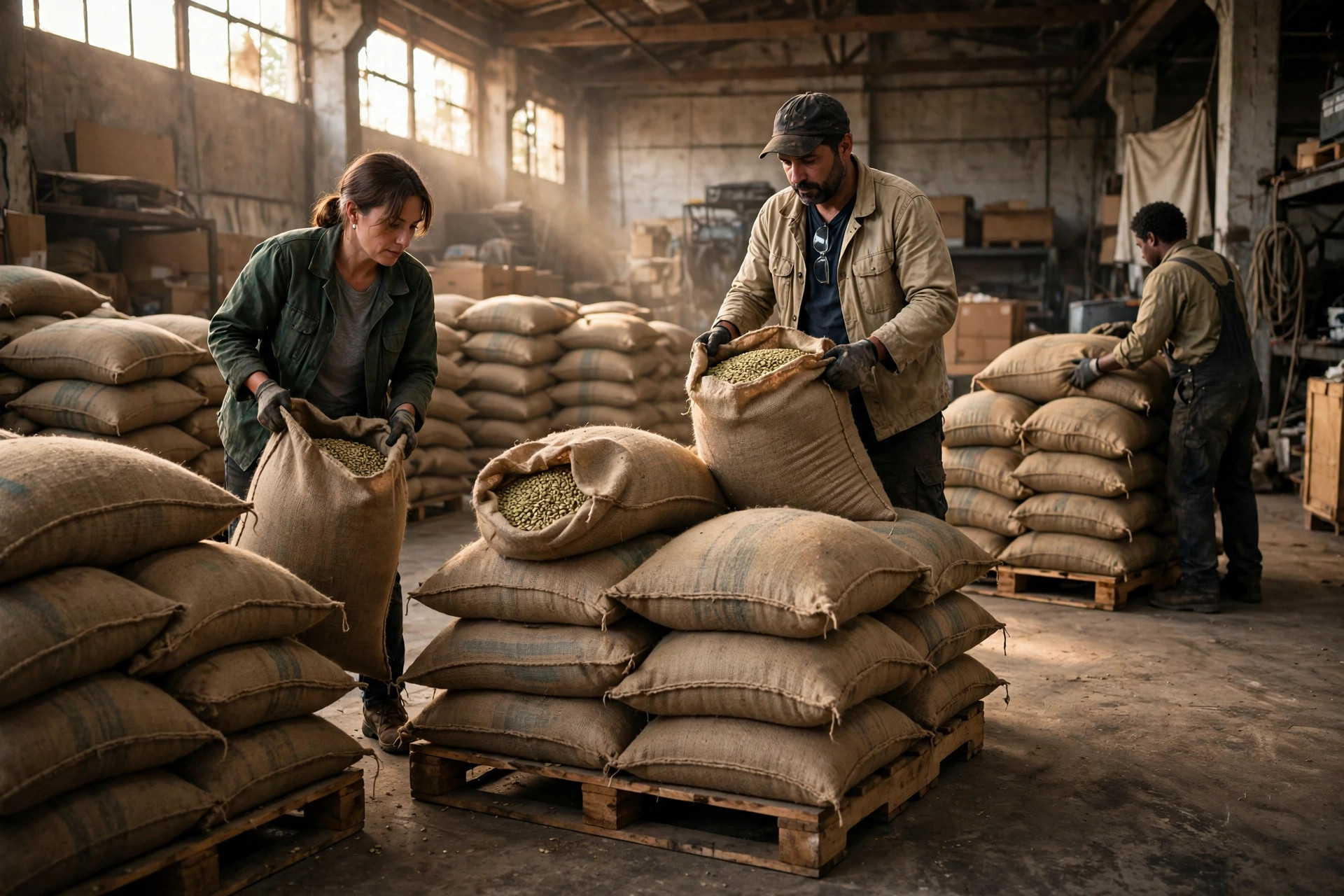
My verdict comes first: Ethiopia coffee export warehouse storage is a moisture problem before it is a speed problem. A longer road does not ruin green coffee. A longer wait in a damp warehouse can. Once moisture reaches the beans, flavor and grade do not come back because you explain the journey well. A buyer does not buy your explanation. A buyer buys the coffee in the bag. So the warehouse question is never simply which building is cheapest or closest to the port. It is which building keeps moisture out while still letting cargo move, breathe, and be checked.
To put it bluntly, this issue has two sides, and exporters who ignore either side pay for it. Seal a warehouse too tightly and you trap humid air inside, slow down handling, and make inspection harder. Leave it too open and seasonal rain, ground damp, and wet handling find their way to the bags. I have seen too many people spend their energy negotiating freight while treating the warehouse as a parking lot for bags. Freight gets the attention because it has a price per container. Storage gets ignored because its failure shows up later, at the buyer’s inspection, when it is too late to fix.
I watched this go wrong once with an exporter moving coffee toward the Djibouti corridor. The bags left the washing station in good shape and reached a port-side warehouse that looked ideal on paper: close to the port, easy to reach, reasonable rent. The season was wet. Ventilation was poor. The floor had no serious moisture protection. The cargo sat while consolidation was arranged, and by the time bags were opened for checking, some bags near the bottom and edges had taken in moisture. That load had to be downgraded. The loss was not only the value difference. It was the delivery promise and the buyer’s confidence, both of which are harder to rebuild than a shipment. The road did not cause that loss. The quiet weeks in a warehouse that everyone assumed was safe caused it.
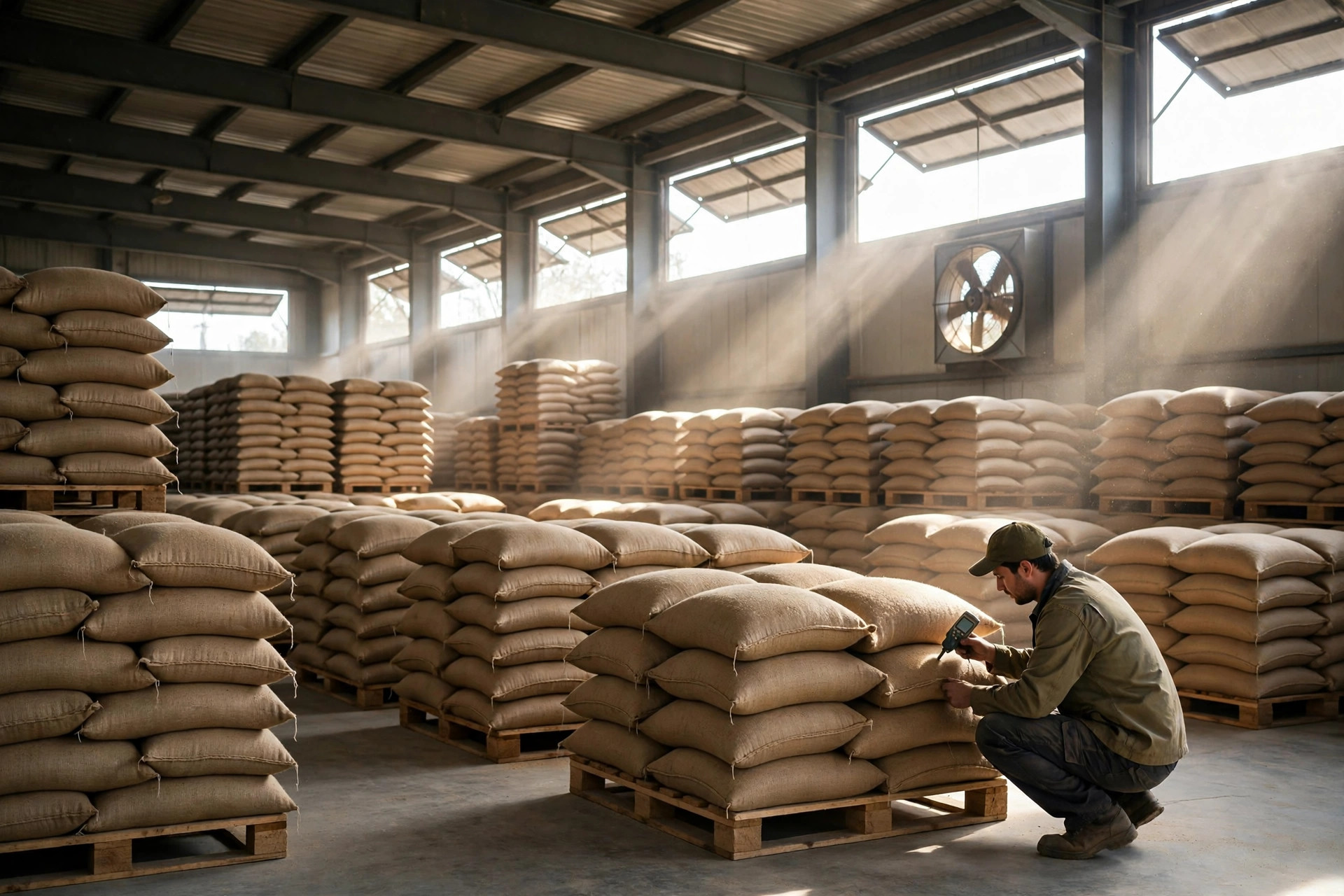
I have also seen the opposite, from another exporter on the same corridor, and his method looked almost boring. Before put-away, his team checked bag condition batch by batch and dealt with damaged bags before they entered storage. Pallets kept bags off the floor. Stock near walls left room for air. During the wet season, inspection rounds increased, and any sign of damp meant moving the affected bags first and finding the cause second. None of those steps is impressive on its own. Together, they form a system that catches moisture before it becomes damage. His cargo met wet weather too. The difference was that moisture met a routine before it met the beans.
Ethiopia Coffee Export Warehouse Storage: Where Moisture Gets In
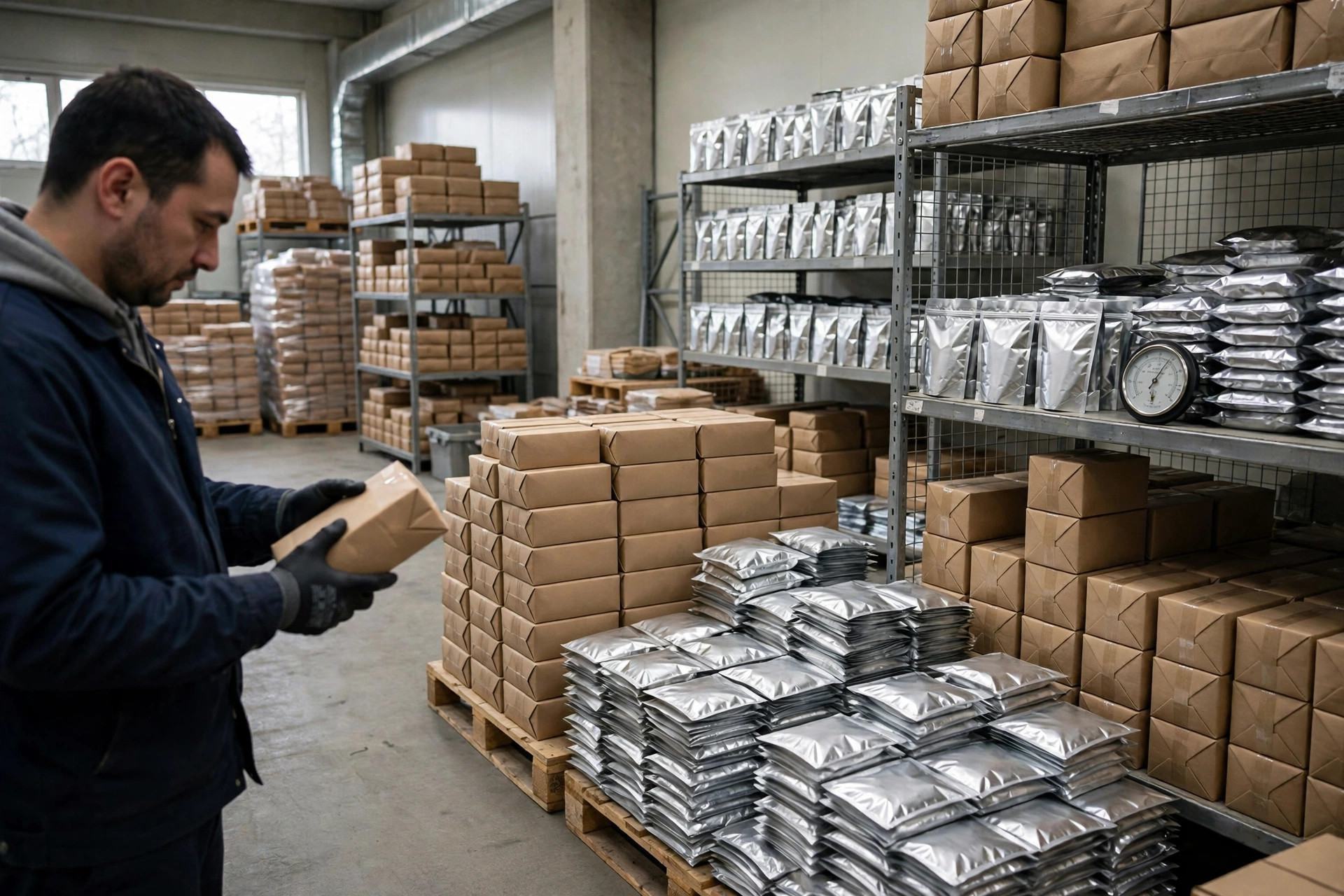
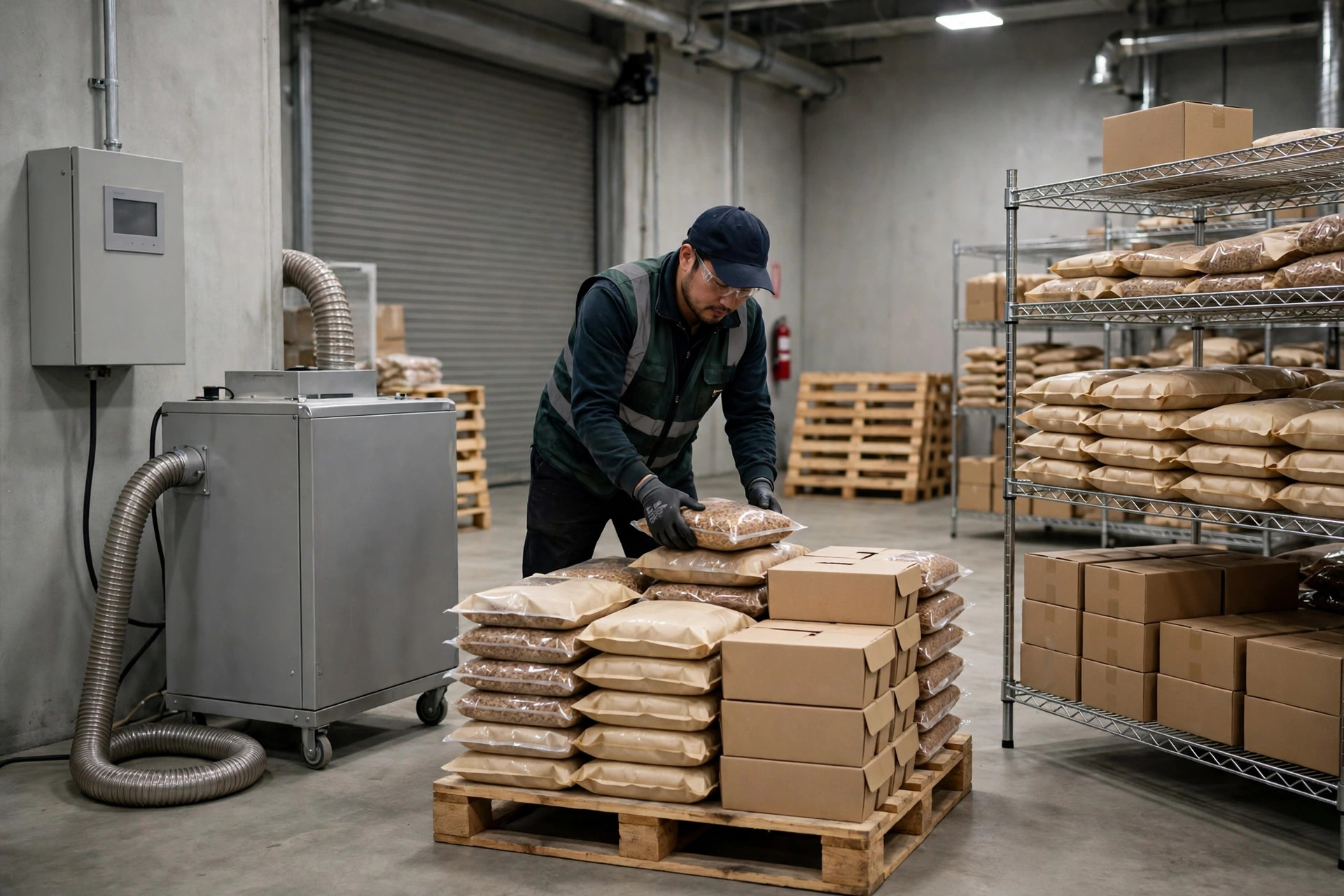
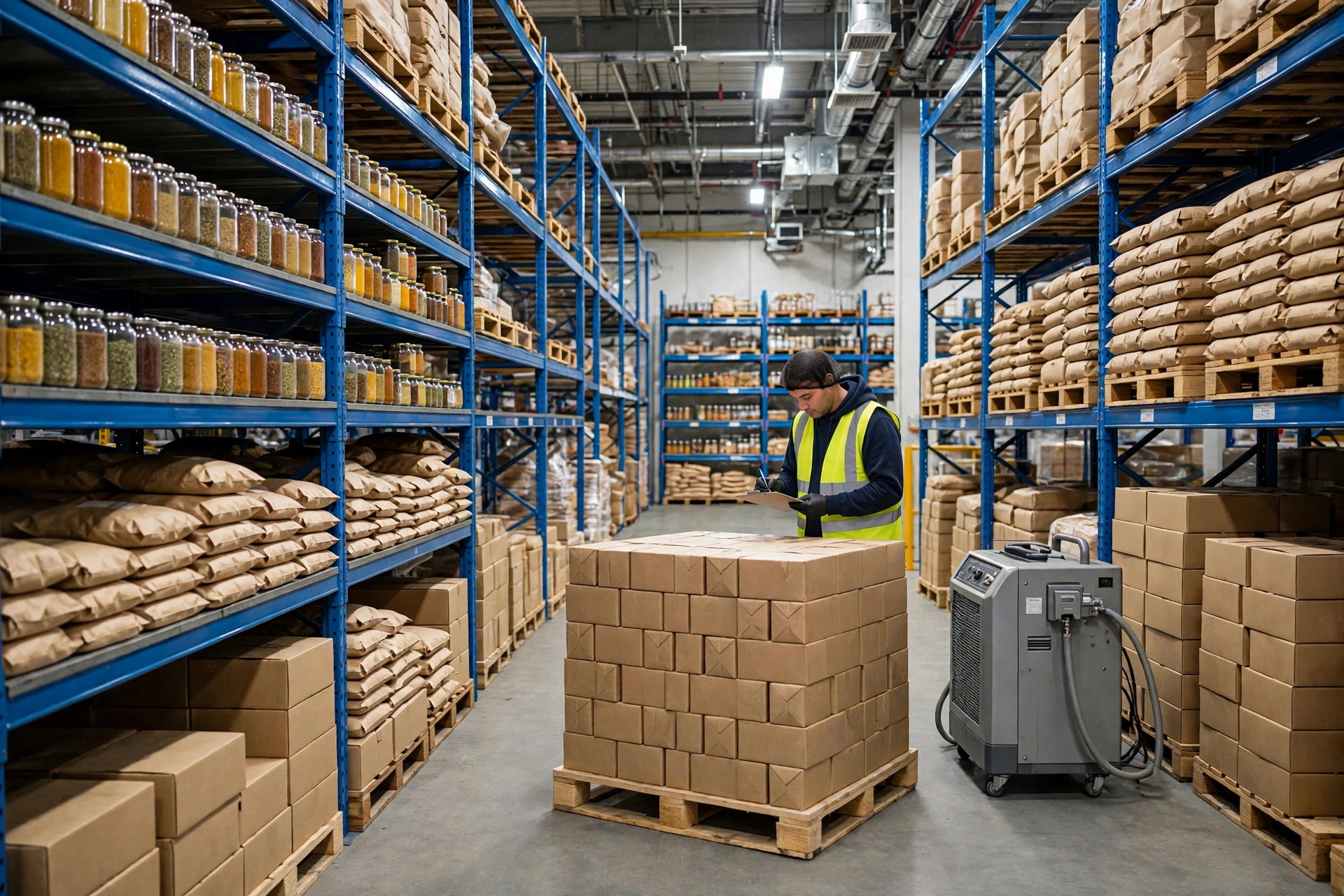
Moisture usually enters through three doors. The first is the floor. Bags stacked directly on the ground look efficient, but they hand the lowest layer to whatever damp rises from below. The second is poor ventilation. A building kept shut holds humid air, and bag surfaces slowly take it in. The third is handling in wet conditions: loading in rain, vehicles bringing water inside, and damaged bags left unrepaired. Moisture control is not one device you buy. It is a set of habits across receiving, stacking, inspection, and dispatch. If any one habit is missing, the other habits have to work harder, and eventually one of them fails.
Ethiopia Coffee Export Warehouse Storage: The Trade-off Table
Do not judge a warehouse by rent alone. A port-side building saves short-haul time and cost, but one downgraded load can erase those savings in a single inspection. A better-protected building may cost more and sit farther from the port, but stable cargo quality is what earns repeat orders. Before signing, fill in this table honestly for your own volume and season:
| Trade-off | The easy choice | The choice that holds up |
|---|---|---|
| Stacking | On the floor, tight against walls | On pallets, with air gaps |
| Wet-season handling | Business as usual | More inspections, damaged bags first |
| Warehouse selection | Rent and distance only | Moisture protection first, then rent |
There is no universal answer in that table. A small shipper and a large consolidator will weigh the rows differently, and the wet season changes the answer again. The value is in forcing the decision out of slogans. “We care about moisture” means nothing until it becomes pallet height, air gaps, inspection frequency, and a rule for damaged bags.
The handoffs matter as much as the building. Confirm bag condition and dryness when cargo enters storage, not when it is already being consolidated for dispatch. Record the handover between transport and storage: who delivered, who received, how many bags, and what condition they were in. Before dispatch, check the lowest layer and the rows nearest the walls first, because those fail first. If a few bags show moisture, isolate them before deciding what to do with the rest. The worst response is to notice a problem and keep moving on the original plan while moisture spreads. A warehouse problem found early is a handling task. The same problem found by the buyer is a commercial failure.
So here is my advice, and it is deliberately simple. Before you sign for a warehouse, stand inside it. Look at the floor and the base of the walls. Ask how inspection works in the wet season. Ask what happens to a damaged bag, and how fast. If the operator cannot answer those questions clearly, do not let a low rent decide for you. Green coffee can travel a long way. What it cannot do is sit quietly in a damp building and stay the same coffee. Are you willing to trade a buyer’s trust for one downgraded load? If not, choose the warehouse the way the coffee would choose it: dry first, cheap second.
By Lao Mi, Supply Chain Veteran (20 yrs)