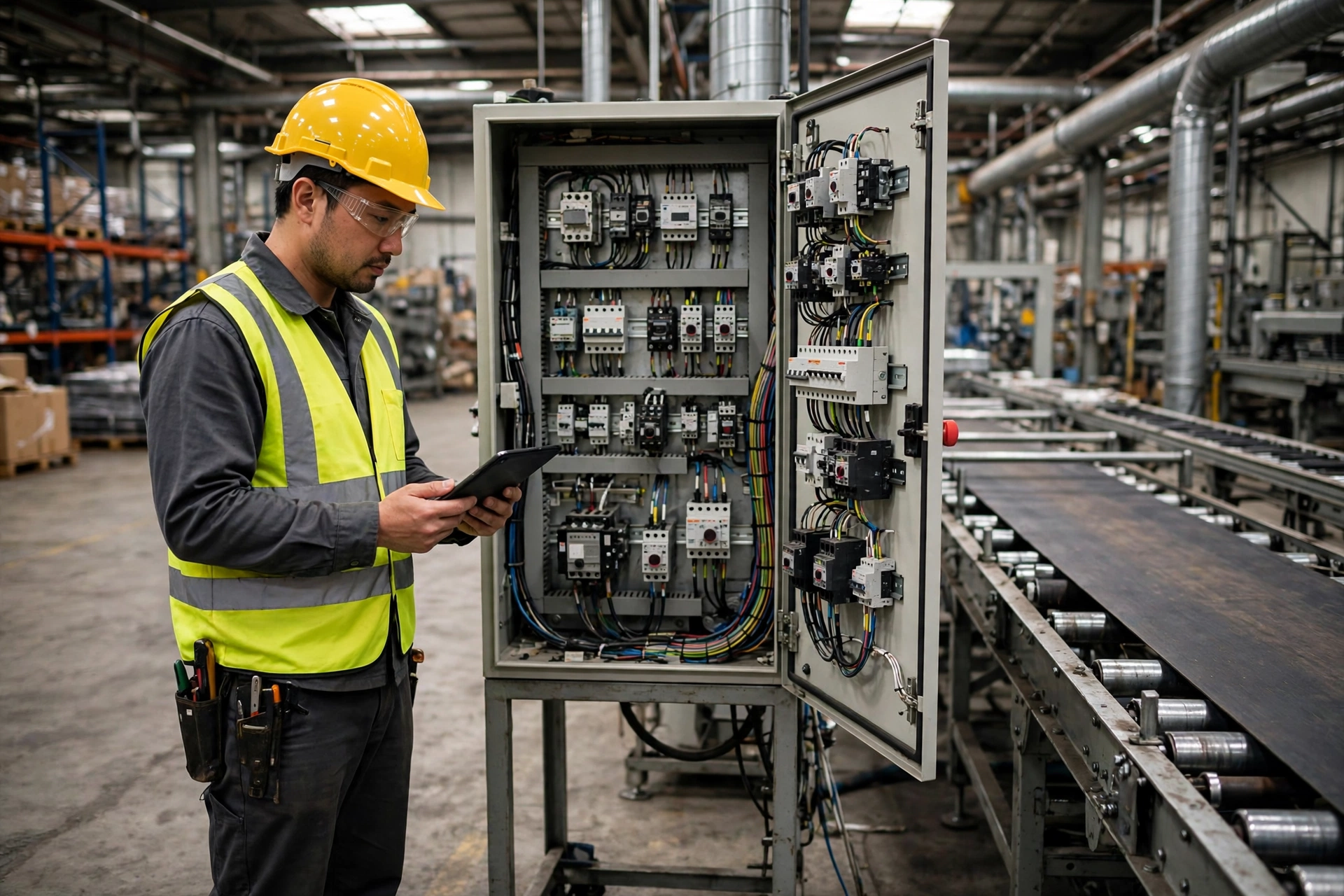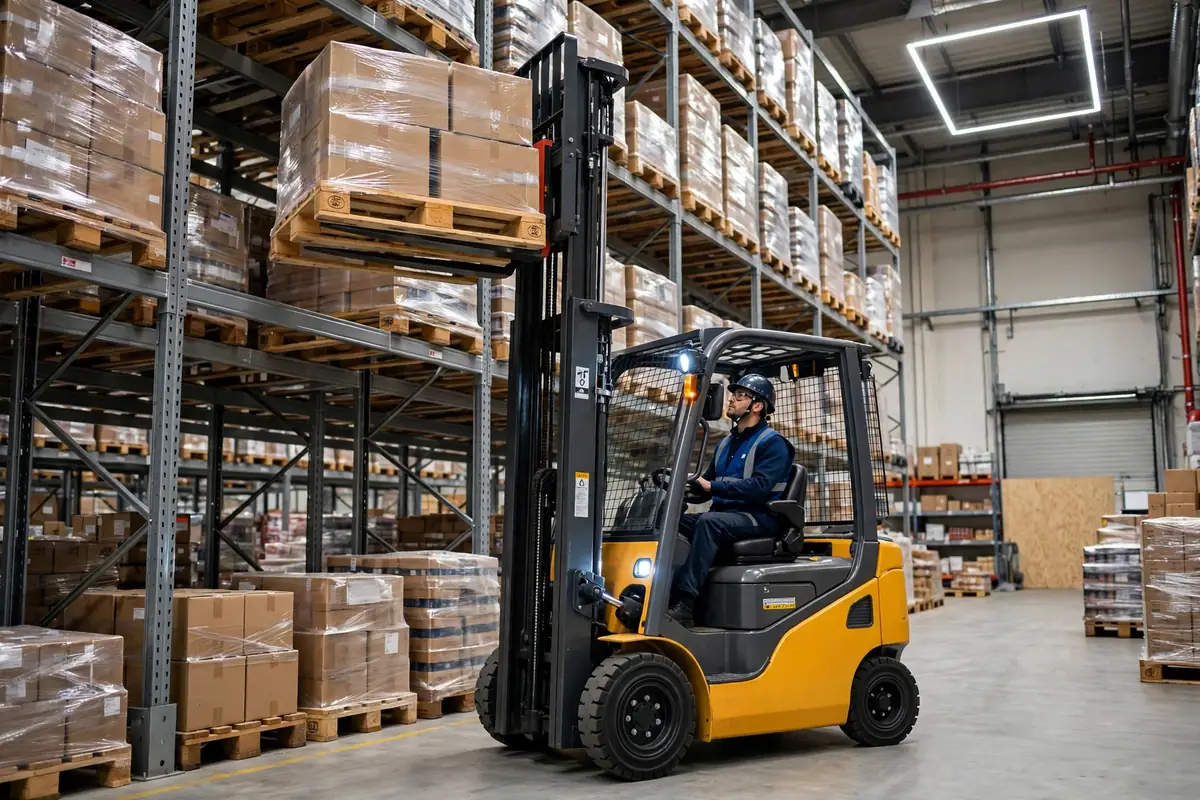
Let me tell you what I saw last fall, waiting to load outside a warehouse in Ontario, California. The warehouse had just brought in a new electric forklift — a smart-looking machine, lifting pallets up to the high racks smooth as butter, the operator steering it from a tablet on the side. It ran fine for three days. Then it sat in the corner gathering dust. Not broken. The warehouse manager just said one thing: the paperwork isn't complete, and we're not risking it.
After all these years on the road, I've seen this story play out more times than I can count. The machine is good, it passed every test back at the factory, and then it hits the wall in an American warehouse — not on performance, but on paper. So today I'm going to walk you through the whole thing: certification, OSHA, and everything in between, for one of these trucks entering the United States.
Where an Electric Forklift Gets Stuck First
Here's the plain truth: nobody in the U.S. cares how well your electric forklift sold back home. Once it rolls into an American warehouse, it plays by American rules. The Occupational Safety and Health Administration covers powered industrial trucks under 29 CFR 1910.178 — that rule covers forklifts, tractors, and every other powered industrial vehicle, electric or fuel-burning, no exceptions.
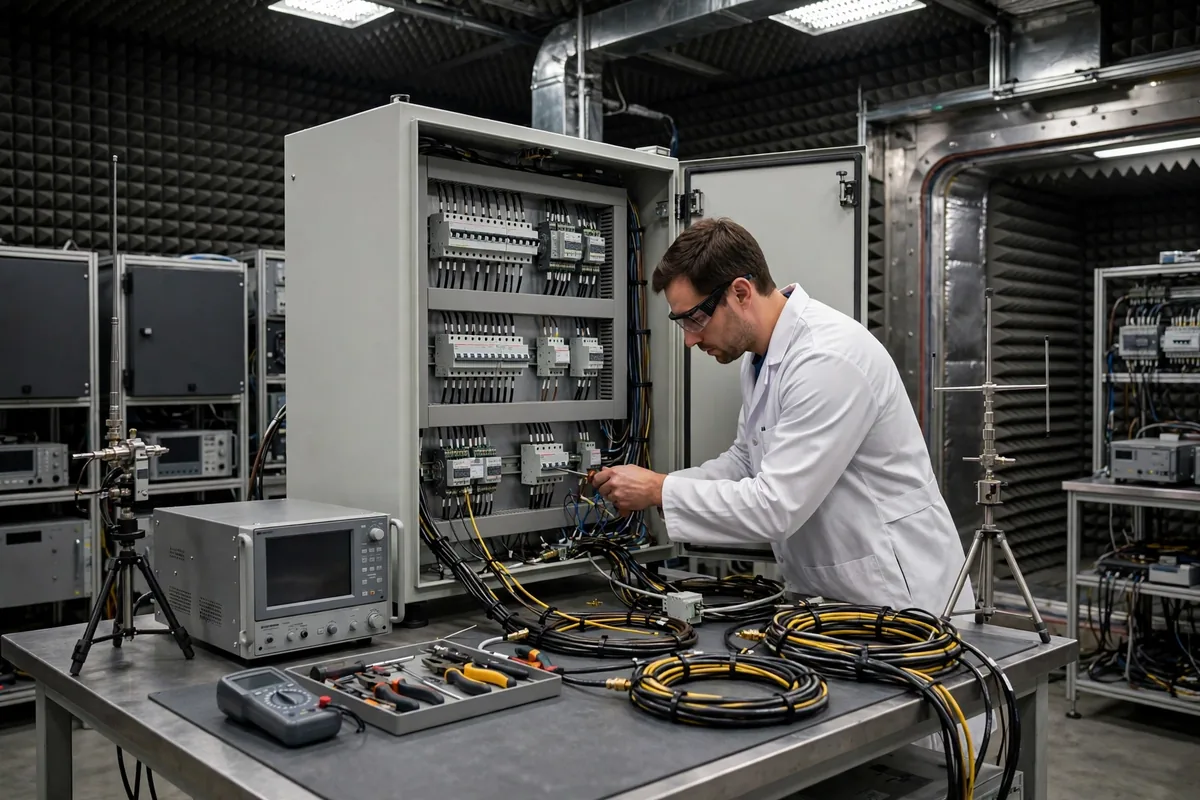
The first gate is certification. The common path is getting the machine listed by an NRTL, a Nationally Recognized Testing Laboratory, and for these trucks the relevant standards often include UL 583. Which standard applies and what tests are required depends on the configuration: lead-acid or lithium battery, how it charges, whether it drives itself. The details and the fees change over time, so check the official sources for the latest policy rather than trusting last year's price from a middleman.
The second gate is documentation. Certificates, test reports, product manuals, and safety information for the battery and charging system — the warehouse and the buyer will ask for all of it. I know a shipper friend who sent two sample units over from China for a trade show. The machines arrived fine, but only half the paperwork came with them, and the English manual was a rough machine translation. The warehouse took one look and shook its head: if something goes wrong with this machine in our building, who takes responsibility? The samples sat in the showroom for a month and were shipped back. The freight both ways was money down the drain.
The third gate is the one people miss most often: getting certified is one thing, and OSHA compliance is another. Certification says the machine itself is up to standard. OSHA governs how you actually use that electric forklift inside the warehouse. A full set of certificates does not mean you can start work the next morning.
Where the Money Really Goes: Do the Math Before You Buy
Most buyers only look at the price of the truck. That's the wrong way to count. Here's an honest breakdown:
| Where the money goes | The trap people miss |
|---|---|
| Truck price | Bare-truck quote; battery, charger, and remote sold separately |
| Certification testing | Charged per test item; fixing a failure and retesting costs extra |
| Shipping and customs | Batteries are hazardous goods with extra transport and clearance rules |
| Document translation | Manuals and warning labels need a compliant English version |
| Warehouse changes | Charging area, travel routes, and rack spacing may need work |
| Training and testing | Operators and maintenance staff need training under OSHA rules |
There is also a steadier way in: rent one unit for a trial period first, and let your operators and maintenance crew run it for real for a few weeks — see whether it fits your racks, your floor, and your workflow. If it works out, buy it; if not, send it back with limited loss. That beats buying outright and discovering the mismatch after the money is spent.
After all these years on the road, I've learned one rule: the truck price is only the first payment. Certification, shipping, warehouse changes, and training add up to real money. If your budget only covers the truck, you will go over budget — count on it. And here's the counterintuitive part: the cheapest quote is often the most expensive one. The items left off the quote come back one by one in the U.S., and what you pay to fix them later is more than what you saved up front.
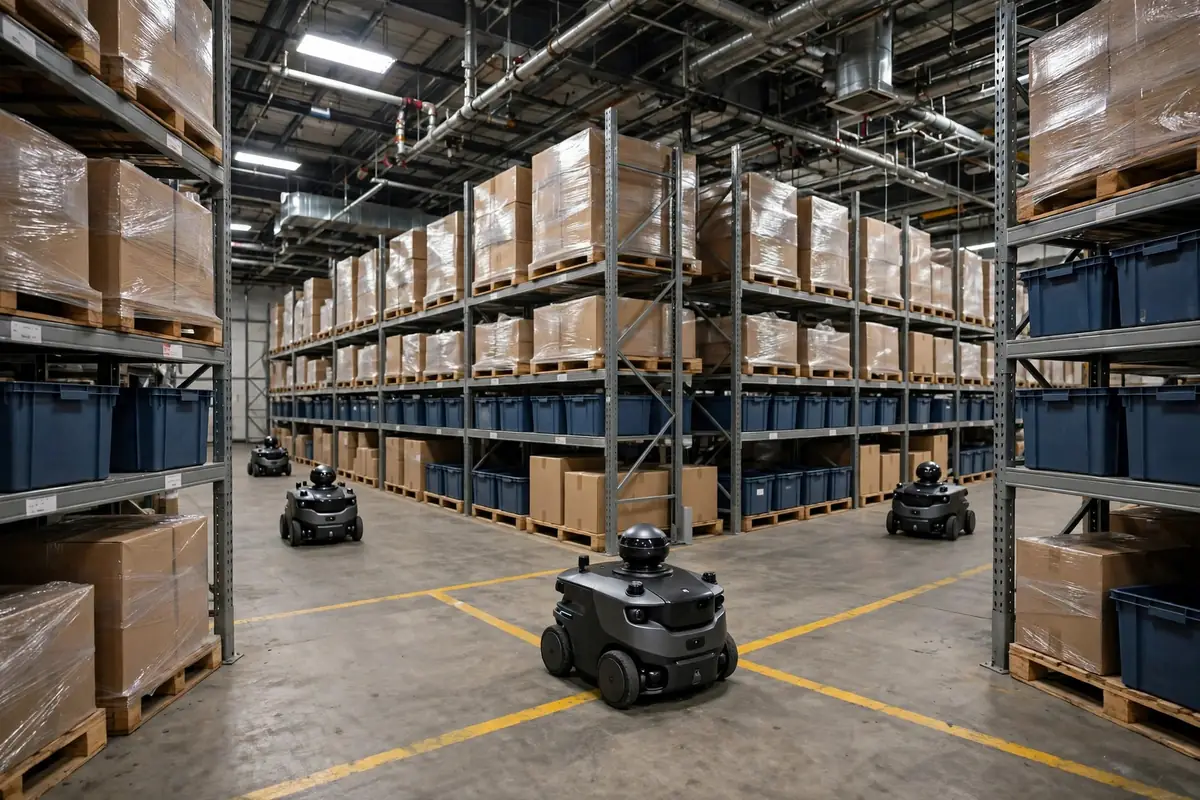
One more thing. A truck that drives itself is not the same as a regular forklift. It moves on its own, it lifts on its own, and the warehouse floor, racks, and aisles have to match. If the floor isn't level, the machine jerks along and its positioning drifts. If the aisle is too narrow, it can't make the turn. I saw a warehouse where the truck arrived and the aisle turned out to be too tight — they had to move two rows of racking to fit it in, two days of downtime, and the loss was bigger than the freight bill. So before you buy, send the warehouse dimensions, floor condition, and rack specs to the manufacturer and get confirmation. Don't wait until the truck is at your dock to start measuring.
The Electric Forklift Is In — and the OSHA Work Has Just Begun
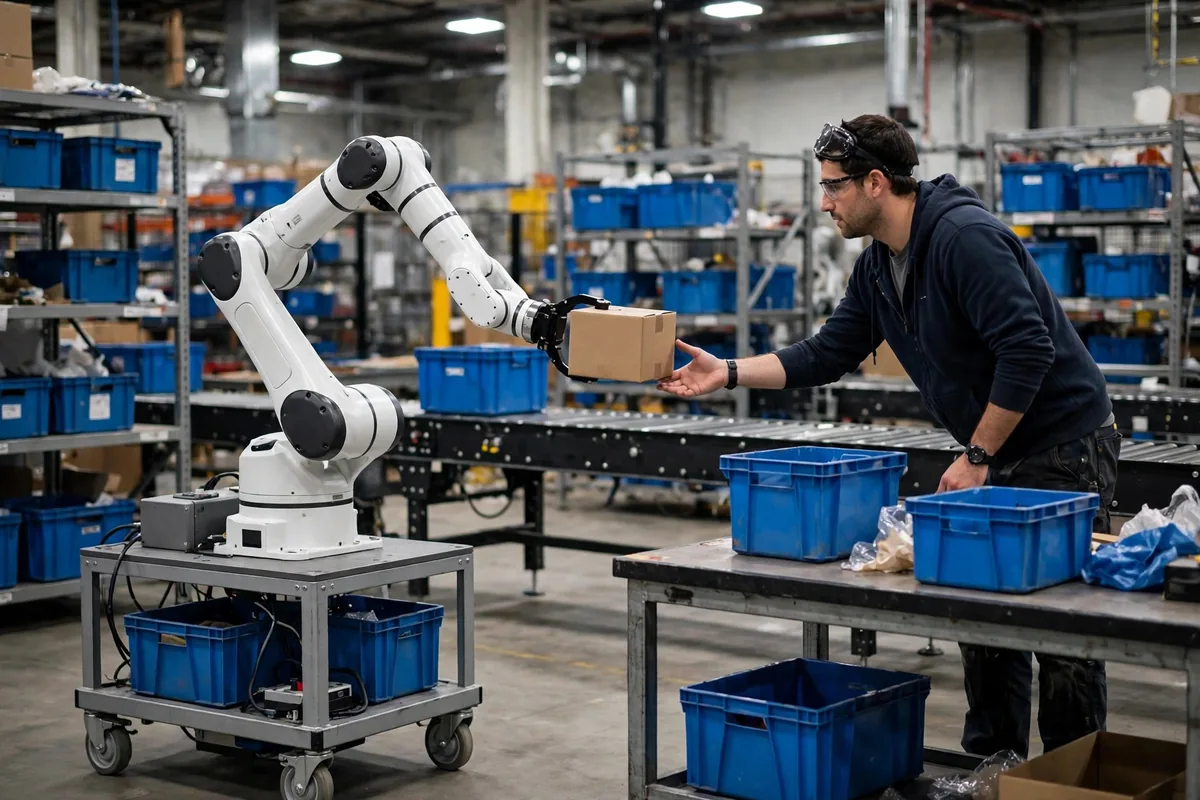
The truck is in the building, the certificates are complete. Can you use it now? Not quite yet. OSHA has clear requirements for operating powered industrial trucks: operators must be trained and evaluated before they operate the equipment, and training covers operation, daily inspection, and battery charging. It may look like it drives itself, but remote operation, handling faults, and managing charging still need a person who knows what they're doing and takes responsibility.
Let me say a bit more about daily inspection. Any truck driver knows the rule: walk around the vehicle before you roll out. Same for a forklift — tires, forks, chains, brakes, warning lights, every day before the shift starts. One of these trucks needs two extra checks: are the sensors clean, and is the self-driving route clear of obstacles? A sensor covered in dust can make the machine misread the road, and that is no small matter.
Then there's charging. The battery and charging area is one of the easiest places in a warehouse for trouble to start. The charging area needs ventilation, needs to be kept away from flammables, and needs clear markings, and someone should be around while charging is under way. Lithium and lead-acid batteries have different requirements, so follow the manufacturer's manual and the OSHA rules for your setup. Don't improvise from experience.
Here's an old saying to close with: the truck is a tool, and the rules are the floor. For an electric forklift entering the U.S., certification is the ticket in, and OSHA is the daily discipline — don't mistake the ticket for a free pass. Get the certificates in order, do the math honestly, and train your people properly, and the machine will earn its keep. Skip any one of those steps to save a little trouble, and the small money you save will come back as a big headache.
By Shifu Zhao, Trucking Veteran (15 yrs)