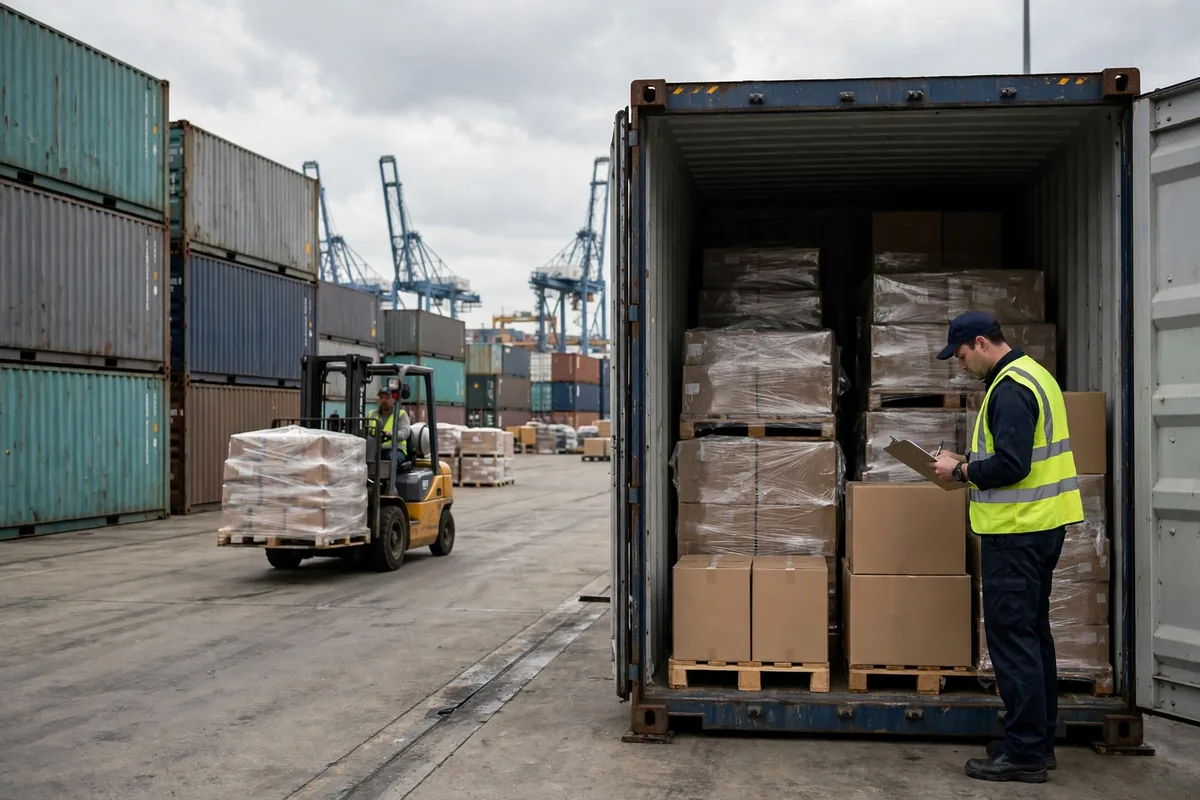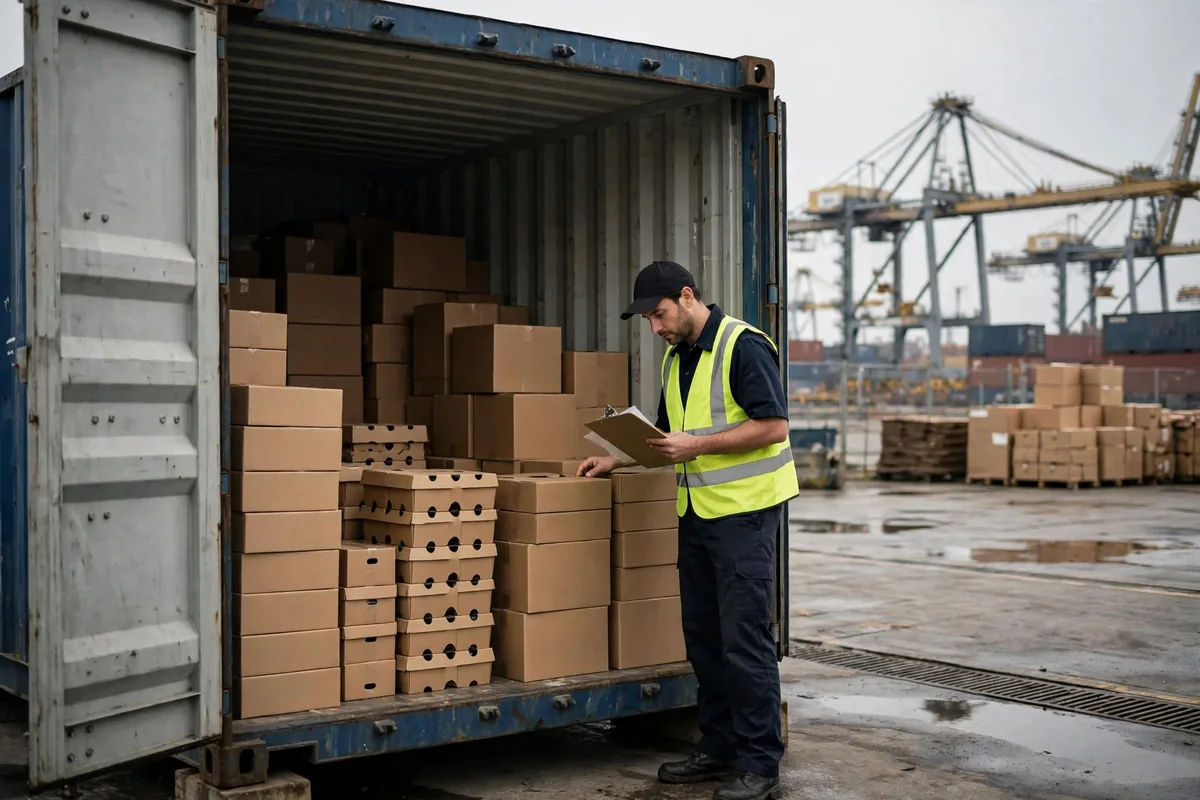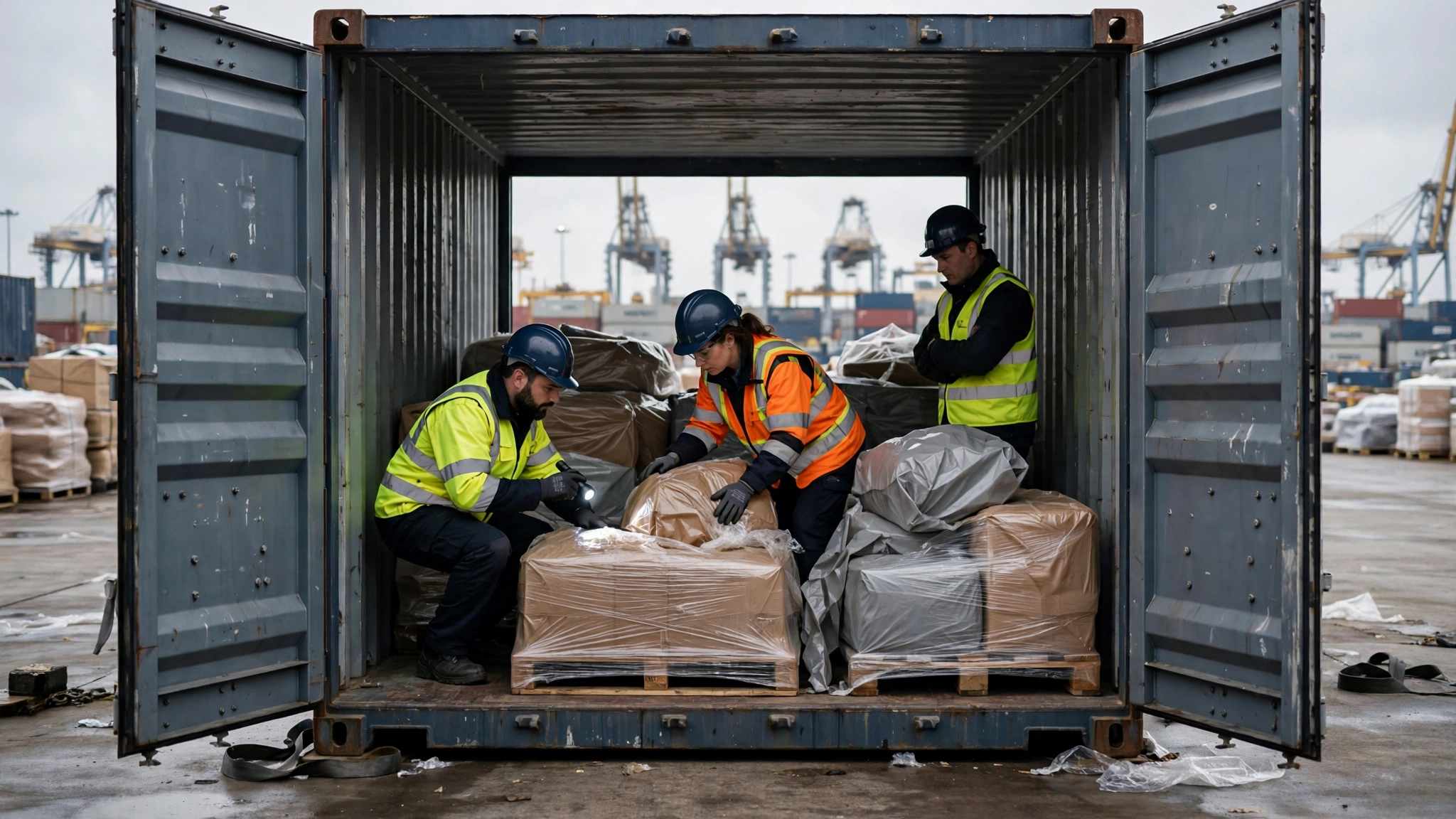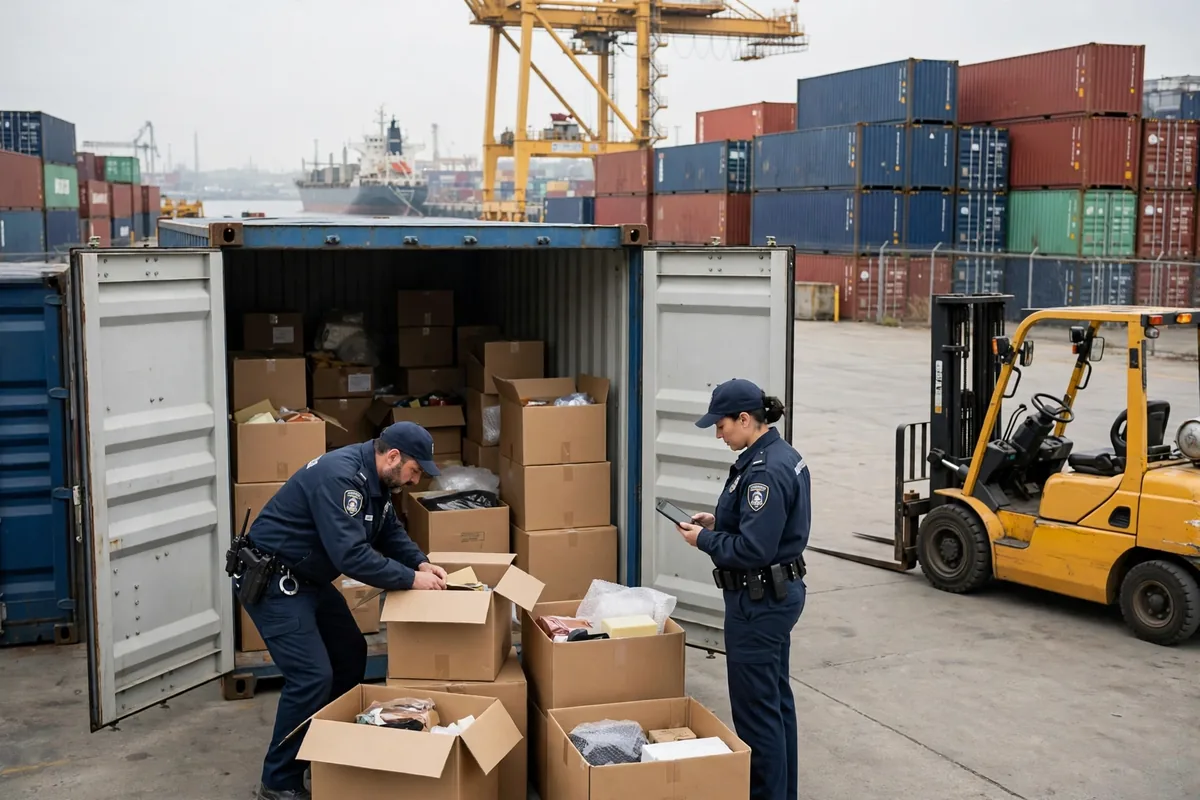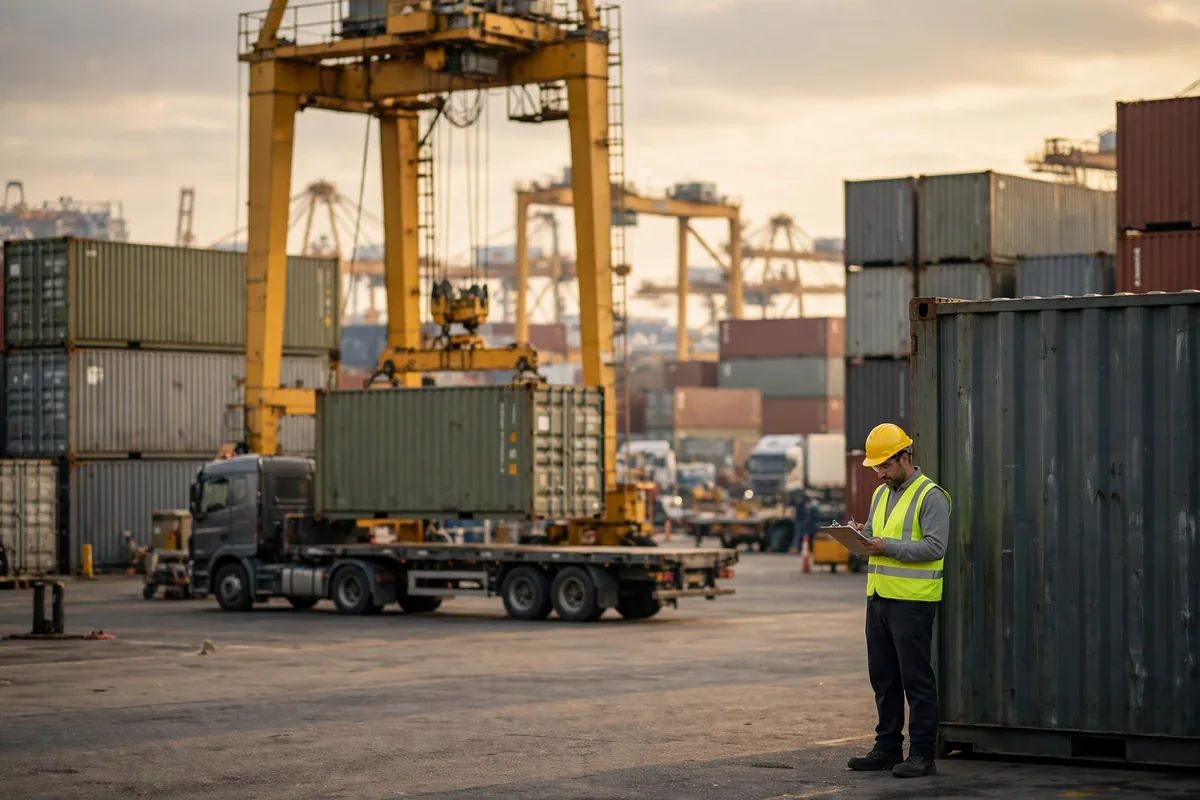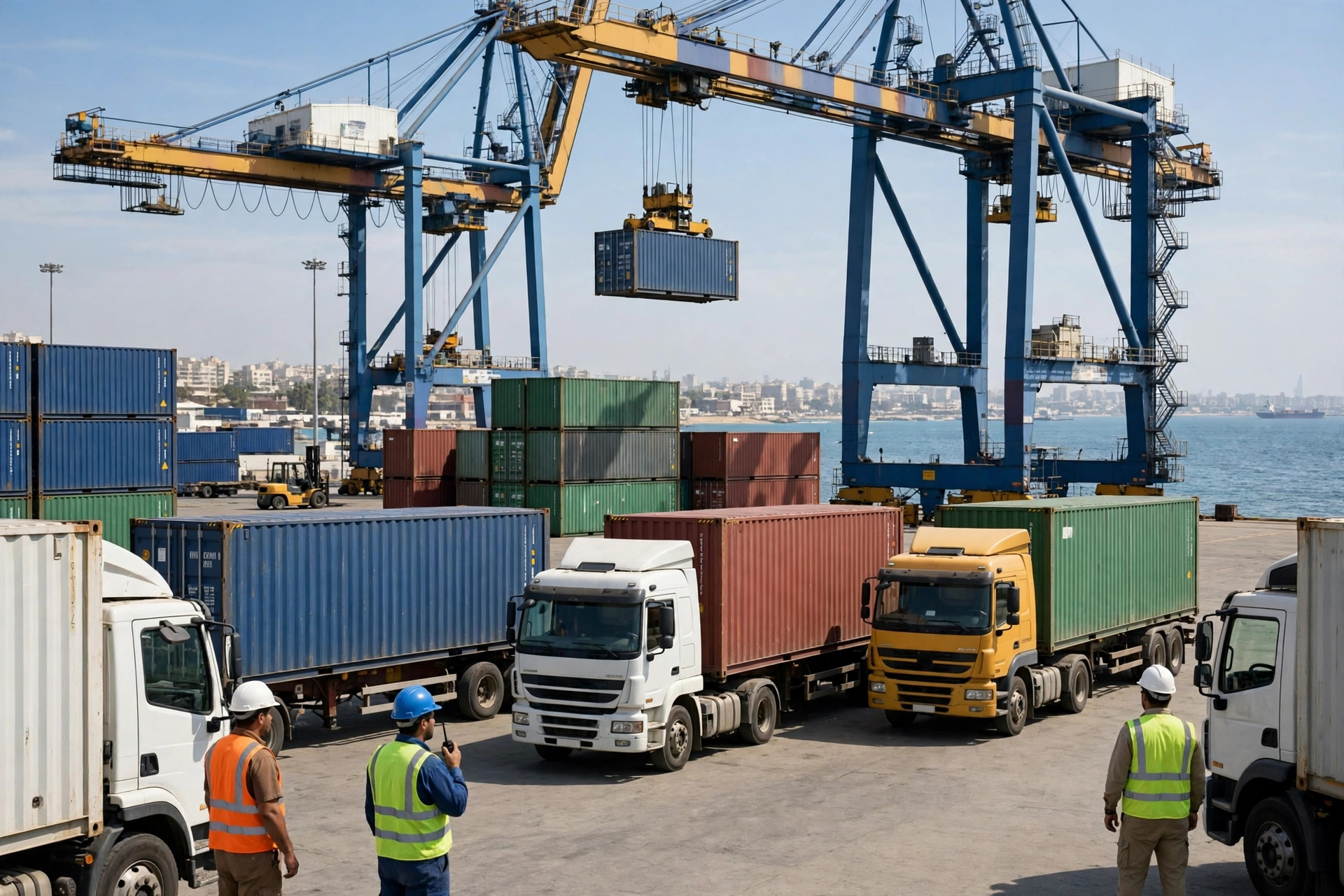
We had a client doing Egypt import customs clearance for the first time last year. Home appliance parts out of Shenzhen, one 40-foot container, bound for Cairo. The vessel was nearly at Alexandria when someone noticed a number missing from the paperwork: the ACID. The carrier would not discharge the box, so it sat outside the port for days while demurrage ticked upward. The client called me and asked, isn't this number something you as the 3PL should handle? My honest answer: this is not a number we can conjure out of thin air. It has to be sorted before the ship sails. With Egypt import customs clearance, most people think the battle happens at the port. It is actually won or lost before departure.
Egypt Import Customs Clearance Is Decided Before the Ship Sails
Egypt's import gate is three pieces working together. NAFEZA is the national single window, where the importer registers and receives the number. ACI, Advance Cargo Information, is the pre-declaration regime: the shipment data reaches customs before the goods leave origin. CargoX is the channel the exporter uses to send documents — invoice, packing list, draft bill of lading, certificate of origin — to Egyptian Customs. The ACID is the number this process issues: 19 digits, one per consignment, one per bill of lading.
The dates matter. ACI became mandatory for sea freight on 1 October 2021, and for air freight on 1 January 2026 after a trial period through 2025. The shipment data must reach NAFEZA at least 48 hours before the vessel departs, and in practice we tell clients to apply five to seven working days before sailing, to leave room for corrections. An ACID is valid for six months, so a long-delayed sailing can mean applying again. A container without an ACID simply does not get loaded, and if one slips through on a mis-declared booking, it is refused on arrival, with return freight and storage billed to the party named on the bill.
We had another client learn this the expensive way. In late 2024, a supplier uploaded documents to CargoX with one digit of the ACID wrong, so the invoice and the bill of lading did not match. The customs system blocked the file, the box sat at the port for a week, and the client's Cairo warehouse waited with an empty receiving dock while a production line nearly stopped. It was only released after the supplier re-filed the documents and the process ran again. The lesson is simple: the ACID is not just a number to fill in. It must match character for character across the invoice, packing list, certificate of origin and bill of lading, checked before departure, because fixing it at origin is far cheaper than fixing it at the port.
One document people often miss: for imports valued above USD 2,000, the bank issues a Form 4 for the import payment, and payment and clearance are linked. The exact procedure depends on the bank, so confirm it with the bank and check the official guidance before the vessel sails, not after it arrives.
Pickup in Egypt: Alexandria Hands You the Box, the Job Is Half Done
Alexandria is Egypt's main Mediterranean gateway, the default arrival point for cargo heading to Cairo and the Nile Delta. Local forwarders credit it with roughly 60% of the country's trade volume, and the port runs tight, with no room to absorb other people's delays. Once the vessel berths, a licensed customs broker files the declaration against the ACID on NAFEZA. Customs assigns a risk lane: green releases on the filed data, yellow stops for a document check, red means inspection, with X-ray and sampling for food and cosmetics. Duties and taxes are settled, and only then is the cargo released for delivery out of the port.
Allow more time than the sailing schedule suggests. One forwarder's rule of thumb is five to ten working days from discharge to release for a clean file, longer around public holidays. Shippers in a hurry trip over this again and again: the schedule says arrival on Tuesday, so they book the warehouse receiving slot for Wednesday, and then the box is still in customs hands, the truck runs empty, and the whole inbound plan unravels.
How do you pick a broker? I look at two things: a valid license, and whether they will build your file and pre-check the documents before arrival. A broker who only starts reading your paperwork after the vessel berths might quote a lower fee, but I would not recommend them to a client. What you save on the agency fee does not cover a single day of demurrage.
The handover from port to warehouse is where disputes are born. Our standing routine: the truck checks the seal first, and if the seal number does not match the bill of lading, nothing gets unloaded until photos are taken and someone is called. Unloading is counted box by box, damaged outer cartons go to one side, and everything is written on the handover sheet with photos attached and both sides signing. One shipment paid for this routine: two cartons of parts arrived water-damaged, and with photos and a signed handover sheet the claim went through. Without that sheet, once the goods are inside the warehouse, nobody can say whose damage it was.
Egypt Import Customs Costs: Agree the Money in the Contract, Not After
On the tax side, the numbers are published: Egypt charges 14% VAT on imported goods, and customs duty follows the HS code, with the exact rate depending on the product, so confirm it against the latest official tariff before quoting a landed cost. What really hurts the client is rarely the tax. It is time. Every extra day the box sits in the port adds demurrage, storage and inspection charges, and an opened inspection means labour and devanning costs on top. If the contract does not say who pays for those, the argument lands after the invoice does.
Here is a worked example, clearly labelled as a hypothetical, to show the tax structure. Assume a shipment valued at USD 50,000 with a duty rate of 10%: duty comes to USD 5,000. VAT is charged on the value plus duty, so USD 55,000 at 14% is USD 7,700. The two taxes together are USD 12,700. Inspection, demurrage and port charges are not in this table, because they depend on how many days your box spent in the port and how many times it was opened, so take them from the actual invoice and the latest official policy. The point of the table is one thing only: tax can be calculated, time cannot, and controlling time is controlling cost.
Here is the counterintuitive part. Most importers spend their energy trying to shave the duty rate, but the room to move there is small, and the big money sits in the process. File the ACID early, check the documents before departure, and have the broker's file ready before arrival. Those three steps can save three days in the port, and the demurrage saved can easily exceed whatever you squeezed out of the duty line. The leverage is not in the tariff table. It is in the timetable.
Next time you negotiate a contract, ask these three questions: who files the ACID, and how many days before sailing will it be in hand? Who covers inspection and demurrage charges, and what is the cap? And what exactly goes on the handover sheet between port pickup and warehouse receiving? Get those three answered in writing, and half the risk in Egypt import customs clearance is already locked into the contract.
By Susan, 3PL Sales Director