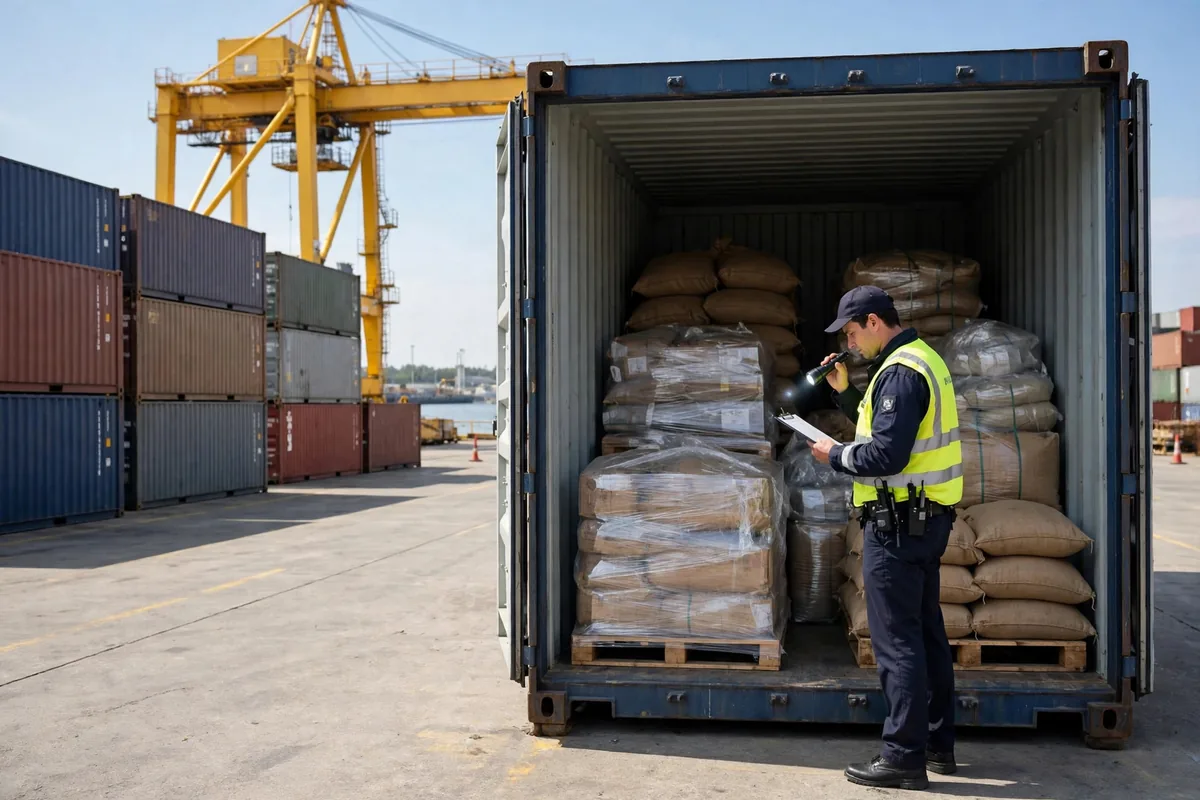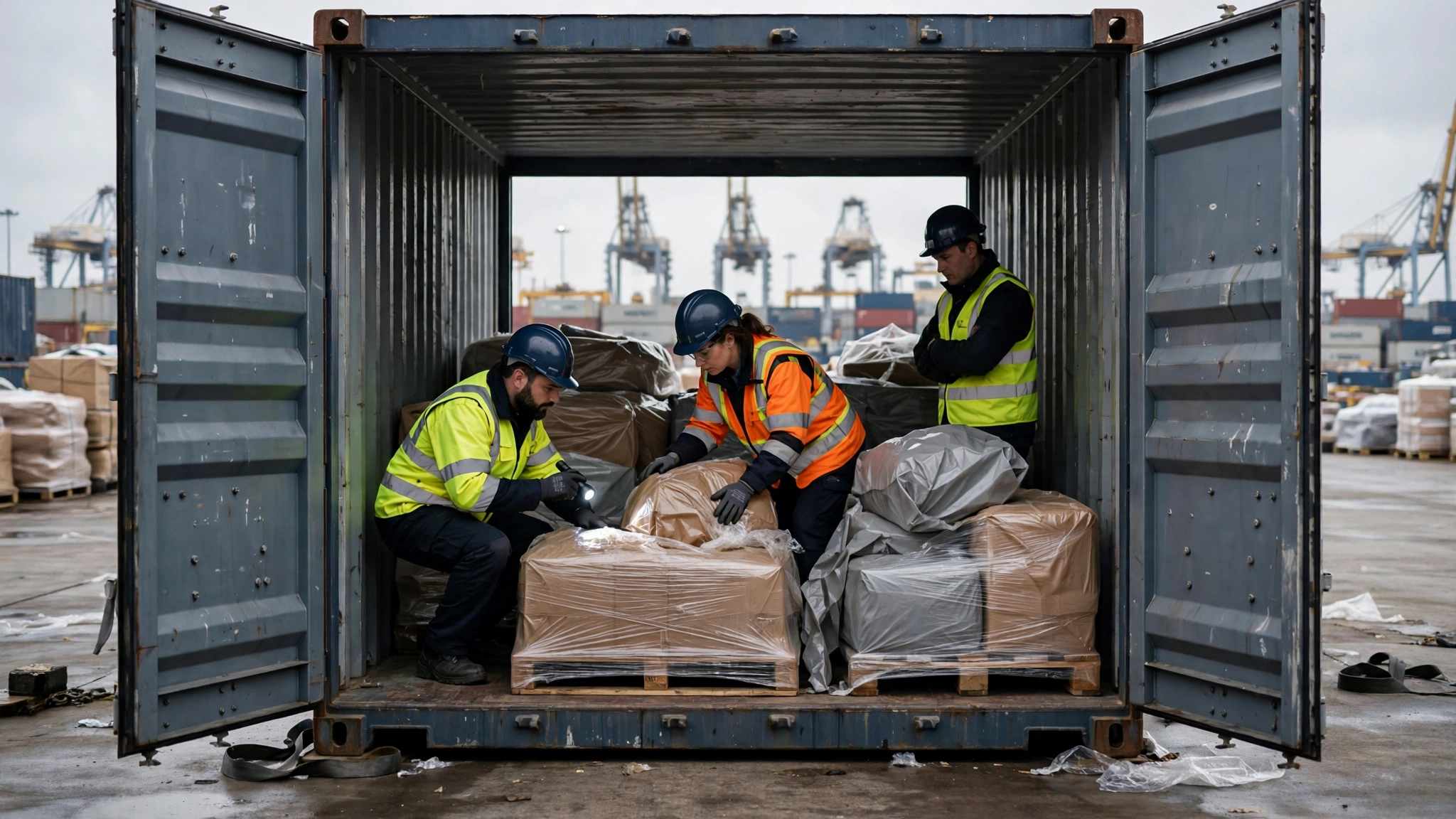
We had a client, a home-goods importer, who picked his first customs broker on price alone. The first shipment arrived, the broker classified the goods under the wrong code, and the shipment sat a full week while they sorted out back duties and penalties. When the client did the math afterward, the money he saved on brokerage fees did not cover a fraction of the fine.
To an outsider, a customs broker looks like someone who fills out forms. Insiders know a broker is the gate between your cargo and Customs. Pick the wrong gate and your freight does not get in, and your money goes out in ways you cannot explain. In the United States, a licensed customs broker must hold a license — not a title anyone can print on a business card. But a license alone is not enough. Before you sign, run through these five checks, one by one.
Check one: is the customs broker's license real, or borrowed
First, verify the license. A U.S. licensed customs broker must hold a license issued by Customs and Border Protection, and there is a difference between an individual license and a corporate license. The company needs one, and the person actually handling your entries needs to be licensed or working under the supervision of a licensed broker. Do not take their word for it when they say they are licensed. Ask for the license number and verify it yourself.
We had a client who learned about borrowed credentials the hard way. The broker's business card carried a license number, but six months into the relationship he discovered that the number belonged to the owner alone. The person actually processing his entries was a newcomer, six months on the job. By the time the client found out, three shipments had classification problems.
My verification method is direct. First, ask for the license number and check it yourself. Second, ask who exactly will handle your entries, how many years they have worked, and whether they have handled your product category before. Third, ask whether the firm has ever been penalized or had a license suspended. If the broker dodges any of those three questions, you can move on. Credentials are worth one extra question now, because there is no fixing them after the fact.
Check two: what the quote leaves out is what costs you
Brokerage quotes are some of the murkiest pricing I have seen in this business. The cheapest quote often lists a single line: the brokerage fee. Then, once you start working together, document fees, system fees, exam coordination fees, and amendment fees start appearing. Add it all up and the cheapest broker turns out to be the most expensive.
I have signed over a hundred warehousing and logistics contracts, and I have developed one habit: when I get a quote, the first question is always what fees are not on this page. A reliable broker explains the fee structure clearly: which charges are fixed, which are per entry, and which only apply when triggered.
My advice is to compare quotes on a full-entry basis, from vessel arrival to release, not on a single line item. Take a sheet of paper, list broker A's charges on one side and broker B's on the other, and ask what triggers each charge. When does an amendment fee apply? How is exam coordination billed? Do weekends and holidays cost extra? Only when you have asked all of that can the two quotes sit on the same table.
One more detail: ask about payment terms. Some brokers require duties prepaid before arrival. Some will advance them. Advancing sounds convenient, but the limit and the conditions need to be in the contract. Otherwise, when your volume grows, the broker cannot keep advancing, and your cargo waits at the port.
Check three: when something goes wrong, can you reach a human
In this business, when nothing goes wrong, every broker looks good. The real test comes when Customs holds a shipment, orders an exam, or asks for additional documents. At that moment, when you call, does someone pick up immediately, or do you hear back the next day?
We had a client whose cargo was pulled for exam at the Port of Los Angeles. The broker handling his entries happened to be on vacation, and the substitute knew nothing about the shipment. The documents the exam required took two extra days to deliver. Two days of port charges, ticking up daily, and the client ended up flying to Los Angeles to watch over it himself. After that, he added a requirement to his broker selection: there must be a backup contact, and there must be an exam response process.
My test is to ask three scenario questions before signing. If a shipment gets examined, how fast do you respond? If Customs asks for more documents, who collects them and who files them? Is anyone on duty on weekends and holidays? A reliable broker has ready answers to all three, sometimes a written process.
Here is the counterintuitive part. Many people pick a broker by size, assuming a big firm must be reliable. But I have seen big firms where a large client base means slower response for any single client, and small firms where the owner handles entries personally and answers at midnight when something goes wrong. Size is not the standard. Response is. Before signing, make two test calls: one during business hours and one after hours. Check the speed and the professionalism of the answer. That tells you more than any company brochure.
Check four: can your customs broker's systems connect — and are the red lines agreed
Can their systems connect with your business Brokerage is not a one-time form. Data has to flow. Your cargo leaves the port of origin and the broker starts preparing. Before the vessel arrives, the documents have to be ready. After release, the data has to flow back into your system for reconciliation. If a broker still moves data by email and spreadsheets, mistakes are only a matter of time.
I tell clients to get answers on four questions before signing. What system does the broker use, and can it connect with yours, or is email the only channel? Can you track your shipment's status in real time and see for yourself where it stands? When something goes wrong, does the system keep an audit trail you can follow? And can historical data be exported, so that if you change brokers, your data comes with you?
That last question matters more than people think. I have seen clients try to switch brokers and discover that all their history lived in the old broker's system and could not be exported. The new broker had to start from scratch. Agree on data ownership at the start and put it in the contract: the data is yours, and it must be returned when the relationship ends.
Systems matter for another reason too: data accuracy is compliance. A wrong classification code, a wrong country of origin, a wrong declared value, once those errors enter the Customs system they are painful to fix.
Agree on the red lines before anything goes wrong Before the relationship starts, a few red lines have to be stated plainly and written into the contract.
First, the compliance red line. A broker must not change a classification or a value to lower your duties. That sounds obvious, but it happens. Some brokers hint at flexibility to keep a client, and that flexibility costs you your compliance record. When Customs finds out, the importer gets fined, not the broker. Ask before signing: what is the basis for your classification decisions, and for a disputed classification, will you seek a binding ruling from Customs first?
Second, the liability red line. When something goes wrong, who pays? A wrong classification, documents filed late, demurrage from a delay, all of that needs to be in the contract, not left to verbal promises. A reliable broker is willing to put liability in writing. One who is not usually knows why.
Third, the exit red line. How does the handover work when the relationship ends? Who finishes the entries in progress? How quickly is the data returned? How are deposits and prepayments refunded? Do not wait until the breakup to discuss these. Agree at the start and the breakup stays civil.
I often tell clients that choosing a broker is a little like dating: everything looks good at the start, and you only learn the truth by living with it. But a broker relationship has one safeguard dating does not: the contract. Run the five checks, write the red lines into the contract, and then start working together. Next time you negotiate, remember to ask three questions: what is the license number, what fees sit outside this quote, and who do I call when something goes wrong?
By Susan, 3PL Sales Director