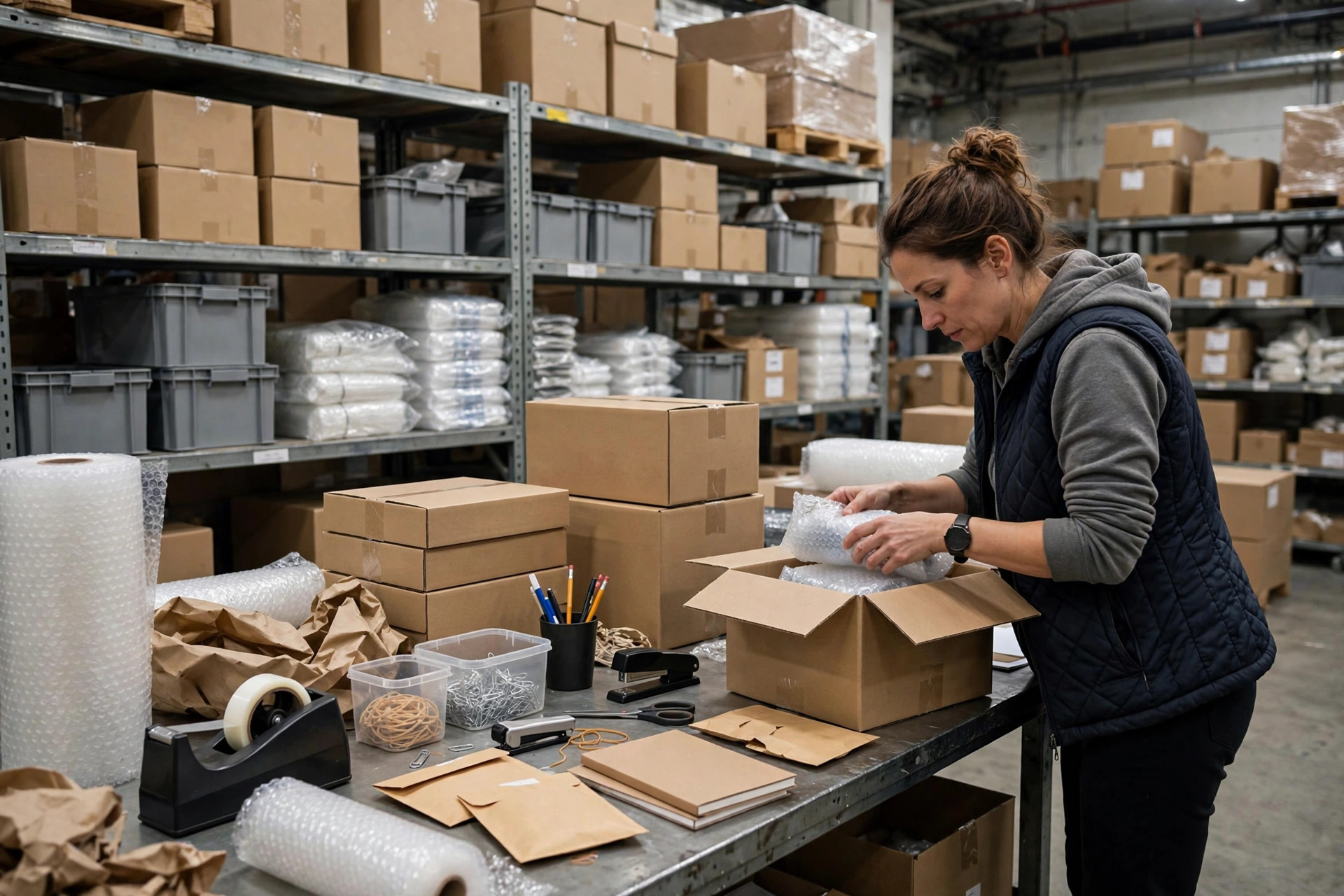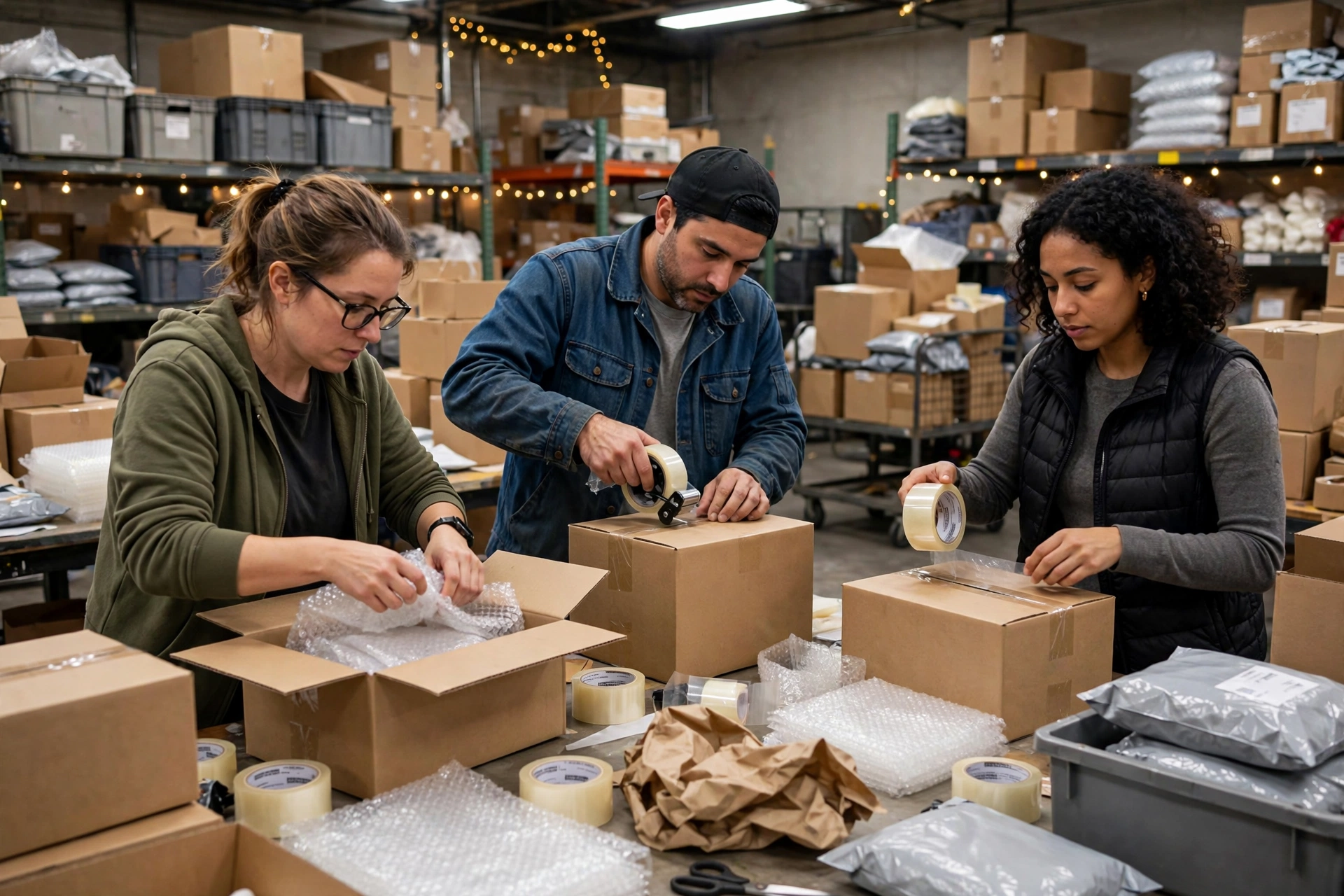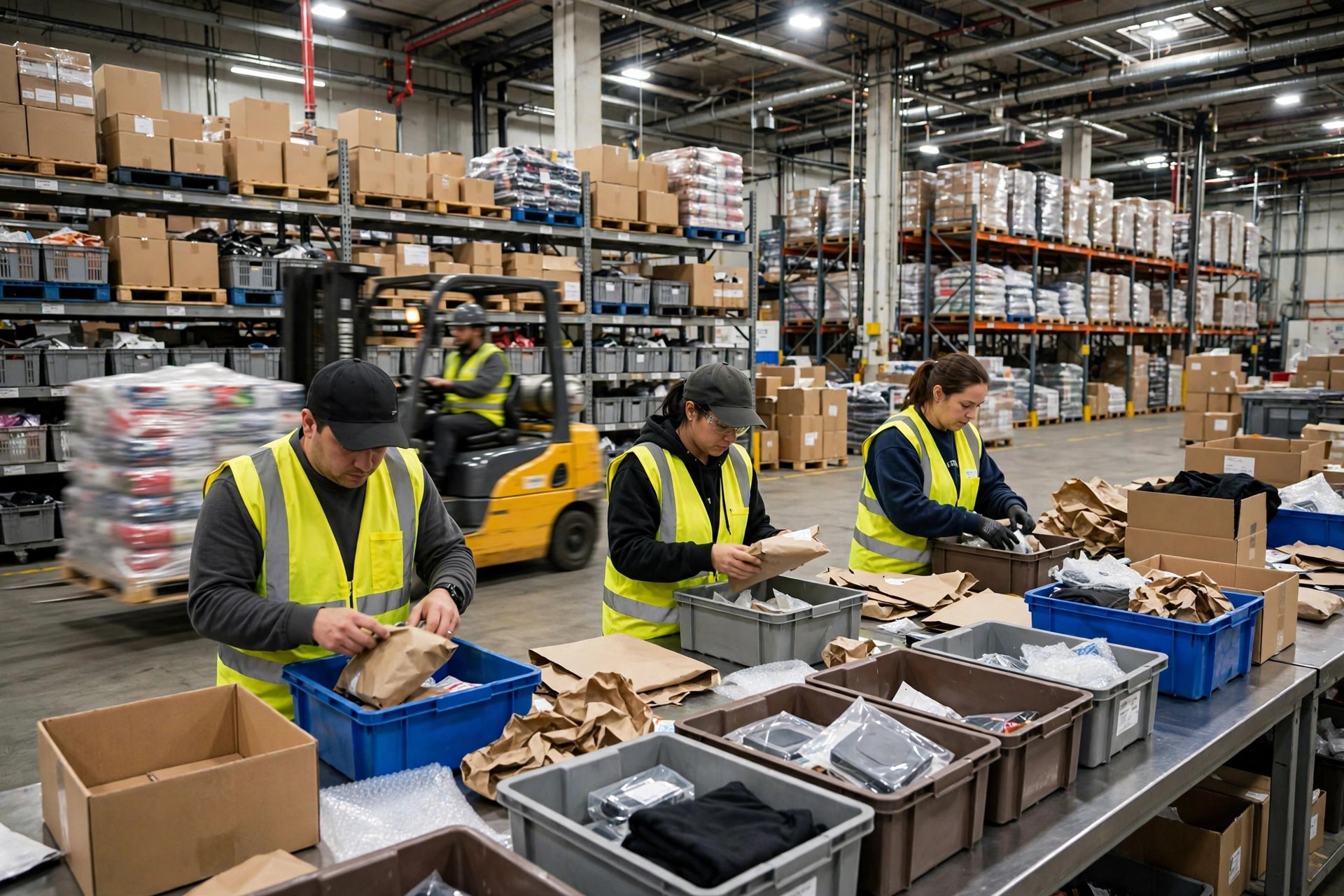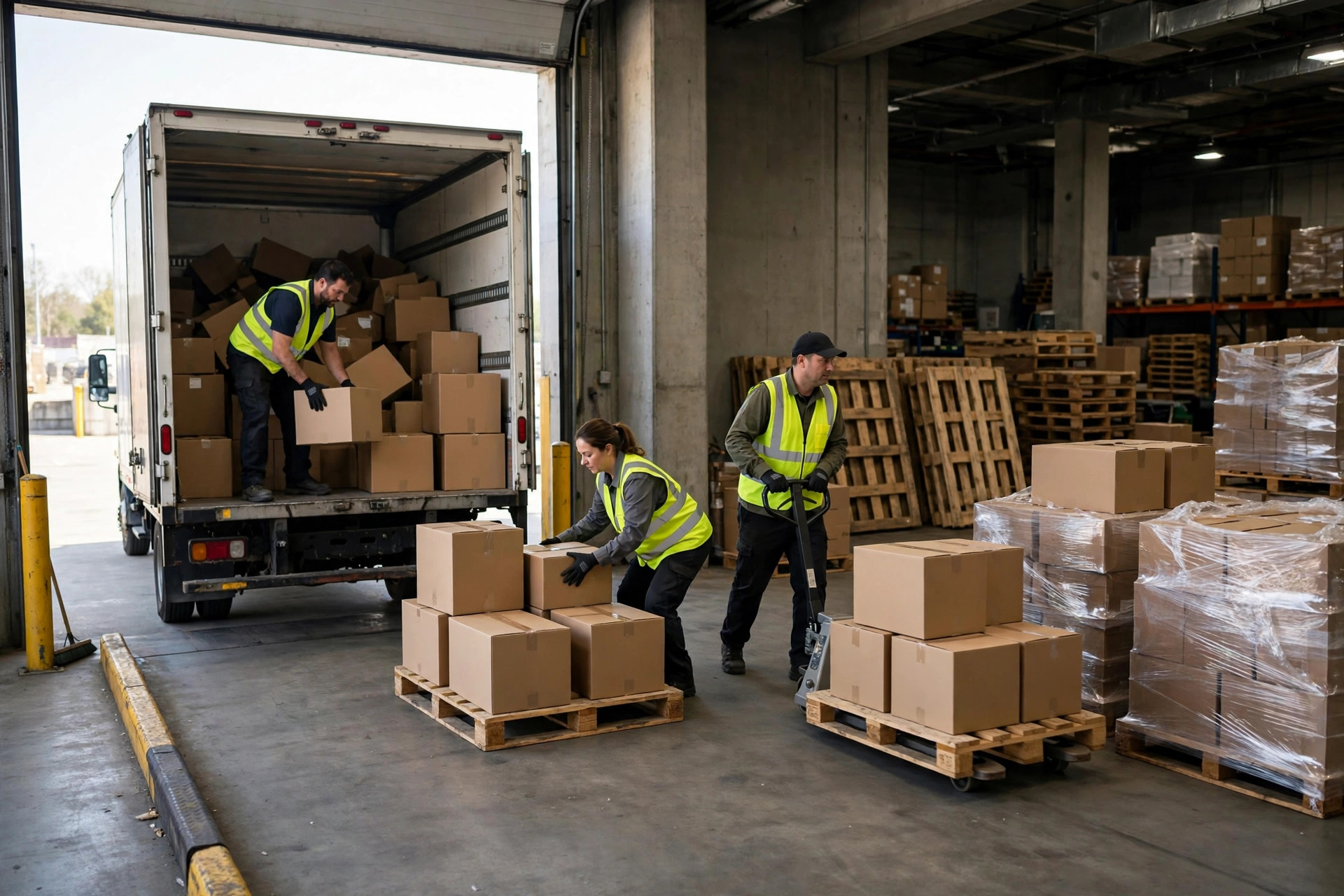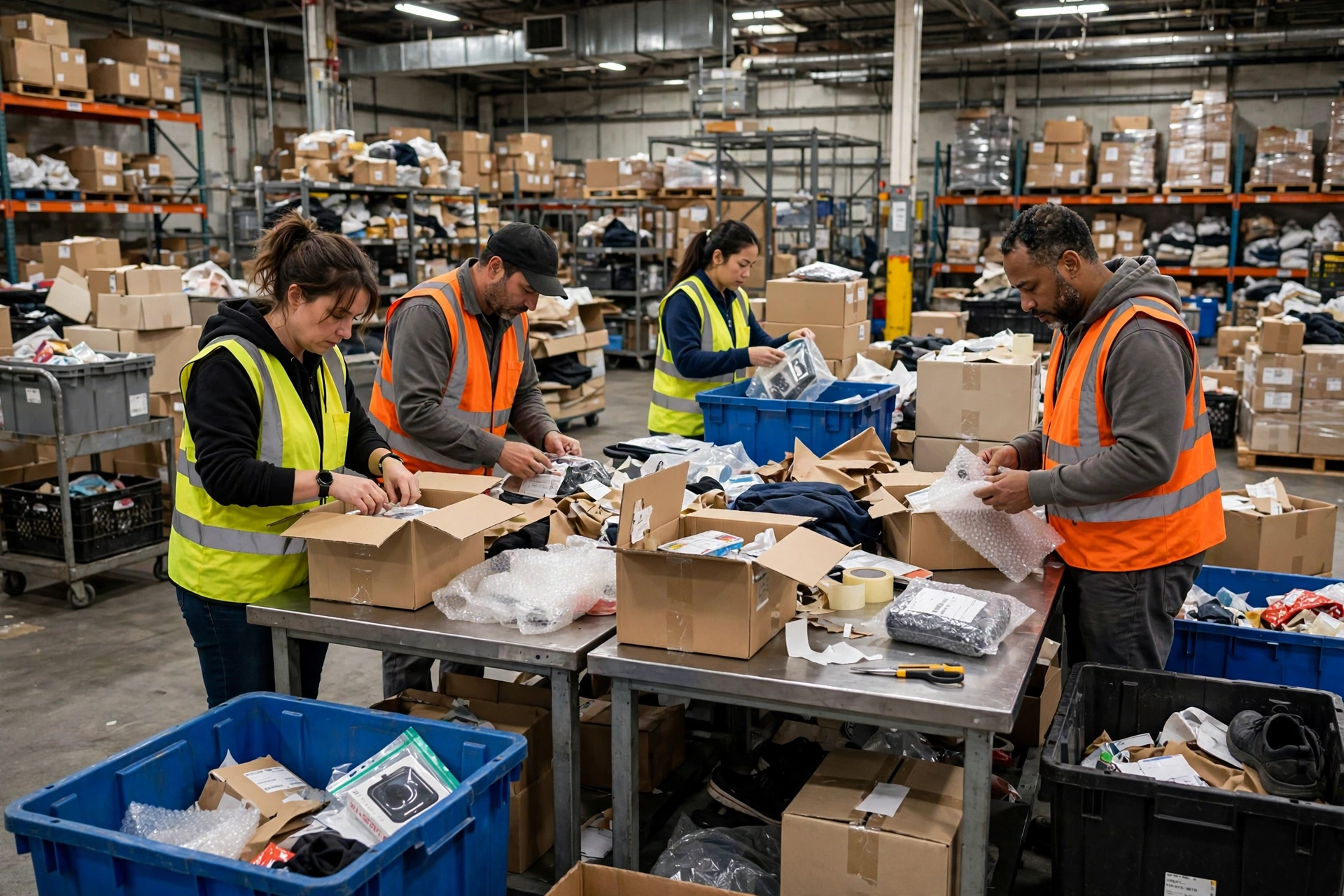
Last month I was going through the books and just stared at one line for a while: $12,000 in a single month, burned on "pick up the returned stuff, look at it, and figure out what to do with it." I was stunned. A chunk of the money I make selling gets quietly eaten by the returns operation.
Returns are unavoidable in ecommerce. Platforms keep loosening return policies, buyers return more freely. But returns processing cost? That you can squeeze. Over the past year I tore down and rebuilt our returns workflow, and got per-unit processing cost from over $6 down to $2.80. Here are the 5 moves that actually worked — all tested in my own shop, ready to steal.
Move 1: Grade everything, get A-grade back on the shelf in 24 hours
First thing when a return lands: grade it. Keep it simple, four buckets: A = like new, resellable (packaging untouched); B = damaged packaging but product fine; C = minor defects but functional; D = dead, write it off.
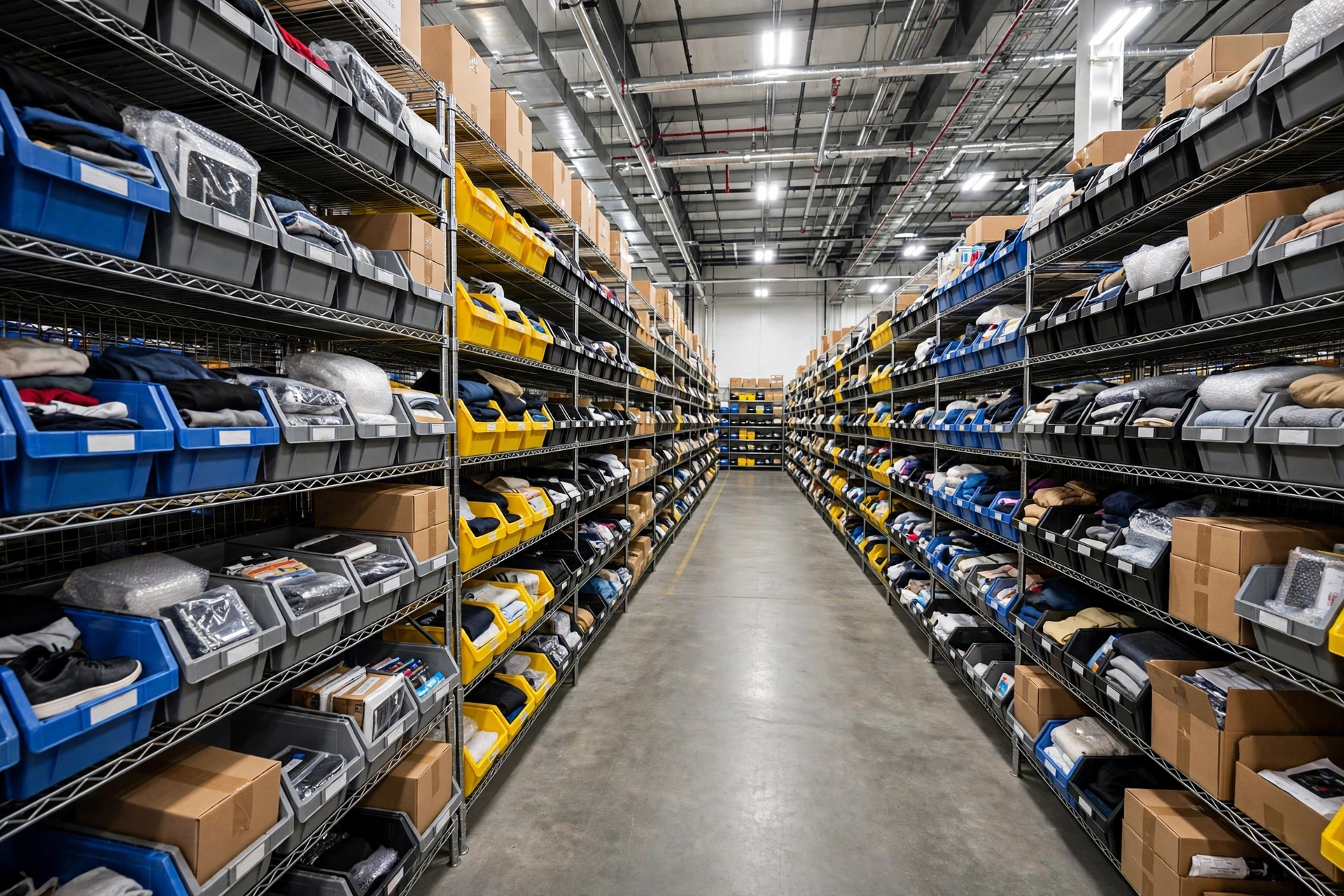
Speed is the whole game. A-grade items go back on the shelf within 24 hours. We used to let returns pile up in a corner — average 11 days before anyone touched them. A $40 item sitting for 11 days: cash tied up, listing out of stock, ads still burning. Losing on both ends. Now the grading station sits right next to receiving, A-grade goes back same day, and our sellable inventory turns way faster.
Real numbers from my shop: roughly 40% of returns grade out as A. If those sit, 40% of your returns are just burning cash flow for nothing.
Don't overcomplicate B-grade refurb either: fresh poly bag, new label, throw in the manual, done. Our rule: if refurb cost exceeds 15% of the selling price, downgrade it to C and move on. And don't just dumpster D-grade — local charities will take some of it, which saves disposal fees and clears the warehouse.
Move 2: Tag every return reason, feed it back to the listing
Every return gets a structured reason tag in the system: runs small, color mismatch, quality issue, wrong item ordered, shipping damage. Not "customer didn't want it" — that's useless. Structured tags.
Then check the report weekly: highest return-rate SKUs, most frequent reasons. Last year one of our dresses had nearly 30% of returns tagged "runs small." We added the model's height/weight and flat-lay measurements to the listing. Two months later that SKU's return rate dropped from 14% to 8%.
Do the math this way: cutting the return rate by 1 point at the front end is worth more than cutting processing cost by 10% at the back end. Because the front end eliminates the return itself — the shipping, the handling, the markdown, all of it.
Move 3: Turn the returns station into an assembly line, with a stopwatch
A lot of small sellers process returns like this: boxes piled on the floor, whoever's free deals with one when they can. That "workshop mode" is the most expensive way to do it.
Build one standard station: scan → unbox → inspect → grade → label → restock or divert, one flow. Time each step. We started at 9 minutes per unit; after smoothing the flow and the station layout, we're under 4 minutes. At $18/hour warehouse labor, that's per-unit labor cost dropping from $2.70 to $1.20.
Don't scoff at a few minutes. 800 returns a month, 5 minutes saved each — that's 66 labor hours. More than a full headcount.
Move 4: Don't bother returning cheap stuff — just cut your losses
Here's the counterintuitive one: some products aren't worth having back.
Low-ticket items where return shipping eats the margin — the freight plus processing can exceed the product's value. Where platform policy allows it, do "refund without return" (check each platform's current policy). We sell a $9.99 phone case; getting it back costs $6 in shipping and handling, and it comes back as B-grade selling at half price. Pure waste. Now we just refund — and the buyer left a five-star review. Can you believe it?
And don't let C-grade sit in the warehouse collecting dust. Once you've got enough, bundle it into lots and sell to liquidators or local discount stores at 20–30 cents on the dollar. We have two local discount stores on a standing monthly pickup — the price is low, but the cash comes fast and the space frees up. One rule: never let processing cost exceed residual value.
One more trap: some platforms default returns to their own warehouses, so sellers never even see the product — no grading, no refurb, nothing. Check your store settings and route returns back to your own warehouse, or at least pull high-value SKUs back for in-house processing. Most sellers never check this setting.
Move 5: Price every disposition path
This last move is the master rule: put a price on each path, and anything below a residual-value threshold automatically goes the cheap route. No gut calls by the staff.
Here's our actual cost table (small California warehouse, in-house labor):
| Disposition path | Fits | Cost per unit | Recovery |
|---|---|---|---|
| A: restock & resell | Packaging intact | ~$2–3 labor | Full price |
| B: light refurb | Repack / replace accessories | ~$4–6 | 70–80% of price |
| C: bundle & liquidate | Functional but rough | ~$1/unit to bundle | 20–30% of price |
| D: scrap / donate | Beyond repair | ~$1 disposal | $0, but saves warehouse space |
The decision logic is dead simple: estimated residual value minus disposition cost — pick the bigger number. Residual under $5? Straight to C or D, no hesitation. Print this logic on a sheet, tape it to the grading station, and a new hire can run it on day one.
Two uncomfortable truths
First, the most expensive return is the one sitting still in the warehouse. Tied-up cash, warehouse rent, listing going out of stock — triple bleeding. Processing speed IS cost.
Second, no matter how good your returns operation gets, it's just damage control. The real cost reduction happens at the front end: clear listings, accurate size charts, video that shows the product honestly. One point off the return rate beats six months of back-end optimization.
These 5 moves ran in my shop for a year. Monthly returns-processing cost went from $12K to just over $5K. No fancy systems — just grading, tagging, a proper station, and doing the math. Returns isn't about who has the bigger warehouse. It's about who's faster and who knows their numbers.
Tested it myself, works like a charm. Give it a shot.
By Ah K, E-commerce Seller (5 yrs)