Duty drawback came up the way it always does: a Denver seller of outdoor gear, who brought in two containers of camping lights in 2024, paid the duties, and later re-exported the unsold remainder to Canada. A month after the goods left, he asked me whether any of that duty could come back. Yes, it could. Duty drawback exists for exactly this: duties and fees paid on import can be refunded, up to 99%, when the goods are later exported or destroyed under CBP supervision. But he ended up recovering less than half of what he was owed. The problem was not the program. It was that he filed from an inland warehouse, and his paper trail had two breaks in it, plus a timeline that ran late.
The basics first. The program is run by U.S. Customs and Border Protection under 19 U.S.C. 1313, and every claim is filed electronically through CBP's ACE system — paper filing is no longer accepted. Three clocks matter: the goods must be exported or destroyed within five years of import, the claim must be filed within five years of import, and the records must be kept for three years after the claim is liquidated. Rejected merchandise has a separate three-year window; check CBP's current rules for the provision that applies to you. The 99% figure is real, but it is a ceiling, not a guarantee. To reach the ceiling, the paper trail has to be airtight from the day the goods arrive.
Duty drawback from inland: the paper trail is a leg longer
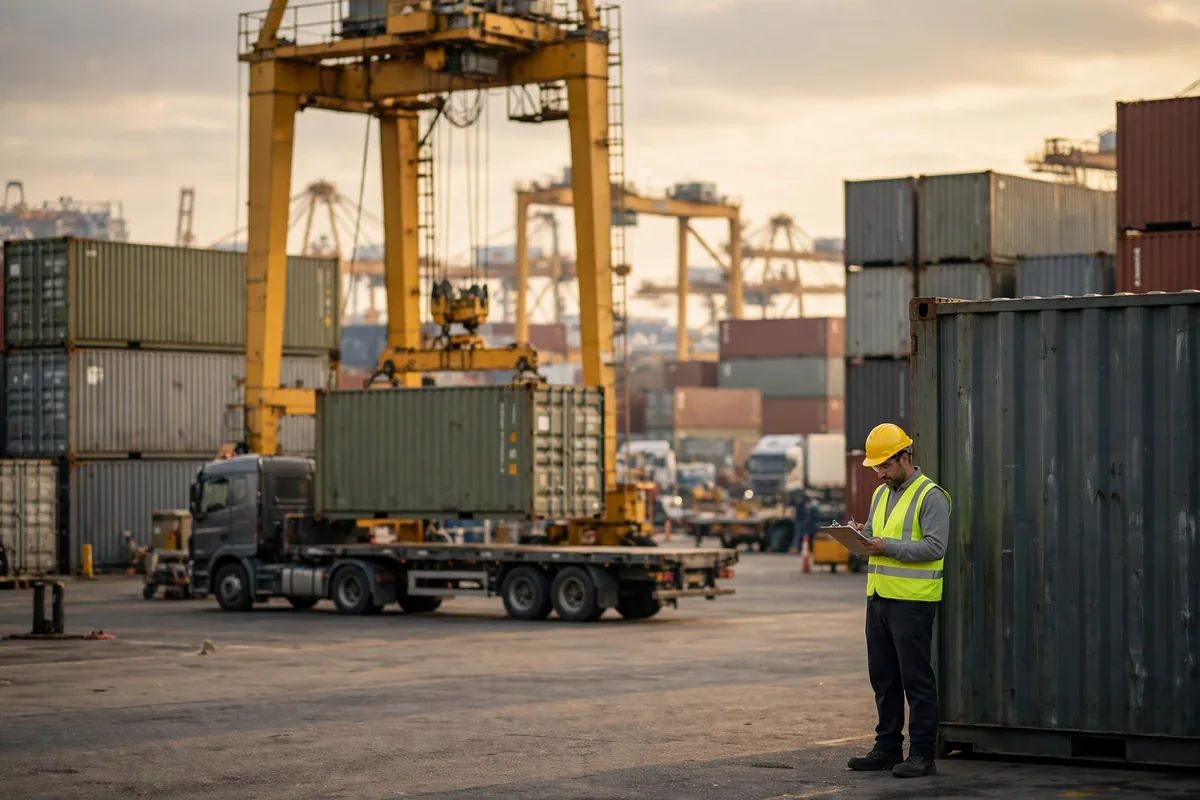
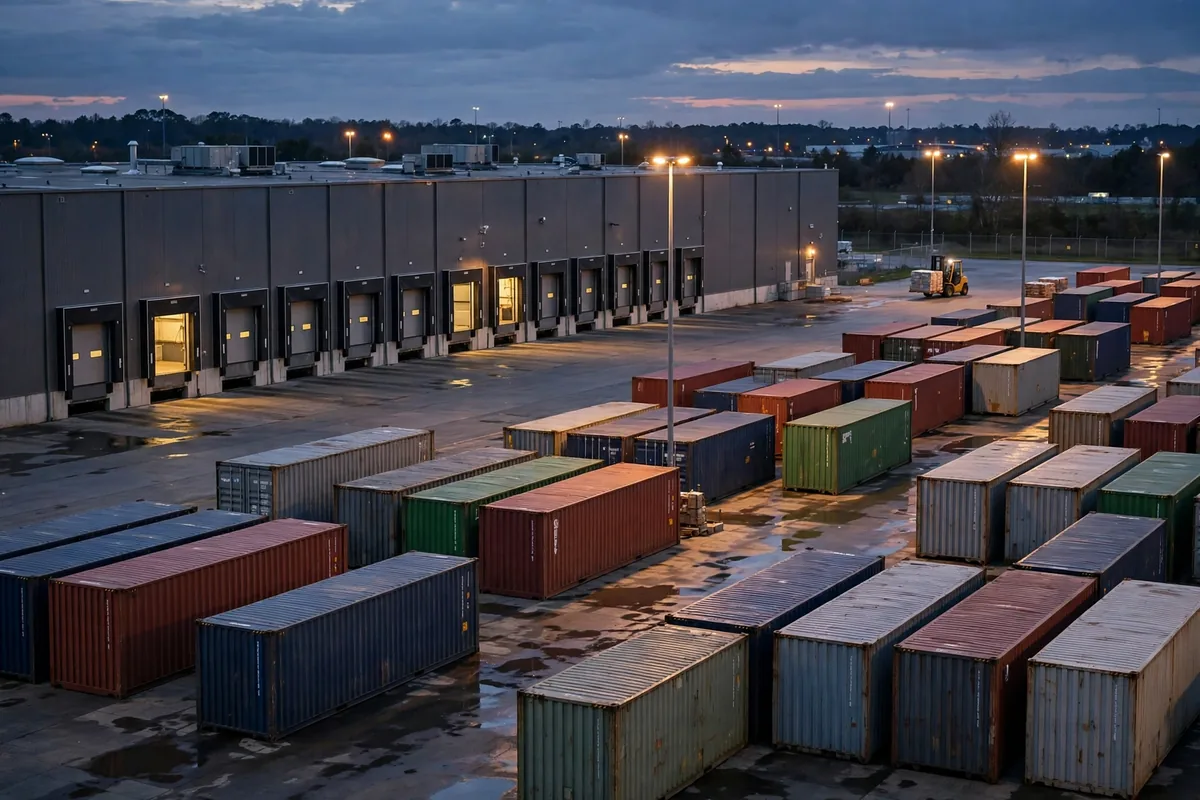
A port warehouse has a natural advantage: import entry, pickup, and export loading all happen within sight of the same port, and the data in the customs system corroborates itself. Denver is different. Goods land at Los Angeles or Long Beach, then ride rail or truck to Denver, and every extra hand that touches them is a place where the documents can scatter. The broker files the import entry at the port, a forwarder arranges the inland move, the warehouse handles storage and outbound, and a different forwarder books the export. Every handoff is a chance for the chain to break.
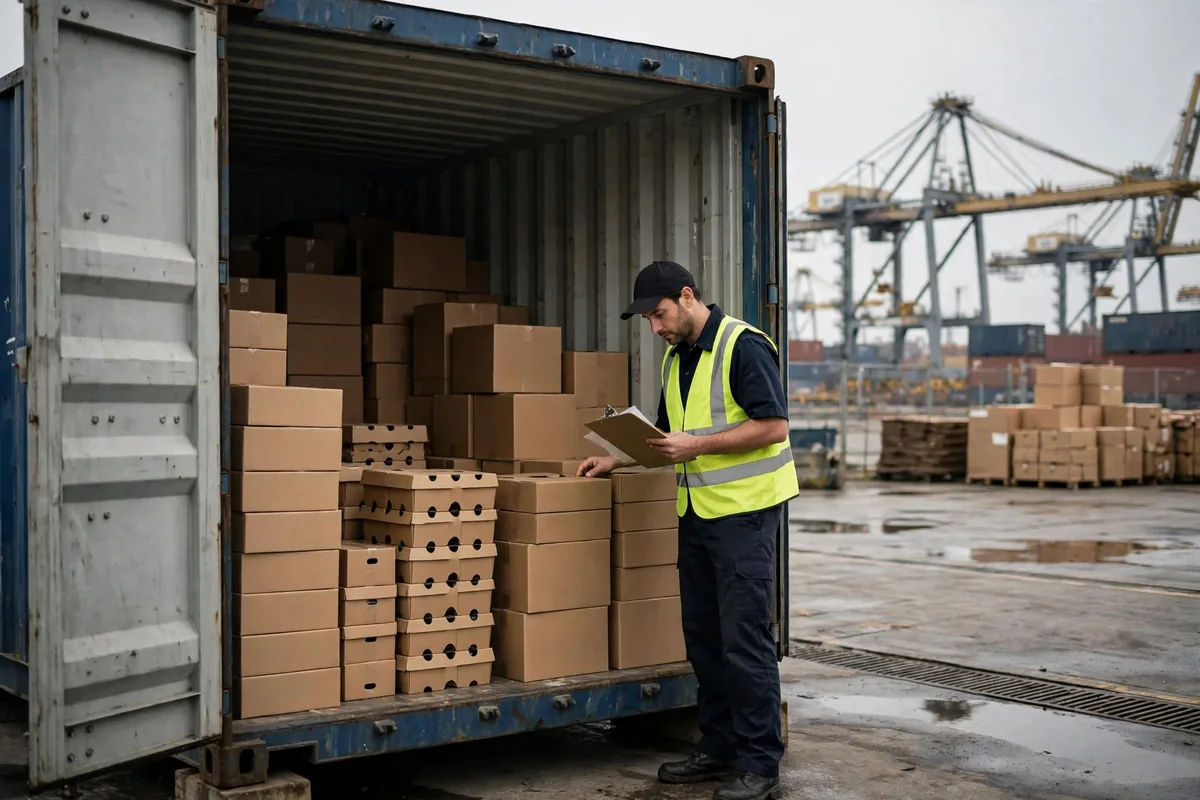
My Denver client broke the chain in the first place where it usually breaks: the import entry and the export proof did not match. The product classification code and quantity on the import entry summary differed by one digit from what the export broker filed. In CBP's system those were two different shipments, and the claim came straight back for more documentation. Getting the documentation took six weeks — the broker had changed systems and pulling a two-year-old file took another two weeks. The goods had genuinely left the country. The money was stuck on paper.
The second break was the transfer paperwork. Many sellers do not know this: when the importer and the exporter are not the same company, the right to claim has to be transferred in writing to the party that actually files. My client's goods were imported by his U.S. company and exported under his Canadian distributor's name, and the transfer document was signed so vaguely that CBP would not accept it. The right to claim had never properly reached the filer. This paperwork is best signed before the goods move at all. Signed after the fact, the other party may not cooperate, and the dates are easy to get wrong.
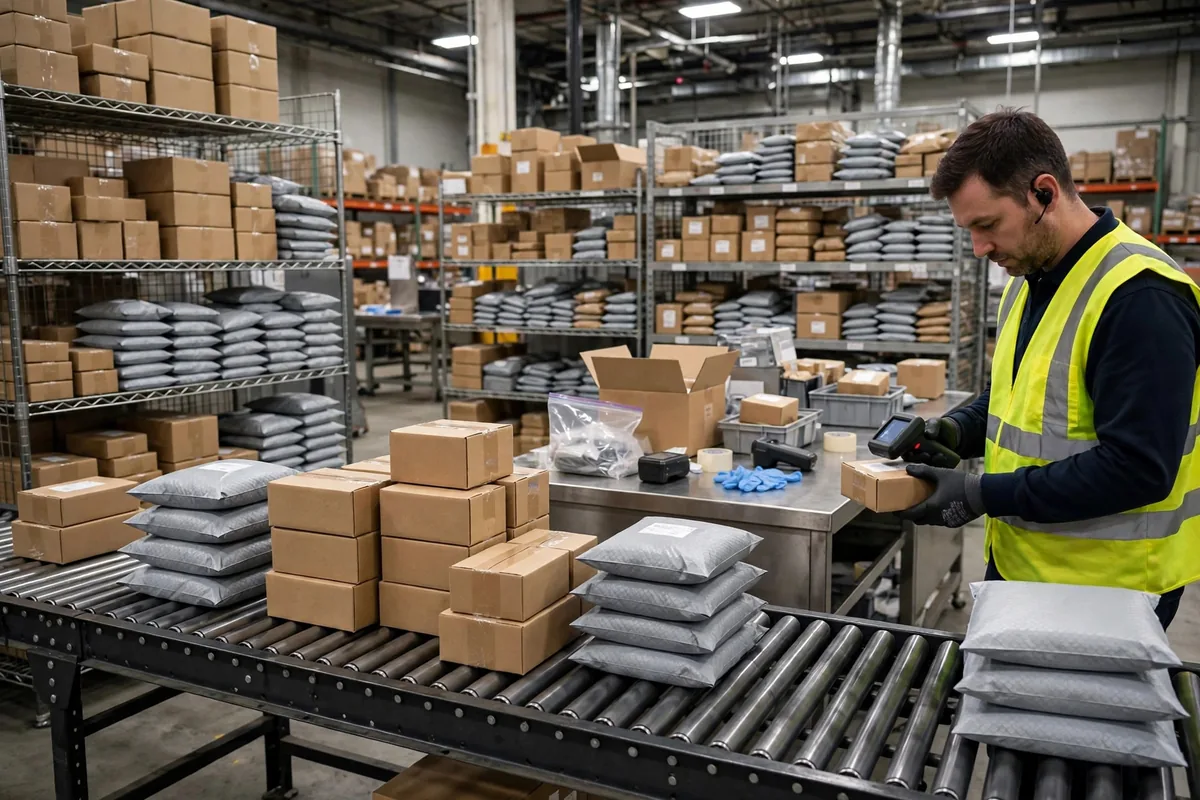
Inland warehouses carry one more headache that port warehouses do not: the warehouse's own records. CBP wants to see not just the import and export documents, but the goods' history inside the Denver warehouse — what day they arrived, which lot, what day they left, and how many. If the warehouse management system shows quantities a few units off from the entry summary, the claim gets questioned. Port cargo turns over fast and the records stay simple. Inland cargo can sit for three or four months, get broken down, repacked, and relabeled, and once the records get messy, the claim follows. The filing steps themselves are covered in the duty drawback 99% refund filing guide on this site; this article is about the problems only an inland warehouse runs into.
Three ways a duty drawback claim dies, and all three are avoidable
The first way is the timeline. Goods must be exported within five years of import, and the claim filed within five years of import. That sounds generous, but inland stock turns slowly — a lot sitting in a Denver warehouse for two years before re-export is nothing unusual, and by the time the filing paperwork is prepared, the window is not nearly as wide as it looked. Another client of ours had goods imported in 2020 and only thought about drawback in early 2025. The export made it inside the five years, but preparing the claim took four months, and by filing time only three weeks remained before the deadline. One request for additional documents would have killed the whole claim. The lesson is one sentence: start the claim the moment the export is complete, not when you get around to it.
The second way is a missing link in the chain. The three most common gaps are a missing import entry summary (CBP Form 7501), an export bill of lading whose consignee does not match the claimant, and a transfer document missing a signature or a date. Any one of them sends the claim back for more documents, and each round costs weeks. The extra documents are not the problem — the problem is that the clock keeps running toward the five-year limit while you chase them.
The third way is a mismatch between the goods claimed and the goods exported. The classification code, the quantity, and the lot have to line up; any one of them off, and CBP questions the claim. Inland warehouses break down and repack more often, and when the export broker files a different product description based on the new packaging, the system no longer recognizes the goods. The fix is low-tech and it works: before the goods leave, have the warehouse write the lot number and the original import entry number onto the outbound slip, and have the broker file from that slip instead of from memory.
A timeline you can follow without stepping on a deadline
The money is worth doing the math on. Suppose a shipment paid $80,000 in duties at import. A 99% refund is $79,200. A drawback specialist charges a fee for handling the filing, and even after that fee, the net recovery is a serious amount of money. But it all depends on two things: a complete paper trail and a timeline that stayed inside the limits. All amounts above are hypothetical examples used to show the costing method; actual rates depend on current official pricing.
My advice is to plan the timeline backwards. Lock in two dates first: five years after the import date is the hard deadline, and the export date is the second-to-last milestone. A month before export, have the import entry summary, the transfer documents, and the warehouse in-out records ready. File within two weeks of the export, not "when there's time." After filing, CBP review typically runs for months; accelerated payment is available but needs prior approval and a bond, so plan on the standard timeline and treat faster payment as a bonus, not the plan.
Here is the counterintuitive part: most sellers assume duty drawback is the broker's job — hand the goods to the broker and it is done. In reality, the broker only handles the moment of filing. The paper trail is the seller's job from the day of import. That goes double for inland sellers: every day the goods sit in a Denver warehouse, they are either building the evidence for a future claim or building the trouble that will sink it. A port warehouse claim is won or lost by the broker; an inland warehouse claim is won or lost by the warehouse's record-keeping habits.
Next time you negotiate a contract, ask three questions. First, can the broker send me the document list for drawback before the export, not after? Second, can the warehouse export in-out records by lot? Third, are the transfer documents signed before the goods move? Once you have those three answers, you will know before you file whether a claim is going to come back or come through.
By Susan, 3PL Sales Director