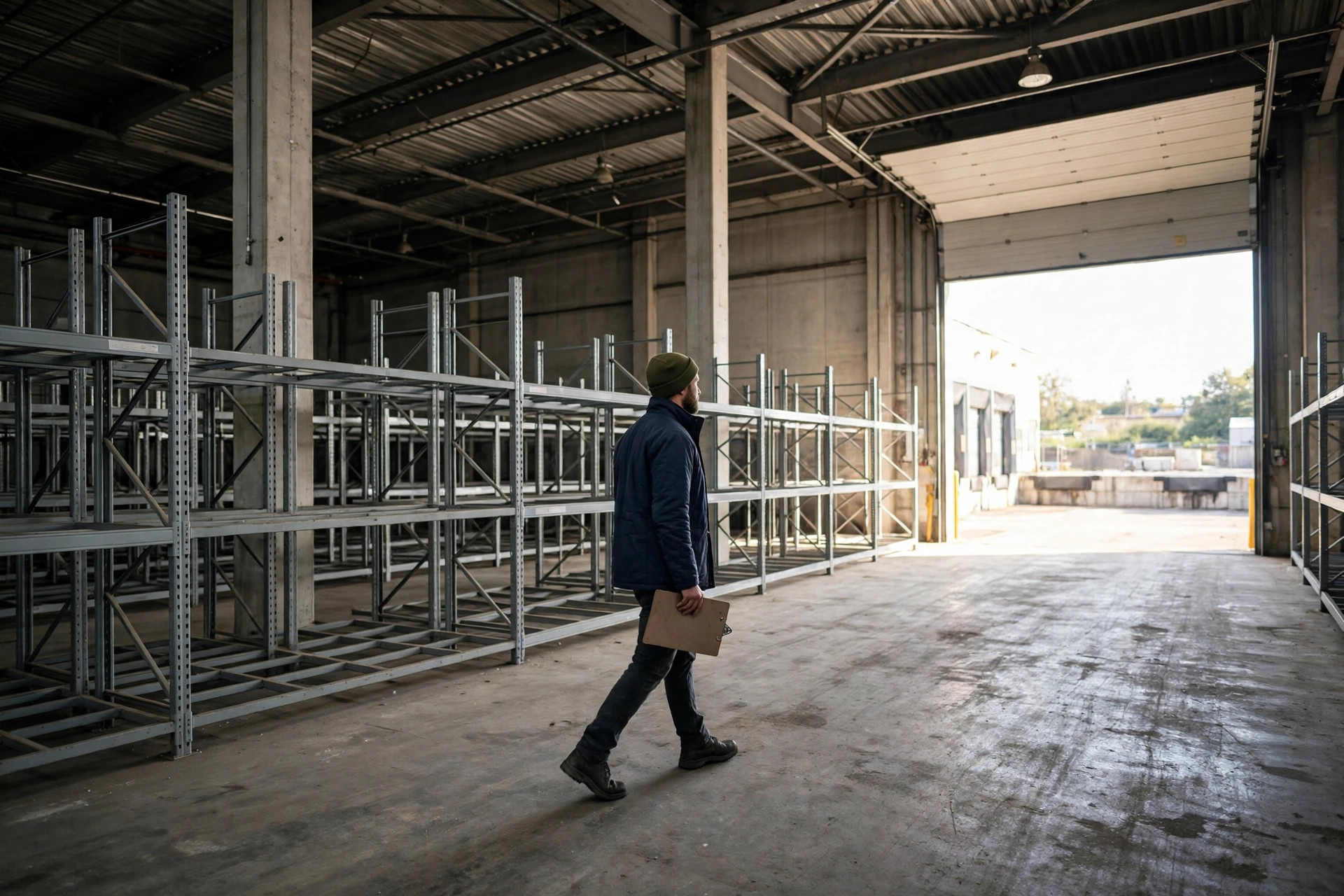
Here is the bill that started this article. In the fall of 2024, a friend who sells home goods showed me a warehouse he had just leased. The rent was lower than his previous site, and he thought he had found a bargain. Three months later he came back with three new line items he had never budgeted for: a sprinkler upgrade, an electrical capacity upgrade, and floor reinforcement. Each one was substantial. Together they wiped out everything he had saved on rent, plus two months of schedule. That is what this warehouse site due diligence checklist is for. Rent is the visible number. The real cost hides in fire protection, power, floor condition, and lease clauses, and if you do not check them before signing, you are signing a blank check.
The warehouse site due diligence checklist starts with fire and sprinklers
Fire protection is the one item on the list where you cannot negotiate with reality, because it decides not only what you spend but whether you can open at all. When you walk a site, ask three questions before anything else. What commodity class is the existing sprinkler system designed for, and does your product fall inside it? Are the fire acceptance documents complete, and can you see the history of past corrections? If your product mix changes, does the system need an upgrade, and who pays for it?
A real case makes the point. In 2023, a small-appliance company in eastern China leased a ready-built warehouse and confirmed only that it "had sprinklers." After move-in, they learned the system had been designed for ordinary goods, while part of their inventory contained lithium batteries, and the fire authority required an upgrade. Work had to stop, goods were already arriving, and they had to rent temporary space in the meantime. That money was wasted, and it was wasted on a single question nobody asked before signing: what standard, exactly, was this system built to?
The cheap way to check is to stop accepting verbal assurances. Ask the landlord for the acceptance documents and maintenance records, then hire an independent fire consultant to assess the current system. The assessment fee is trivial next to an upgrade bill, and once you have signed, your leverage in that conversation is gone. Verify against the current code and lease, and get the fire authority's latest position in writing where anything is uncertain.
Power and floor: the two items most often miscalculated
Power and flooring are the classic blind spots in cost analysis because you cannot see them on a walkthrough, yet the bills they generate are large. For power, start with transformer capacity and remaining load, then add up your own demand: charging areas, automation equipment, air conditioning, and lighting at peak, plus headroom for growth. A capacity upgrade is not just a payment; approval and construction lead times can be long, and anyone moving before peak season feels that pain first.
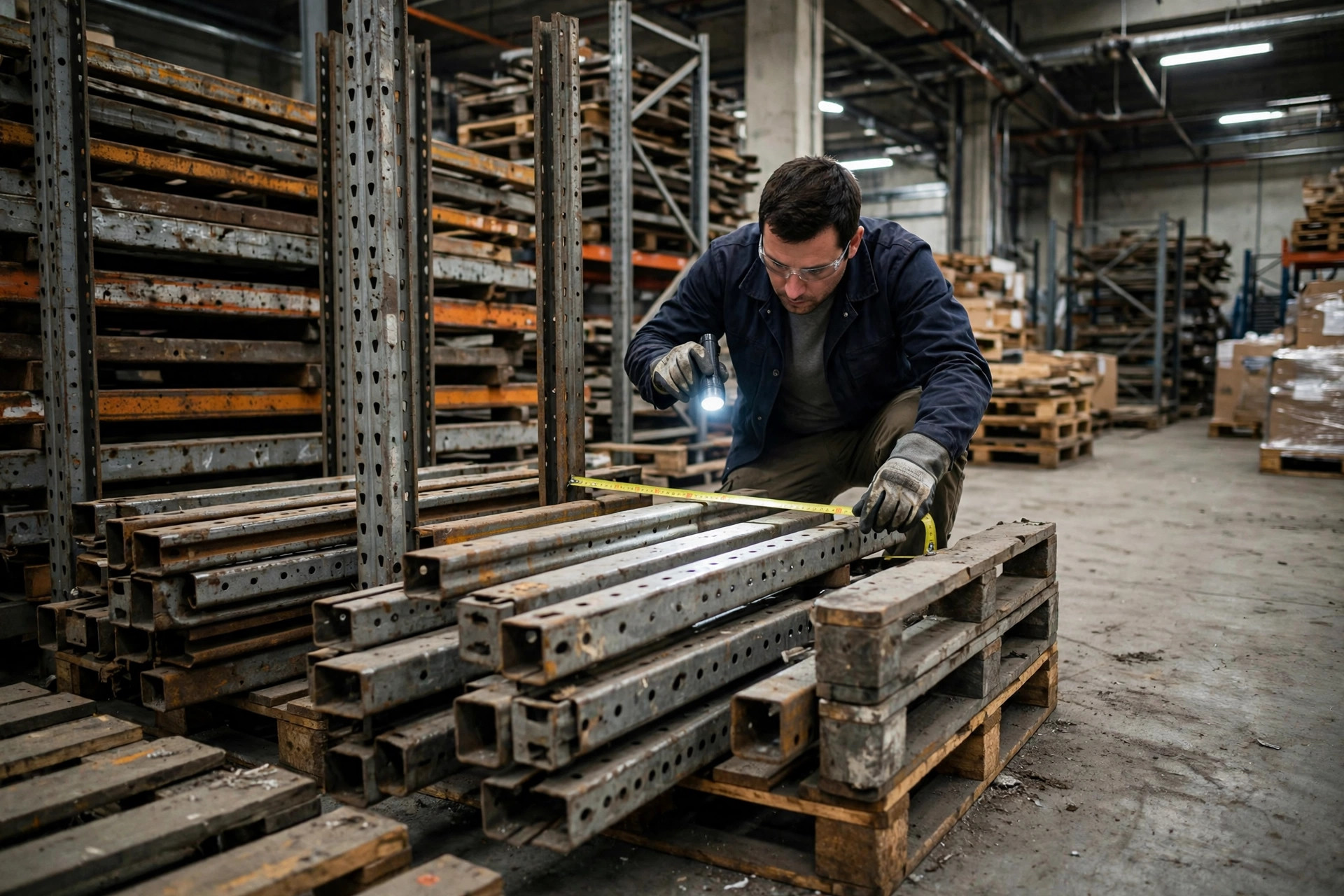
For the floor, check two things: load capacity and flatness. Heavy goods, high-bay racking, and frequent forklift traffic each demand something different from the slab. In 2022, a building-materials company in southern China leased a warehouse without testing floor flatness. Once the racking went up, parts of the floor were out of tolerance, narrow-aisle trucks could not run smoothly, and the layout had to be changed, losing two rows of pallet positions outright. Floor problems found after racking is installed cost many times more to fix than the same problems found beforehand.
Neither check is expensive. Have a qualified electrician or the utility confirm capacity in writing, and have a testing firm measure flatness and core-test load capacity. The rule I use is simple: a landlord saying "no problem" is not evidence. Dated test data is evidence.
Lease clauses: read the warehouse site due diligence checklist line by line
Lease clauses are the part of the checklist most easily buried under a rent figure. I go through them by one question: who pays for what? Fire upgrades, electrical upgrades, floor repairs, roof leaks, early termination, and renewal increases each need a written answer before signing.
| Checklist item | Get this in hand before signing | Cost of waving it through |
|---|---|---|
| Fire and sprinklers | Acceptance documents, maintenance records, commodity-class match | Shutdown upgrade plus temporary space |
| Electrical capacity | Transformer capacity and remaining load in writing | Upgrade queue, unable to run at full capacity |
| Floor load and flatness | Test reports and racking-area load data | Racking rework, lost pallet positions |
| Docks and ceiling height | Door count, clear height, canopy and yard measured | Slower loading, vehicle restrictions |
| Lease responsibility split | Written terms for upgrades, repairs, exit, and renewal | Every gray area becomes your bill |
One more item gets skipped too often: permitted use and zoning. Confirm the site can legally store your product category, check surrounding planning constraints, and confirm the licenses you need can actually be issued. The cheapest rent in the market is worthless if you cannot lawfully operate there. Verify against the current code and lease rather than trusting a broker's "everyone does it this way."
Run the five-year total before you sign
My costing rule is one number: the five-year total cost. Rent is one line in it. Upgrade spending, capacity work, shutdown losses, temporary space, and early-exit penalties all go in, and only then do you compare sites. Put two warehouses side by side and the cheaper rent often loses, while the pricier site with fire, power, and floor already in place, ready to operate on day one, can come out cheaper over five years.
Use a simple decision framework. Score each candidate site on four items, with only three grades: ready, minor work, major work. One "major work" means you put the full upgrade cost and schedule loss into the total before comparing. Two "major work" items mean you downgrade the site unless the rent gap covers every upgrade with room to spare. The math is not hard. The hard part is being willing to run it before signing, when everyone is in a hurry to close.
Here is the contrarian judgment: the most expensive warehouse is rarely the one with the highest rent. It is the one that looked cheapest at signing and then charged you at every turn after move-in. Every dollar saved at the rent negotiation table can come back doubled on the upgrade invoice. Walk this warehouse site due diligence checklist item by item, get fire, power, floor, and lease terms answered in writing, and only then sign. That is not excessive caution. It is basic cost discipline: run the numbers first, sign second, and never pay later for a question you failed to ask now.
By Lao Zhou, Logistics Cost Analyst