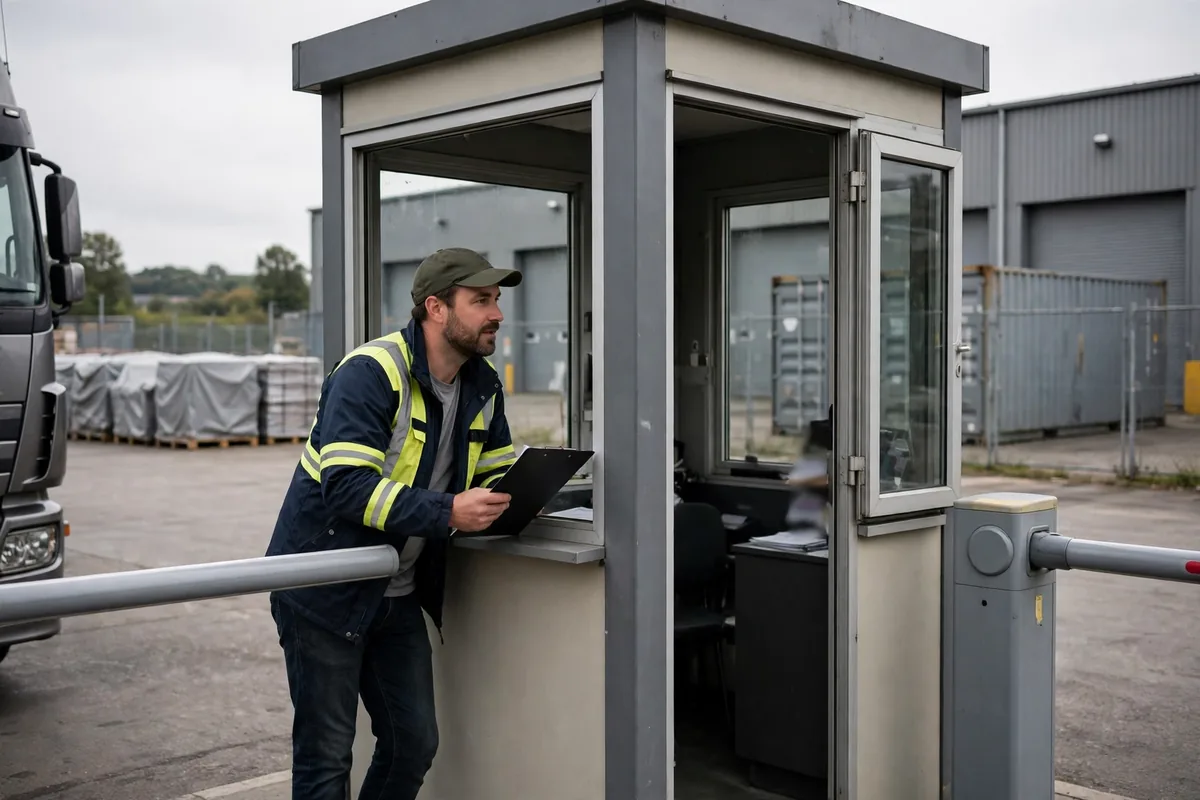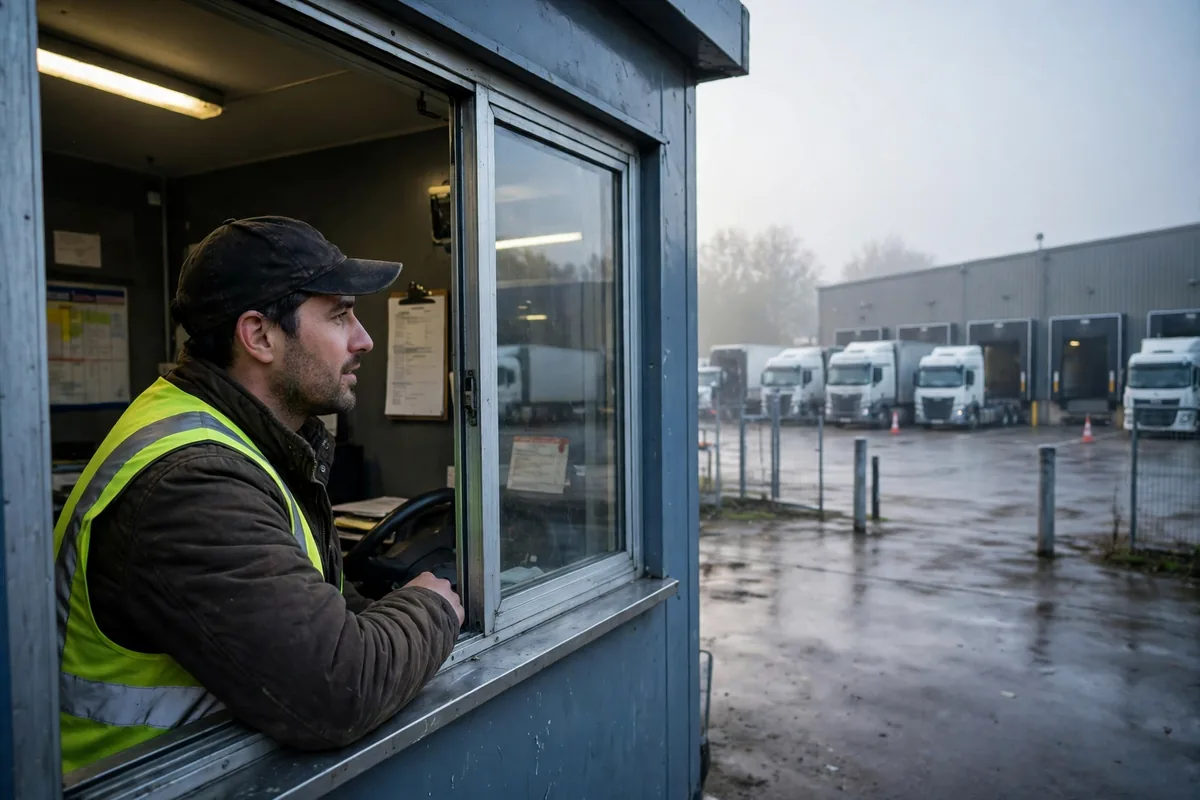
Let me start with the conclusion, because everything else is detail: a dock appointment scheduling no show warehouse problem is usually not a software problem. It is a rules problem. The platform can record appointments neatly and display them on a big screen. It cannot make a carrier show up. I have watched too many warehouses buy a scheduling system, point at the dashboard, and declare the dock fixed, only to find the no-show rate exactly where it was two months later while the dispatcher still fights fires by phone. Scheduling software solves an information problem. No-shows are an incentives problem. Treat them separately.
What a dock appointment scheduling no show really costs
Most warehouses undercount this badly. They price a no-show as an idle door for an hour or two. The real bill has three layers.
The first is idle labor. Behind one empty door sits a crew: forklift driver, receiver, checker. They wait, get pulled to other work, then get reassembled when the truck finally rolls in.
The second is schedule contagion. On a fully booked day, one no-show and one late arrival combine in the worst way. The late truck takes the empty slot, which looks like recovery, but it pushes every later appointment out of sequence. The dispatcher spends the afternoon re-sorting instead of moving freight.
The third layer is the expensive one: inventory and orders. Freight that checks in a day late gets put away a day late. If that freight feeds a promotion or a retailer window with chargebacks attached, the penalty dwarfs the wasted labor.
Here is an illustrative calculation, using assumed figures you should replace with your own. Suppose a warehouse books 40 appointments a day and one in ten ends in a no-show or a serious late arrival. That is four disrupted trucks daily. If each disruption burns an average of 45 minutes of door crew time, you lose three crew hours a day, roughly 66 hours across a 22-day month. That still excludes overtime for catch-up receiving and delayed orders. The hidden cost is worse: once dispatchers stop trusting the schedule, they quietly pad it and book fewer doors. Your dock throughput shrinks by an invisible amount, every day, and nobody can invoice that loss.
In the fall of 2023 I spent two weeks at a regional home-goods warehouse near Columbus, Ohio. It had 18 doors and a well-known scheduling platform with a polished carrier portal. Its no-show rate sat stubbornly around one in seven appointments. The cause turned out to be simple. One carrier handling about a third of the volume habitually booked the same load into two different time slots, used whichever freed a truck first, and abandoned the other. The system saw two independent appointments. Reality saw one load holding two doors hostage. The warehouse changed exactly one rule: one bill of lading gets one slot, and rescheduling requires cancelling the first booking. Within a month the no-show rate fell to single digits. Not one line of software changed.
Three tools against warehouse appointment no-shows, and what each one costs you
Every remedy has a side effect. Think about whether you can afford it before you deploy it.
| Tool | How it works | The trade-off | Best fit |
|---|---|---|---|
| Overbooking | Release extra slots based on historical no-show rate | If everyone shows up, the yard jams | High door count, stable no-show rate |
| No-show deposit or fee | Charge for no-shows and extreme lates | Carriers price it into rates; small carriers walk | Shippers with leverage and steady volume |
| Blacklist or downgrade | Repeat offenders lose booking priority | You cut your own capacity in tight markets | Markets with surplus carrier capacity |
| Rolling release | Unconfirmed slots auto-release hours before arrival | Carriers must confirm; needs enforcement | Import warehouses with long booking lead times |
Overbooking first. Here is the counterintuitive part: overbooking swaps idle-door risk for congestion risk, and it only works when your no-show rate is stable. If the rate swings, overbooking amplifies the swing. I saw a warehouse overbook by roughly fifteen percent on a day when, for once, nearly every carrier arrived on time. Trucks queued onto the street, neighbors complained, and the yard took hours to unwind.
Deposits are the most misused tool. In the summer of 2024, a 3PL warehouse in California's Inland Empire deducted a flat fee from freight payment for each no-show. Month one looked great: no-shows dropped. Month two, two small carriers handed volume back, and the rest quietly folded expected fees into their rates. When the warehouse totaled it up, the rate increase cost more than the saved dock labor. Deposits work only when you hold the leverage and have replacement capacity. Small warehouses in peak season should think twice.
Blacklists carry the same logic. Downgrading beats banning: repeat offenders get worse slots and shorter booking windows, but the penalty stays reversible. A permanent ban just teaches a carrier to re-register under a cousin's company name. I have seen that trick more than once.
My own preference is the least glamorous option: confirmation with rolling release. Appointments go out days ahead, but the carrier must confirm a few hours before arrival. Unconfirmed slots release automatically to a waitlist. Nobody gets fined, no relationship burns, and the no-show surfaces hours early, while the dispatcher can still rebuild the day. The cost is one extra click for carriers and a month of nagging to build the habit.
Four questions to ask before you buy scheduling software
Demos all look good. These four questions separate systems that help from systems that decorate.
First, can it detect duplicate bookings for the same freight? Deduplication and reschedule logic keyed to the bill of lading or order number is the whole game against slot-hoarding. A system that only manages trucks and carriers cannot fix the Columbus problem.
Second, does it accumulate no-show and late data by carrier, lane, and time slot? Without a per-carrier no-show report you do not even know whom to negotiate with. The data must export and compare month over month. A live dashboard alone is decoration.
Third, can your own admin change the rules? Confirmation deadlines, release timing, downgrade thresholds. If every parameter change needs a vendor ticket and a release cycle, the vendor owns your operating rhythm. The rules engine does not need to be fancy. It needs to be yours.
Fourth, how does it connect to your WMS and gate? Half the value sits after arrival: gate-in, door assignment, loading start, departure. If those timestamps still get keyed in by hand, your data stays dirty and every analysis built on it is fiction. Also test the carrier side. If the portal is painful for drivers and dispatchers, they will route around it by phone, and your data entry point dies. Have two real carrier dispatchers try it before you sign anything.
When a human dispatch desk still beats the system
This may be unwelcome, but not every dock should let software run the day.
A human desk wins in three situations. Small volume with a handful of familiar carriers, where one phone call outperforms a portal workflow. Chaos-heavy freight, such as port drayage or weather-exposed lanes, where a veteran dispatcher's judgment absorbs disruption better than fixed slots. And the transition period after go-live, when forcing full automation just teaches the floor to resent the tool and backfill it later.
The right answer is a division of labor, not a choice. The system owns the routine: booking, confirmation, release, records. Humans own the exceptions: who goes first when the yard is jammed, where a rush load for a good customer fits. The system suggests, the dispatcher decides, and the decision gets written back. Run it that way for six months and you finally own real data on why trucks do not show. Only then does it make sense to debate deposits or overbooking.
So measure first. If you cannot split your no-shows into slot-hoarding, genuine road delays, and carrier indifference, the most expensive platform on the market will only arrange your confusion more neatly. Is that really where you want the budget to go?
By Lao Mi, Supply Chain Veteran (20 yrs)