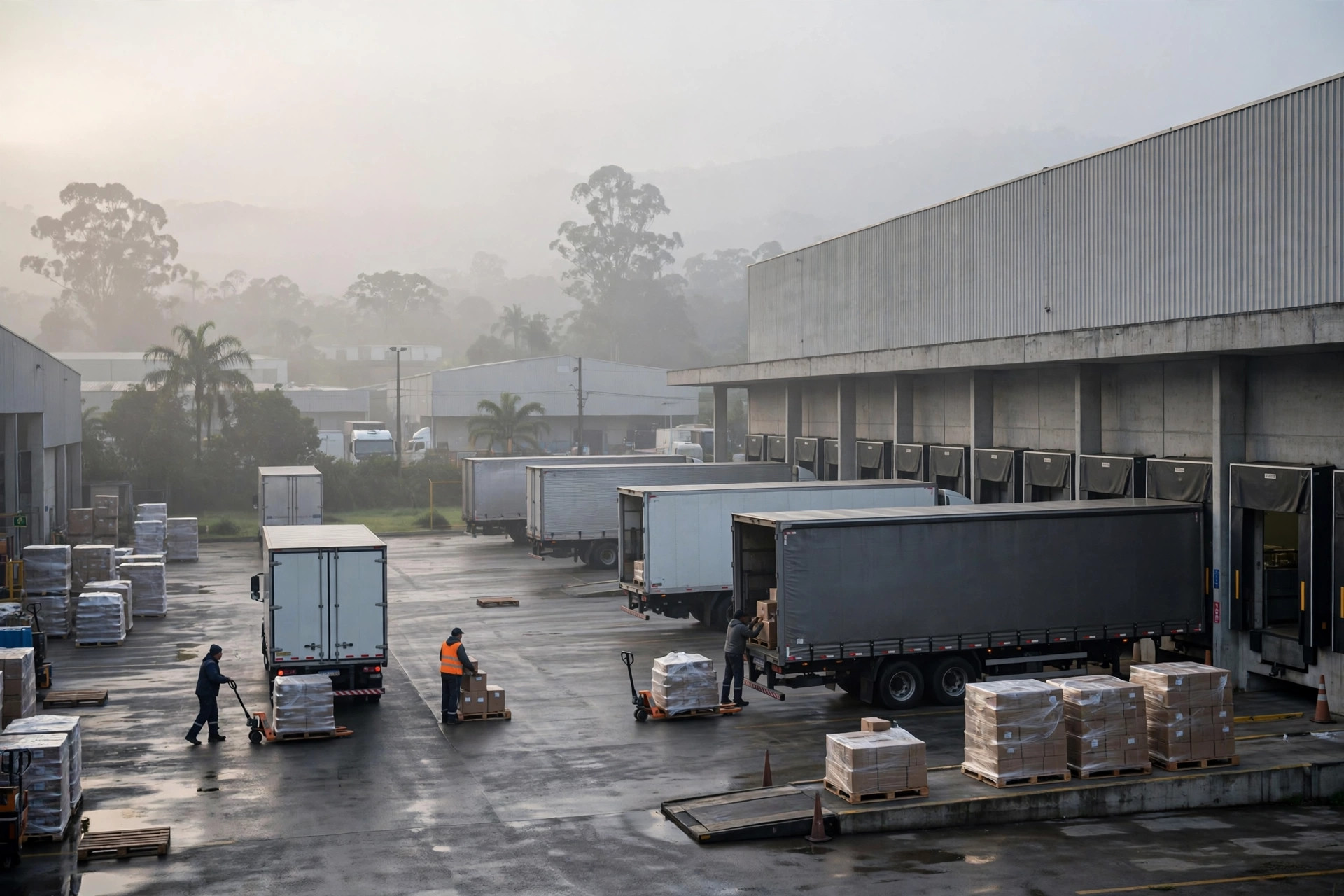
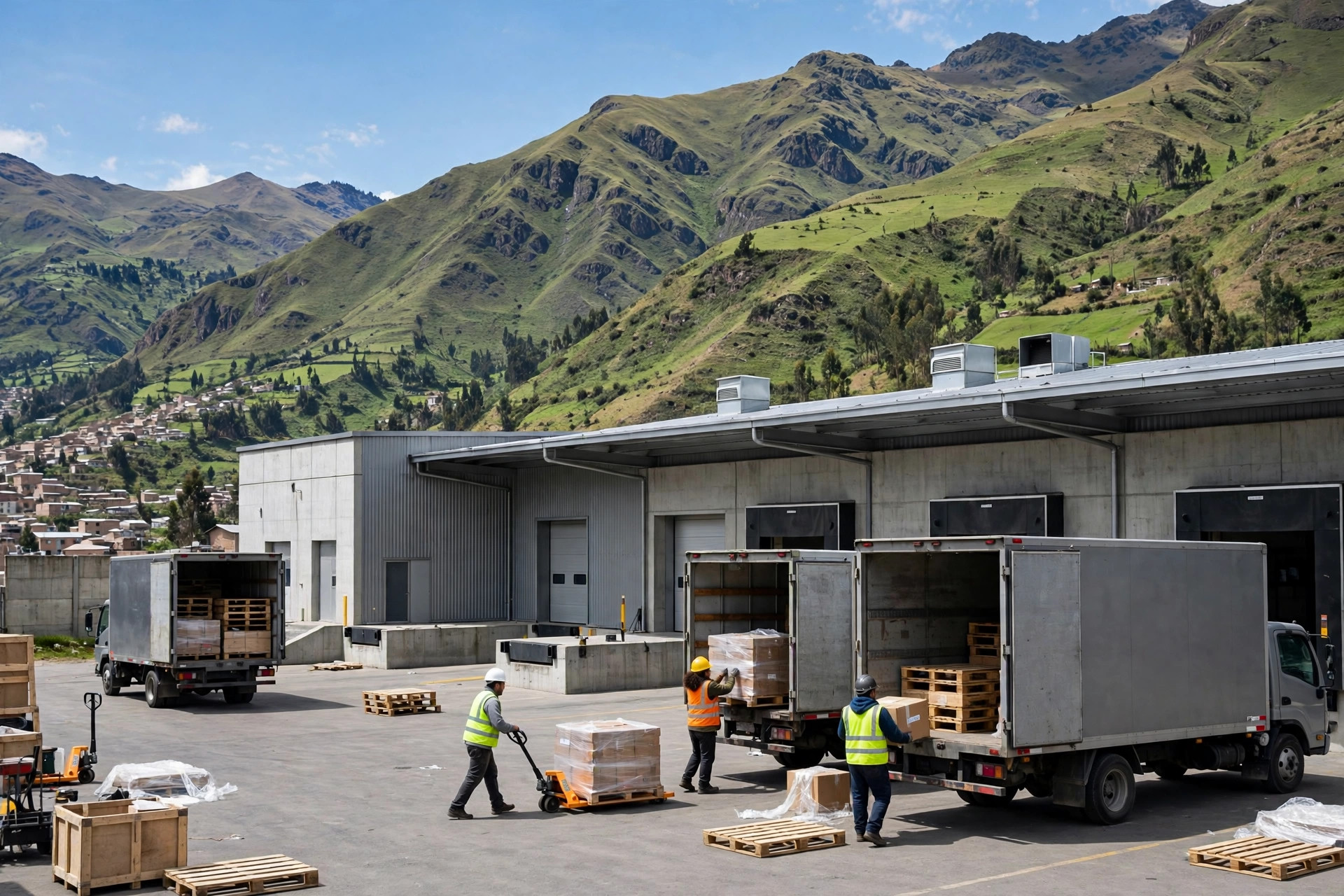
It was six in the morning and the snow in Denver had not fully melted when I did the shift handover with the night lead at the dock door. He pointed at a line of trucks waiting outside and said another driver had spent half an hour on I-70 the night before just finding the entrance. Let me be straight with you: in denver warehouse market logistics, picking the wrong submarket costs more than picking an expensive one. A couple of dollars on the rent sheet means nothing when, at peak, you cannot hire people, trucks cannot get in, and freight cannot get out.
Our warehouse made the same mistake when we first came to Denver. Somebody brought a sheet showing the lowest rent on the I-76 corridor, in a newer building, and at first glance it looked like the obvious choice. The crew saw the problem as soon as they visited: the place was cheap, but workers lived far away, and when winter snow came, late arrivals and call-offs piled up; trucks got in and out easily, but reaching customers in town meant a longer leg, and fuel and time ate the savings. Picking a warehouse is not picking a building. It is picking how people, trucks, and freight move every single day.
Denver Warehouse Market Logistics: East Airport, I-76, and Southwest Infill
Start with the East Airport area. East of Denver International Airport, big distribution and third-party logistics operators cluster together, with newer buildings and room to grow. This is the right base for a network covering the whole Mountain West: from Denver, ground transport reaches Salt Lake City, Albuquerque, Phoenix, Kansas City, and Omaha in one to two days, and that coverage is Denver's real strength as an interior western node. The trade-off is distance from town: small, urgent orders feel slow there, and last-mile cost has to be calculated separately.
Then there is the I-76 corridor. Vacancy is high and asking rents are low, so large tenants have real negotiating room. It fits big, steady, slow-moving stock and seasonal buffer inventory. But here is the reminder I give every peer: cheap rent often hides a hiring and commuting bill. Workers driving an extra twenty minutes each way, doubled on snow days, mean that at peak the rent saved goes straight into overtime and temp labor, and shipments still go out late.
The third option is Southwest infill and smaller buildings near town. Close to workers and customers, fast for local multi-stop delivery, but rents are high and space is small — no room for a big operation. None of these three is good across the board. The question is only which one matches your freight.
On rents, I will only use figures with a source. According to Cushman & Wakefield's Q2 2026 Denver MarketBeat, metro vacancy was 7.8% and warehouse/distribution space asked $8.82 per square foot per year. By submarket: Airport 8.3% vacancy at $6.72; I-76 19.2% at $6.54; Southwest 2.9% at $13.28; North Central 6.6% at $10.07; Southeast 8.0% at $10.48. Put together, the trade-off is plain: cheap space comes with high vacancy, tight space comes with high rent. There is no submarket that is both cheap and tight.
| Submarket | Vacancy | Asking rent ($/SF/yr) | Best fit | Cost people forget |
|---|---|---|---|---|
| East Airport | 8.3% | $6.72 | Mountain West bulk distribution, 3PL | Distance to town; last mile priced separately |
| I-76 corridor | 19.2% | $6.54 | Large, slow-moving, seasonal stock | Hiring, commuting, snow-day attendance |
| Southwest infill | 2.9% | $13.28 | Local small-batch, high-frequency delivery | Small space, hard to expand |
| North Central | 6.6% | $10.07 | Service warehouses near town | Mid-range rent; labor is the contest |
| Southeast | 8.0% | $10.48 | Light industry, food and beverage support | Evening peak traffic into town |
Winter and Hiring: The Two Bills Denver Site Selection Forgets
As an example, take an outdoor-gear customer whose network covers the whole Mountain West. It first picked a low-rent I-76 building. In the first winter, two snowfalls cut night-shift attendance by about a fifth, and the day crew worked overtime to cover. On an illustrative calculation, the monthly rent saved was roughly eaten by peak temp labor and overtime, and shipments still went out two days late. The next year the customer did not move, but changed the rostering: backup shifts scheduled ahead for snow season, a transport allowance for night staff, and a part-time student pool arranged with a nearby community college. Attendance steadied, and only then did the cheap building actually become cheap. The lesson: price a cheap submarket together with snow days and hiring, not without them.
Hiring in Denver works differently from other markets. Workers near town have choices, warehouses compete for the same people, and pay alone rarely keeps them. What we do now, permanently: rosters published two weeks ahead, a snow-day backup list posted on the wall, and a bonus for veterans who train newcomers. When a veteran trains a newcomer, the first job is not the system. It is walking the dock, the racking, and the charging area together, pointing out which stretch of road ices over first and which door freezes first. Once the route is familiar, staffing survives turnover.
Winter operations need their own fixed routine, and it should be settled before signing, not after. Is snow clearing per visit or per season? Who clears the dock ramp and de-ices trailer doors? How fast is snow cleared from the charging area and the electrical room entrance? As an example, one of our buildings had trailer doors freeze shut twice in its first winter, and drivers poured hot water on the doors while a whole morning slipped away. After that we replaced door seals before winter, treated door tracks with anti-freeze, and made the night handover include a door check. Frozen doors never happened again. Let me be straight: the winter bill is not in the snow shovel. It is in the pre-winter checklist.
Dealing with drivers is part of submarket choice too. Some areas force trucks through residential streets where big vehicles cannot enter before six in the morning, so drivers wait outside until daylight. Some docks have no shelter for queuing drivers, so in winter they sit freezing in the cab while waiting to unload, and the frustration lands on the dispatcher. When you tour a building, check driver access routes, waiting areas, restrooms, and hot water too. Do not wait until peak season, when drivers stop wanting to come, to think about these things.
Here is a counter-intuitive judgment: the submarket with the highest vacancy is not always the best place to negotiate. I-76 vacancy at 19.2% sounds like a buyer's market, but landlords offering low rent often hold harder on term, expansion, and early exit. Before signing, pin down these points: can the term be staged, can space be expanded, what happens on snow-closed roads, and what does early exit cost? If the clauses are not negotiated, the rent negotiation means nothing. Rent is the visible bill. Clauses are the hidden one, and everything saved on the visible bill can come back through the hidden one.
Denver Warehouse Market Logistics Checklist: Three Trips Before You Sign
One reminder for peers: before signing, make three trips. First, a snow trip: on a snowy morning, drive from the workers' neighborhoods to the warehouse door, time the commute, and check whether dock clearing and de-icing can actually finish the same day. Second, an evening-peak trip: drive from the warehouse to your three biggest customers and see how much time congestion really eats. Third, a night trip: check night-shift access, lighting, parking safety, and whether the night lead can hand over smoothly. After those three trips, you will know whether the submarket fits.
On lease terms, ask directly: how many rent-free days for fit-out, does the fit-out period count as rent, is there a right of first refusal on expansion space, what does early exit cost, and how is responsibility split when snow closes roads? Do not be shy about reading every clause to legal before signing. The hassle belongs before signing, not after.
Let me be straight: Denver suits a network that treats the Mountain West as one region, not a business chasing one city alone. East Airport for volume, I-76 for cost, Southwest infill for speed — hold all three cards and play the one your freight needs. Before signing, put people, trucks, freight, and snow on the table and cost them together.
By Chen Feng, Warehouse Operations Manager