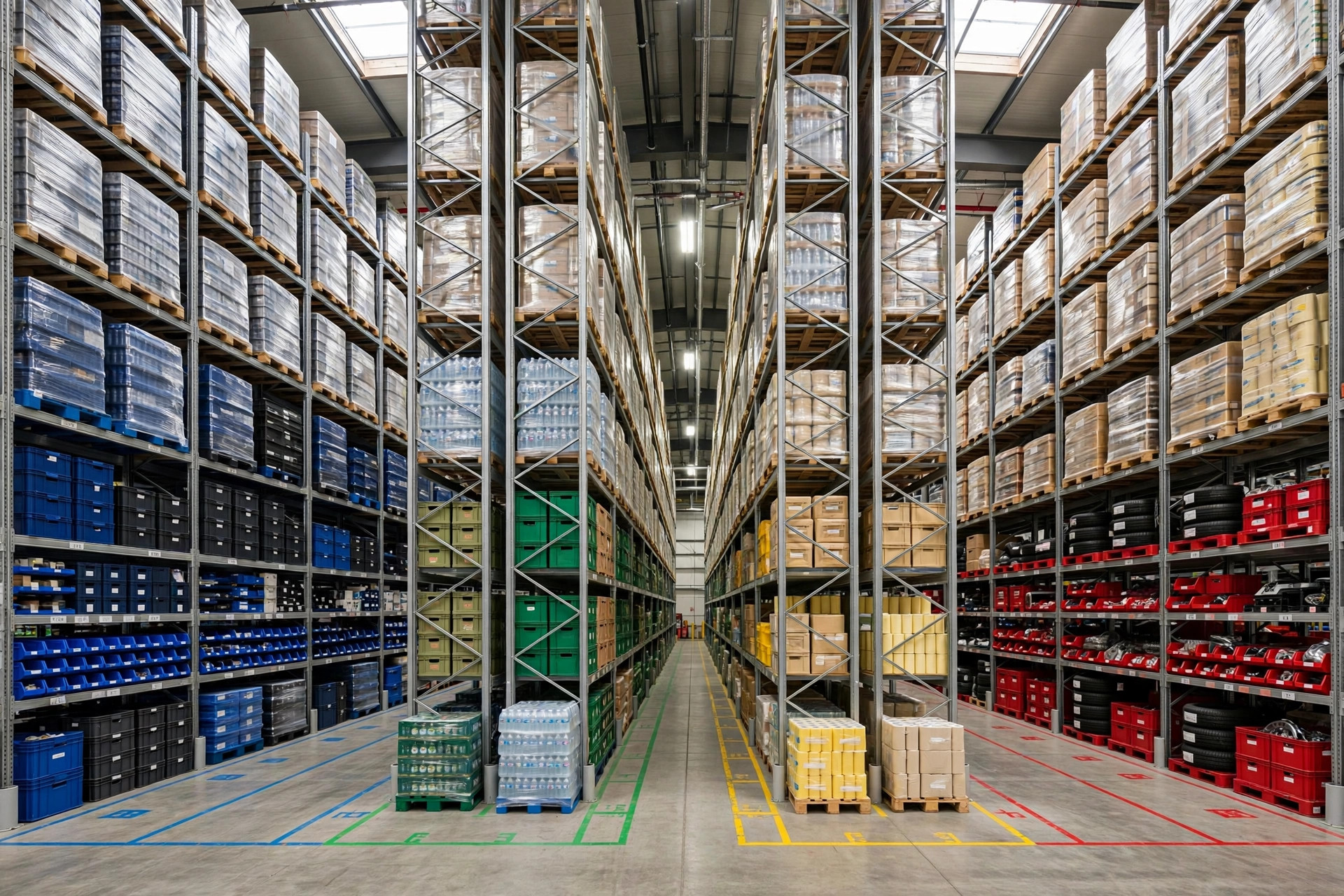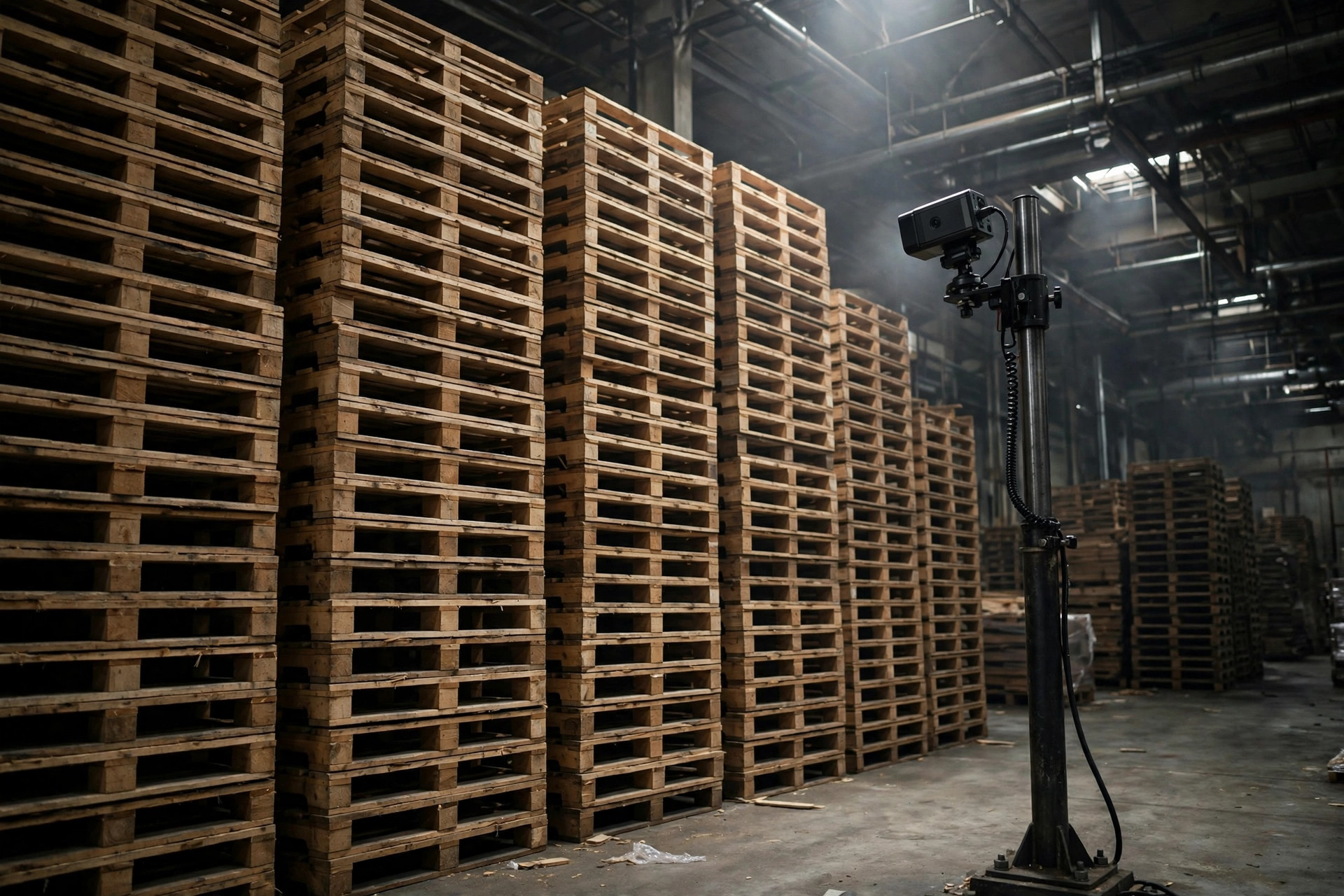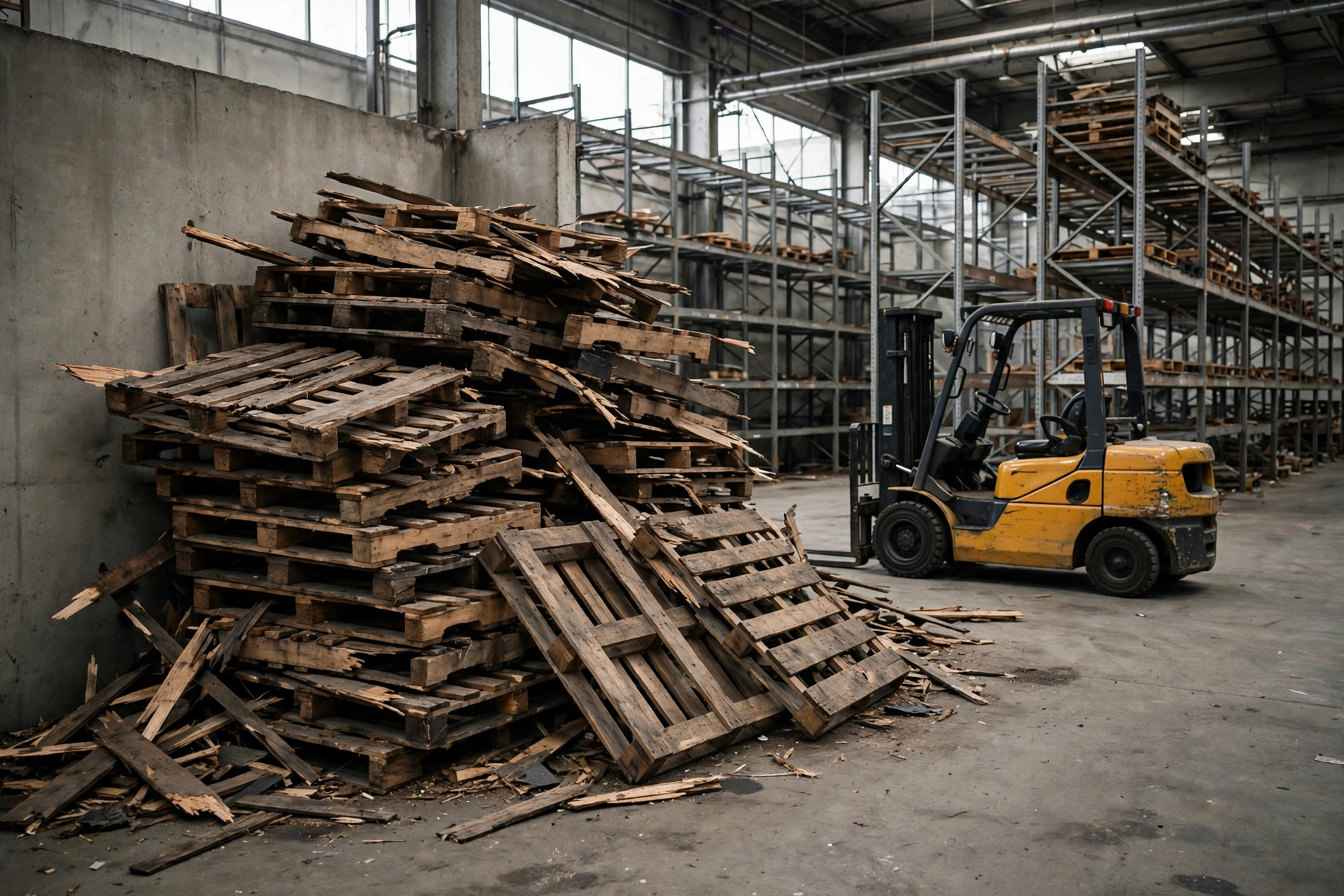
The night shift was handing over at 6:30 in the morning when one of my forklift drivers pointed at a stack of pallets in the corner. Boss, he said, two more boards cracked on these. Do we still use them? I told him to leave them for inspection. Damaged pallet management sounds like small stuff. Let it slide long enough and it turns into a safety incident plus money thrown away. Our warehouse used to do the same thing everyone does: toss broken pallets in the corner until there was no room left, then deal with them. Two incidents forced us to set real rules.
The first one happened at night. A bottom board had a crack in it. The driver didn't notice, picked the pallet up, and sent it to a high rack. The splintered board tore a long gash in the outer carton, and product spilled all over the floor. Six people on the night shift reworked that shipment until daylight, and not one of them got off on time. Honestly, a torn carton is the small version of that story. What if the board had snapped halfway up and the whole load came down? Whose problem would that have been?
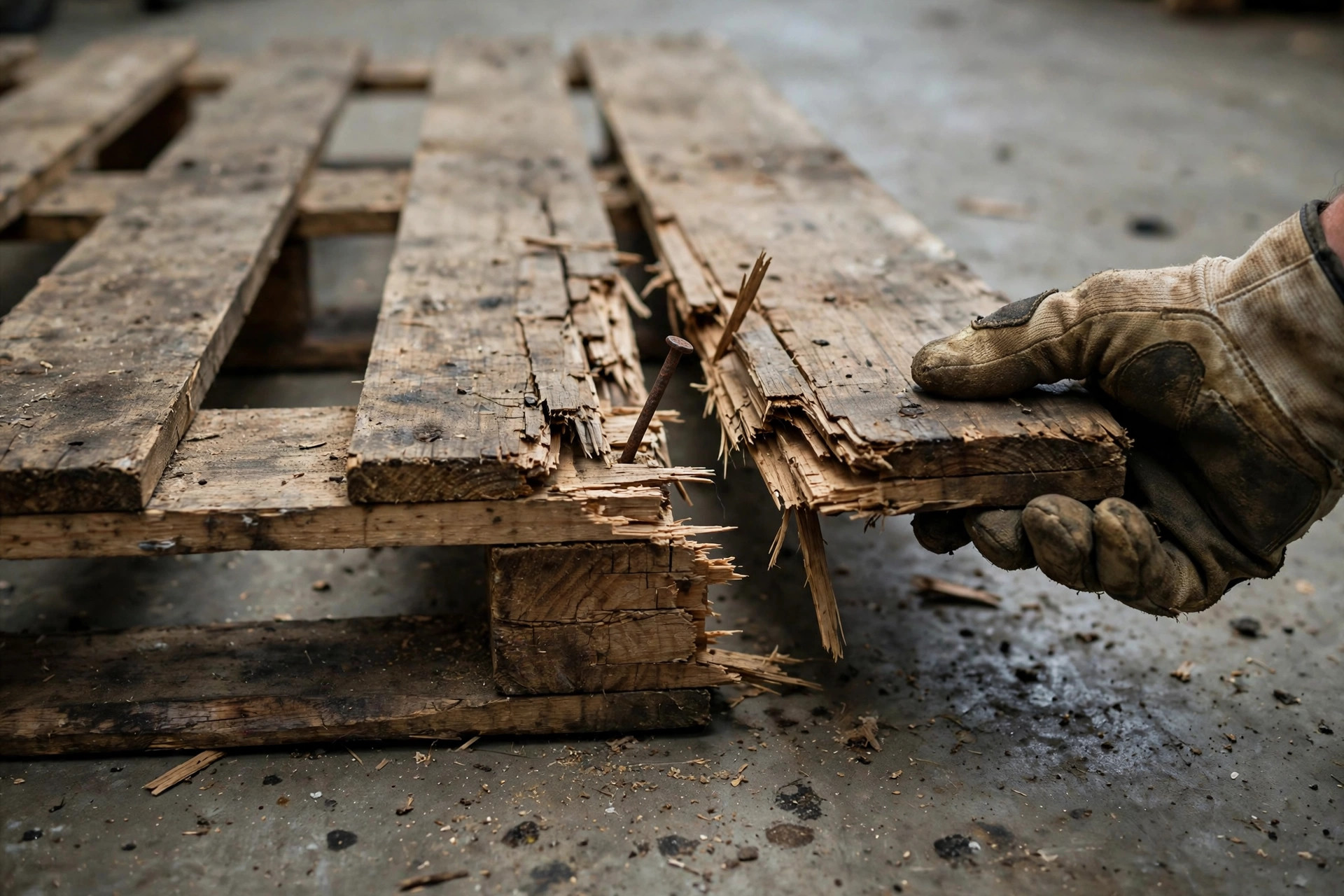
The second one turned up during a cycle count. A pallet had a cracked stringer. It didn't look bad from the outside, and it was already sitting on a rack with more than half a load on it. It had been there two days. The inspector pressed the stringer by hand, it creaked, and we brought it down on the spot. Brothers, the pallets that look like they still work are the most dangerous ones. A pallet that is completely wrecked scares everyone off. The half-broken ones are the ones that fool you into using them.
Damaged Pallet Management Starts With Triage
Our rule now is that triage always comes first. When a pallet comes off the line, it goes into one of three piles, each with a different color tag. They never get mixed.
Pile one: repairable. A cracked deck board, a loose nail, a chipped corner. The structure is sound, and swapping a board or adding nails puts it back in service. This is most of them. Of the damaged pallets we pull each month, the repairable pile is the biggest.
Pile two: scrap. A broken stringer, a cracked load-bearing beam, a frame that has gone crooked. That is a death sentence. Don't feel sorry for it, and don't tell yourself a repair will hold. Once the load-bearing structure is gone, a repair is just a time bomb. Scrap pallets go to the quarantine area the same day and never go back on the line.
Pile three: recycle. Pallets too far gone to repair get broken down. Good boards come off and become repair stock. The rest of the wood piles up until the recycler comes for it. Last month the recycler hauled away a truckload of wrecked pallets and stripped lumber, and what they paid covered a good chunk of that month's repair materials. It is not big money, but it beats paying someone to haul it away.
Who does the triage? First screen at receiving, second check before putaway. The receiving crew sees the pallet first, so they pull cracked boards on the spot. The forklift driver takes one more look before putaway. If the stringer is bad, the pallet gets held. Two checkpoints, and very few slip through.
The Math on Repair vs. Buying New
Repair or buy new? A lot of warehouses decide by gut feel. We decided by keeping a ledger.
| Option | What it costs | How long it lasts | The catch |
|---|---|---|---|
| Repair a pallet | Two replacement boards plus labor, well under a third of the price of a new pallet | Several more months of service, no problem | Boards salvaged from recycling push the cost lower still |
| Buy new | Full price | Full new lifespan | The easiest money to spend, and the most wasteful |
| Run it broken | Zero cost right now | As long as your luck holds | One incident, rework plus product damage, costs more than a stack of new pallets |
Run the numbers and the answer is obvious: repair what is repairable, scrap what is not, and never run the third option. Running a broken pallet saves money today and gives it all back the day something goes wrong.
One more hard rule: any pallet repaired twice that breaks again goes straight to scrap. Some pallets are done at the core. You fix the deck board today, the stringer goes tomorrow, and you keep pouring labor into it until it finally has to be thrown out anyway. We had a pallet repaired three times that partially collapsed on a rack. Luckily nobody was underneath. Since then, two repairs is the limit, no exceptions, no matter who argues for it.
Here is the counterintuitive part: the cheapest way to manage pallets is not to repair more, it is to scrap decisively. Delaying a scrap decision leaves a bomb on the floor, and it eats space and labor too. Scrap decisively, and the numbers look better.
A Damaged Pallet on a Rack Is a Bet You Lose
Why can't a damaged pallet go on a rack? I tell new hires three things. First, when a pallet collapses on a rack, it hits people, not just product. Second, when a forklift picks up a damaged pallet and a board snaps, the load comes down with the driver right there. Third, exposed nails that puncture tires or tear cartons look like small problems until they add up.
We have one rule that never bends: a pallet with a cracked stringer never goes on a high rack. It doesn't matter what is on it or how urgent the order is. If a shipment is hot, we re-palletize and then put it away. Re-palletizing takes ten minutes. An incident takes ten days and still isn't enough.
The quarantine area needs rules too. Scrap pallets all go inside a red-lined zone with a sign, and forklifts don't stage product inside it. Before we painted the line, the scrap pile sat too close to the good pallets, and the night shift grabbed the wrong ones twice when they were in a hurry. Now the red line is there, and nobody grabs the wrong pallet.
The Daily Walk That Catches All of This
Triage and math only work if inspection backs them up. Inspection isn't a campaign, it's a daily routine.
Our inspection is four things. Before the shift starts, the receiving crew goes through the pallets that came off the line overnight, triages them, and tags them. Before putaway, the driver looks at the pallet he is about to pick up: stringer, deck boards, nails, three spots, ten seconds. Every Friday afternoon, the shift lead walks the whole floor, and pallets on high racks get a hard look. Anything cracked comes down on the spot. At the end of each month, we count repair stock and recycling volume. If the numbers don't line up, we find out why.
The inspection sheet is one page on the wall. It says who inspects, where, what they found, and what they did about it. Don't build a complicated system. A paper sheet that actually gets used beats a digital form nobody opens. We tried an electronic form once. It lasted two weeks before people stopped filling it out. The paper sheet on the wall gets checked off every day.
Brothers, don't wait for an incident to start managing pallets. Tomorrow morning, go look at that stack in the corner: repair what is repairable, scrap what is scrap, and anything with a cracked stringer goes to quarantine today. This system doesn't cost much money. It costs a little attention. And it lets you sleep at night.
By Chen Feng, Warehouse Operations Manager