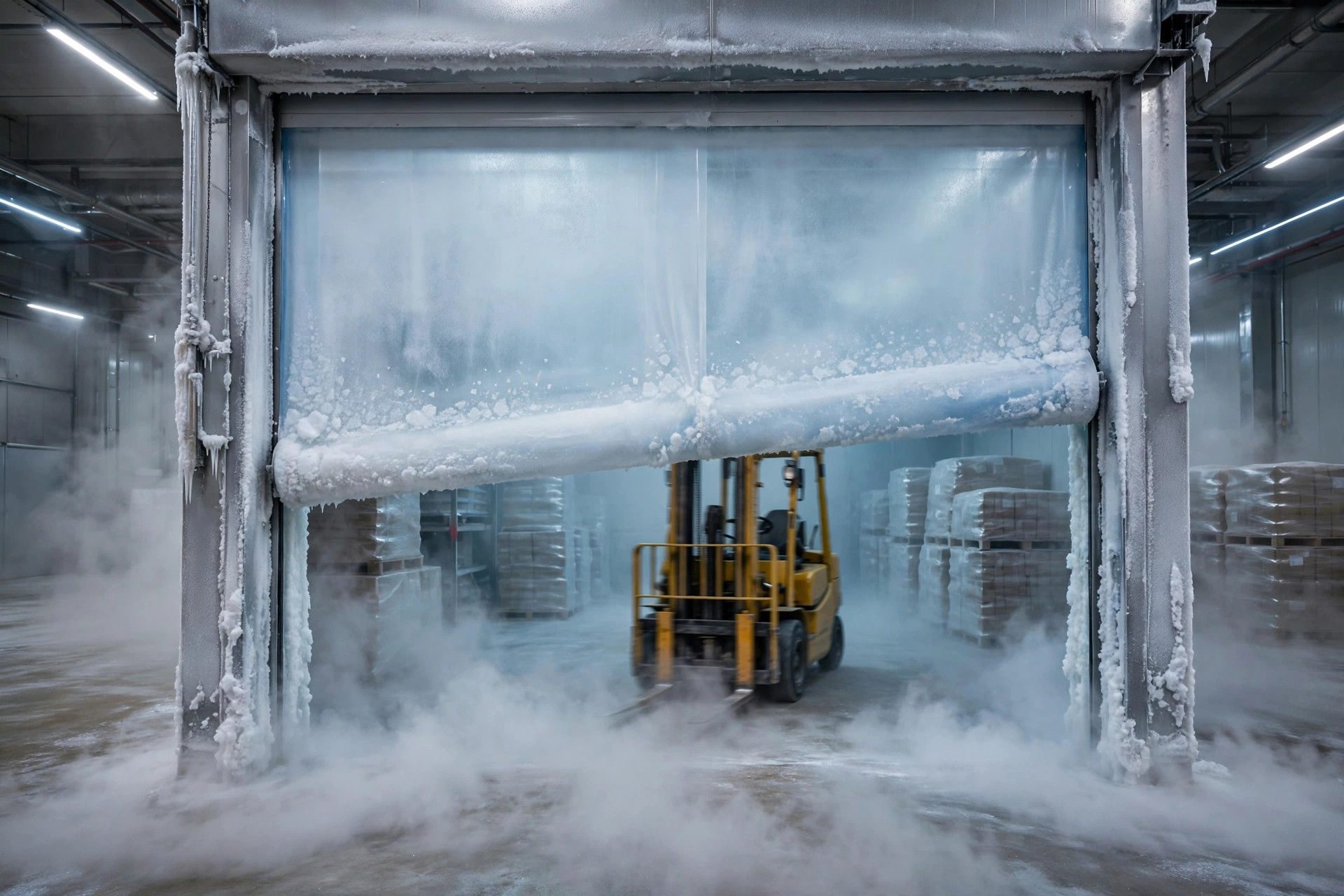
We had a client running fresh milk delivery for a regional convenience chain. In the summer of 2023, in Guangdong, a single lapse in dairy warehouse cold chain storage cost them a whole truckload. The story sounds small: a truck unloading at the cold store dock, doors open, forklifts running back and forth for over forty minutes, pallets sitting on the dock in room-temperature air. Spot checks at receiving looked fine. By day three, stores were complaining, and a batch of fresh milk had turned early. The whole batch came off the shelves, the client paid the stores, and lost a channel they had worked with for two years. The buyer on the phone asked exactly one question: did your cold chain actually break or not? We could not answer, because those forty minutes on the dock had no temperature record at all.
That is the brutal part of this business. The goods look fine, and the bill arrives later. Fresh milk and yogurt carry shelf lives measured in days or weeks, not months, so there is no time to sit on a problem. One break does not cost you a few cartons. It costs you a batch, a channel, and a chunk of trust. For years now, before I talk price on any dairy deal, I get three gates written into the contract first.
Dairy Warehouse Cold Chain Storage Gate One: Temperature Must Never Break
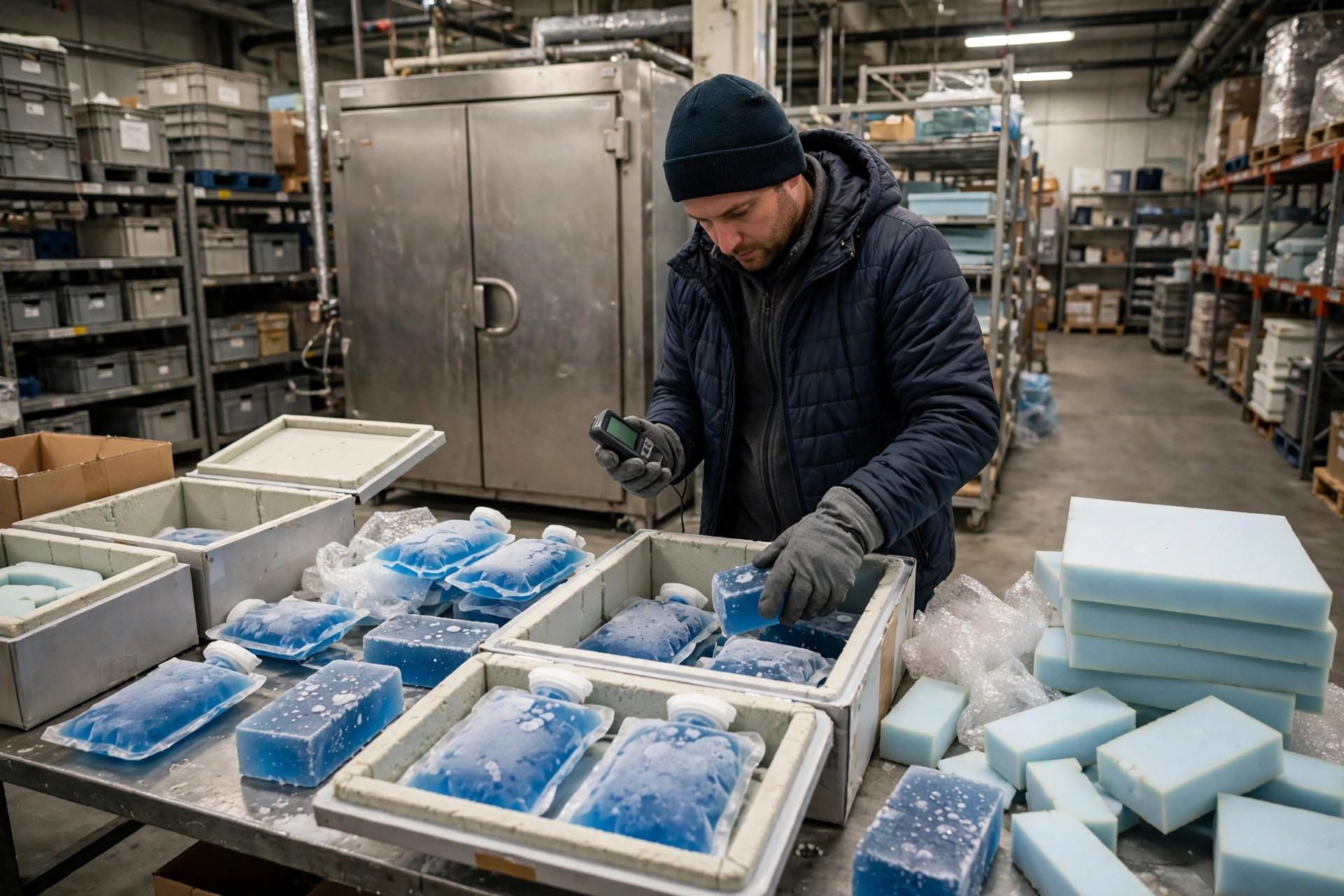
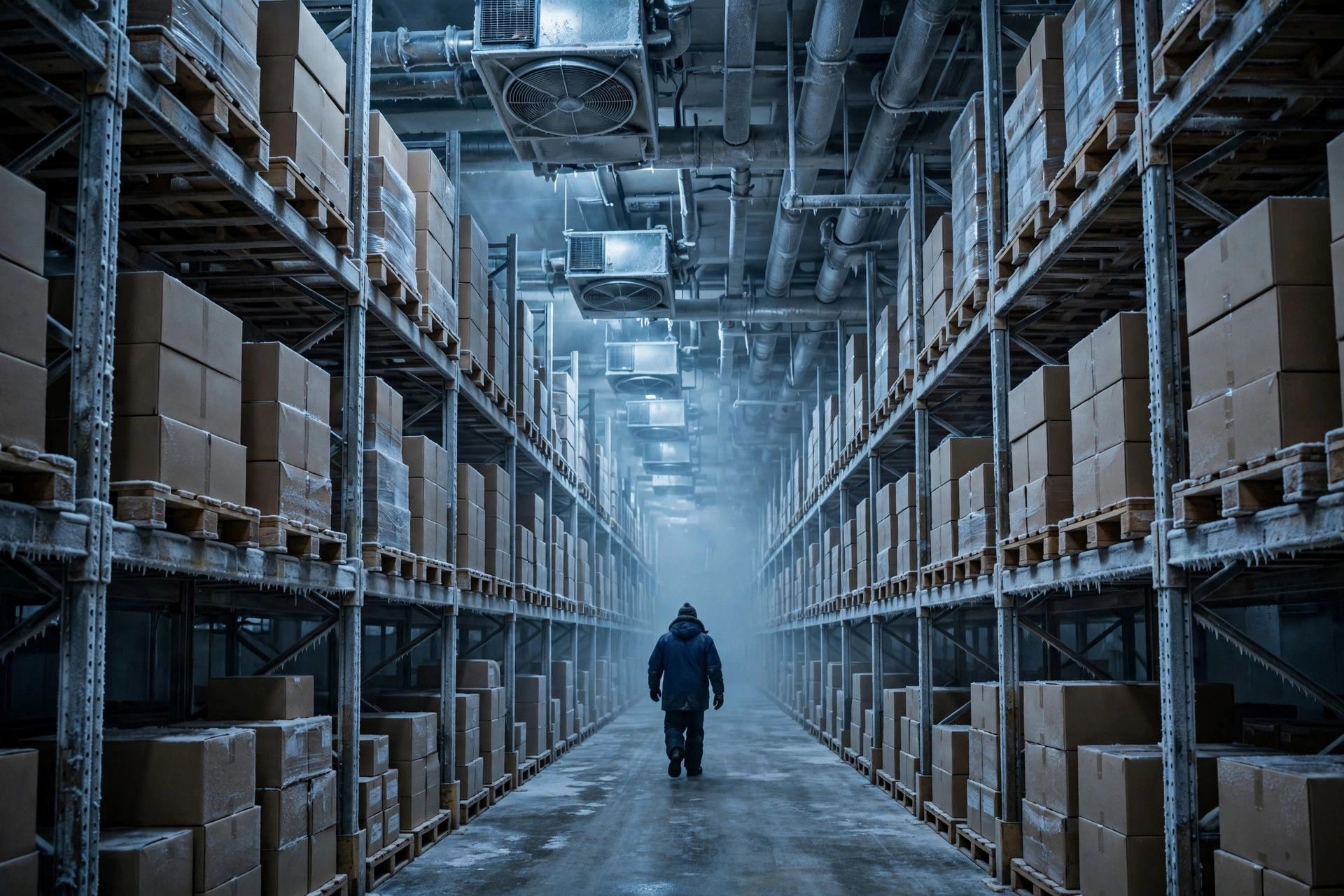
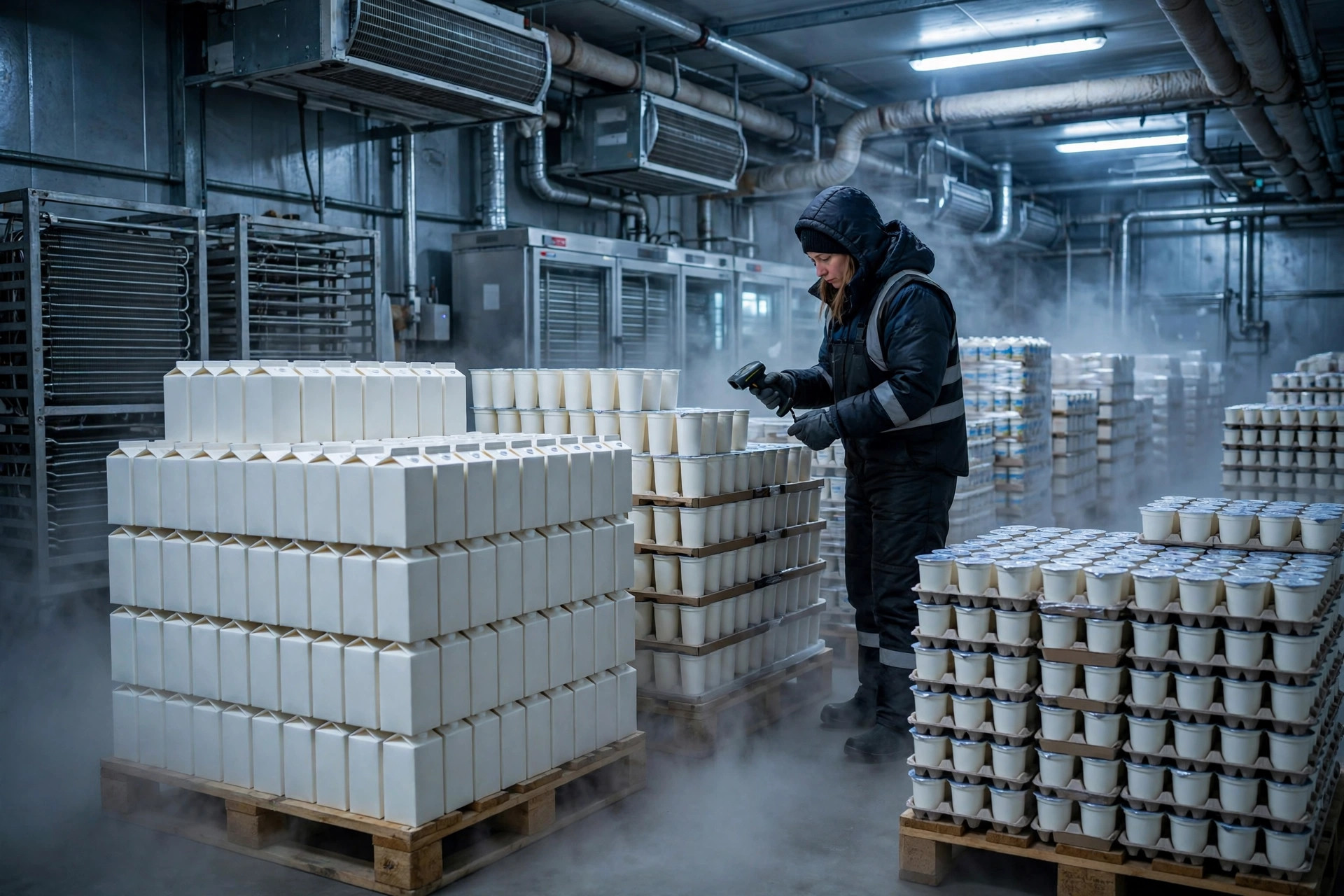
We had a client in East China, a yogurt brand pushing out more than two hundred pallets a day in peak season. Their cold store ran two zones: fresh milk and yogurt in chilled storage, ice cream in a separate frozen zone. That sounds like common sense, and the execution is where it all lives. One night a chiller unit alarmed, the night shift assumed it was a false alarm, and by morning one zone had drifted for hours. The yogurt looked perfectly normal. The client isolated the whole zone, sampled it, and scrapped more than thirty pallets. Painful, and correct. Dairy does not decline politely. It holds, holds, and then falls off a cliff.
So gate one comes down to four practices, each with a paper trail. First, keep zones physically separate. Chilled and frozen never share a zone, because ice cream that thaws and refreezes never comes back in texture or quality. Second, record temperature continuously, with probes in the middle of the pallet stacks rather than at the air outlet, and cover the gray areas too: the dock and the staging area. Third, put a clock on loading and unloading. The timer starts when the truck door opens, and anything that sits out too long gets isolated before it is released, never after. Fourth, have a break plan: when an alarm runs past a set window, a backup unit takes over and the affected batches are locked down. Nobody ships first and files paperwork later.
Most buyers in negotiation ask only what temperature the store runs at. That is not enough. Ask whether temperature records can be pulled by batch. Ask whether dock dwell time is timed. Ask who has the authority to release a batch after an alarm. Those three questions will tell you within minutes whether you are dealing with a real cold chain operator or someone who just hung a sign on a cold room.
Dairy Warehouse Cold Chain Storage Gate Two: Shelf Life Must Never Get Messy
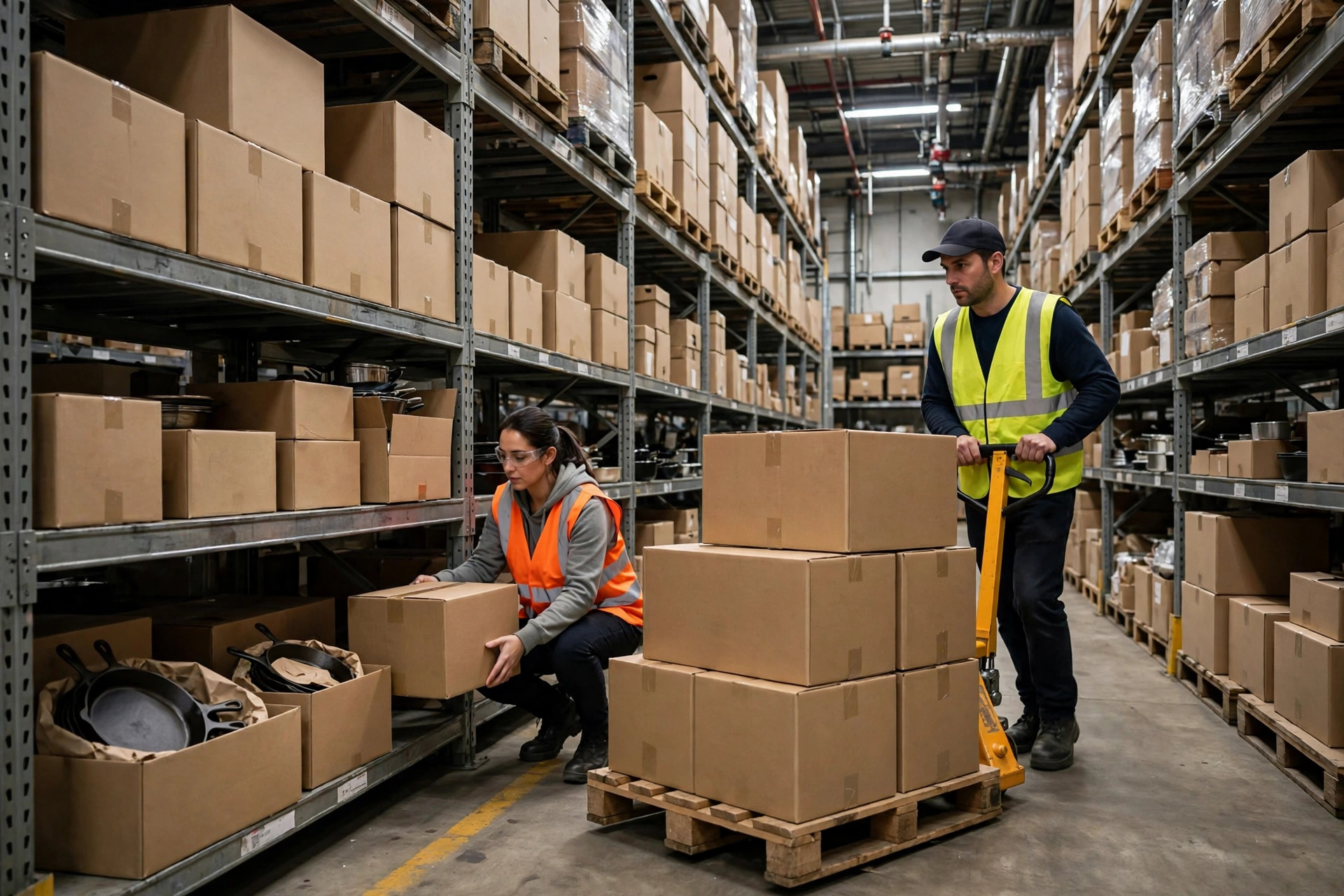
Dairy differs from meat in one decisive way, and it is not temperature. It is shelf-life logic. Meat can sit frozen for a long time. Dairy lives or dies by the handful of days printed on the pack. First in, first out often fails here, because the batch that arrived first is not always the batch that expires first. What works is first expiry, first out: pick by expiry date, not by arrival date.
We had a client in North China distributing imported butter and cheese in late 2023, picking strictly first in, first out. At year-end stocktake they found a corner full of stock with barely two weeks of life left, while fresher stock with two months to run had already shipped. Nobody was lazy. The system only knew arrival dates, not expiry dates. The fix was two changes: record the expiry date on every batch at receiving, and let the pick list sort by expiry. Then add a weekly expiry watchlist, with stock inside thirty days flagged red and stock inside fifteen days moved to its own clearance area. Within three months, near-expiry write-offs had fallen by more than half.
Here is an insider detail buyers rarely catch. Many contracts promise "guaranteed shelf life" without defining what counts. Fresh milk arriving at a store with two days left: is that acceptable? In my experience, two clauses must be in writing. One, a minimum remaining life at dispatch, stated in days. Two, who pays for near-expiry stock and how it is handled. Leave either one vague, and near-expiry stock becomes the thing both sides argue about at the end of every quarter.
Gate Three: No Batch Trace, No Recall Worth the Name
Gates one and two protect ordinary days. Gate three protects the day something goes wrong. When a dairy quality problem surfaces, a recall is won or lost on one question: can you lock down the affected batches within hours? If you cannot, the recall spreads to the whole batch, then the whole month, and the bill multiplies.
The method is simple. The discipline is the hard part. Record every inbound batch: which plant, which line, which production date, which location it went to. Pick by batch, and put the batch number on the paperwork, not just the product name. Quarantine returns separately and never mix them back into good stock. And run a mock recall every month: pick a batch at random and see how long it takes to list every store it reached. Clients doing this for the first time usually need most of a day. By the third run, most get it down to an hour or two.
| Where the money goes | Rough scale | What skipping it costs |
|---|---|---|
| Batch-level temperature logging and alarms | A few thousand in equipment and service each month | One broken chain: a batch plus channel claims, many times that amount |
| Expiry watchlist and clearance area | Almost nothing, mostly process and a board | Near-expiry stock piling up until it is written off, a truckload in the bin |
| Monthly mock recall | Half a day of labor | A real recall you cannot scope, so the losses double |
The counterintuitive conclusion from that table is that what dairy warehouse cold chain storage really sells is not floor space, it is granularity. A bigger warehouse is not a safer warehouse. Coarse batches and thin records mean a bigger bill when something goes wrong. A small store with clean zones, clear expiry, and tight batch records will beat a big sloppy one every time. That is also my leverage on price: a cheap quote that drops logging and expiry watch is not cheap. One incident wipes out the savings and then some.
Three Questions to Ask Before You Sign
One, can temperature records be pulled by batch, and does dock dwell time count? Two, is there a written minimum remaining life at dispatch, and who pays for near-expiry stock? Three, how fast can a mock recall lock down one batch, and is there a drill record to prove it? Once those three answers are on the table, the rest of the contract, liability, compensation, and acceptance criteria, finally has something to stand on. In this business the contract is never just a price per pallet. It is an answer to the question that matters on the worst day: who can produce the evidence, and who carries the loss. Evidence is written down on ordinary days, so that on the bad day nobody has to argue from memory.
By Susan, 3PL Sales Director