HTS and HS Codes: The First 6 Digits Are Global. The US Adds 4 More.
Here is the one sentence to remember about HTS and HS codes: the first six digits of a product's classification code are the same all over the world, and the United States adds four more digits on top. Get the first six wrong and you have the wrong product in the eyes of customs. Get the last four wrong and you can still pay the wrong duty in the US. I have seen both mistakes, and the second one is the one that quietly costs money for years.
The system is called the Harmonized System, or HS. It is maintained internationally so that a machine part means the same thing in Shanghai, Rotterdam, and Los Angeles, at least for the first six digits. The US version is the Harmonized Tariff Schedule, or HTS. It keeps those same first six digits and adds four US-specific digits: two for the tariff line and two for statistical purposes. The HTS is maintained by the US International Trade Commission. That structure is the whole game. Everything else is execution.
Why One Digit Can Change the Duty
Classification is not paperwork for its own sake. The code decides the duty rate, whether extra tariffs apply, whether a license is needed, and how long customs takes to clear the goods. A product that sits in the wrong chapter can look like a different product entirely.
Take automated warehouse equipment, the kind of thing I see every week: conveyors, sorters, racking, control panels. Some of it belongs with machinery, some with electrical equipment, some with parts. The difference between two neighbouring headings can be a different duty rate and a different set of additional tariffs, including Section 301 tariffs where they apply. I will not quote a specific rate here, because rates change and the current figure is whatever the official HTS and the relevant tariff notices say today. Check the official source before you file, every time. The point is not the number. The point is that the number follows the code, so the code is where the money is decided.
The trade-off is familiar to anyone who imports: classify aggressively and you might pay less duty this month, then pay it back with interest and penalties after an audit. Classify conservatively and you pay more than you need to, shipment after shipment. There is no free choice here. The cheap answer now is often the expensive answer later.
The mistake I watched unfold happened a few years ago. An importer I worked with brought in a set of automated sorting units from Asia for a new distribution centre. The forwarder had classified the units under a general machinery heading. On paper it looked reasonable. The machines moved boxes, so they were machines. That was the logic, and it was wrong.
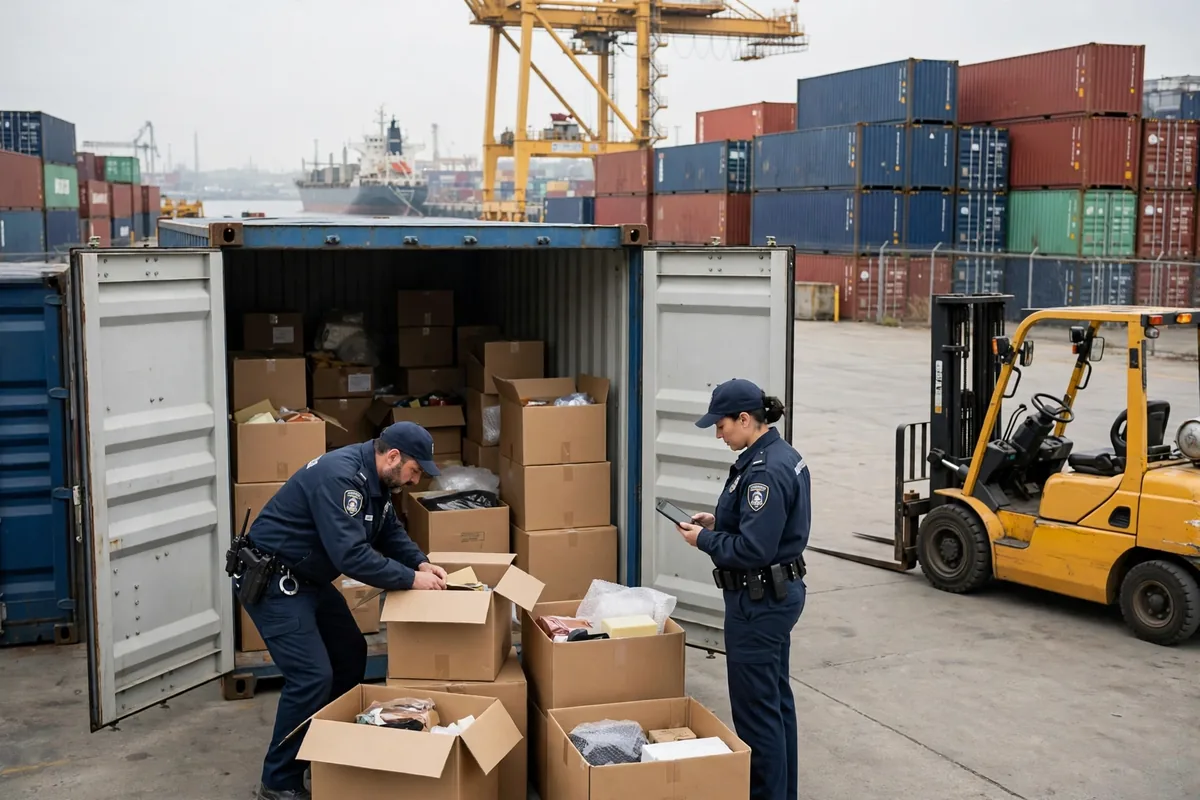
Customs held the shipment for examination. The officers opened a container, checked the control units against the declaration, and asked for the technical sheets. The classification did not match the function of the equipment as customs read it. The importer had to reclassify, pay the additional duty, and wait. The figures in this story are a scenario illustration: the extra duty ran into five figures in dollars, and the delay was several working days, with a launch date slipping behind it. The real cost was not the duty. It was the launch. The warehouse had staff hired, a go-live date printed, and a line of empty racking waiting for equipment that was sitting in a yard under a customs hold.
The importer had done nothing dishonest. They had trusted a heading that sounded right and never asked a second person to check it. That is how most classification errors happen. Not fraud. A plausible guess, filed once, then repeated on every shipment after it.
An HTS and HS Codes Checklist for Importers and Warehouses
Use this before the goods ship, not after they arrive. A checklist used early is cheap. The same checklist used late is a rescue plan.
- Write down what the product does, in one plain sentence, before you open the tariff schedule
- Identify the material, the function, and the essential character: which one actually defines the product?
- Read the chapter notes and the section notes, not just the heading text; the notes decide more cases than the headings do
- Check the first six digits against the international HS, then add the four US digits separately
- Confirm whether Section 301 or other additional tariffs apply to that HTS number, using the official source current at filing time
- Keep the technical sheet, the photos, and the supplier's description with the entry file, so the next shipment uses the same reasoning
- Have a second person review any first-time classification, and any classification where two headings both look plausible
- Record the reasoning in writing: why this heading, why not the neighbouring one
The last item matters most. If you cannot write down why you chose the code, you did not classify it. You guessed it. Customs does not punish guessing that happens to be right. It punishes guessing that was never checked.
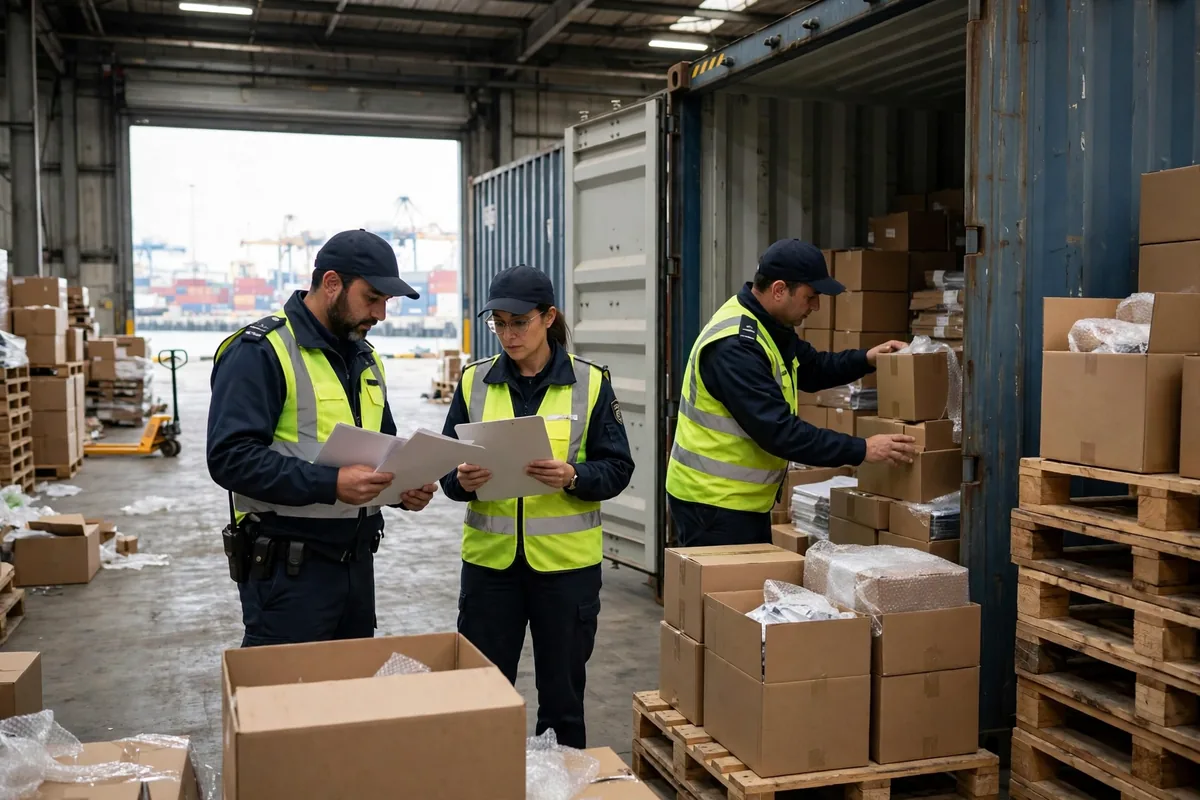
Warehouses rarely file the entry, but they live with the consequences. The receiving team is the first to see that the goods do not match the paperwork. A pallet marked as one thing, a packing list describing another, a serial plate that belongs to a different model. When the receiving team flags the mismatch early, the broker can fix the filing before the container is opened by customs. When nobody flags it, the mismatch is discovered at the worst possible moment.
So the warehouse job is simple: compare the physical goods against the commercial invoice and the packing list at receiving, photograph anything that does not match, and send it to the broker the same day. Do not put the goods away and hope the paperwork catches up. Paperwork never catches up on its own.
What To Do With a Code You Are Unsure About
First, do not file a guess and move on. Ask the broker for a written opinion, with the reasoning attached. Second, if the value at stake is large or the product will be imported repeatedly, consider a binding ruling request through the proper customs channel. It takes time, but a ruling turns a recurring argument into a settled answer. Third, review your top ten imported items once a year. Products change, suppliers change, tariff notices change. A code that was right three years ago can be wrong today, and nobody will tell you until the audit.
Classification is a boring subject until it is not. It becomes very interesting the week your equipment is sitting in a yard and your launch date is moving. Learn the first six digits, respect the last four, and write down your reasoning. That is the whole discipline, and it is cheaper than learning it the other way.
By Lao Mi, Supply Chain Veteran (20 yrs)