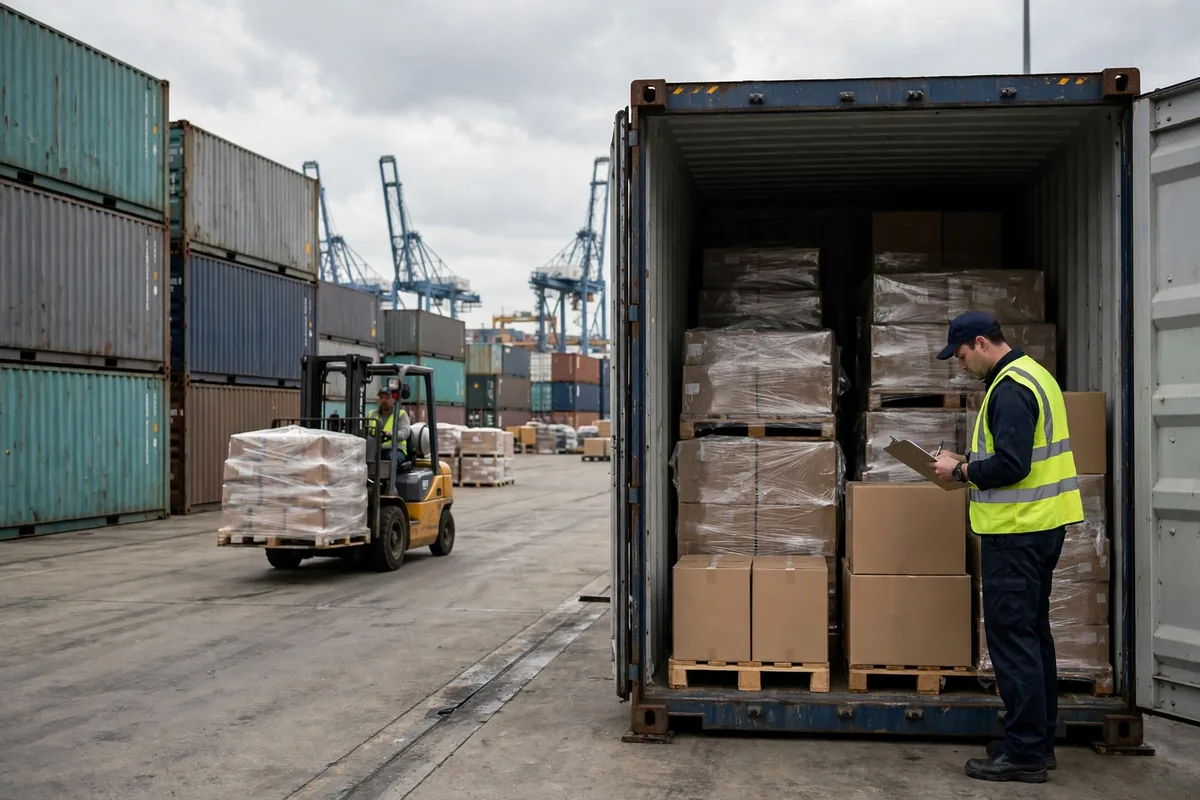
Let me tell you something. After fifteen years behind the wheel, the thing I dread most isn't traffic. It's pulling up to the Port of Los Angeles to pick up a container and seeing a HOLD in the system. The ship's unloaded, the box is sitting right there, but the pickup order won't release — Customs wants to examine it. The importer is blowing up the group chat asking when I'll have it rolling, and all I can say is: wait. Exams don't care about your schedule. So let's walk through customs inspection x ray vacis cet warehouse import the way it actually works on the ground: the three levels of US import exams, what each one costs, how long each takes, and what shippers and warehouses are supposed to do about it.
Three Levels of Exam: X-Ray, Tailgate, Full Strip
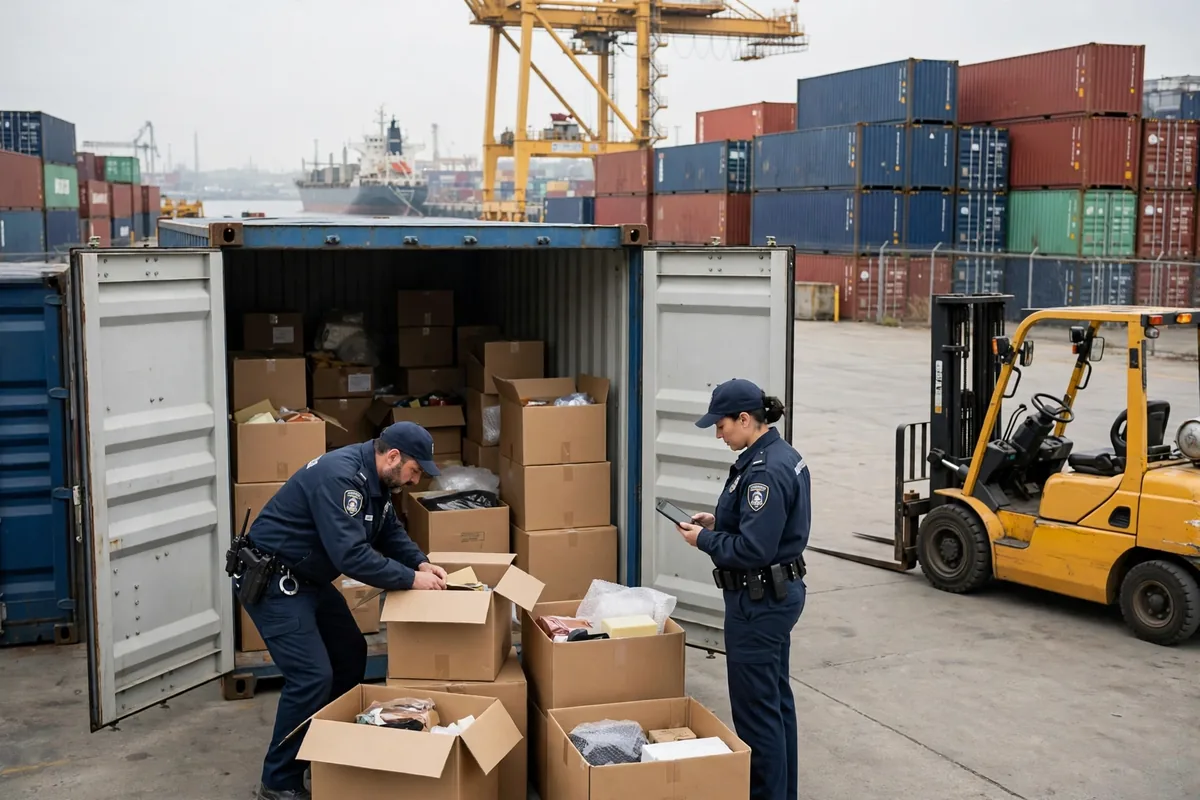
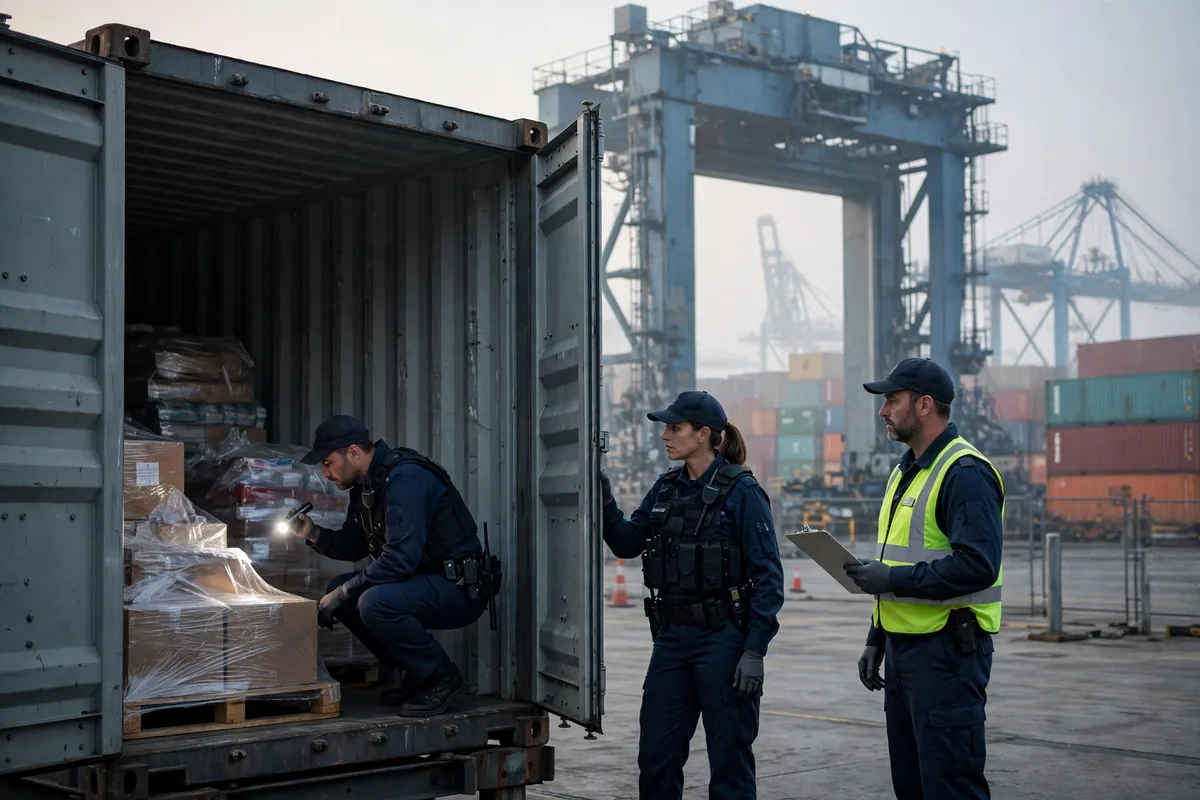
Here's one that happened to me. Summer of 2025, I was pulling a 40-foot box of home goods out of LA. The day after the ship docked, the broker called: the container got picked for an X-ray exam. Nobody opens anything at this level. The whole sealed box rolls through a giant scanner and Customs reads the images on a screen. Well, the image had a shadow they couldn't make out, so it got bumped up to a tailgate exam on the spot: seal cut, doors opened, officers standing at the back looking at the last few rows of cargo, checking it against the paperwork. All clear. Released. Two days lost, a few hundred dollars in exam and extra drayage, and we nearly burned through the free storage time at the terminal.
That was the lucky version. Exams come in three levels, and each one costs more and takes longer than the last:
| Exam level | What happens | Typical cost | Typical time |
|---|---|---|---|
| X-ray / VACIS | Whole box scanned, seal untouched | $150–$350 per container; LCL from about $25 per cubic meter | 1–3 days |
| Tailgate exam | Seal cut, doors opened, rear rows checked | From $100 and up | 2–3 days |
| Intensive / CET exam | Box hauled to an exam station, fully unloaded and inspected piece by piece | $500–$2,500+ | Several days |
(Cost ranges come from published freight-forwarder guides; every port's exam station publishes its own fee schedule, so confirm the actual rates for your port. Under US law — 19 USC 1467 — the importer pays for cargo exams, no exceptions.)
The X-ray level has a formal name: VACIS, the Vehicle and Cargo Inspection System. It uses gamma-ray imaging to photograph the inside of a sealed container, and officers read the pictures. Clean image, the box rolls out with the seal still on. Something looks off, it escalates to a tailgate. Tailgate still doesn't clear it, the box goes to an exam station for a full strip.
The third level is the one everybody dreads, and it's usually tied to a CET exam. CET is the Contraband Enforcement Team — they hunt narcotics, weapons, and other contraband. There's also the MET, the Manifest Examination Team, which checks whether the cargo matches the documents. A full intensive exam means your container gets trucked to a Centralized Examination Station, a privately run facility, where workers unload everything, open cartons, count quantities, and pull samples. Three or four days is normal, and the bill routinely passes $2,000 once you add drayage and the storage fees piling up while the box sits there.
Your Box Got Flagged for Customs Inspection: What Shippers and Warehouses Do Next
Here's another one, a full strip. Late 2024, an importer's box got flagged by CET at Long Beach and hauled to the exam station for a complete unload. The importer was stunned — my cargo is clean, why me? I told him, relax, it's not about you.
Here's the part most people get backwards: an exam is usually not Customs targeting you personally. Most of it is the system. Customs runs an automated targeting system that scores your entry data — commodity, origin port, declaration history — and high scores get examined. On top of that there are random exams, so even a straight shooter can get picked. And the exam fee has nothing to do with the value of your goods — it depends on the container type, the port, and the exam level. A box of cheap small goods can still land you a $2,000-plus exam bill.
When a shipper gets flagged, step one is calling the broker to find out exactly which level of exam, which facility, and who bills what. Exam charges have to be paid before the container is released, and every day you drag your feet, demurrage keeps ticking. Step two is telling the warehouse: the box is arriving days late, so the receiving, devanning, and putaway plan all moves back — don't leave the warehouse crew standing around waiting. Step three is keeping evidence: photograph everything that comes out of an exam station, because if something is short or damaged, photos are the only argument you've got. That paper trail is the only leverage you have if a customs inspection damages or shorts your cargo.
The warehouse side has its own playbook, and I've seen a good one up close. A warehouse I work with does it like this: when an exam notice comes in, they verify the container and seal numbers against the bill of lading before the truck even arrives. During devanning they photograph everything — how the cargo was stacked, what got opened, what condition it's in. After the exam they restore the load the way it came, seals and marks intact. And they log every exam-related charge on its own line so the monthly reconciliation with the importer is clean. What warehouses fear most is the cargo coming back scrambled and the importer claiming something went missing — with photos, there's no argument.
One thing a lot of importers don't know: exam stations are privately operated, and they charge off their own published fee schedule. That's governed by 19 CFR Part 118. If a fee looks wrong, ask your broker for the schedule and check it line by line — but don't expect to negotiate it down. By law, the importer pays.
How to Face Fewer Customs Inspections: Clean Paperwork, No Shortcuts
You can't dodge exams entirely, but you can get picked less often. Fifteen years on the road, and it comes down to a few plain rules — this is customs inspection x ray vacis cet in practice, and the system notices the details:
First, keep your paperwork honest. Bill of lading, commercial invoice, packing list — all three have to agree on product name, quantity, and value. File the Importer Security Filing (ISF) a full 24 hours before the vessel loads, not after the ship has sailed. Play games on the paperwork and an exam can eat a year's profit.
Second, don't write vague product names. "General merchandise" or "miscellaneous goods" earns you extra points in the risk scoring before anyone even looks at the X-ray. Say what it is, what it's made of, what it's for. When the officers read the scan, knowing what's supposed to be inside makes them less likely to escalate.
Third, build exam time into your pickup plan. Peak season is already congested, and an exam adds three to five days without blinking. Plan receiving as "vessel arrival plus five days," not "vessel arrival day," or one delay cascades through the whole schedule.
Fourth, ask your broker before you ship anything sensitive. Anything with batteries, magnets, food, or plant products can pull in other agencies — FDA, USDA, and their exams are a whole separate process. One question up front beats scrambling for documents at the port.
Fifteen years on the road, and I only trust one rule: do the paperwork straight, and an exam is just a formality. Cut corners on the paperwork, and an exam can wipe out a year's profit. Shippers keep the documents clean, warehouses keep the receiving, photography, and restoration process tight — and when an exam comes, nobody panics.
By Shifu Zhao, Trucking Veteran (15 yrs)