A customs detention is the phone call every importer dreads — and what you do in the first 24 hours decides whether you lose a week or lose the whole container.
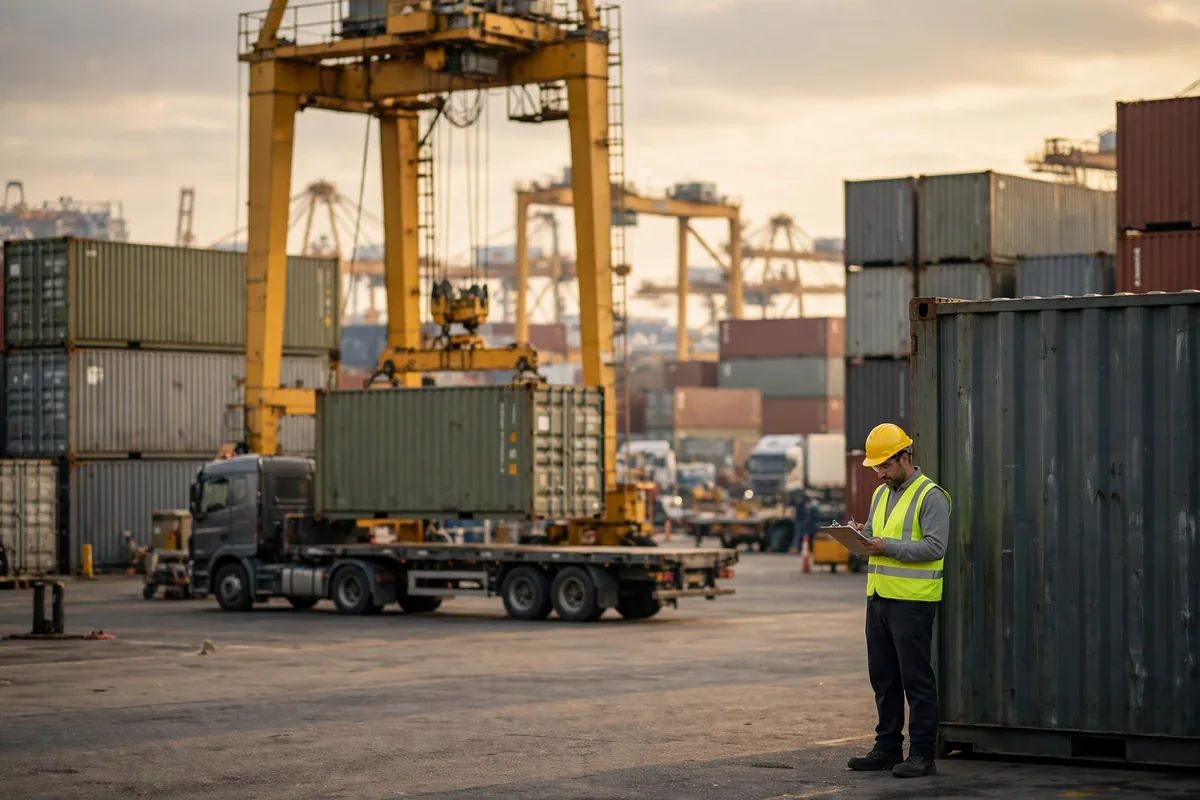
We had a client — a home-goods importer — who shipped a container from Shenzhen to the Port of Los Angeles in August 2025, about $40,000 worth of goods. On the third day after arrival, the broker called: Customs had detained the shipment for examination. The client's first reaction was panic. The second was to call me and ask if I could "do something about it."
Here's the honest answer: there is something to do, but it's not a favor I can pull. It's a choice among three paths. After a customs detention, an importer really only has three: cooperate with the exam and get the goods released, abandon the shipment, or export it back. Pick the wrong one, and the loss can be several times larger. That client chose to cooperate — they supplied origin documents and product test reports, waited nearly three weeks, and paid several thousand dollars in exam and storage fees. The goods survived. But the shipment missed the fall reset, and they lost a month of peak-season sales. That's the real cost of a detention. It's never just money. It's time.
First, the most important thing to understand: detention is not seizure. When U.S. Customs detains merchandise, it generally has up to 30 days from the date the goods are presented for examination to decide whether they are admissible, and it must send a detention notice within five business days of that decision, explaining why the goods are held and what it needs. If Customs neither releases the goods nor takes formal action within the window, the merchandise is treated as excluded, and the importer has the right to file a protest. Detention means Customs is still deciding. Your job inside that window is to get the evidence in and pick the right path.
Path one: cooperate with the exam and wait for release
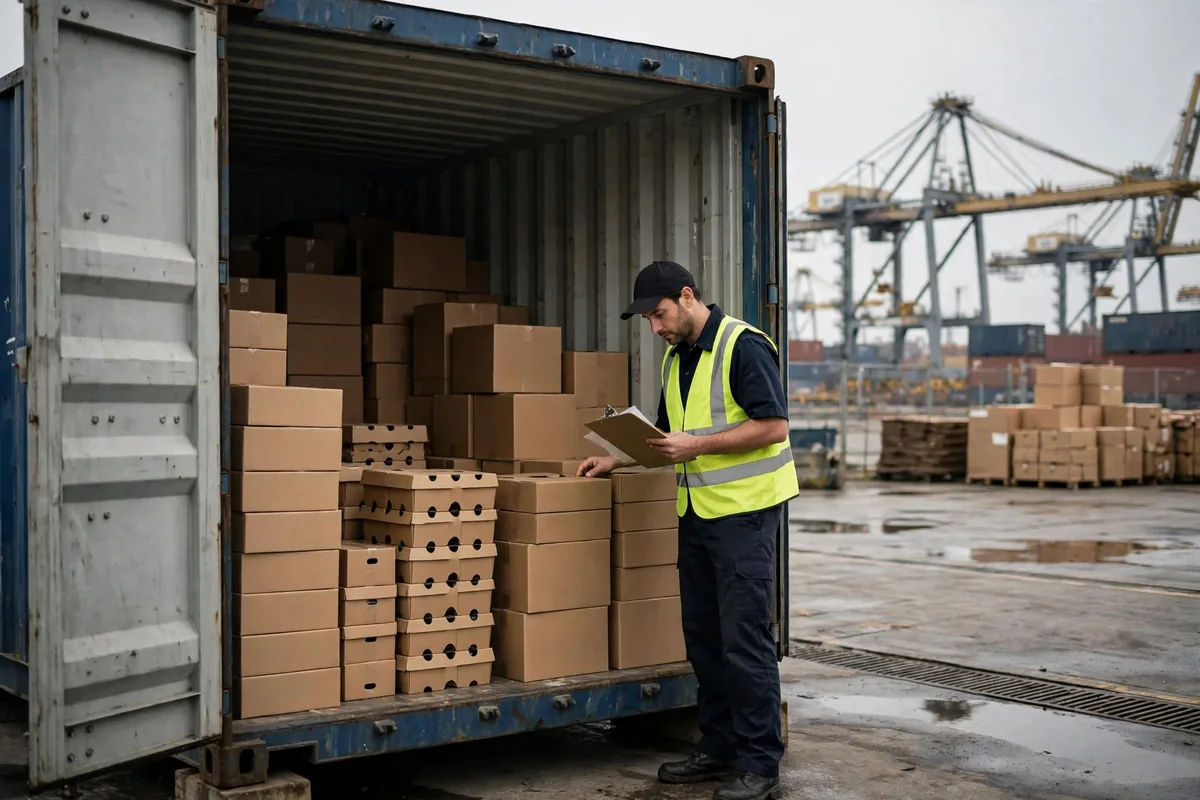
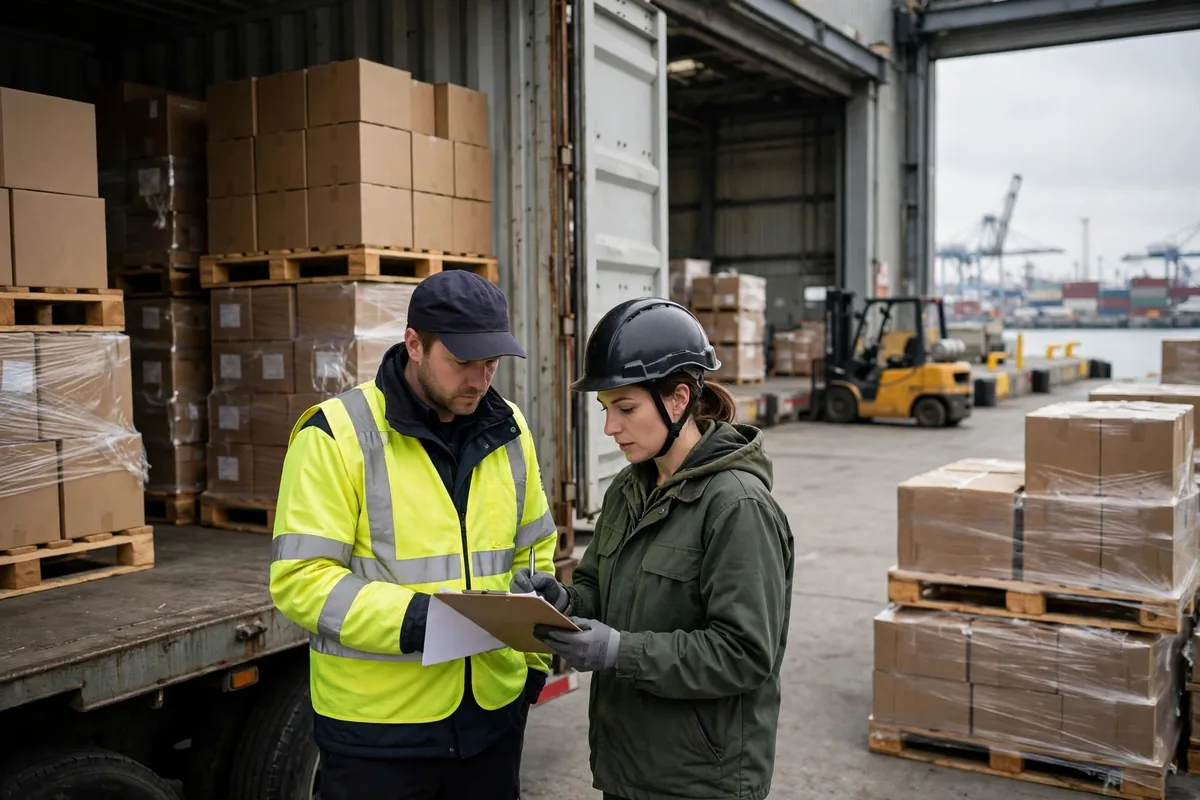
This is the default choice for most importers, and the most dignified one. Customs asks for documents, you provide them: commercial invoice, packing list, bill of lading, certificate of origin, product compliance files, supplier records. Whatever is missing, you supply it — fast.
The cost structure is what hurts. Exam fees, devanning, demurrage, and storage charges keep accruing every day the exam runs. Exact fee schedules vary by port and exam type, so check CBP's official site for the latest policy — I won't quote numbers that go stale in three months. What matters is the structure: the meter runs daily, and the longer you wait, the heavier the bill.
Timelines usually run a few weeks. Clean paperwork and a simple issue can clear in two to three weeks. Origin questions, intellectual-property flags, or lab testing can stretch past a month. Another client of ours in 2024 had a shipment of light fixtures held for five weeks because the model number on the certification didn't match the physical goods. Storage and demurrage ended up costing more than the profit on the whole order. The goods were eventually released, but the order was effectively worked for free.
Cooperating fits one situation: the goods are valuable, the problem is fixable with paperwork, and the market is still waiting for them. If the value is low and the documents can't be fixed, fighting it out is just burning cash.
Path two: abandonment — walk away from the goods
Abandonment sounds like defeat, but sometimes it's the most rational move. The importer submits a written notice of intent to abandon, and Customs disposes of the merchandise. One detail people miss: abandoning the goods doesn't necessarily zero the bill — storage and disposal expenses already incurred may still fall on the importer, depending on current CBP policy and port practice.
When should you abandon? We use a rough rule of thumb: add up the costs already incurred plus a realistic estimate of what it takes to keep fighting, and compare that against the value of the goods. If the costs have already passed half the cargo value and release is nowhere in sight, abandonment usually wins. If that Los Angeles client's cargo had been worth $10,000 instead of $40,000, and exam and storage had already run to $6,000, walking away would have been the right call.
There's also a hidden benefit: speed. No waiting for an exam slot, no wrestling with documents. One letter, and it's over. For a small importer tight on cash, how fast you stop the bleeding is itself worth money.
The cost is real, though. The goods are gone, the supplier still expects payment, and any dispute with the supplier still has to be fought. And an abandonment stays on your record with Customs — importers who abandon frequently can expect a higher exam rate next time.
Path three: return shipment to origin
Returning the shipment means sending it back to the port of origin or on to a third country. It fits a clear situation: the goods still have a market back home, or the supplier will take them back for rework and resale. The cost is return ocean freight, export declaration fees, and receiving charges at destination — usually more than abandonment, but cheaper than fighting an exam, as long as the goods still hold residual value.
Leave enough time. A return isn't yours to decide unilaterally; it needs Customs approval to export, then booking, declaration, and loading — two to four weeks at best, longer when the process drags. And there's a trap: for some detention reasons, such as intellectual-property infringement or prohibited goods, Customs may not approve a return at all. Your only options then are abandonment or destruction. Always confirm with your broker first that a return is even permitted.
We had a client in early 2025 whose branded bags were detained. They chose return. Back in Shenzhen, the goods were repackaged, the logos removed, and sold into the Southeast Asian market. They lost money — but recovered about 60 percent of the cargo value. Better than abandonment, and better than fighting an exam.
Choosing between the three: a side-by-side table
| Cooperate and clear | Abandon | Return | |
|---|---|---|---|
| Best for | High value, fixable with documents | Low value, costs already over half the cargo value | Goods still sellable elsewhere |
| Cost | Exam + storage, accruing daily | Incurred costs may still be owed | Return freight + declaration fees |
| Timeline | Two to four weeks, longer if complex | Fastest — one letter settles it | Two to four weeks, needs approval |
| Risk | Exam may fail and escalate to seizure | Goods lost; exam rate may rise | Some categories can't be returned |
| Documents | Invoice, packing list, origin cert, test reports | Written notice of intent to abandon | Export declaration, booking, original bill of lading |
Before you choose, ask yourself three questions: What is this cargo worth? Can the problem be fixed with documents? Is the market still waiting for it? Answer those three, and the path mostly picks itself.
The counterintuitive part: abandonment can be cheaper than fighting. Most importers treat abandonment as surrender — the big loss. In detention cases, the opposite is often true. The most expensive choice is usually "let's wait and see." Exam and storage fees roll daily, and every day you hesitate, the bill gets thicker. I've watched an importer fight six weeks to save a $20,000 container, spending over $10,000 on exam and storage, only to have the goods released into a market that had already moved on. Money spent, goods unsold. That's losing twice.
Abandonment isn't failure. It's a stop-loss. Real failure is burning your cash on the wrong path. A detention isn't a test of who is tougher. It's a test of who does the math fastest and decides earliest.
Next time you negotiate a contract, ask these three questions. First, can the supplier provide a full set of compliance documents — and is that written into the contract? Second, what is your stop-loss line between cargo value and exam costs — decide it in advance, not mid-crisis. Third, has your broker handled a detention before, and can they give you a costed comparison of all three paths within hours of the detention notice? Get those three answers, and the next detention won't catch you flat-footed.
By Susan, 3PL Sales Director