Shipping an 8-pound small parcel that costs more than the product inside — I put up with that for two years. Then another seller told me about USPS cubic pricing for small parcels, and I realized I'd been overpaying like an idiot for two years.
Honestly, small-and-heavy sellers get the worst deal: the product itself is cheap, it's dense, and the box is tiny. Weight-based pricing treats you like you're shipping dumbbell plates by the pound, and UPS's DIM game eats you from both sides. Time to fix that.
What cubic pricing actually is: volume only, weight doesn't matter
Cubic pricing is a USPS thing. One rule: they charge by volume, not weight.
The math: length × width × height (inches) ÷ 1728 = cubic feet. An 8-pound box and an 18-pound box of the same size cost exactly the same — weight doesn't exist in cubic-land.
Two products: Priority Mail Cubic (up to 0.5 cubic feet, 1–3 days) and Ground Advantage Cubic (up to 1.0 cubic feet, 2–5 days), both capped at 20 pounds. On July 12, 2026, USPS loosened one rule: the longest side for cubic went from 18 to 22 inches (DMM 223.1.3 / 283.1.3). Long skinny items fit now; the weight and volume caps didn't change.
Here's the counterintuitive part: cubic isn't better the lighter you go — it's better the heavier you go. Light products gain nothing from cubic; they're already cheap by weight. This product is a back door built for people selling dumbbells, hardware, and cast-iron anything.
Quick self-test: compute your hero SKU's cubic feet. Under 0.5 cu ft and over 5 lbs? Cubic probably wins. Under 3 lbs? Stick with Ground Advantage by weight and don't overthink it.
The math: same parcel, three ways to ship it
Two of my own SKUs, real numbers.
SKU A: cast-iron door stop, 15 lbs, box 10×8×6 in → 480 ÷ 1728 = 0.28 cu ft
SKU B: stainless cookware set, 9 lbs, box 8×8×6 in → 384 ÷ 1728 = 0.22 cu ft
| SKU A (15 lb / 0.28 cu ft) | SKU B (9 lb / 0.22 cu ft) | |
|---|---|---|
| Priority Mail by weight | Heavy = painful, most expensive | Moderate |
| Ground Advantage by weight | Better than Priority, but 15 lb still hurts | Decent for lighter stuff |
| Cubic pricing | Only 0.28 cu ft counts, 15 lb ships free — cheapest | 0.22 cu ft, cheapest too |
| Verdict | Cubic wins by a mile | Cubic still wins |
USPS adjusts rates every year and cubic is tiered by 0.1 cu ft bands — check the latest price table on usps.com. But the direction never changes: same box, heavier contents, bigger savings versus weight-based pricing.
Why is cubic so much cheaper? The logic is blunt: USPS's sorting and transport cost is mostly about "space in the truck," not "weight on the belt." A small dense box takes up a fraction of the room of a box of paper towels — why pay for 15 pounds? Cubic hands that overcharge back to you. Flip side: big light "puff" products eat space, so cubic costs more for them — puff sellers, sit this one out.
Case time. October 2024, my Dallas 3PL: a 6-pound cast-iron door stop in a 9×7×5 box (0.18 cu ft). I was shipping Ground Advantage by weight, 400+ labels a month in peak season. After switching to cubic, per-label cost dropped hard — one month's savings covered two extra weeks of inventory. Amazon changed the rules again, FBA fees keep climbing, so every cent of self-fulfilled shipping has to be squeezed — cubic is where I squeezed it.
Skip UPS — here's how to actually get cubic pricing
Short answer: "cubic pricing" is a USPS-only term. UPS and FedEx don't have a product by that name.
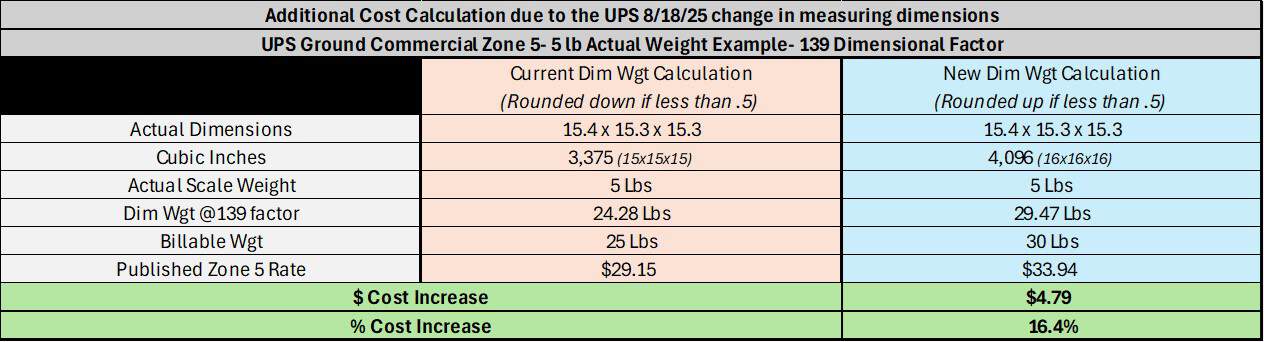
UPS has its own DIM weight (divisor 139): they charge whichever is greater, actual versus dimensional — small heavy parcels just pay actual weight at UPS, no discount magic. UPS's closest equivalent is Simple Rate (box size + zone), FedEx has One Rate, but neither is "pure volume, load up to 20 lbs." So for small heavy parcels, USPS cubic is basically the only game in town. Only when you're over 20 lbs or over the volume cap is it worth going back to negotiate UPS rates.
The biggest trap isn't using cubic wrong — it's that most sellers don't know where to buy it. You can't get it at the post office counter or on USPS.com. USPS direct contracts need around 5,000 Priority pieces a month. Forget it.
Two paths:
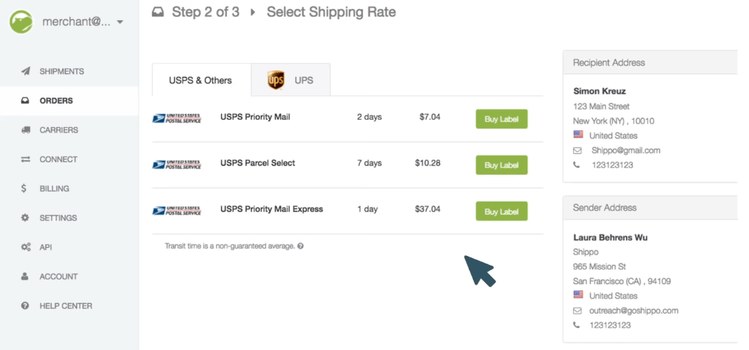
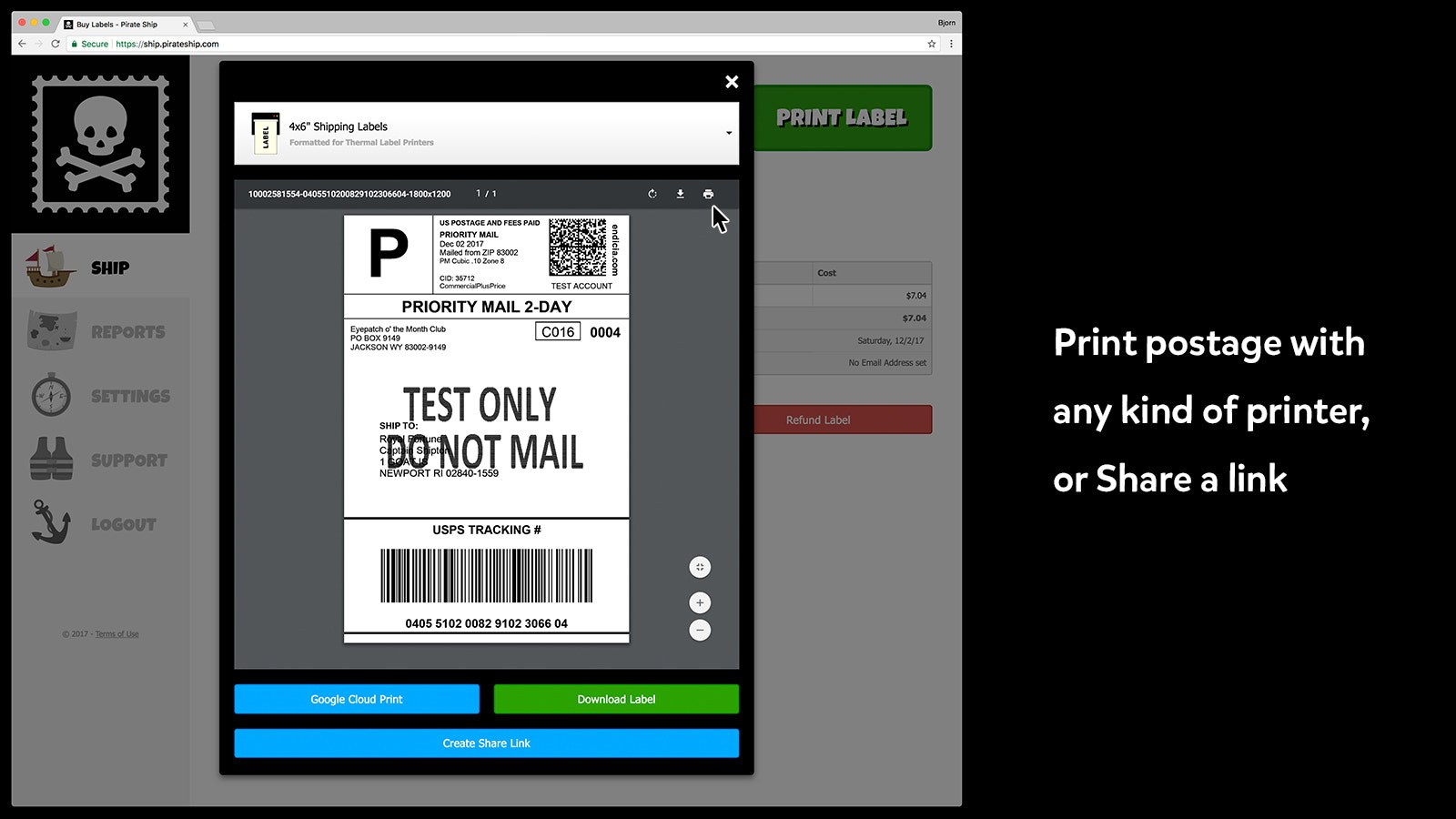
- Pirate Ship: free, dead simple. My daily driver. Sign up → add your ship-from/return address → connect a printer (thermal or regular) → when creating a label pick Priority Mail Cubic, enter the three dimensions, and the system computes cubic feet and matches the tier automatically. Five minutes total.
- Shippo: per-label fees, better past ~200 labels a day, or if you need API access to bulk-print from your own ERP. More features, but they take a cut of every label.
Quick comparison:
| Pirate Ship | Shippo | |
|---|---|---|
| Cost | Free | Per-label fees |
| Learning curve | Dead simple, solo-seller friendly | More features, slightly complex |
| Bulk / API | Good enough basics | Strong, built for teams and ERP |
| Best for | Dozens of labels a day | Hundreds a day, or technical integration |
Pitfalls: four landmines I've already stepped on
- Don't fudge dimensions. USPS audits. Wrong dims = they debit the difference from your platform account, and repeat offenders get flagged. Measure the longest points, round up.
- Use your own box. Cubic can't go in free USPS Priority packaging — use it and they re-rate the whole thing as regular Priority. This one gets the most people.
- Over the limits = disqualified. Longest side over 22 inches, over the volume cap, over 20 lbs — cubic eligibility gone, auto-rated at the expensive option. Measure before you list.
- Claims and account risk. Cubic rides on Priority / Ground Advantage service, so lost-package claims work the same as regular mail. Don't count on delivery promises during peak season. Account risk mostly comes from fake dimensions and constant address corrections — measure honestly and you're fine.
Fun fact: a cubic label looks different from a regular Priority label — it literally says Cubic on it (see the screenshot above), so your warehouse crew and USPS sorters spot it instantly. Which means faked dimensions don't stay hidden. Don't get cute.
Counter-example: a friend in California sells an 8-pound cast-iron skillet, box 12×10×8 = 0.56 cu ft — over the Priority Cubic 0.5 cap. He kept forcing Priority until switching to Ground Advantage Cubic (1.0 cap): a day or two slower, lower total cost. Lesson: don't worship Priority; Ground Advantage Cubic gets ignored and it's genuinely good.
Small heavy parcels are a lane where cubic is a back door built for sellers like us. Tested it myself — it works.
By Ah K, E-commerce Seller (5 yrs)