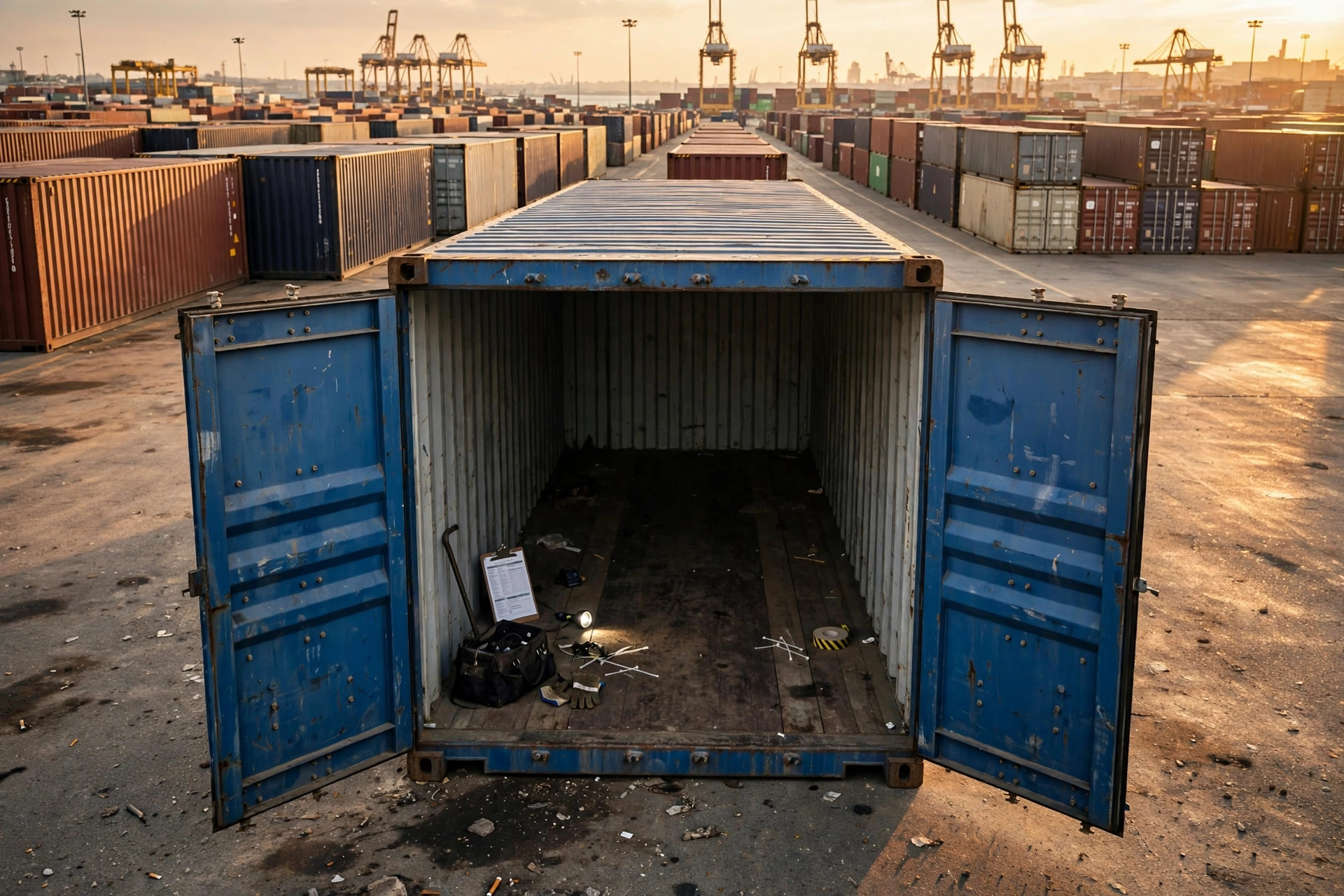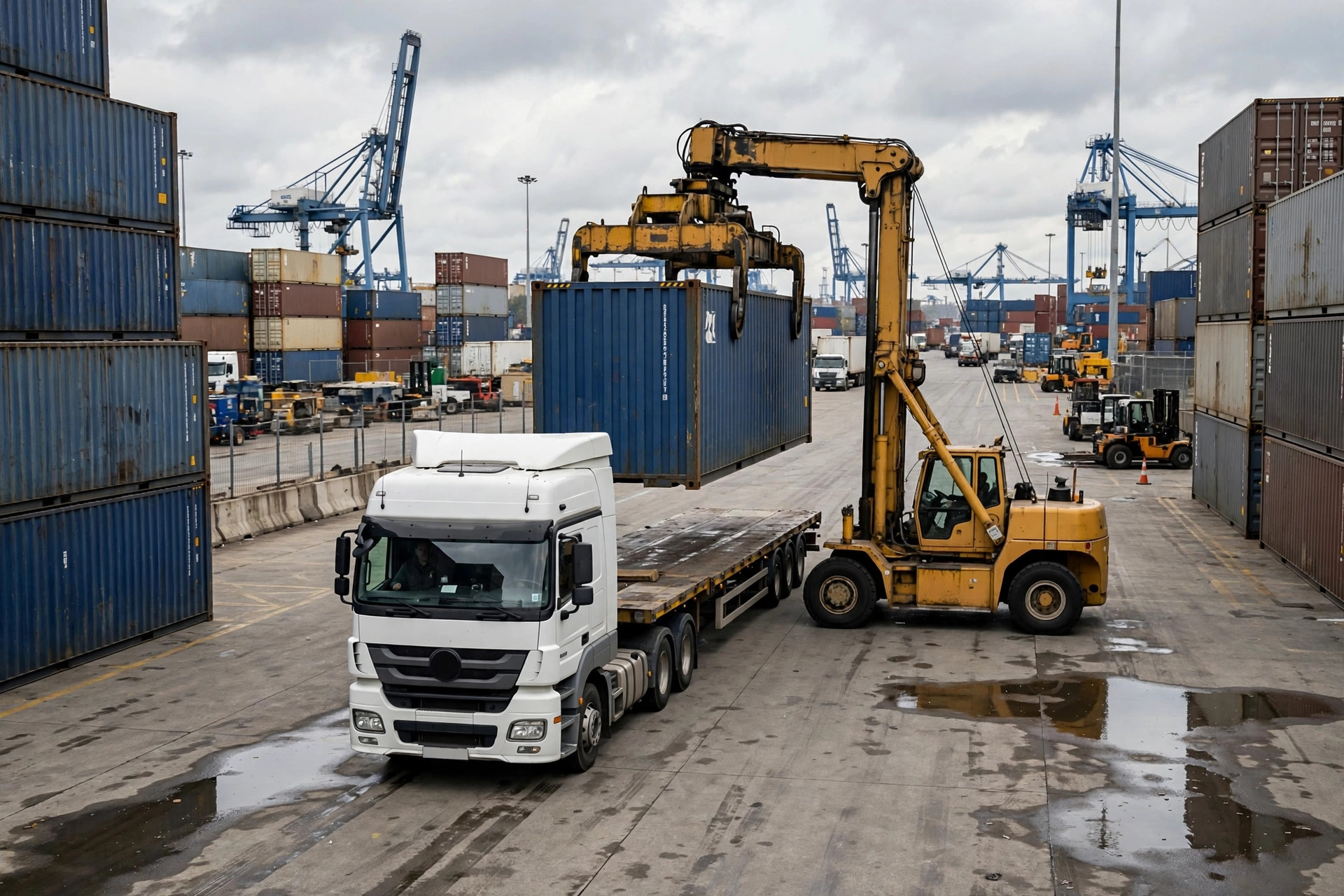
One of our clients — a furniture importer in LA, let's call him Chen — called me in September 2024 and asked: "Susan, you're in 3PL — is there any way to get customs to inspect my containers less?" I said: sure. It's called C-TPAT. He said: "What's that?"
Let me tell you what happened to his container first, and you'll understand what that name is worth. Chen's box, full of sofas, arrived at the Port of Los Angeles in mid-September and got pulled for a customs exam. It was drayed to the exam site, cracked open, photographed, every item checked against the manifest. That shipment was his Black Friday inventory — needed on shelves by early November. The exam queue alone ate nine days. Drayage, storage at the exam site, rescheduled trucking — all in, that one exam cost him the better part of ten thousand dollars, and half his holiday selling season. In his words: "Every extra day that box sat at the exam site, my heart bled a little more."
So today, let's break it down properly: C-TPAT, U.S. Customs' supply-chain security fast lane — is it actually worth it for an importer?
What the C-TPAT Fast Lane Actually Gets You
C-TPAT — the Customs Trade Partnership Against Terrorism — is a voluntary program run by U.S. Customs and Border Protection since 2001. In plain English: you prove to CBP that your entire supply chain is secure, and CBP puts you on the low-risk list and goes easier on you at inspection time.
The benefits come in tiers (check the CBP website for the latest policy). Tier 1 certified members already see exam rates several times lower than non-members. Tier 2 validated members get an even better deal — and if a container does get pulled, it jumps to the front of the exam line. Tier 3 is the honor roll: essentially green-lane treatment. CBP has published figures showing members are roughly six times less likely to face a security-related exam, and about four times less likely to face a trade-compliance exam, than non-members.
Beyond fewer exams, there are real perks: priority processing when you are examined, access to FAST lanes at the U.S.–Canada and U.S.–Mexico borders, an assigned CBP Supply Chain Security Specialist who works with your company directly, priority business resumption after a port shutdown, and mutual recognition arrangements with foreign customs administrations — your freight gets facilitated treatment at their ports too.
Sounds great, right? Hold that thought. This fast lane is paid for in real money.
The Math: What C-TPAT Costs vs. What It Saves
Another client of ours — a small-appliance importer run by a sharp woman I'll call Lin — moves more than 300 containers a year. In 2023 she went for C-TPAT: first a consultant for a gap analysis, then fixing the security gaps at her contract factory — higher fencing, access controls, full camera coverage, a seal issuance log, personnel background screening. Soup to nuts, it took about six months.
On the cost side, here's third-party survey data (historical figures, directional only — your mileage will vary): physical security upgrades averaged around $15,000, IT systems and database work around $12,500, dedicated staff or outsourced help around $12,000. After certification, annual maintenance runs several thousand to over ten thousand dollars a year, mostly people and security costs. Bigger companies spend more; smaller importers with simple supply chains spend less.
The savings side is easier to compute. Industry estimates put the all-in cost of a single container exam at $5,000 to $15,000: drayage to the exam site, storage fees, rescheduled trucking, plus the hidden cost of stockouts and lost orders. Lin runs 300-plus boxes a year; at the typical 3–5% exam rate for ordinary importers, a dozen-plus exams a year is normal. After reaching Tier 2, her exam rate dropped below 1% — seven or eight fewer exams a year, worth tens of thousands of dollars. She broke even in year one.
| Line item | Rough cost | Payoff |
|---|---|---|
| Application prep (consulting, gap analysis) | Several thousand to ~$10K | — |
| Physical security upgrades | ~$10K–$20K | Exam rate cut several-fold |
| Annual maintenance (staff + security) | ~$5K–$10K/year | $5K–$15K saved per avoided exam |
| Supply-chain predictability | — | No peak-season stockouts |
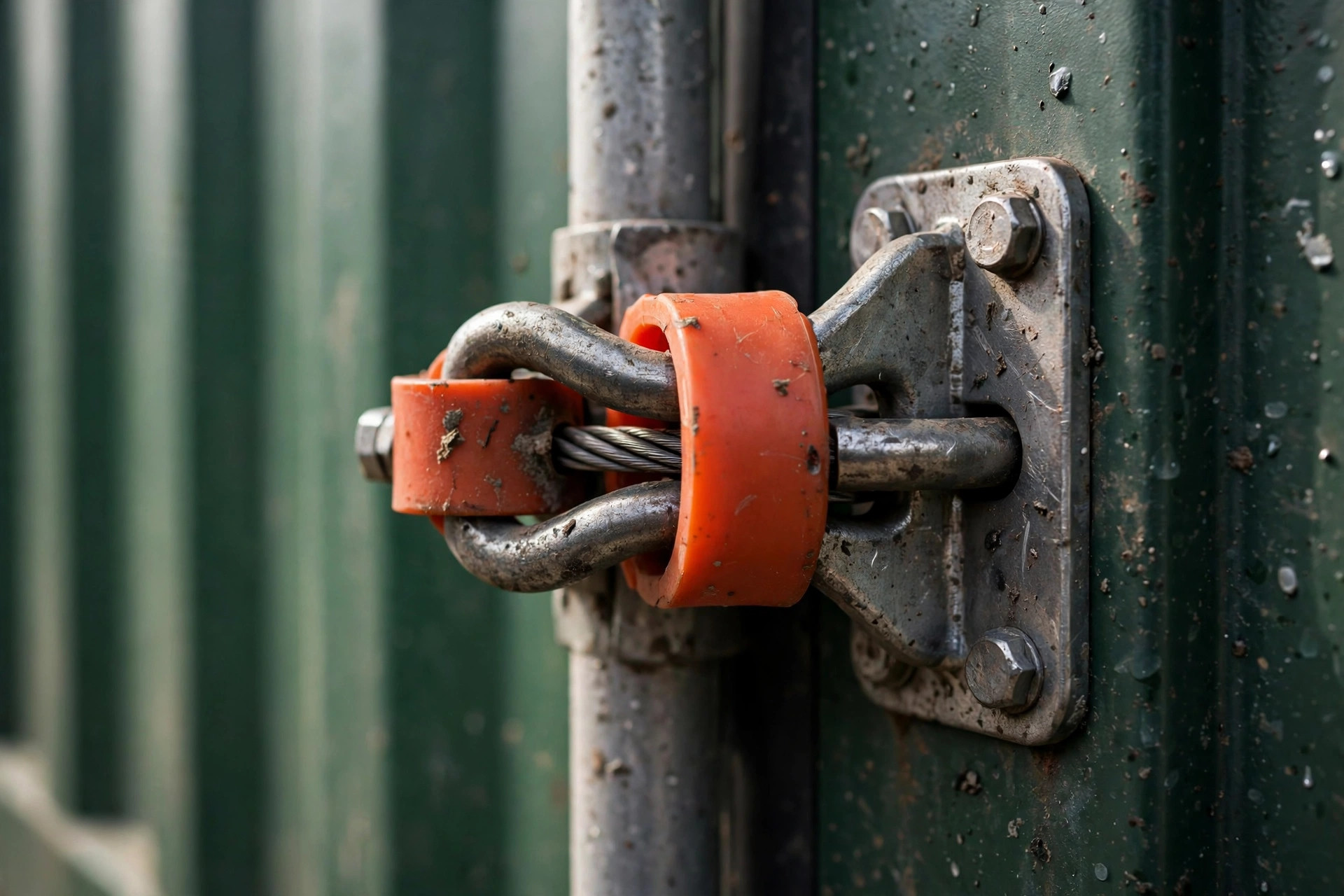
See that high-security seal in the photo above? That's exactly the kind of detail C-TPAT validators love to pick on. Lin got dinged on it once: her Shenzhen factory had no seal issuance log, and the validation officer gave her 30 days to fix it. Never underestimate the small stuff — that's precisely what CBP's validators check.
Of course, this math favors volume. If you move a dozen containers a year, exams were never your problem — and I'll get to that at the end.
Insider Stuff: Use C-TPAT as Leverage at the Negotiating Table
After years selling 3PL services, here's what the buy side usually misses: C-TPAT isn't just about fewer exams. It's a negotiating chip.
First, use it to squeeze your 3PL's pricing. Most 3PLs — mine included — run a dedicated process for C-TPAT members: seal management, driver background checks, full vehicle tracking. Your freight moves through our system on the low-risk track, which costs us less to handle and fails less often. So next time you're negotiating a warehousing or drayage contract, ask straight up: "I'm a C-TPAT member — where's the low-risk discount in this quote?" Don't be shy. You've earned it.
Second, write it into your supplier contracts. Here's the catch nobody mentions upfront: your certification covers the whole chain, including overseas factories and carriers. When CBP comes for validation, they check whether your suppliers cooperate — factory access controls, seal logs, outbound procedures, all of it. The smart move: put "must cooperate with buyer's C-TPAT compliance requirements" in your factory and forwarder contracts, so remediation costs land upstream instead of all on you. Lin added that clause to every new supplier contract after her first validation.
Third, don't fall for "guaranteed certification." Some consultants promise they'll get you certified, guaranteed. Smile and walk away. C-TPAT is audited directly by CBP — the validation officer is CBP's own Supply Chain Security Specialist, and nobody can guarantee that outcome. A good consultant does gap analysis, builds your procedures, and walks you through the audit. That's honest money. Guarantees are a red flag.
The Counterintuitive Part: It Protects "Security," Not "Compliance"
Here's what most people get backwards: they think C-TPAT means customs looks the other way. Wrong. The "T" in C-TPAT stands for terrorism — the program reduces security exams, not trade compliance scrutiny. Your classification, valuation, and country-of-origin problems don't disappear; if you owe duties, you still owe them.
And here's the real trade-off: once you're in, your supply chain is transparent to CBP — where your factories are, which lanes your freight takes, who touches it. It's all on file. So if you've been playing games with tariff classification, membership actually makes you easier to catch. My advice: get your trade compliance house in order first, then go for C-TPAT. Don't reverse the sequence.
So — worth it? My rule of thumb is simple: if you move 100-plus containers a year, or your peak-season schedule can't slip by a single day, do it yesterday. If you move a few dozen boxes a year of low-value freight with no time pressure, spend the money elsewhere first. Think of C-TPAT as a seatbelt for your supply chain — you won't miss it until the day it saves you.
Next time you're at the negotiating table, ask these three questions. One: "I'm a C-TPAT member — does this quote reflect low-risk pricing?" Two: "Can my suppliers and carriers support my C-TPAT validation requirements — and can we put that in the contract?" Three: "If my container gets pulled for exam, what's your contingency timeline — and can we write it into the SLA?"
Ask those three, and even the toughest procurement director will take you seriously.
By Susan, 3PL Sales Director