Here is my verdict up front: a Córdoba inland distribution warehouse is worth it when it removes trips, not when it saves rent. Stock sitting in a port-area warehouse is close to the ship and a long way from customers across Córdoba province. Every replenishment run from the port is a truck, a driver, and days of time burned together. If your inland customers order often, in small lots, and need frequent top-ups, pushing a forward stock point inland will probably pay for itself. If your volume is concentrated near the port and your orders are big and clean, stay at the port and do not buy yourself an extra handoff for the sake of a cheaper rent line.
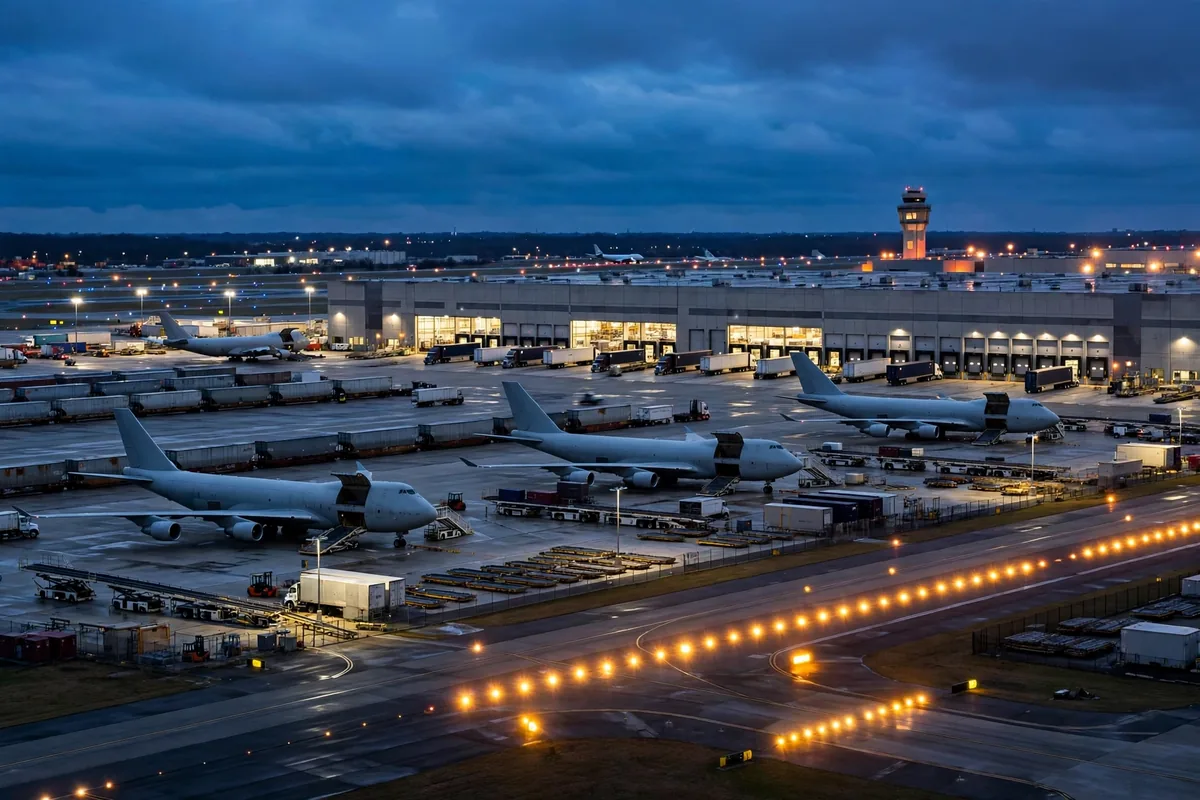
Every option here has two sides, and I have seen too many teams price only one of them. Years ago I worked with a consumer-goods distributor that kept everything in a warehouse near Buenos Aires port. The logic sounded solid: close to the port, fast to receive. Then the Córdoba stores started needing replenishment, and every run became a long-haul truck carrying orders for seven or eight stores, unloading stop by stop over two or three days. Store managers complained, and one rainy stretch delayed a run by a full day, leaving several stores short at the same time. The stock was all there, sitting in the warehouse. It just could not reach the people who needed it. When the company finally set up a small inland point near Córdoba, routine products were stocked forward, store replenishment switched to short local runs, and the port warehouse went back to what it does best: receiving in bulk and feeding the inland point. That experience taught me the rule I still use today: a warehouse location does not solve a storage problem. It solves a delivery problem.
What a Córdoba inland distribution warehouse actually saves you
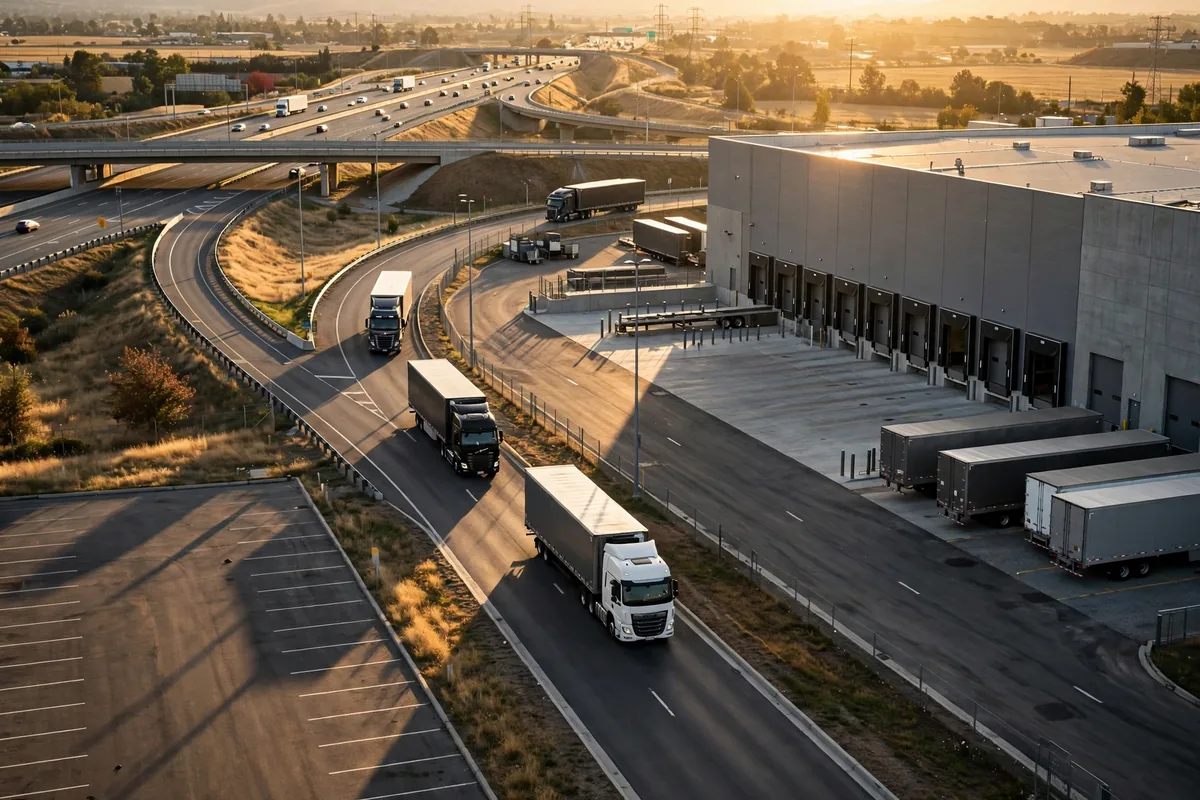
Run the comparison on trips and lead time before you talk about rent. Picture a week in which Córdoba-area customers need three replenishment runs, each one a long-haul trip from the port warehouse with multiple drop-offs along the way. Every extra stop is another chance to miss a delivery window, and every day on the road is a day the store cannot sell what it does not have. With an inland stock point, the pattern changes: one or two full truckloads run straight to the inland point each week, and store replenishment becomes a short local run that can go out and come back the same day. What you save is not one cost line but three headaches at once: fewer long-haul trips, simpler driver scheduling, and replenishment measured in hours rather than days. Urgent top-ups stop being emergencies, because the inland point already holds the fast movers.
| Comparison | Port warehouse only | Port warehouse plus inland point |
|---|---|---|
| Linehaul trips | Several long multi-stop runs per week | A few full loads straight to the inland point |
| Store replenishment | Days on the road | Same-day or next-day local delivery |
| Rush orders | Emergency dispatch from the port | Covered from inland stock on hand |
| Stock risk | One location, one failure point | Two locations that must both be managed |
Here is the counterintuitive part: the real return on an inland warehouse is often not the rent saving. It is the cost of one fewer stockout. A stockout costs more than the missed order, because the store orders with less confidence next time. An inland stock point trades road uncertainty for shelf certainty, and that trade is worth more than it looks on a spreadsheet.
More warehouses is not a strategy
The other side of the deal is the cost of splitting stock. Once inventory sits in two places, both places need managing. Overstock one and you tie up cash; understock the other and you stock out anyway. The more product lines you split, the harder this gets. Fast movers belong in both places, slow movers belong in one, and spreading everything everywhere just chops your inventory into pieces too small to be useful. I have seen teams open three points at once and end up with none of them complete, running transfer trucks more often than delivery trucks. Split by product line first, then by location: push high-frequency replenishment items inland, keep slow and bulk lines consolidated at the port.
There is also an information trap. Stock in two places with one blind system is worse than stock in one place with a clear system. Before you split anything, make sure both locations show up on one screen: what is on hand where, what is in transit, and what has dropped below its safety level. A split you cannot see is not a network. It is a blind spot with rent attached.
A Córdoba inland distribution warehouse site checklist
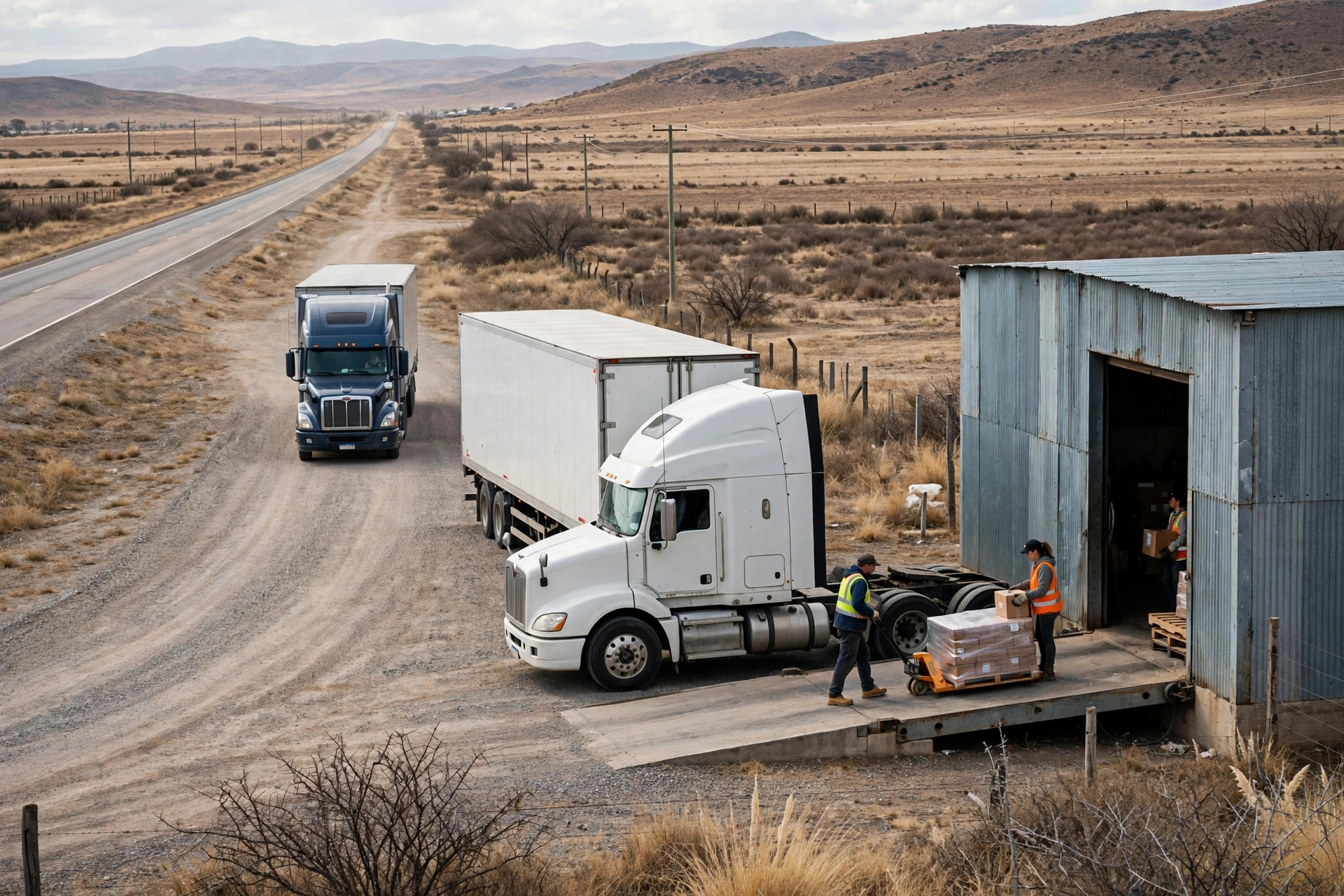
Do not pick a site on rent per square meter alone. Walk this checklist, site by site. First, truck access: can large trucks get in and out easily, are there height or weight restrictions on the approach roads, does the rainy season cause access problems, and is there room to turn at the gate? Things you do every day matter more than a small rent discount. Second, people and equipment: can you hire steady loading labor nearby, and can you get a forklift repaired without waiting days? Third, real customer distance: can local runs to your main store cluster genuinely go out and return the same day? If not, the inland point is just another place to hold stock. Fourth, paperwork handover: when stock transfers from the port warehouse, do receiving, batch records, and inspection follow one process, or does the load stall at the gate? Fifth, room to grow: rent only what you need now, but keep an option to expand space or add shifts in the contract, because peak season is a bad time to go looking for space.
One more piece of advice before you decide: run your last three months of orders through three questions. What share of orders go to inland customers? How often do they need top-ups? How many rush orders did you handle? Those answers will tell you honestly whether a Córdoba inland distribution warehouse earns its keep, and this checklist will tell you what not to get wrong after you build it. A warehouse serves people, not the other way around. One step closer to the customer is one fewer problem on the road. Is that not the whole point?
By Lao Mi, Supply Chain Veteran (20 yrs)