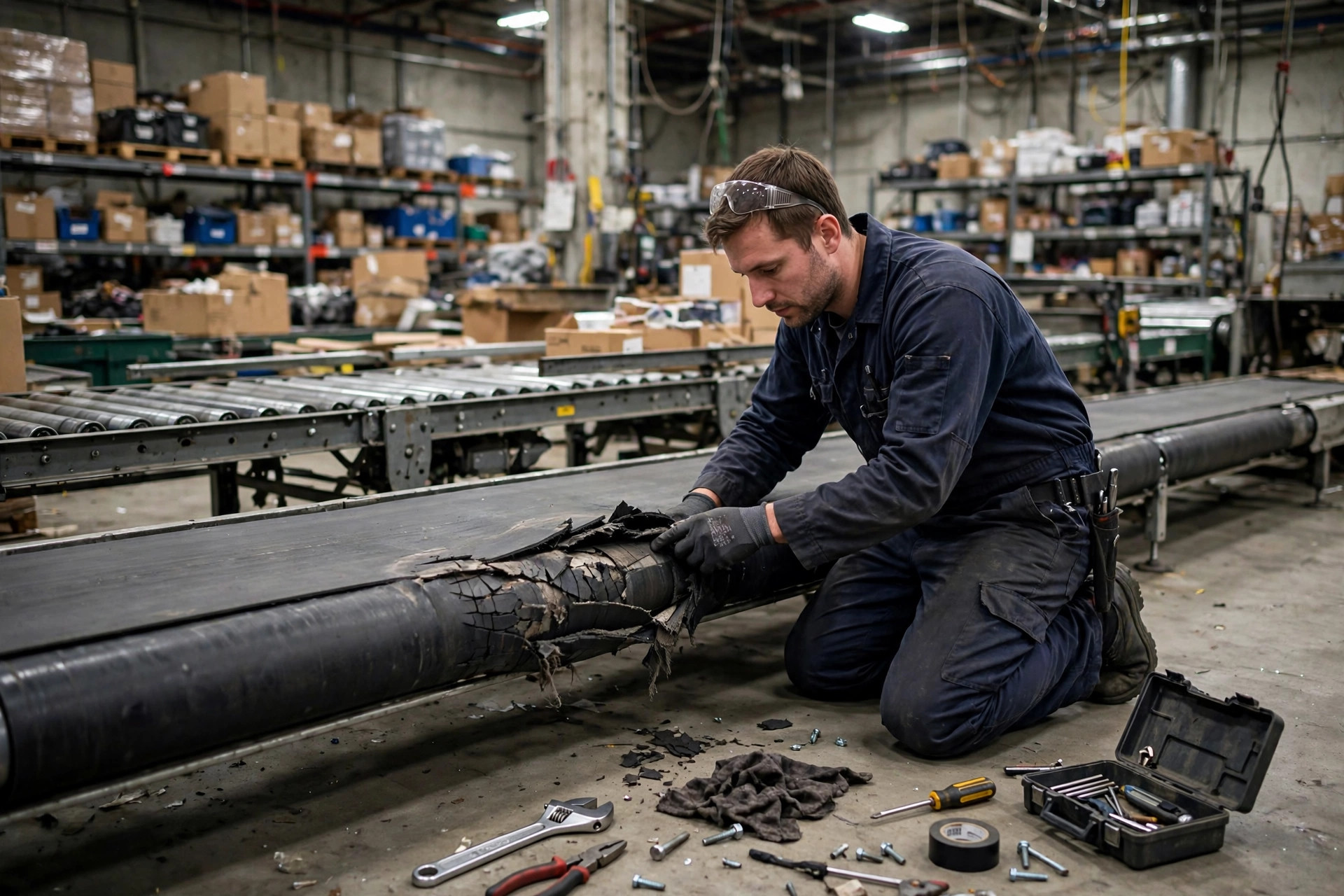
In 2024 I walked a 120,000-square-foot e-commerce fulfillment center in Memphis pushing 30,000 orders a day. Their sort line had a swing-arm diverter that jammed every afternoon peak, and the crew just shrugged — "that's how this thing is." I had them log every jam with a photo for a week. Seventy percent of the jams involved the same carton profile: a soft polybag with an uneven bottom. The equipment was not the problem. Nobody had ever tested it with the real product mix during selection.
A conveyor diverter does one thing: it turns product off the main line without stopping the line. There are two mainstream ways to do it — swing-arm diverters and pop-up transfers — and picking the wrong one will haunt you for years.
Start by defining what you are diverting, because that decides everything. Standard corrugated cartons with flat bottoms and consistent sizes? Either technology works. Polybags, woven sacks, or cartons with deformed bottoms? The swing arm has clearly better conveyability, because it maintains continuous contact — there is no "lift it up" shock moment. What throughput do you need? Swing arms suit medium-to-high-speed continuous diverting; pop-up transfers fit slower, heavier, larger items. What divert angle? Swing arms typically divert at 30 or 45 degrees with minimal impact on mainline speed; pop-up transfers divert at a full 90 degrees, which means the package must slow or pause at the divert point — a real throughput penalty.
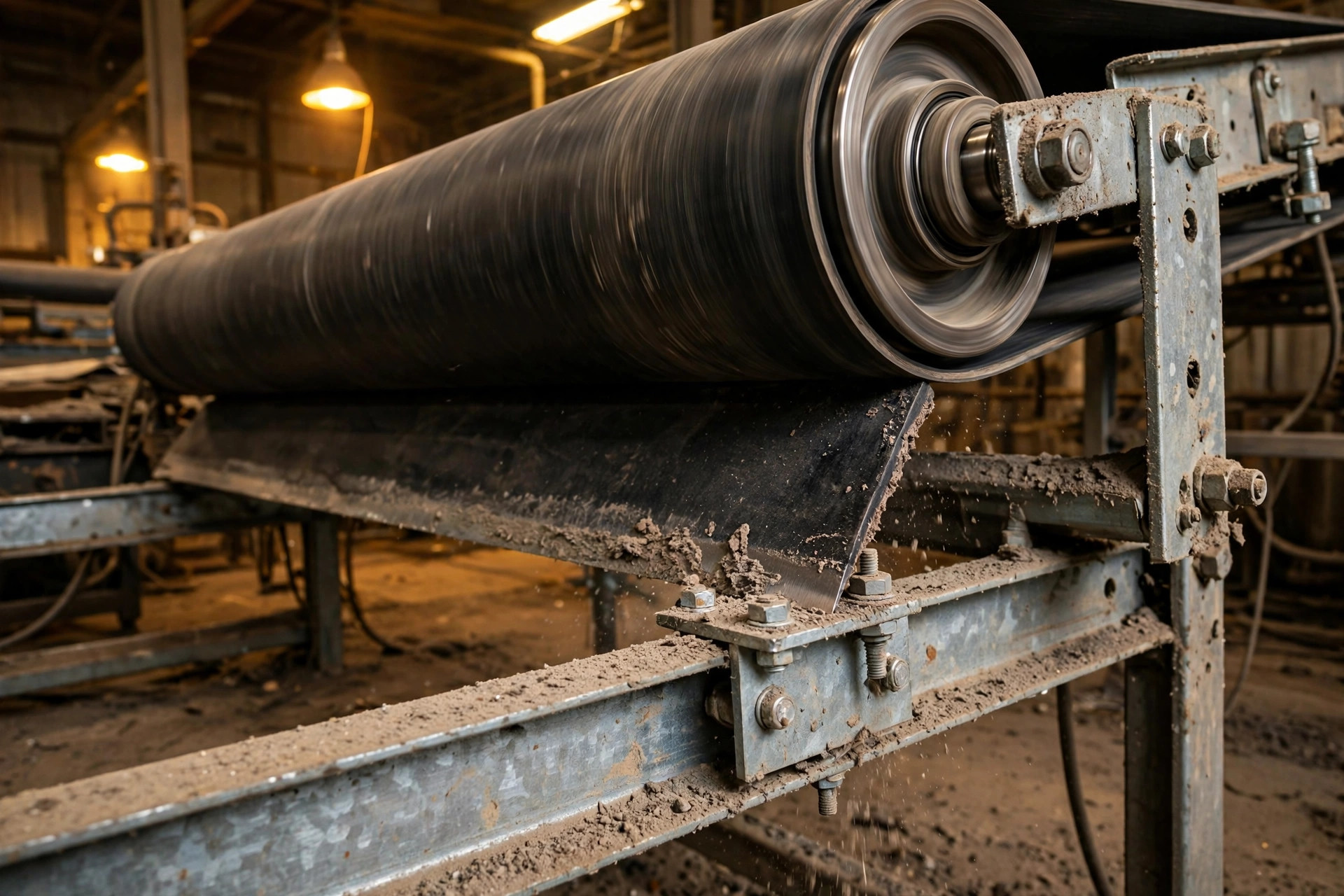
Each approach has a hard weakness, and I will state them plainly. The swing arm hates "unruly" product: very light items like single envelopes get carried off-course, very heavy items accelerate wheel wear, and the whole mechanism demands precise installation — if a support leg settles even slightly, diverts start missing. The pop-up transfer's weaknesses are cycle time and noise: every actuation is a mechanical shock, and on a 24/7 line the air cylinders and chains become a replacement treadmill within a year. Ninety-degree diverting also requires the package to arrive square; a skewed carton can wedge itself right in the divert throat.

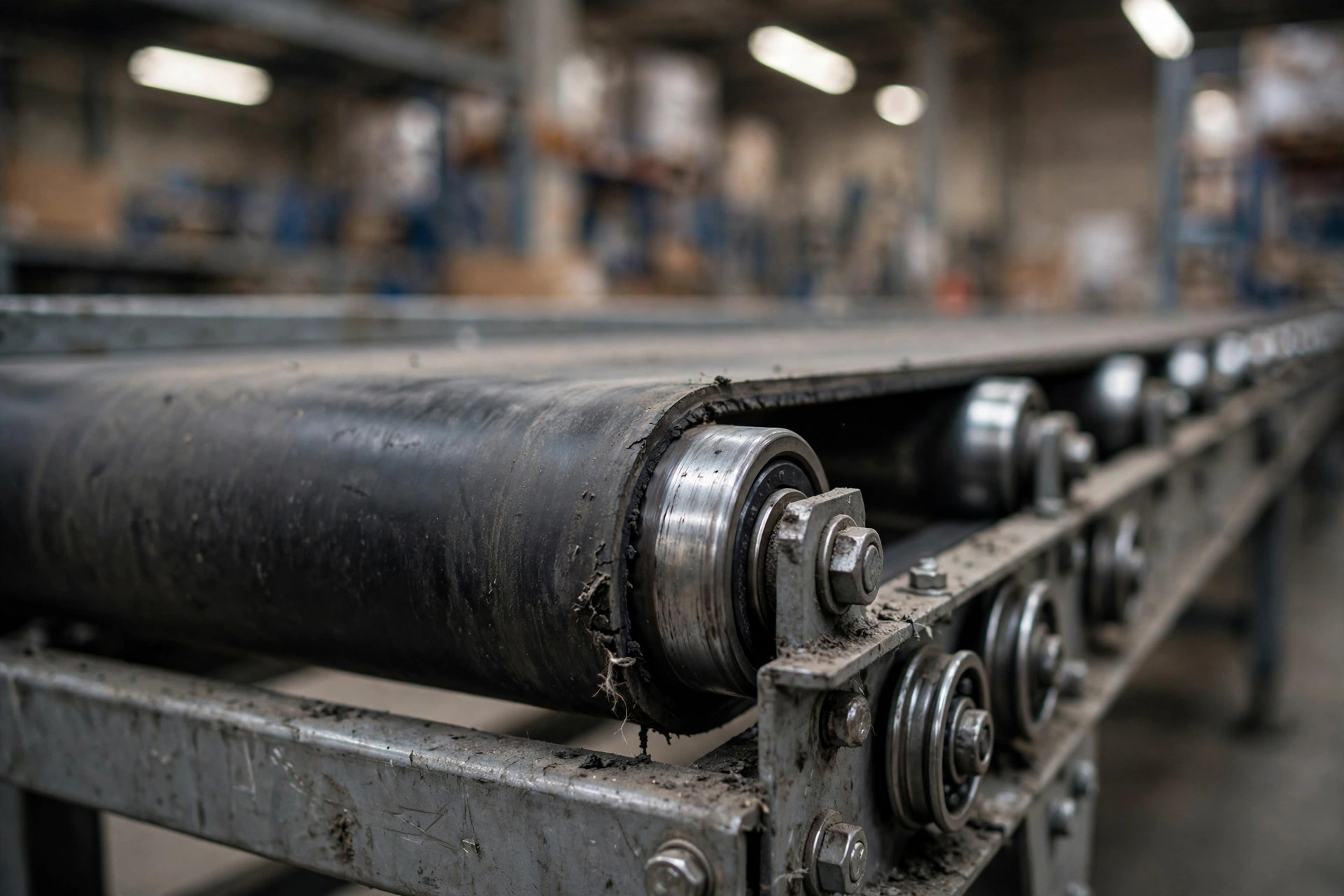
When a diverter starts failing, troubleshoot in this order: product first, hardware second, controls last. First, check the carton: did the packaging spec change? Is the bottom deformed? A lot of "the equipment suddenly stopped working" turns out to be a new packaging supplier. Second, check swing-arm wheel wear: once the tread goes smooth, friction drops and packages spin in place at the divert point. Run your hand across the wheels — if you feel a polished band, they are done. Third, check lift height on pop-up transfers: if air pressure is low and the transfer does not rise fully, the mainline belt keeps carrying the package straight past the divert. Check the pressure gauge first, then the solenoid valve. Fourth, check the photo-eye position: divert timing depends on photo-eyes, and one knocked two centimeters out of place causes early or late triggers — the most infuriating kind of fault because it is intermittent. Fifth, check the control logic: during peaks, if the PLC's minimum gap parameter between packages is set too conservatively, the second package arrives before the first has cleared, and they collide.
The controls deserve their own warning because the trap is invisible. A diverter's PLC program holds a few critical parameters: trigger lead distance, minimum package gap, swing angle. Most integrators tune them for the "ideal carton" at handover and leave. Nobody retunes when the product mix changes, and the jam rate climbs. At acceptance, demand adjustment access and documentation for these three parameters, and have the integrator store a separate recipe for your worst-case carton profile. Modern PLCs support recipe switching — one tap when the product mix changes beats manual tuning every time.
Ask the vendor these questions before buying, and walk away from anyone who cannot answer: Can you run our actual cartons — including the nastiest one — on your test line for four hours? What is the wheel-set replacement interval and the price per set? What brand are the pop-up cylinders and what is their rated cycle life? Will you put a divert-success rate in the contract, and what is the number? Is the control program open — can we adjust the divert gap ourselves?
On spares, keep it simple: swing-arm wheel sets, pop-up cylinders, and solenoid valves are consumables. Do not wait for a failure to order. On a diverter running 16 hours a day, I plan on a wheel-set change every 12 to 18 months; cylinder life is rated in cycles, and any reputable brand will give you the number. Stock one full change-out based on half the replacement interval. And if your line has a single diverter as a single point of failure — no bypass — overstock spares without guilt. The cheapest insurance in the building.
One question to take back to your building: when was the last time someone actually inspected your diverters? Most of them do not die of old age. They die of neglect — nobody looks, nobody tunes, and they grind themselves to death. A swing-arm wheel check and an air-pressure check twice a year takes one person a morning and can save you a full line stoppage at peak.
Energy and noise deserve a line in the selection math too. A pop-up transfer's pneumatic system runs the air compressor around the clock, and that electricity plus compressor maintenance is a permanent operating cost. Swing arms use more motors but each is small, so total energy can actually come in lower. When I helped a warehouse run the selection numbers, folding five years of energy and spares into the total cost of ownership flipped the result — the swing-arm option came out about twenty percent cheaper than pop-up. Quoting equipment price without the five-year ledger is the most common shortsightedness in selection.
At installation, insist on a stress test written into the acceptance criteria: your five nastiest carton profiles — lightest, heaviest, worst bottom, most extreme dimensions — run continuously for four hours, logging divert success rate. Below 99.5%, do not sign. Put that in the contract before the equipment ships, not as a handshake promise. Most acceptance disputes trace back to criteria that just said "equipment runs normally," which means nothing to anyone.
For daily care, here is the minimal checklist, posted on the wall next to the diverter: daily, glance at the pressure gauge and listen for new noises; weekly, wipe the photo-eyes and check wheel tread; monthly, torque the support bolts and measure lift stroke. One person, half an hour. Equipment management rarely fails for lack of money. It fails for lack of anyone caring.