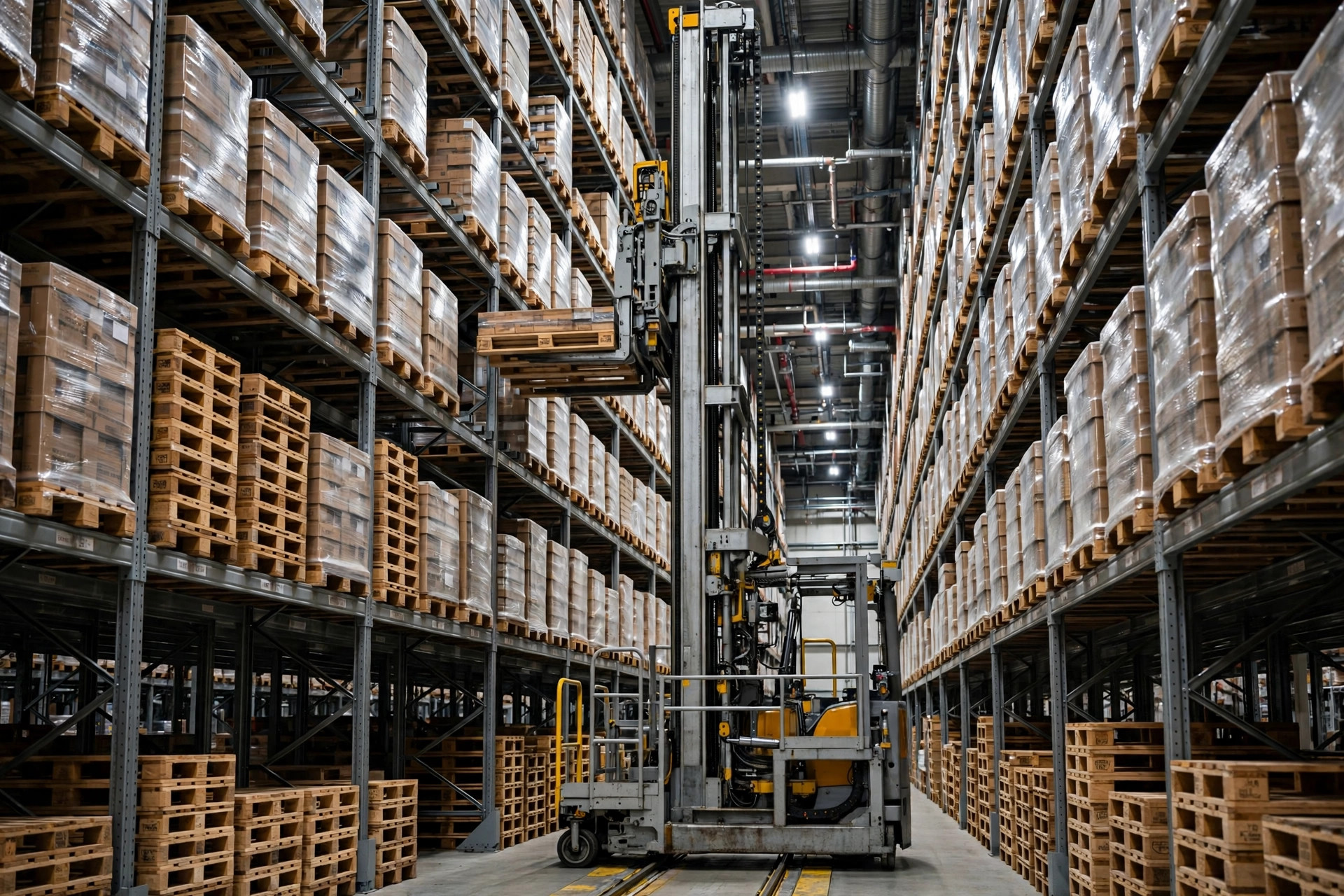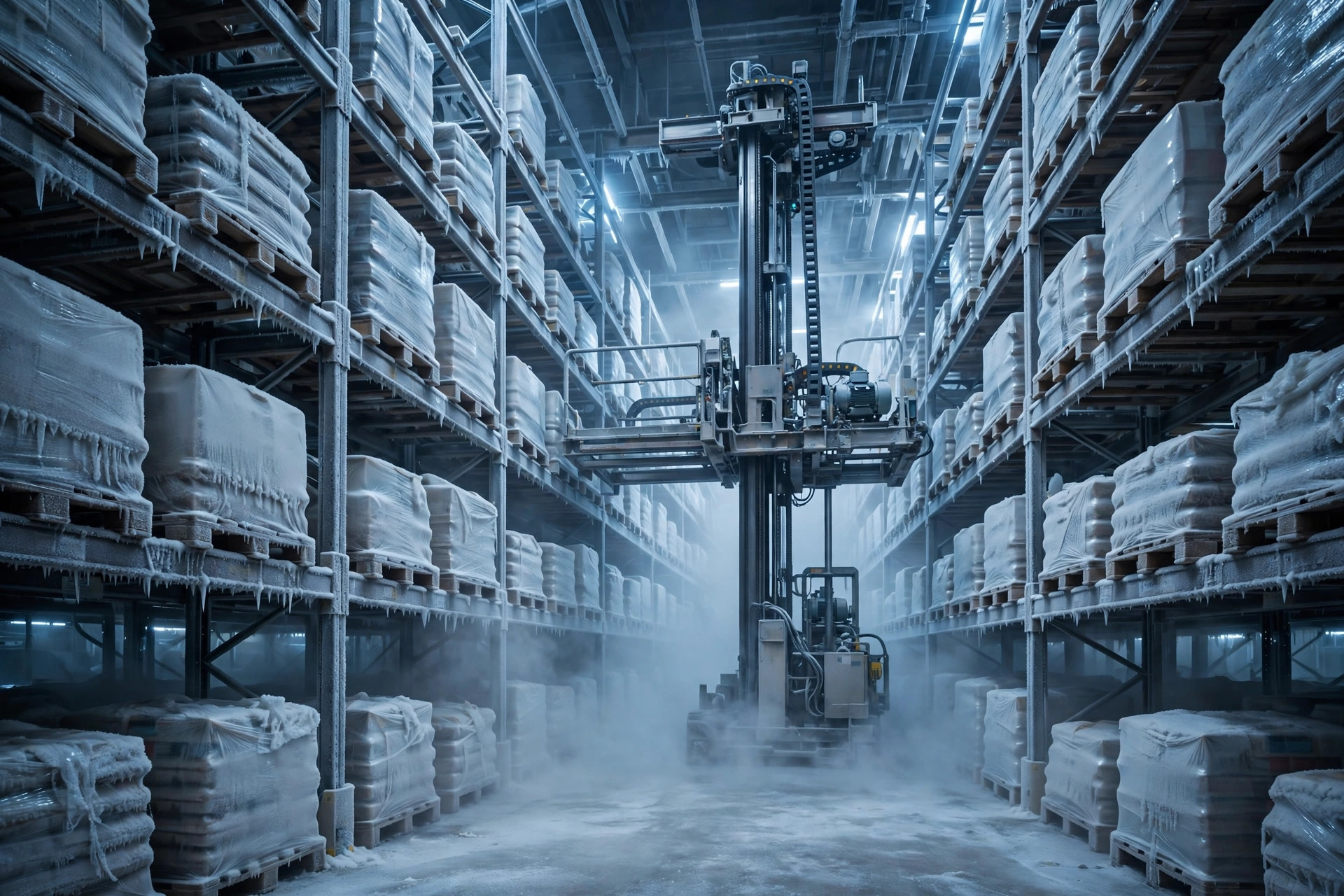
2 a.m. The phone rings: a stacker crane in our -25°C freezer ASRS just threw a positioning fault, and the whole aisle is down. The tech suits up in three layers of thermal gear, anti-fog mask on, and walks in — every breath freezing into ice on the inside of the mask, the wrench in his glove cold as a popsicle stick. Thirty minutes later the fault is cleared, and the root cause makes everyone groan: frost on the photoelectric sensor's lens. The machine thought something was in its way.
That's the fundamental difference between a freezer ASRS and an ambient-temperature one. In an ambient warehouse you fight the equipment. In a freezer you fight physics. Low temperature itself isn't the killer — it's low temperature plus water plus people. Here's the full picture: the physics, the selection line, and the maintenance traps.
The physics: what -25°C does to your equipment
Hit number one: lubrication. Standard lithium-based grease thickens dramatically below -20°C, and bearing drag climbs with it. Think of it this way: pour honey straight from the fridge and watch how it moves. Stacker-crane travel wheels and guide rollers running on ambient-rated grease will quietly draw more motor current all winter, and motors and gearboxes die early. A freezer project must specify low-temperature grease in the technical agreement — one line in the contract, and skipping it is a trap.
Hit number two: steel gets brittle. Ordinary carbon steel has a ductile-to-brittle transition temperature; below it, impact toughness falls off a cliff. Racking and crane masts must use grades rated for -25°C impact performance. It's the difference between bending plastic and snapping it in winter — an impact the steel shrugs off at room temperature can crack it in the cold. When you're qualifying a vendor, ask for the -25°C impact test data. If they can't produce it, walk away.
Hit number three: batteries. Four-way shuttles and satellite carts run on batteries, and lithium cells lose serious discharge capacity in the cold — worse, you cannot charge them below 0°C without lithium plating that effectively kills the pack. So the charging zone has to sit in an ambient area, and carts must rotate out to "eat." In 2022, a seafood cold storage operation in eastern China watched its shuttle fleet's winter range drop by nearly half. Dispatch had no rotation plan; at peak hours half the fleet was queued outside the charging area, and the whole outbound rhythm collapsed. They recovered only after adding spare carts and forced rotation logic.
The decision line: stacker crane vs. four-way shuttle vs. satellite cart for your automated cold storage ASRS
With the physics clear, the selection line is straightforward — three mainstream architectures:
| Stacker crane | Four-way shuttle | Satellite (mother-child) cart | |
|---|---|---|---|
| Rack height | 20 m and up | Typically under 10 m | 10–15 m |
| Throughput per aisle | High (fast dual cycles) | Scales with cart count | In between |
| Pallet-count sweet spot | 10,000+ pallet positions | A few thousand positions | Mid-size |
| Cold adaptation | Easy (rail-powered, no onboard battery) | Hard (battery + rotation charging) | Medium |
| Failure blast radius | One crane down = aisle down | Single cart fault can be routed around | Mother cart down = that level down |
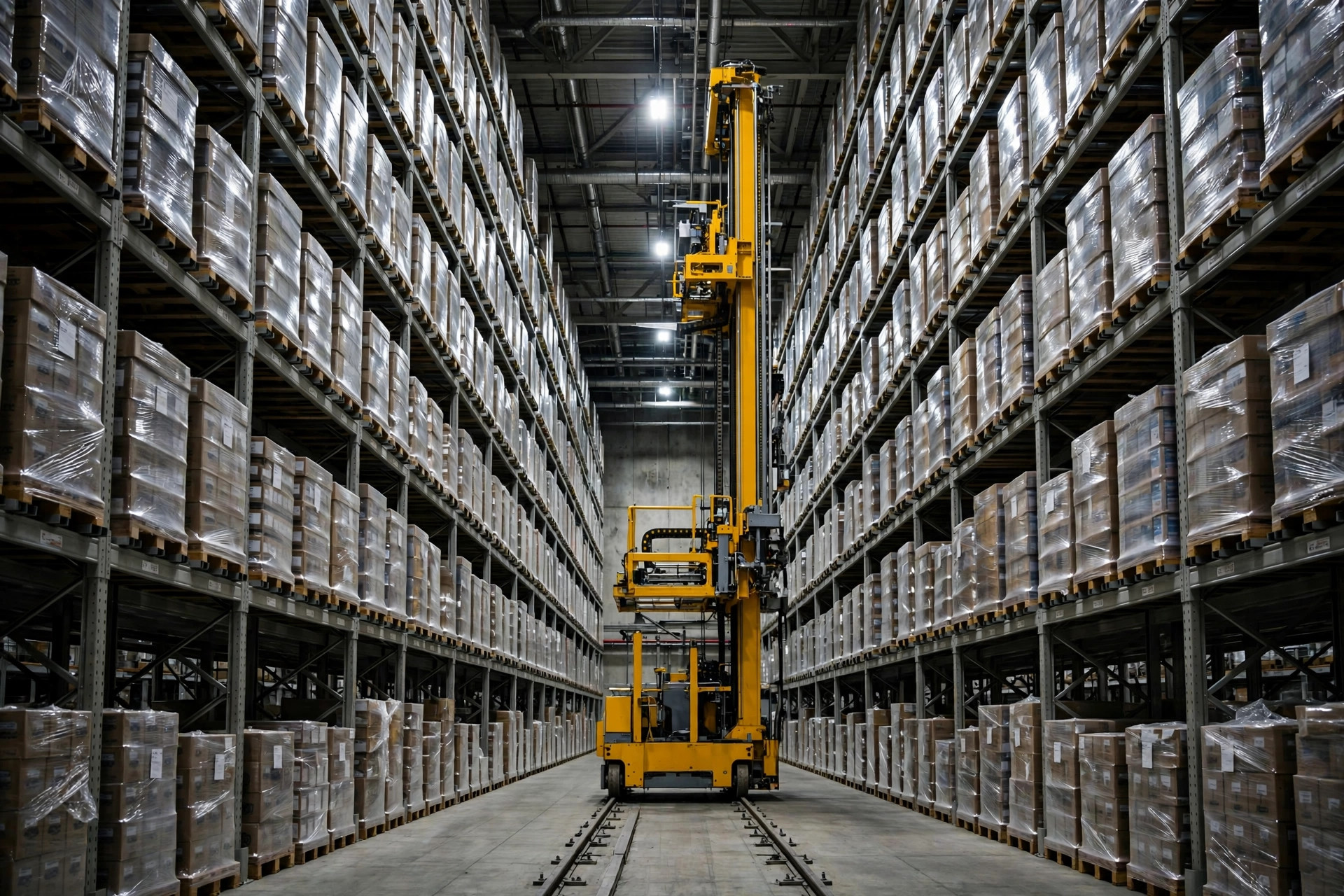
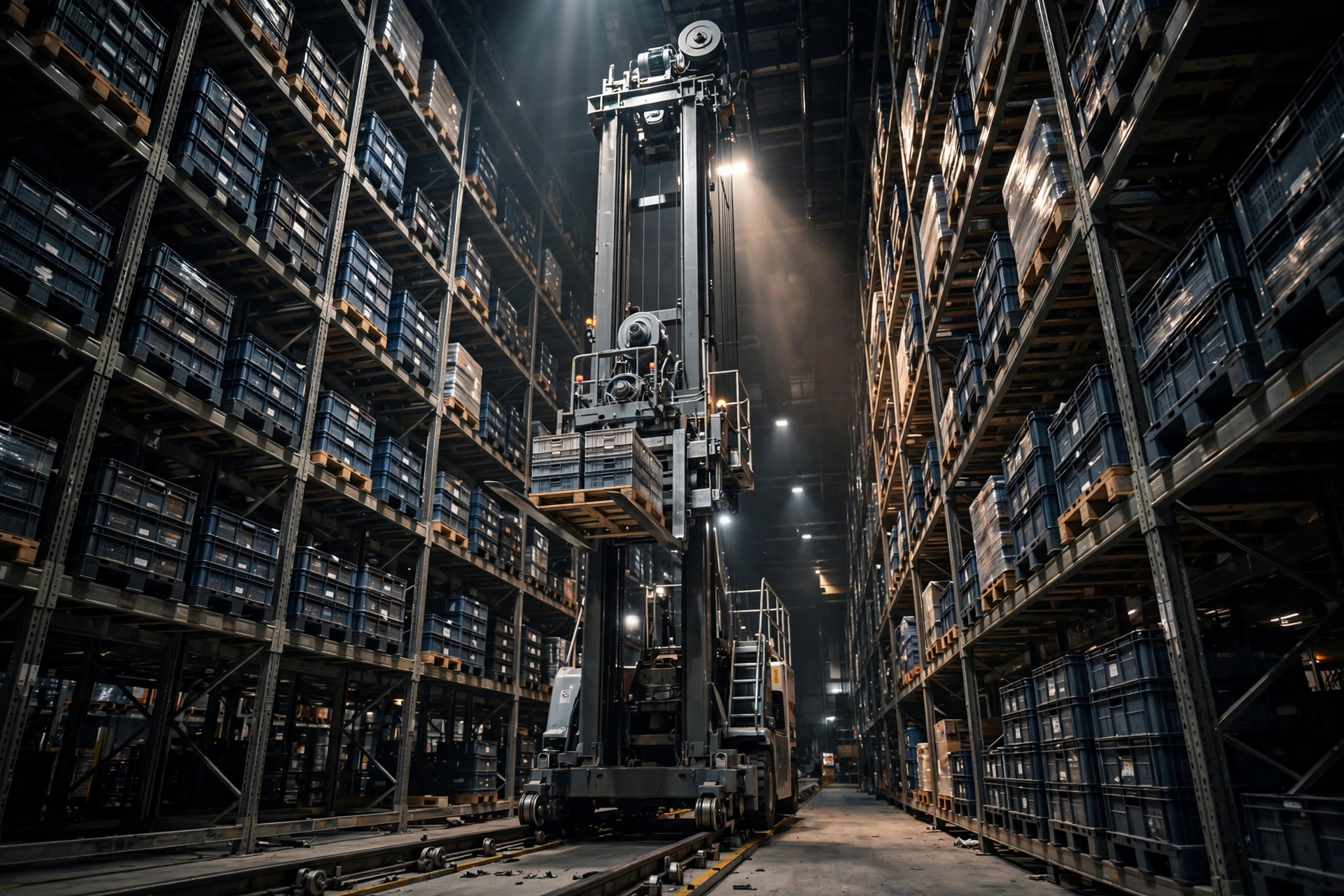
My verdict: for 10,000+ pallet positions and heights above 20 meters, the stacker crane is the right call — no onboard battery to babysit, which makes it the most trouble-free option at -25°C. Think of it this way: in a freezer, the simpler the structure and the less onboard electrics, the longer it lives.
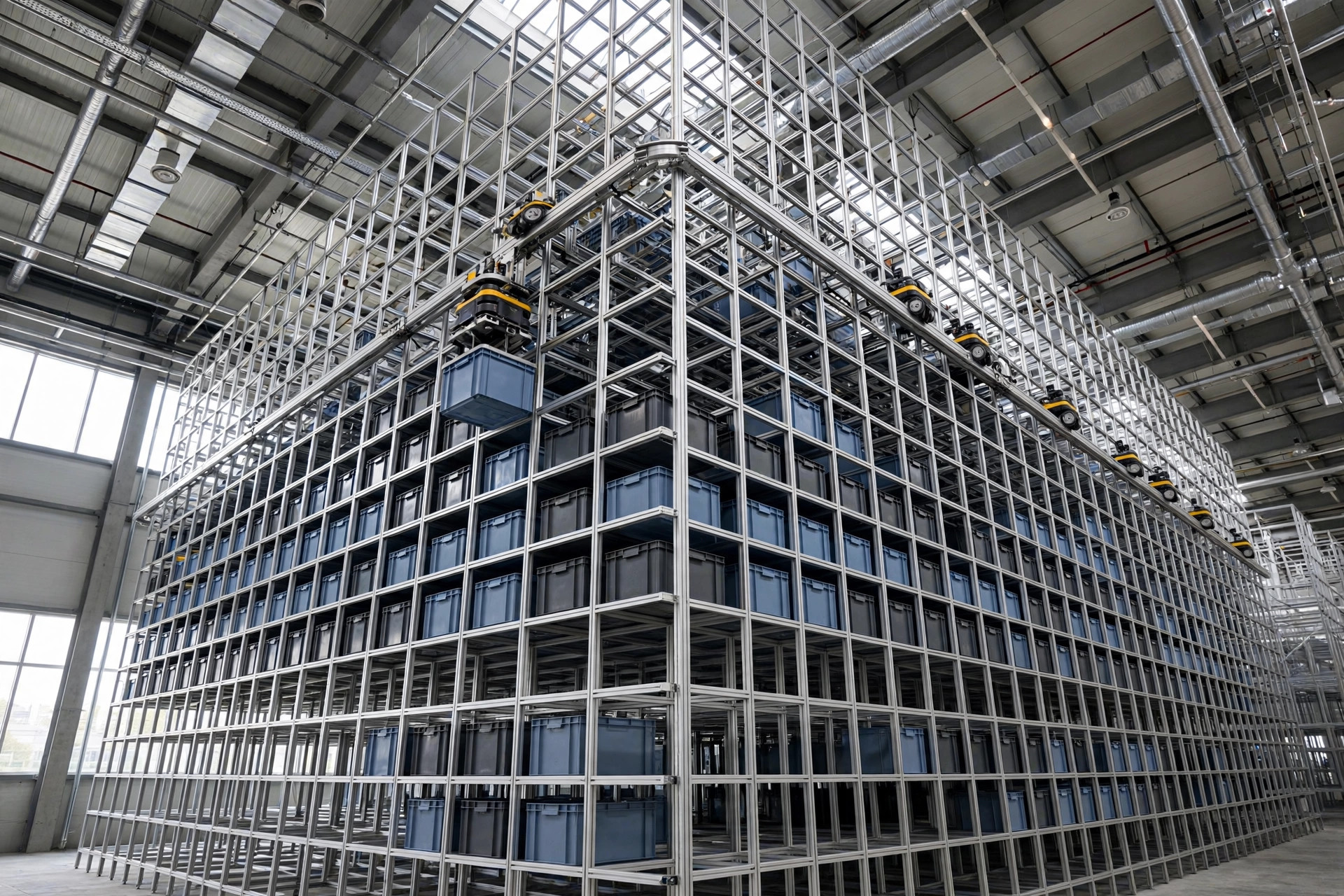
Four-way shuttles fit smaller footprints with many SKUs and flexible scheduling — but battery rotation and charging-zone planning are preconditions, not afterthoughts.
And now a rant, because somebody has to say it: some projects move a few hundred pallets a day and still buy a full ASRS as an "intelligent showcase." That's a fake requirement. The fixed cost of the system doesn't care about your ribbon-cutting ceremony. Run the throughput too low and the cost per pallet is multiples of a manual forklift operation — plus you've installed an expensive diva in a freezer that demands constant attention. Automation is bought for throughput, not for tours.
The maintenance traps in an automated freezer warehouse
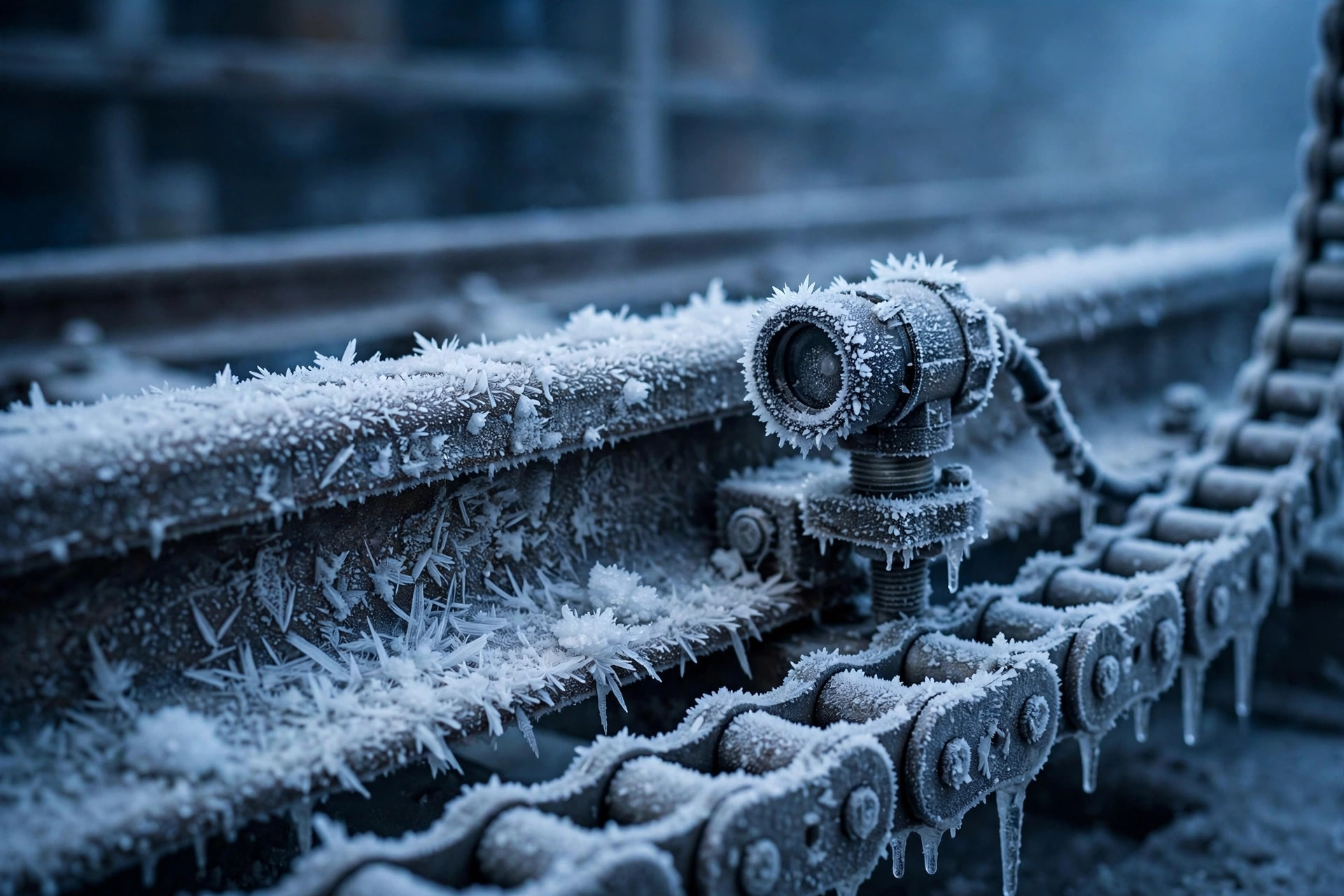
There's a saying in cold storage maintenance: the enemy isn't the cold, it's water. Every time the dock door opens, warm humid air rushes in and flash-freezes onto -25°C steel. Frost on the racking is harmless. Frost in three places is an incident:
First, sensors. Frost on photoelectric and laser ranging lenses degrades the signal, and the machine throws false e-stops — like that 2 a.m. call that opened this article. The fix is heated sensors or scheduled manual defrosting, but "scheduled" is an expensive word in a freezer, because every human entry costs serious money.
Second, rails and wheel treads. Frost melts and refreezes into ice, friction goes unpredictable, crane positioning jitters, and wheel treads wear abnormally. Here's the counterintuitive call: what really determines uptime in a freezer ASRS usually isn't the crane brand — it's the sealing of the doors at the inbound/outbound openings. High-speed roll-up doors plus air curtains keep the humid air out, and frost drops dramatically. Money saved on doors gets paid back double in three years of work orders.
Third, people. In -25°C, a technician in full thermal gear has limited continuous working time, and suiting up and de-suiting alone eats a big chunk of the visit. So maintenance windows must be designed in from day one: cluster wear parts, sensors, and grease points where they're reachable, and solve everything you can with remote diagnostics instead of sending a person in. When I review a freezer project, I look at the maintenance access layout before the equipment spec sheet — a bad layout makes even beautiful MTBF numbers meaningless, because every repair costs multiples of an ambient-warehouse repair.
So here's my usual closing question: is the money worth it? Watch this one number — total annual cost per pallet position (equipment depreciation + energy + maintenance + downtime losses, divided by pallet positions). Labor is expensive in freezers, thermal gear is expensive, hiring is hard. The real math for automation isn't "how many forklift drivers did we cut" — it's pricing in the risk of humans not being able to go in and the cost of frost-driven downtime. Get that number right, compare it against a conventional freezer, and the answer is obvious. Don't sign until you can compute it.
By Da Liu, Automation Engineer